Fuck the System: sabukaru meets Machine Girl
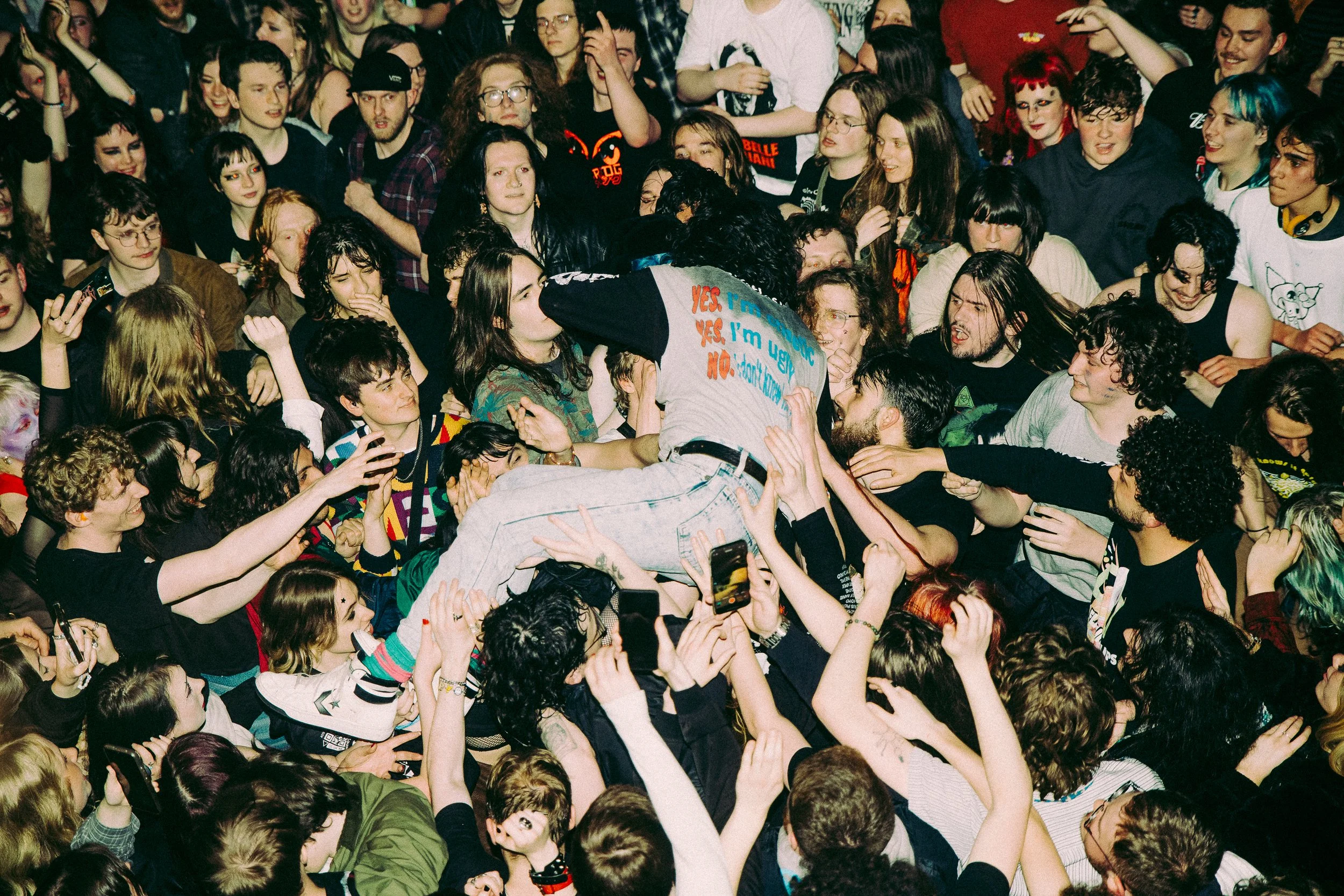
It would be impossible to describe Machine Girl to someone who has never listened to them before. Each project is completely foreign to the next - smashing together a hundred different genres into single auditory experiences. But whether it be raging cyberpunk, industrial hardcore or acidic jungle: Machine Girl is the noise of rebellion.

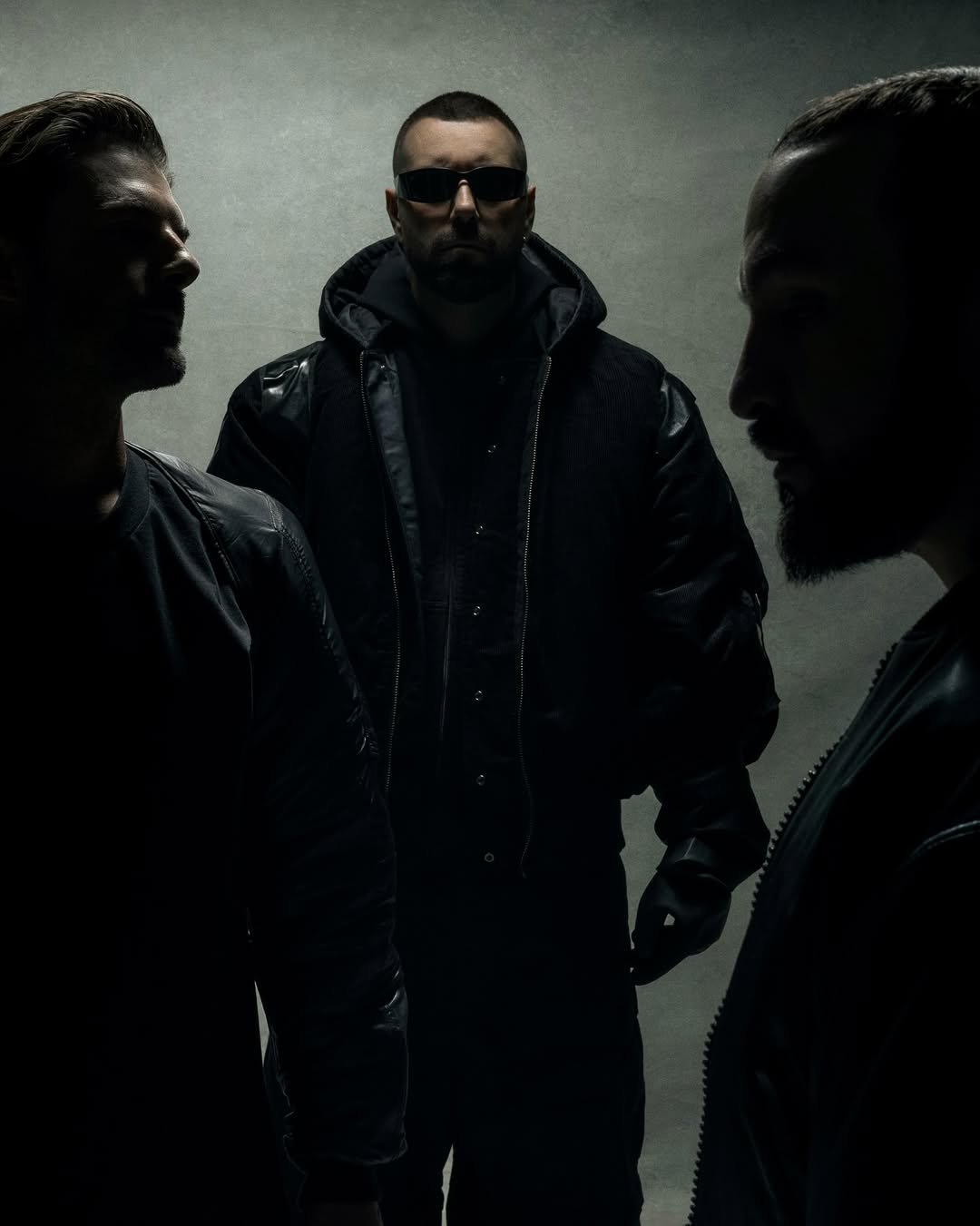
Founded in 2012 by Matt Stephenson, drummer Sean Kelly and guitarist Lucy Caputi joined in 2015 and 2024 respectively. Each new addition to the band would see the evolution of Machine Girl’s sonic identity. Albums transitioned from the breakcore-adjacent beats of 2014’s Wlfgrl to the distorted punk-electronic-metal mutations of 2025’s PsychoWarrior: MG Ultra X.
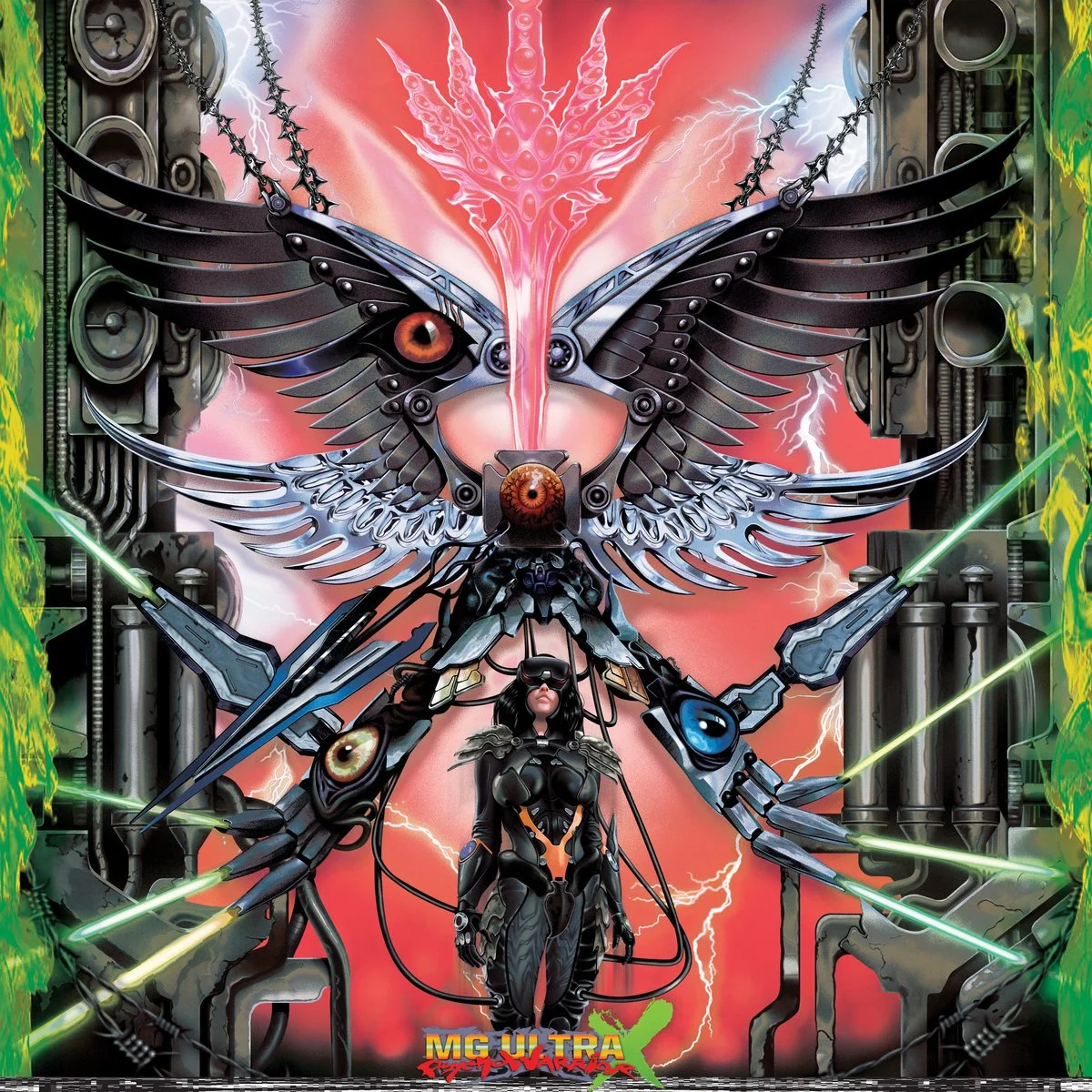
Though they are perhaps best known for the aforementioned Wlfgrl, released over a decade ago - it was only until the COVID era of 2020 that they found a solid foothold in the mainstream. Eye-catching covers, TikTok lipsyncs and Spotify recommendations found them occupying the same digital space as other similarly aggressively defiant acts like Death Grips or Atari Teenage Riot. But beyond the alien aesthetics, provocative lyrics and obscure film samples, closer inspection reveals a deeper, powerful ideology.
As their latest album’s first track title suggests, Machine Girl wants you to know that they don’t give a fuck. Away from the stage, they’re calm and soft-spoken - a far cry from the crowd-rousing, moshpit-inducing death screams of their concerts. Their catchphrase is “Fuck [insert person, object or concept that they don’t like]”. Each song is injected with protest, the ultimate expression of resistance, nihilism and non-conformity in the modern era.
But even with their insistence on a disregard for anything remotely establishment-related, there are still things they need to, in Matt’s words, give a fuck about. As all alternative artists must, Machine Girl has to deal with the reality of their success. Despite their hatred of the internet algorithms that control our lives, the corporations that profit off our addictions; the band owes much of their popularity to these ever-encroaching systems. But these challenges are perhaps what makes them so enticing in person - outside the digital space, live performances are filled with passion, intensity and fire. It’s a fervor that all audiences - regardless of nationality, age or ethnicity - can answer and identify with: the ferocity of opposition.
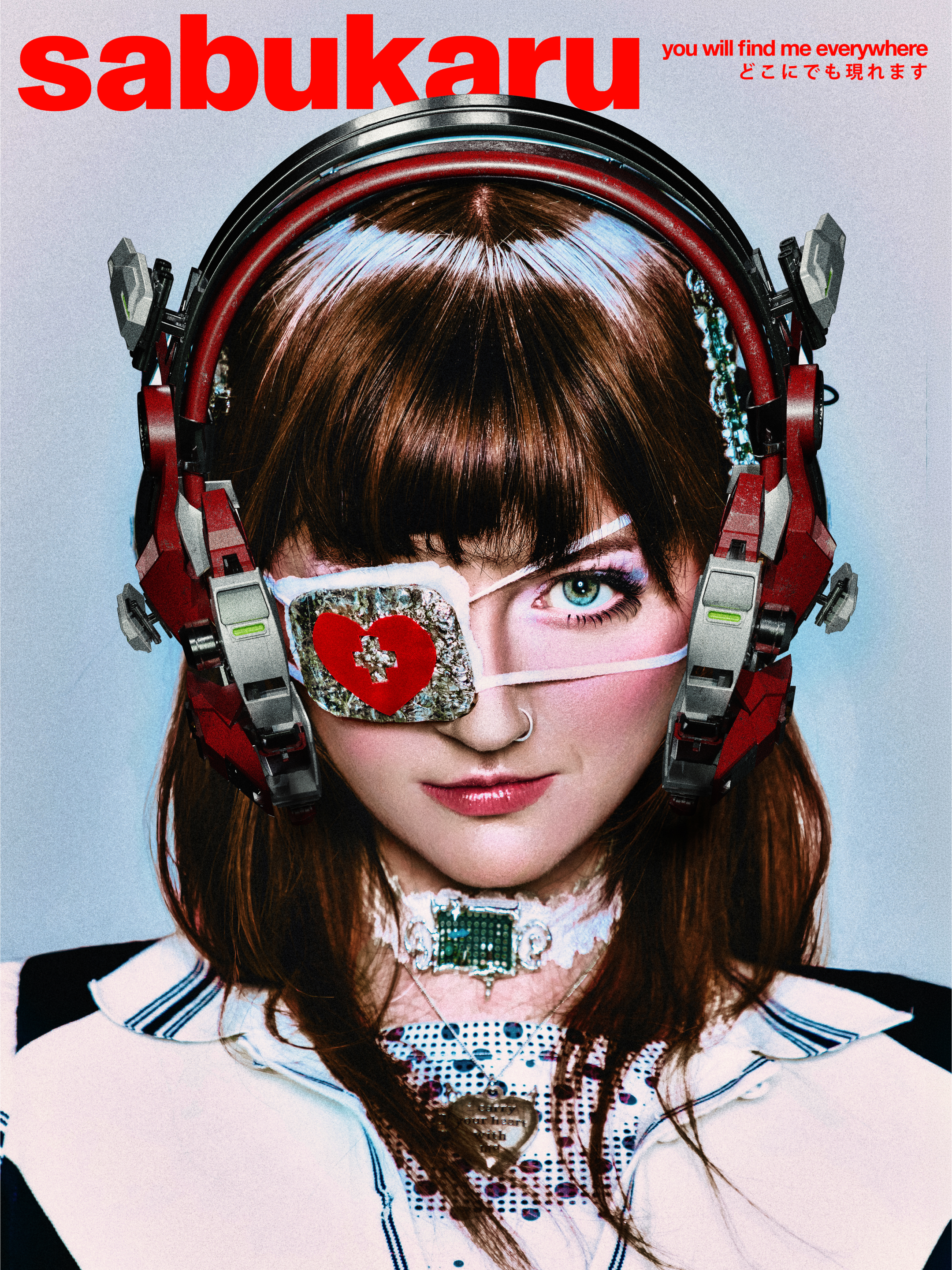
With them on tour in Asia for the first time in six years, sabukaru got the chance to sit down and have a chat with the punk icons of the cyberspace.
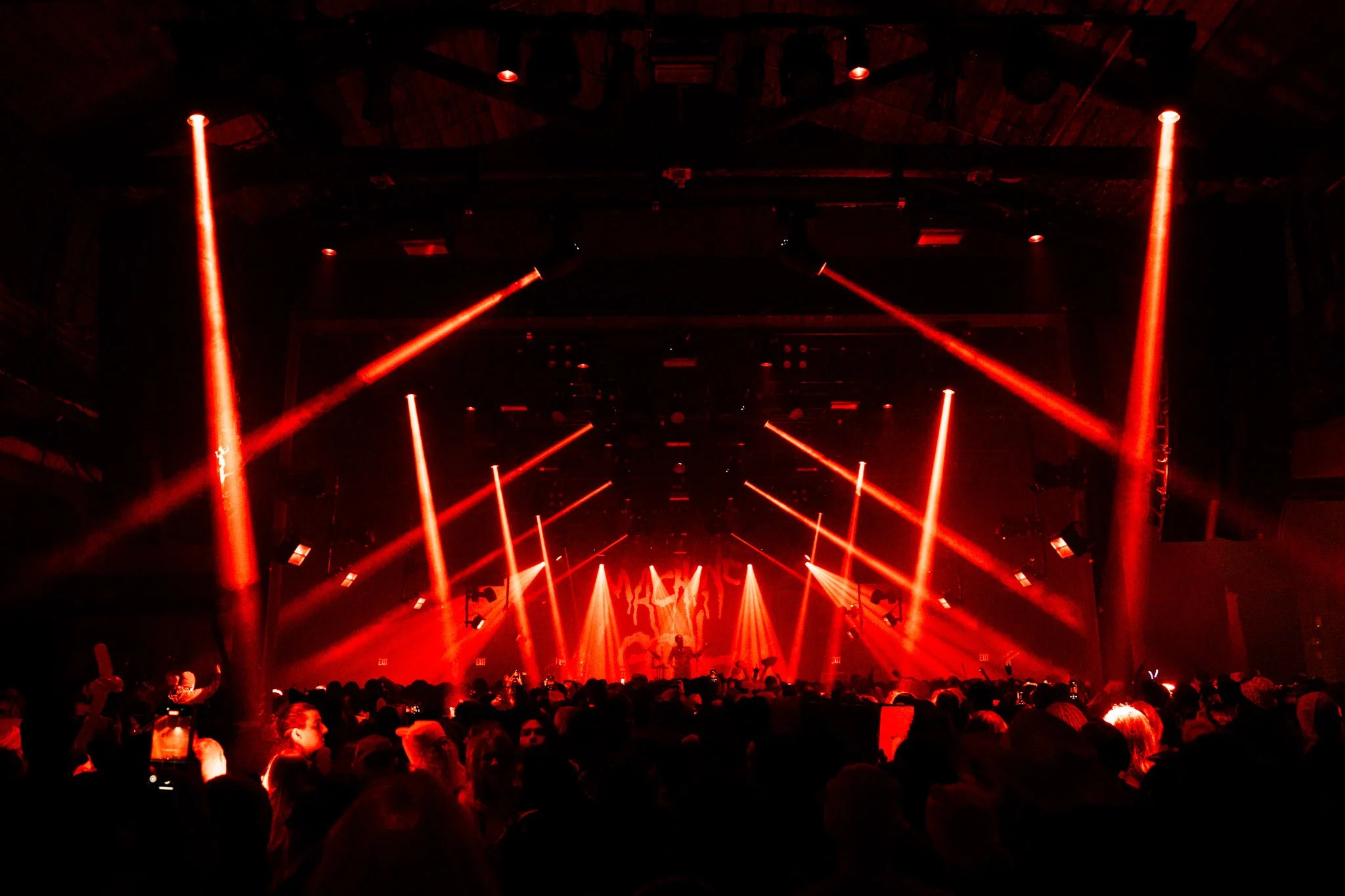
Hi Machine Girl, it’s a pleasure to meet you! For those unfamiliar, could you guys introduce yourselves really quickly?
Matt: Hello, we are Machine Girl. My name is Matt, and I play bass, I do vocals and all the computer sounds.
Lucy: I’m Lucy and I play guitar and do backup vocals.
Sean: I’m Sean and I’m the drummer.
This isn’t your guys first time in Japan - do you feel like it’s changed since your last performance six years ago?
Matt: Sean and I toured here in 2019 before COVID and we haven’t been here long enough maybe this time to see everything that’s changed - but one thing for sure is I feel like there’s way more foreigners. There’s a lot more people that are not Japanese walking around, especially in Shibuya. So, I’m interested to see what else has changed over the next couple days that we’re here.
Sean: Yeah, I think maybe last time I noticed a little bit more, like the salaryman culture - like business, finance - now it just seems a little more Disneyfied. Like it’s just tourist culture now.
Matt: Yeah, like less people pass out on the street.
Sean: Yeah, we saw.
Matt: Which is maybe a good thing, so…
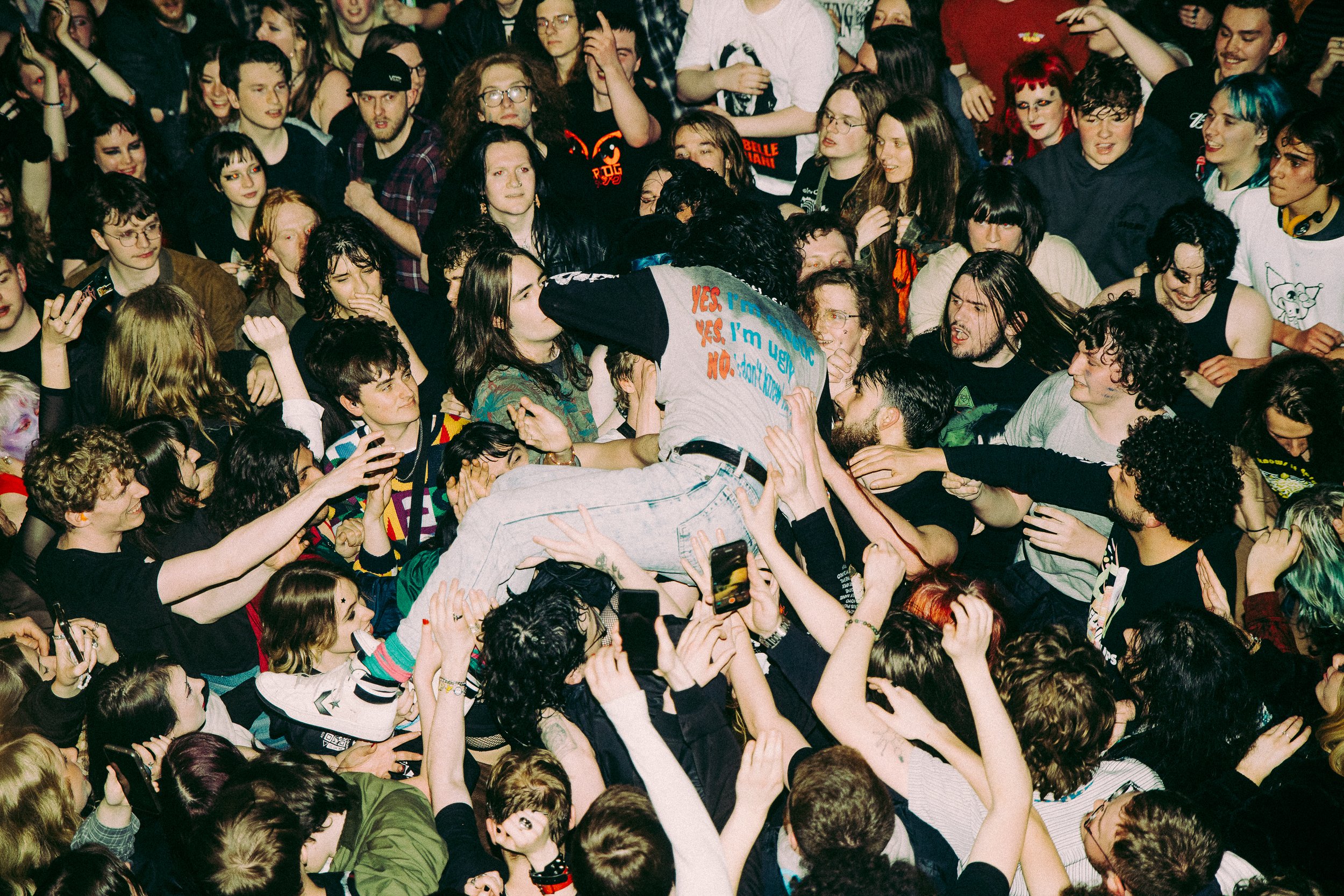
PsychoWarrior: MG Ultra X is an introspection into our “psychologically damaged culture and society”, and a resistance against these degrading systems. This fits very well into the Western environment that you guys are from - do you think these themes take on a different context in Japan?
Matt: I think that our newest album is - you know - relevant to Japan as it is everywhere else in the world. I don’t know how specifically different it is out here with the psychological warfare that’s being pushed on people from social media and bad actors like governments and big corporations like it is in the US. But I do feel like it’s global, y’know? I think that in a lot of ways, being out here in Shibuya and Tokyo - it’s like the physical manifestation of the ADD, fuckin’ brainrot that we all have. If our brains were a physical place, it would be a lot like this.
Lucy: Yeah. I would definitely say that Japan isn’t that much different in terms of the themes of the album. There’s a lot of technology here, probably lots of surveillance, and a lot of Western companies and influence culturally from the US weirdly. In terms of global politics, conspiracies are moving that way. But, there’s definitely not as much propaganda, like I don’t feel like I’m in the American bubble right now. I feel way less stressed out than I do in the US, so I will say that.
Sean: There still seems to be an unfortunate wave of conservative Japanese politics - either trying to glorify the past or bring about some sort of national, imperial identity or something. There’s definitely a lot for Japanese people to rebel against, it’s pretty similar to the album’s themes.
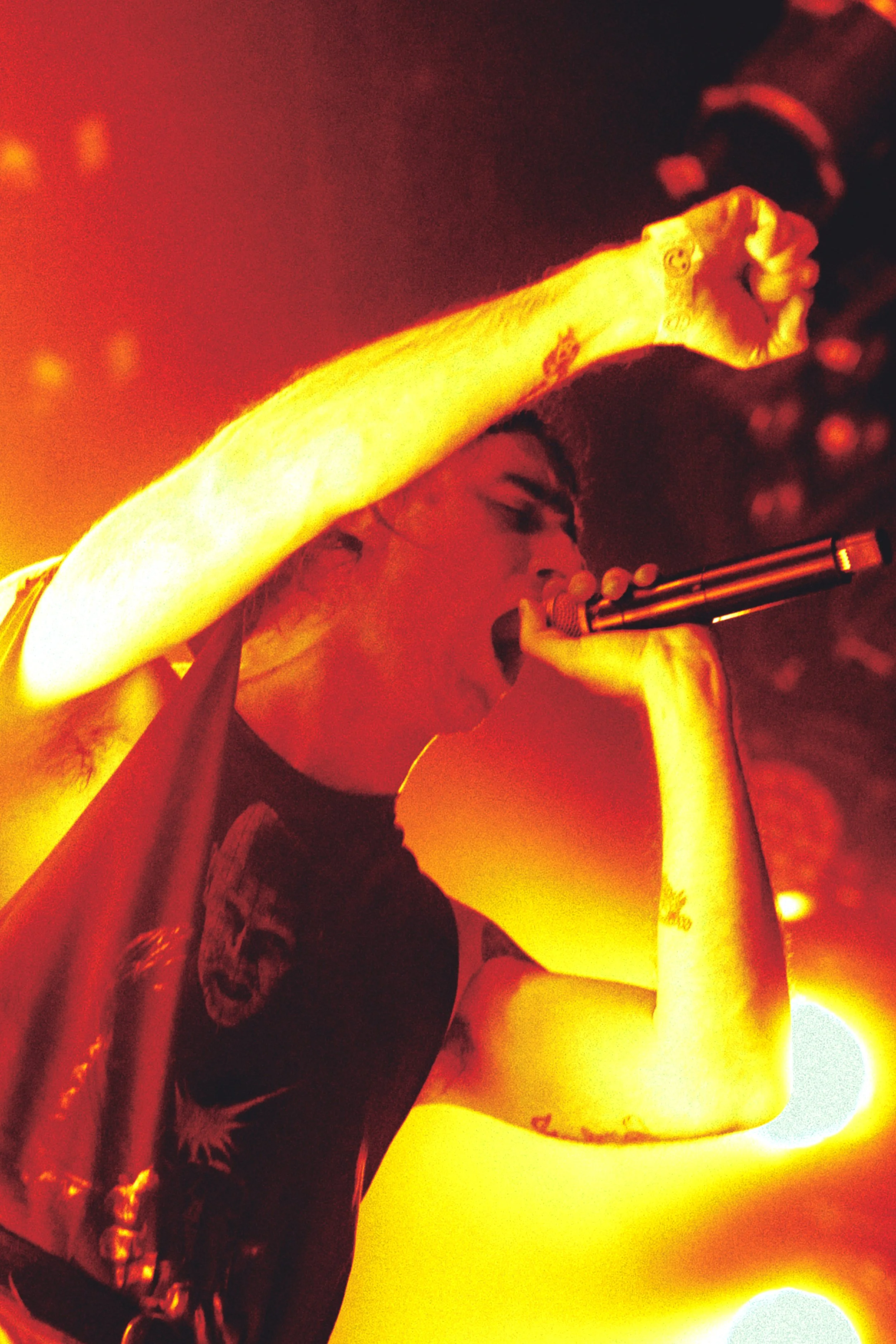
You do mention social media as one of these degrading systems. But, it’s really been such a part of how big you guys have become today - how do you feel about this kind of contradiction, where social media lets you spread your art but you also is a sort of antithesis to culture?
Matt: Machine Girl has a complicated relationship to social media. We undoubtedly owe some of our career and success to it. But at the same time, I do believe it’s a net negative for humanity. It's done great things for the Machine Girl career, and by association - great things for us financially, but it's done terrible things mentally and spiritually.
Lucy: Yeah, it’s a complicated issue in my opinion. Because like Matt said, that’s how a lot of people found Machine Girl. But at the same time, if there were an alternative that was just as good as the mainstream platforms but not owned by all of these corporations that do horrible things then we would jump on it probably. So we’re hoping that one day maybe there’s a better alternative, so we can disconnect.
Matt: Fuck Mark Zuckerberg.
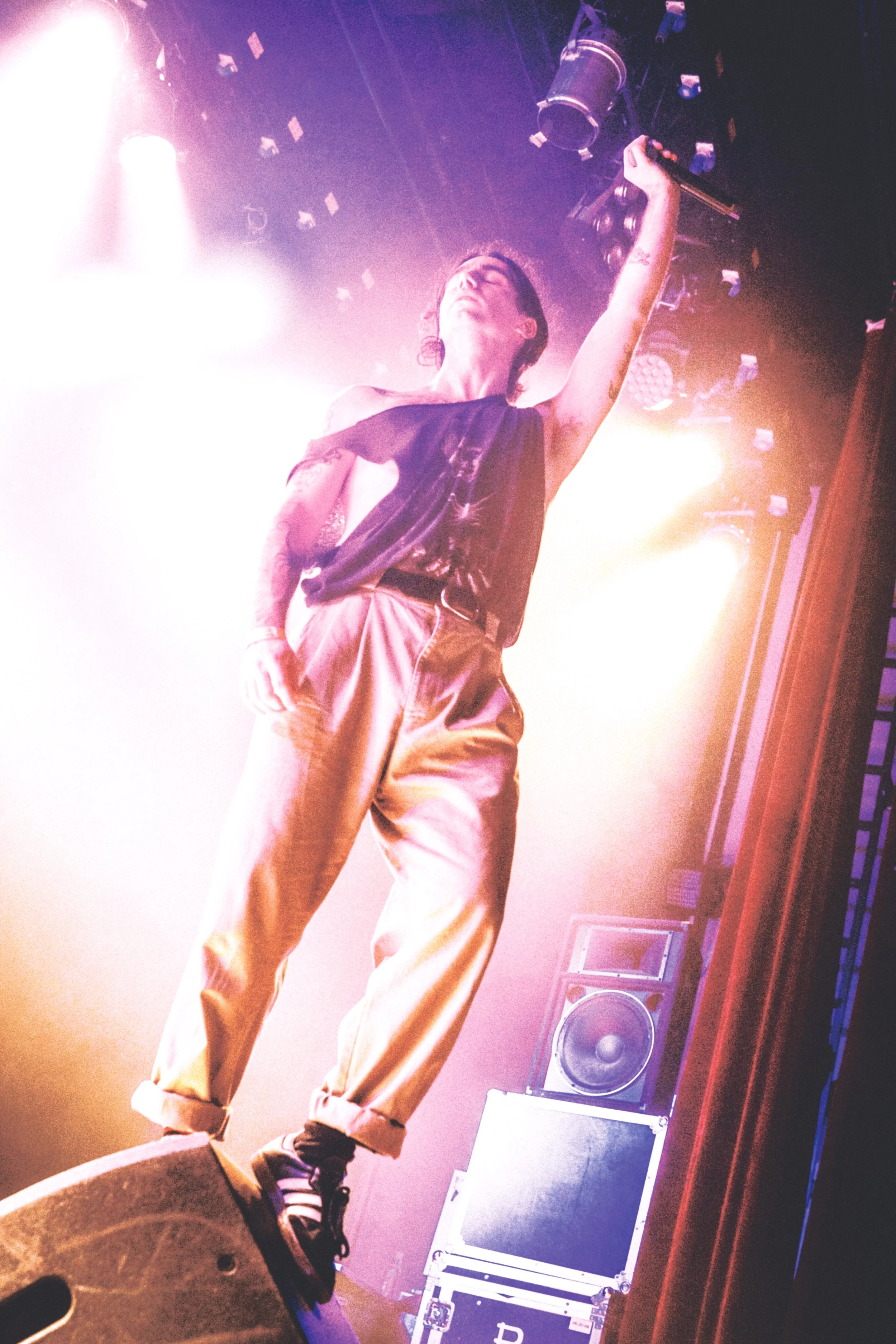
Matt, you’ve mentioned before that you were really anti streaming service, then money got scary, you blew up - do you think this fame has altered Machine Girl’s creative process? Do you ever think to yourself - fuck this industry, I’m going back?
Matt: Streaming is another thing that is kinda complicated, because I was very very anti-streaming for the first 5-6 years of Machine Girl, and then in 2020 I finally put my music up on streaming and that was when we had a big jump in our fanbase. But, I do think that a lot of the streaming services suck, are evil and bad for music like social media is for socializing. So, yeah, I daydream about saying fuck it and taking shit off of streaming. Or, when I make new music - not putting it on streaming, just on soulseek or bandcamp. Or Nina Protocol - that’s like a cool new kind of hybrid thing that’s artist friendly. So in the future, it won’t always be Spotify and all that shit.
Sean: It is unfortunate that especially in the States, Spotify is still widely used. Even the most passionate music lovers of all ages are almost exclusively using Spotify. I still want to reach people, I still want people to hear it - but I also want to set a good example to try to do something different. So we’re stuck - and it’s similar to social media in general. Even a regular person feeling pressured to post on Instagram, try to make friends, musicians being pressured to release on Spotify to reach people. Everyone’s kinda stuck right now. It’s hard.
Lucy: Also with Spotify, we’ve talked about how the metrics are really annoying and not indicative of how good or popular an artist is. That has really affected us and who we want to play with in some sense.
Matt: Fuck Spotify!
Lucy: If there were an alternative that had just as much reach, I would love that - because that’s really the issue. Especially for a band that is at our level, where we’re like a mid-level band - it would definitely hurt us to not be on there. It’s a double-edged sword.
Matt: Yeah. The moment we blow up for real, I’m taking all our shit off. As soon as I buy a house, I’m taking all our shit off Spotify.
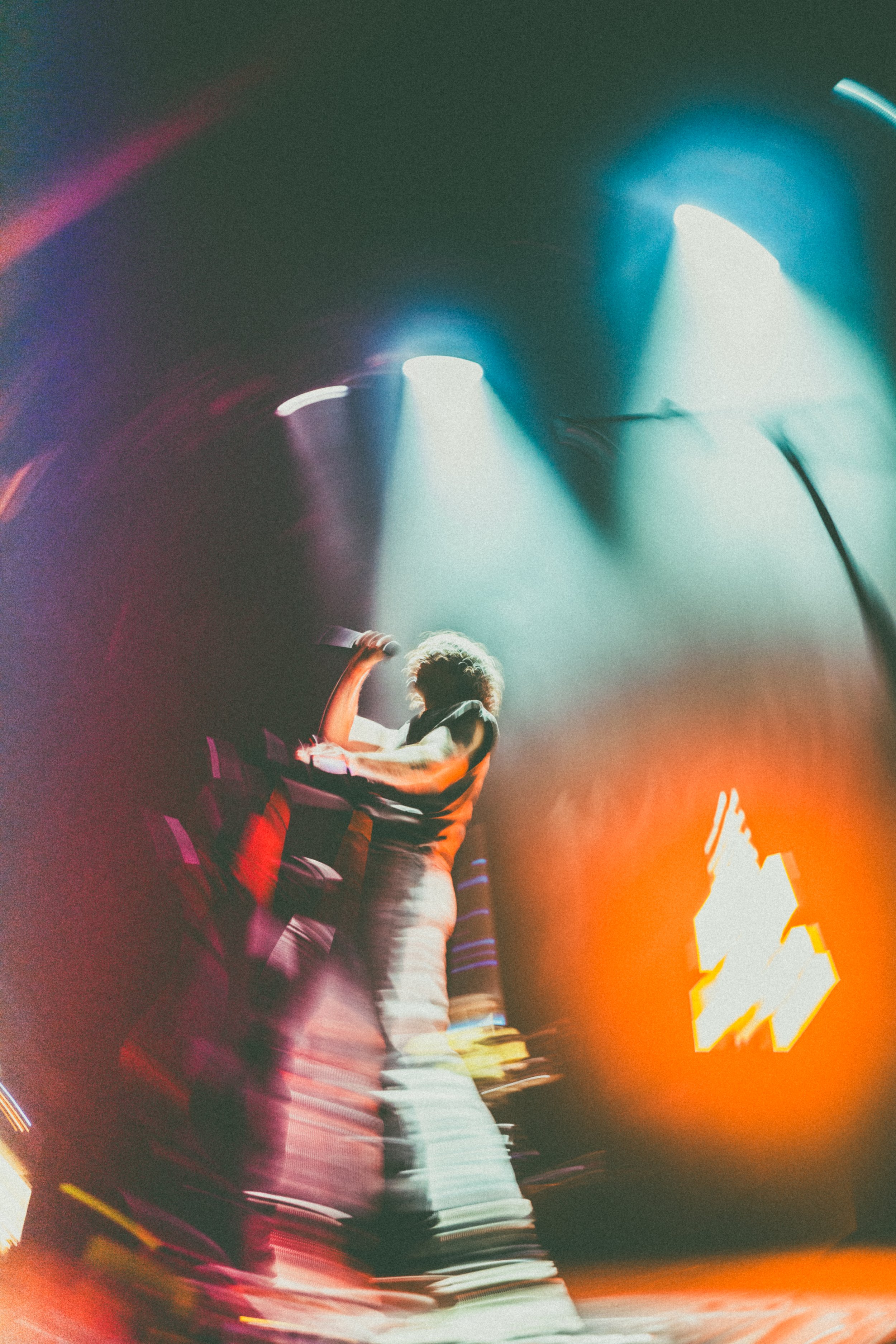
So much of your guys’ auditory and visual aesthetic is inspired by Japanese culture - could you give us some insight on why that is?
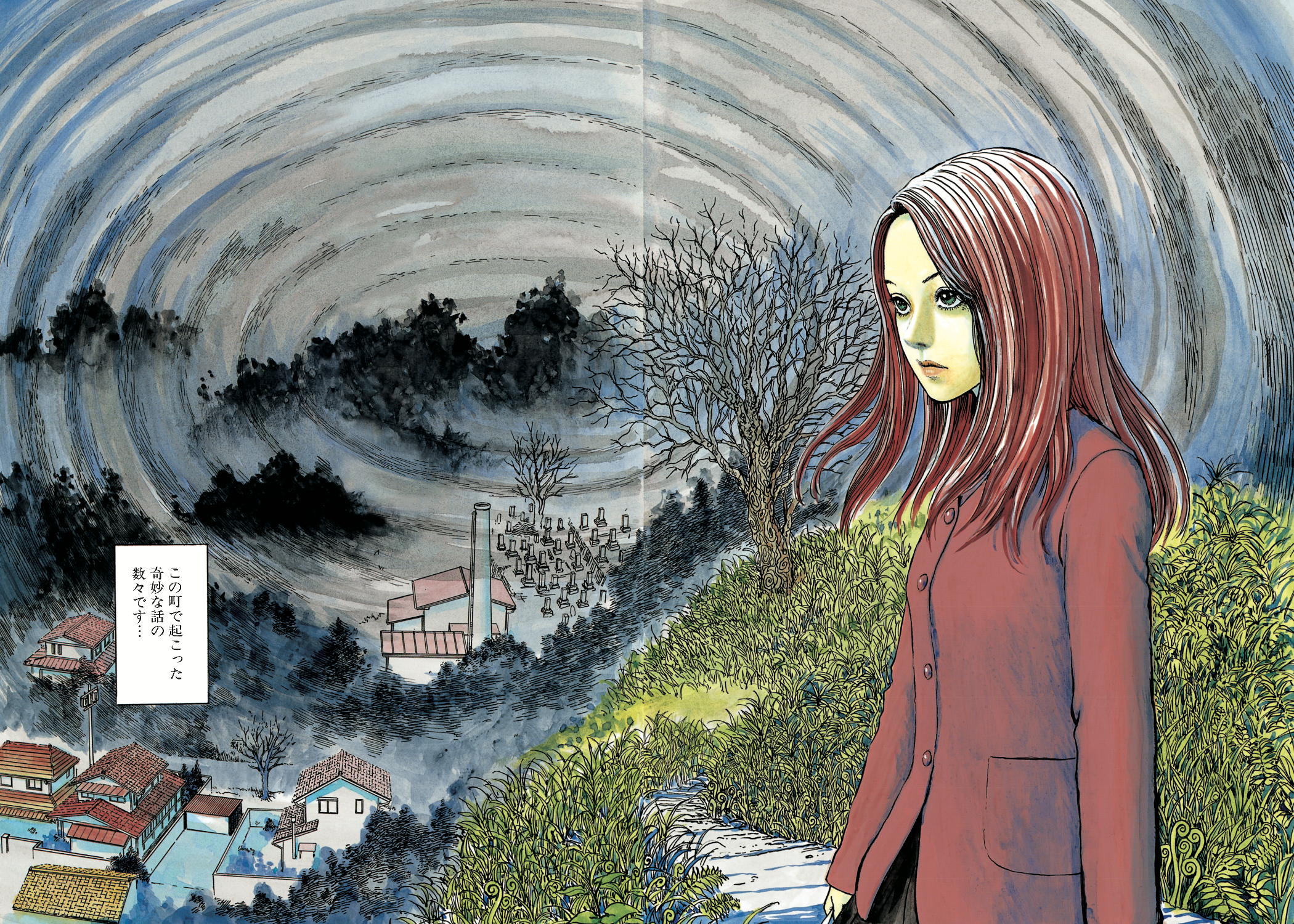
Matt: It’s been a huge influence on Machine Girl since the beginning. I got the name from the Japanese movie Machine Girl. Ever since I was a kid, I grew up watching anime - I remember seeing Dragon Ball for the first time and thinking “What the fuck is this?” It was the coolest thing I’d ever seen. That was back in the 90’s, and growing up with Japanese video games and so much of Japanese culture gets exported to America. For whatever reason, aesthetically that stuff always drew me in. Especially the anime and horror stuff from the 80s, 90s and 2000s. It was a very cool opportunity to work with the manga artist for FREQ, that was a really cool project to get to work on it and be the first artist to put out music with them. I haven’t seen it in person, but I really hope to be able to soon.

So, how does it feel to actually be in Japan? How does Shibuya compare to, say, NYC’s Times Square? What inspirations do you get in a place so far from home?
Lucy: I’d say even though Times Square shares a lot of vibes with Shibuya and Tokyo, it’s definitely a lot cleaner here. I think New York is a lot more rough and tough around the edges, grimier. I’d say people are a lot louder and obnoxious - not always in a bad way - but that’s just how the city is. We really like it here, I really enjoy how clean it is and how the technology is definitely more advanced.
Sean: I think people here are much more respectful and less judgemental - it’s pretty amazing to see a more dense sidewalk experience where I just don’t feel claustrophobic even though there's more people. The city just seems to work better - the whole country seems to work better than ours.
Lucy: I’d also say there’s no honking here compared to New York. New York is really bad with the honking.
Sean: New Yorkers love honking the horn, it’s honestly pathetic behavior. Please stop doing that shit.
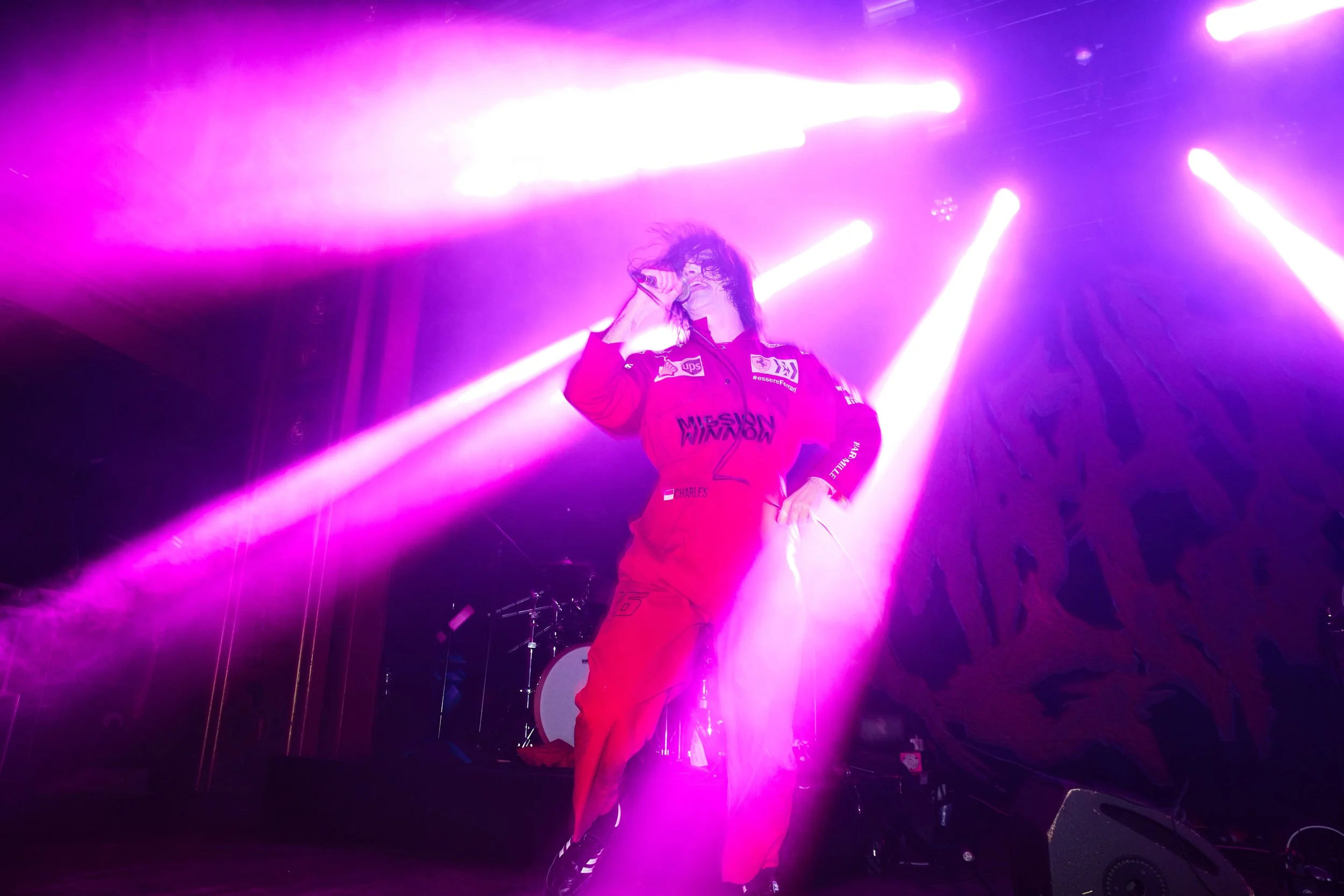
There are a lot of cultural differences, of course. Punk, industrial, hardcore - these kinds of movements take on a very different context here in the East. You’ve sajd you kind of try to ‘provoke’ your audience. During a live concert, do you find yourself approaching performance differently?
Matt: I think the audiences in Japan are pretty crazy like they are in the US. The last time we played in Tokyo, our main show at WWW - it was a crazy moshpit but on different levels. People were falling all over the place - some poor girl broke her leg and apologized to us on Instagram later. Which I feel bad about. But I don’t really know how much provoking they’ll really need tomorrow night and in Osaka because we have Melt Banana - the legendary Japanese punk band - playing with us. Hopefully the audience will know the vibe and be ready to go fucking crazy.
You guys have done a lot of interviews, and a lot of them ask you about all the usual stuff - what genre you guys are, labels, all that. But they all kind of box you into ‘alternative’ - for yourselves, do you think Machine Girl is alternative?
Matt: Machine Girl can be accurately described as alternative because it’s kind of alternative to electronic music and rock and punk and stuff. I’ve described in interviews Machine Girl being music from an alternate dimension, and that’s something I think about when I make music. So I think an alternative is very appropriate.
Lucy: Yeah. I think that alternative is a perfect umbrella term but beyond that - Machine Girl is quite literally a cyberpunk band. Not in the synthwave way, but in the punk way. That’s what we always talk about, and we get a lot of comparisons or people looping us in with digital hardcore like Atari Teenage Riot. We don’t really think about that kind of thing very much, but alternative encompasses all that.
Sean: It’s also a multi-genre band, so I’m ok with certain umbrella terms like alternative - I think that’s pretty cool.

If it was possible, would you want more artists to sound or process reality like you guys do? Is Machine Girl for the entire world?
Matt: I think everyone in the world should listen to Machine Girl. The world would be a more honest place of people - everyone being fucking crazy. Cause’ everyone is fucking crazy, especially with our music, art and movie taste - people try to act like they’re sane and have their shit together. But we know you don’t. Nobody does. Machine Girl is music for people who don’t have their shit together - that’s everyone.
Lucy: I was gonna say yes as well. But simply for the fact that it would annoy people that we hate and hopefully make their head explode or something - and the world would be better off without those people.
Sean: I’m gonna be contrarian and say no. Cause’ it would make us some enemies.
Matt: Enemies are good. [laughs] Machine Girl is all about making enemies.
Then, what’s something you wish an interviewer would ask you?
Matt: I wish an interviewer would ask me…how are you? What’s going on? Just talk to me about my feelings, how life is going, how annoying and stressful it can be to try to maintain an artistic career in the age of social media. It's very mentally exhausting, but I don’t want to complain because, y’know. There’s worse scenarios.
Sean: I was gonna say to ask us about our pets or something. But maybe to ask us about Long Island and our hometown - how deranged and strange it is. Nobody ever asks us about that, that we aren’t actually from New York City. We’re from outside in the suburbia; it’s like the first suburbia ever built. It’s a very weird place that we spent the first half of our lives in. Aside from Lucy, of course.
Lucy: I’m from Florida so that has a reputation of its own. But for a question, maybe about the negative sides of touring. There definitely are quite a few. It’s hard to manage personal relationships and it’s very mentally and physically taxing. And also, what my favorite candy is. It’s Reece's Pieces.
Thank you Machine Girl!