EDM GODS: An interview with Swedish House Mafia
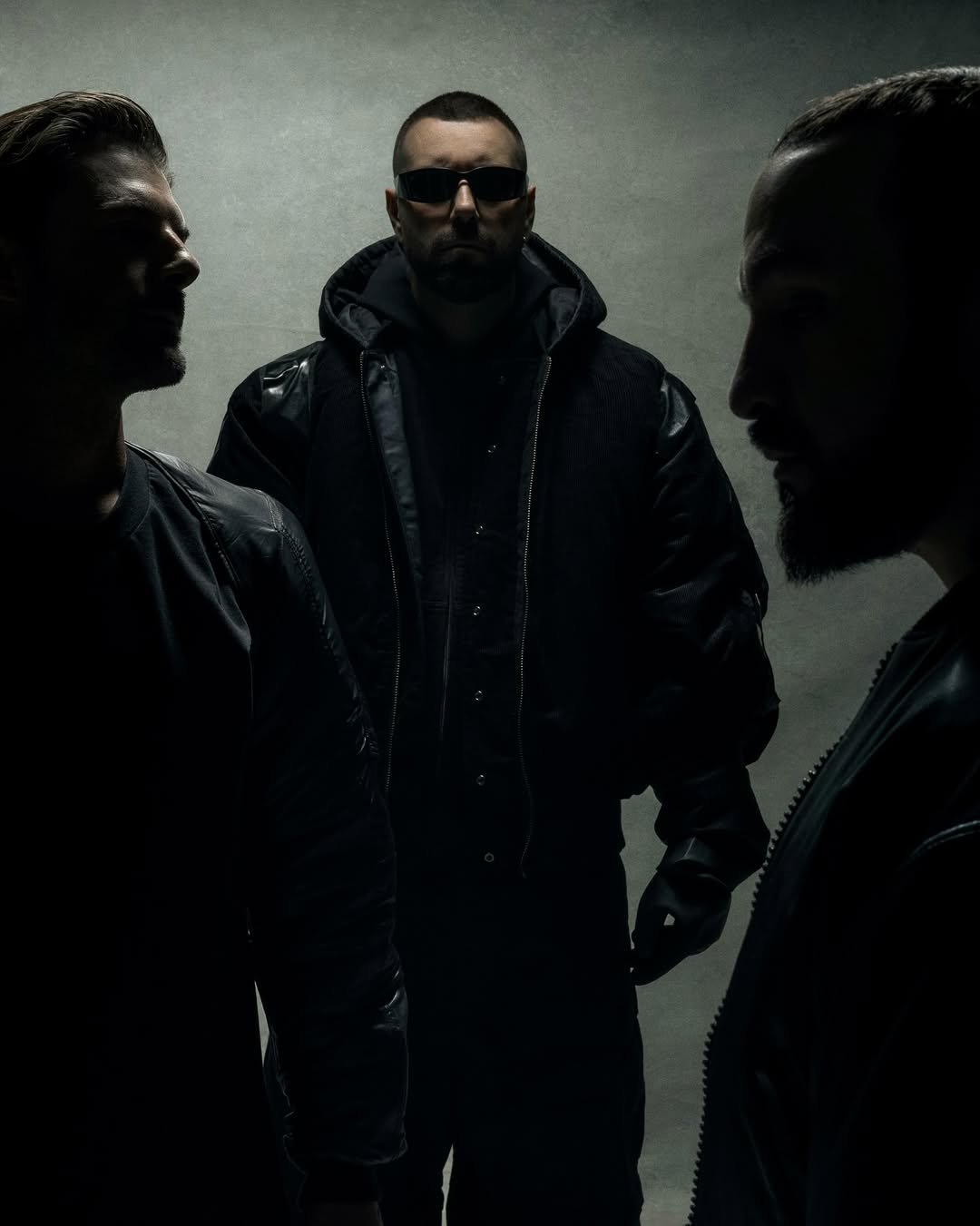
Swedish House Mafia is a Swedish house supergroup consisting of Axwel, Steve Angello, and Sebastian Ingrosso. They helped bring progressive house into the mainstream around 2009 and 2010 alongside Avicii, defining a sound that rose from the underground and shaped a generation of electronic music and changed the game forever.
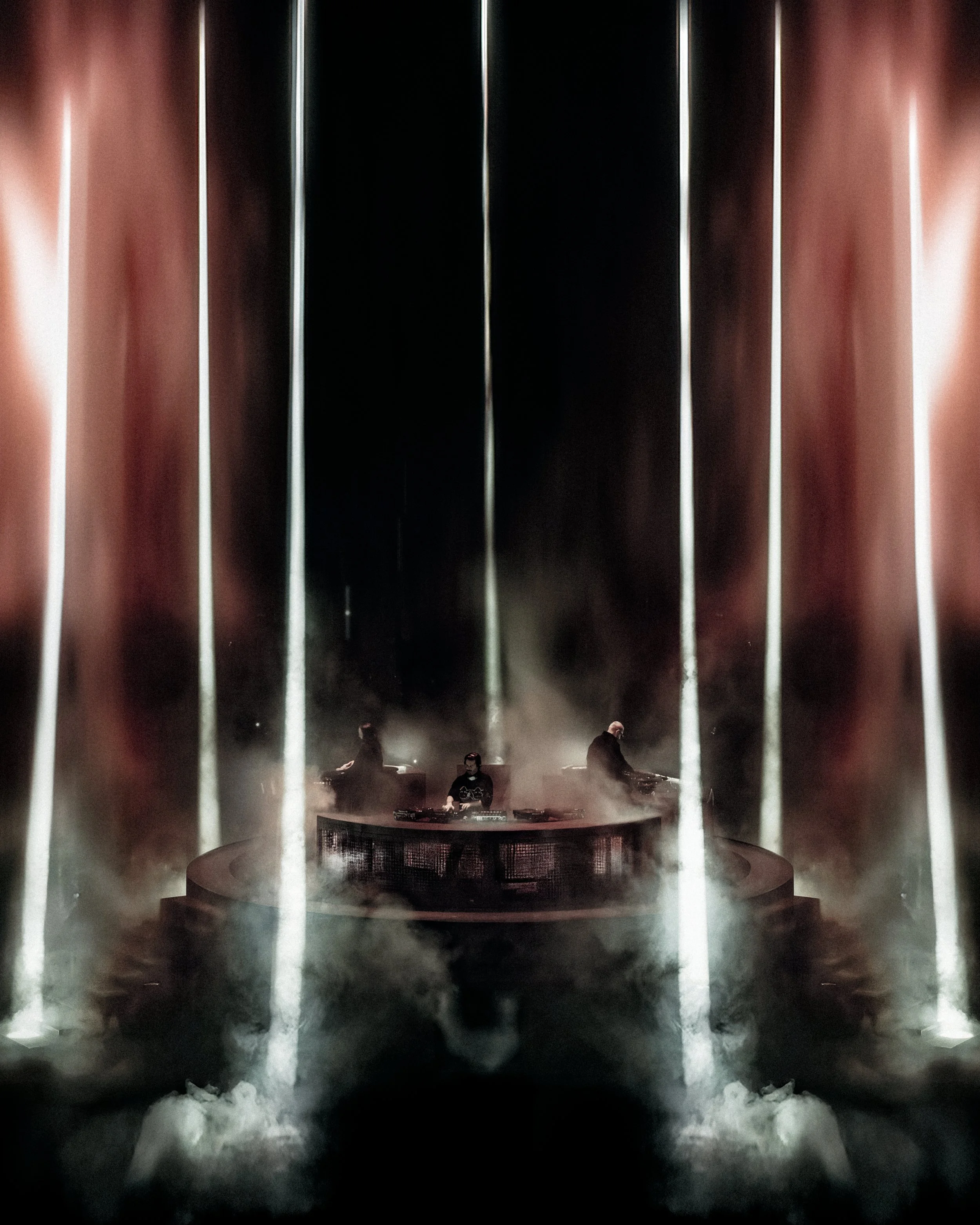
Photography by @clem.protin
Entering 3.0, the third era of their history, for them, coming back was never about nostalgia or trends. It was about doing the best possible high quality music being listened to out there. After years of building one of the biggest machine monsters in dance music, they are returning with a sharper vision, making more deliberate choices about the music, the shows, and the worlds they create around them. 3.0 is about curation, from the cities they play to the way each performance is experienced.
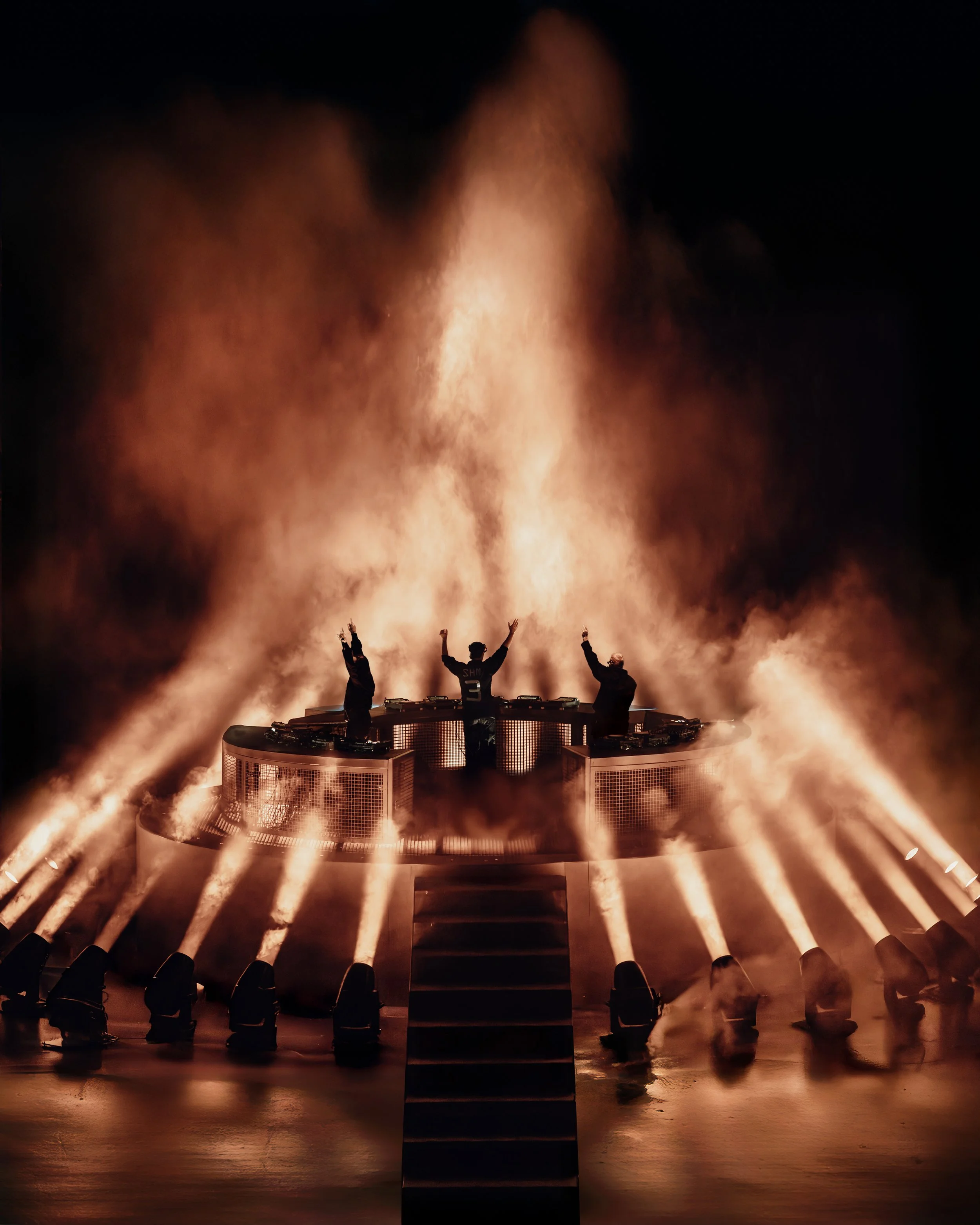
sabukaru had the chance to meet the supergroup backstage on their first gig ever in Japan, on the next day we met again with Steve Angello to have a proper conversation in depth.
INTERVIEW
During your years apart, was there ever a moment when Swedish House Mafia almost came back but didn’t?
Steve Angello: I think the fans never stopped talking about it. Every show, every time you played a Swedish House Mafia song during a solo set, it always brought up the same energy: “You guys have to come back.” They kept the fire going from the day we split until the reunion. The most important thing was that we all felt it constantly. It was really just a matter of time before we came back together.
In terms of creative process, what’s the difference nowadays compared to the beginnings of SHM?
Steve Angello: The first time around, you work incredibly hard to build something. You’re building a brand, playing hundreds of shows every year, creating this massive machine. At some point, you can lose perspective and direction.
When we decided to come back, we were very clear about what we wanted to do. That has a lot to do with confidence. You know what you’re after, what kind of shows you want to play, how big the production should be. You’re more focused, more precise.
This time, the choices are more mature and much smarter. That said, we’re still crazy.
What about the subtle difference between SHM 2.0 and SHM 3.0?
Steve Angello: It’s all about how we approach things. We don’t just play shows for the sake of playing shows anymore. Everything is curated. Which cities do we want to perform in? Which countries do we want to visit? If we go to Japan, what comes next?
We’re always thinking several steps ahead. Life is different now, and the choices we make reflect that.

How do you work together nowadays?
Steve Angello: We can work individually on songs, whether it’s vocals, melodies, drums, whatever. Since we’re all in the same building, someone might come back from tour and say, “I did this, does it work?” Some ideas just sound like Swedish House Mafia to us. That’s the key.
There’s individuality from our solo careers, but when we come together, it becomes something very specific. I might have an idea that works on its own but doesn’t fit Swedish House Mafia. It might be too underground or too minimal. But when something truly feels like Swedish House Mafia and we finish it together, that’s when the magic happens

How do you approach disagreements within the band?
Steve Angello: Disagreements are necessary. It depends on what the disagreement is about. Sometimes it’s not about quality, but direction.
Once we all agree on something, it becomes very specific. When it works for all three of us, that’s a Swedish House Mafia record. There are ideas we’ve worked on individually or as duos that don’t fit the group, and then we release them separately. It’s very clear for us.
Do you have a specific method for deciding on things?
Steve Angello: It’s simple. We play the music loud and feel the vibe. Someone might bring in a demo and say, “I was thinking about Swedish House Mafia.” If it has the right energy, that’s the deciding factor.

How does it feel to be a multigenerational act?
Steve Angello: There are three generations now, which is wild. When we play stadium shows, you can see it clearly in the data. The largest group is young, around 18 to 23. Then there’s another group from 23 to 35, and a smaller percentage that’s older.
It’s beautiful to see people attending shows with their kids. We don’t plan our work around demographics, but it’s special knowing the music is attached to people’s life journeys.
To go from hearing a track in a warehouse 15 years ago to hearing it sung in a karaoke bar is bizarre, but in the best way possible.
Is there any artist or specific media SHM would love to experiment with?
Steve Angello: Right now, it’s more about curation. Exploring different ideas, different media, and potential collaborations. There are obvious musical collaborations, but visually, a Romain Gavras video would be mind-blowing.
We meet a lot of inspiring people when we travel, especially directors and artists in general. A Romain Gavras video for a Swedish House Mafia song would be incredible.
What are your thoughts on trends and the future of electronic music?
Steve Angello: Trends are usually very short-lived. We focus on quality music and don’t try to jump on trends. We’ve been around since the early days of dance music, so when genres loop back around, we’ve already lived through them and produced that sound before.
It’s interesting to see something become popular again when you were making it 20 years ago. For us, it’s more about revisiting and reworking our past rather than following what’s current.
“We’re aware of what’s happening, of course, but we don’t let it dictate how we make music. Trends move incredibly fast now. What felt new two or three years ago already feels old.”
I can play tracks I made 20 years ago today, and they still sound modern. That’s exciting, especially when you have such a large catalog. I love how fast things are moving and how younger audiences are rediscovering big EDM sounds, big synth leads, and that energy. When those sounds come back, I just dust off my old synths.
When I grew up, you could instantly recognize an artist’s sound. You knew when it was Chemical Brothers, Prodigy, Moby, or Aphex Twin. I think we’re coming back to that. Artists will be known for their individual sound again.
For a while, music became faceless because everyone was chasing trends. I believe we’re heading back to a time where you hear a track and immediately know who made it. The pioneers of each sound will always win.
Is there any electronic act today that really catches your attention?
Steve Angello: Fred again is doing an incredible job. He’s smashing it. He’s a genius when it comes to music and live shows, and he’s cementing himself in a very specific sonic space, which is very smart.
What would you be doing if you weren’t doing music?
Steve Angello: I’d probably be in architecture or design, or I’d be a bum on the street. I don’t know, it’s tricky. There’s a lot of passion involved. We love the creative side of things. Building shows, working on visuals, shaping the aesthetic, that whole world is something I really love and adore. So it would definitely be something visual.
From our side, it really started with being happy just living off making music. But once you start doing that, your dreams get bigger. Then those dreams slowly become reality because you’re working very hard. We’re still discovering things all the time and staying curious. We’re constantly building new dreams.
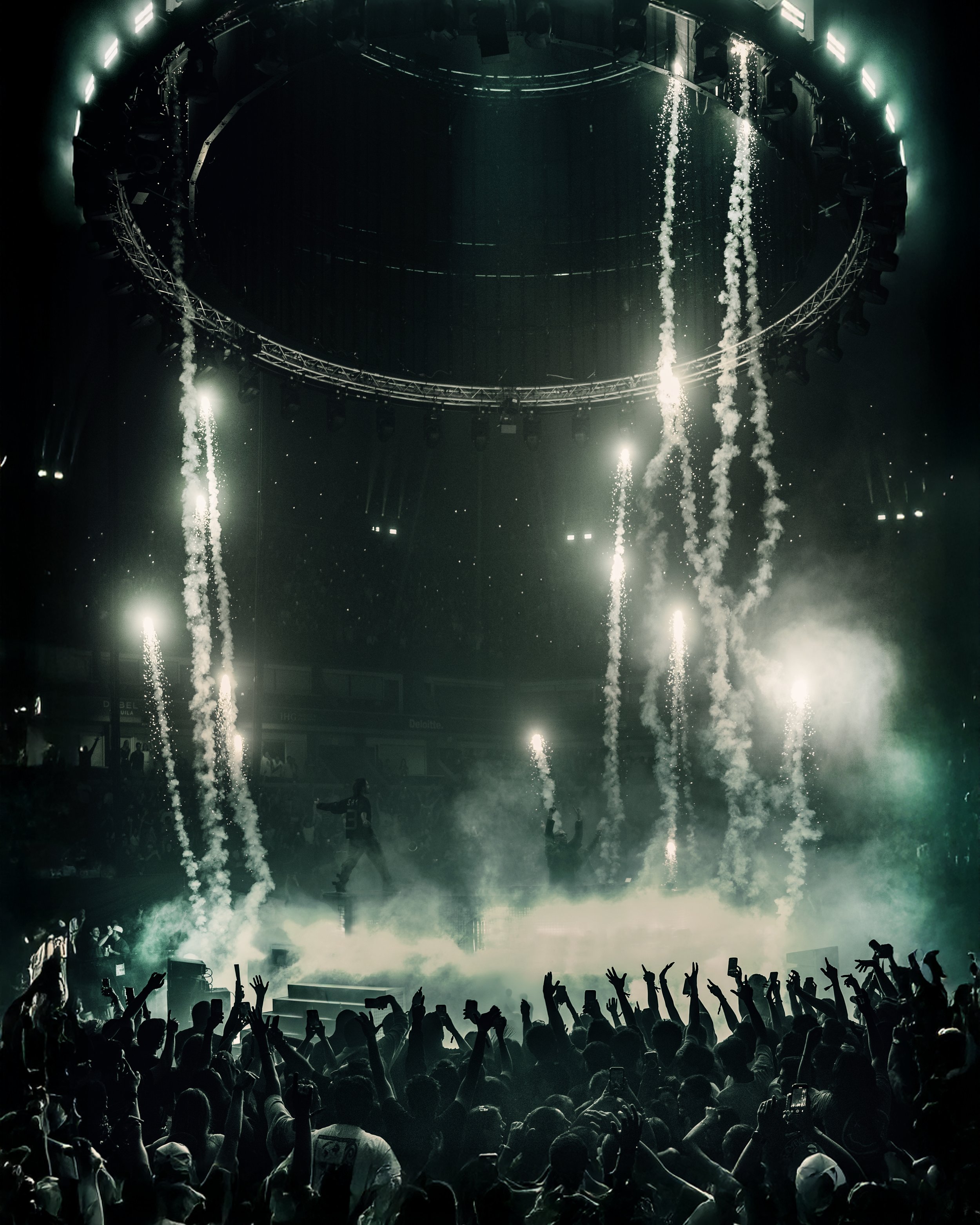
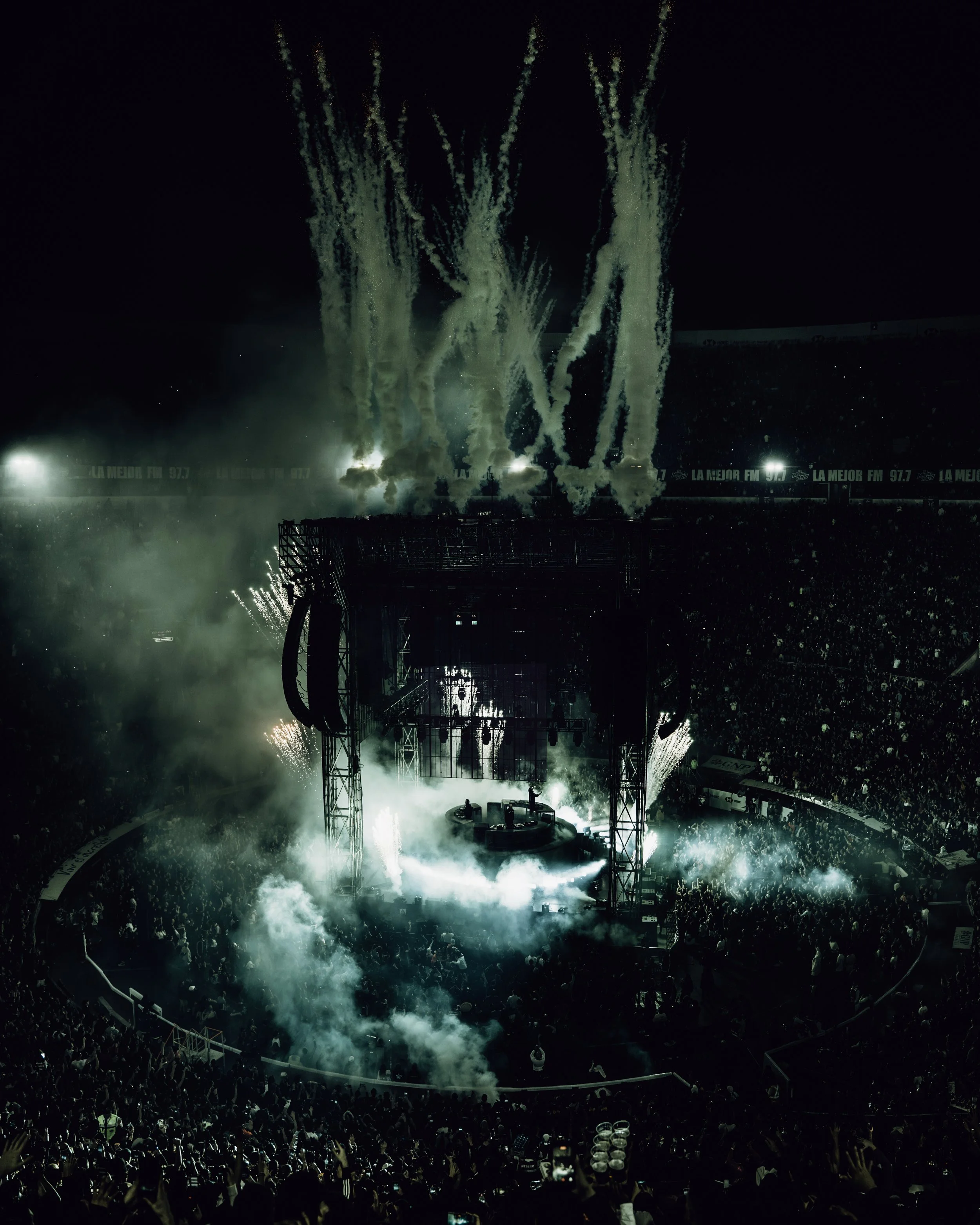
The Mexico show we just did was a dream. Even when something isn’t completely comfortable, it’s still exciting to push for it. Now we’re doing a special stadium show in Sweden this summer, which is another dream come true. Dreams change, but we’ll always pursue them.
That’s really our focus. Whatever we want to do, we give it everything we have. If we can’t get there immediately, maybe it takes two or three steps, but we’ll get there eventually.
Interview by Xavi Sosa