A Cute Pain
Hello Kitty is cute precisely because she has no mouth to express herself with. We’re meant to project our own emotions onto her, which makes her the ideal cute companion, according to Sanrio’s logic. Maybe Hello Kitty is in deep pain, but her lack of a mouth prevents her from voicing this to us. All we know is that she’s cute, and that we would like to attach a mini version of her on our Miu Miu dupes in order to express something about ourselves… but what if Hello Kitty could talk? What if we knew how much pain she might be in? Perhaps if Hello Kitty went to art therapy, it would look like this exhibit. Curated by Jiaoyang Li and presented at Accent Sisters, The Archaeology of Cute ✦ The Monument of Pain explores “cuteness” as a portal for rebellious and uncontrollable sensations which defy neatly outlined categories or diagnoses.
Even if Hello Kitty could speak, the exhibit reminds us of the futility of language. Mere words could never capture the full depth of emotion, especially when it comes to pain. In Shi’s hotel LovE, anonymous messages ranging from embarrassing wishes to intimate texts drift, glitch, and fade into one another on screen. Confessions which most people would hesitate to say out loud become part of a collective theater of intimacy, mediated through nostalgic digital aesthetics. The incompatibility between what is signalled to the world versus what one actually feels is illustrated in Sherly Fan’s Come play with me!, a candy-colored oil painting of an adorably grumpy white cat swaddled in a hot pink ribbon bedazzled with the rhinestone words: “Leave Me Alone !!!”, forcing the viewer to question how they should approach this cat, if at all.
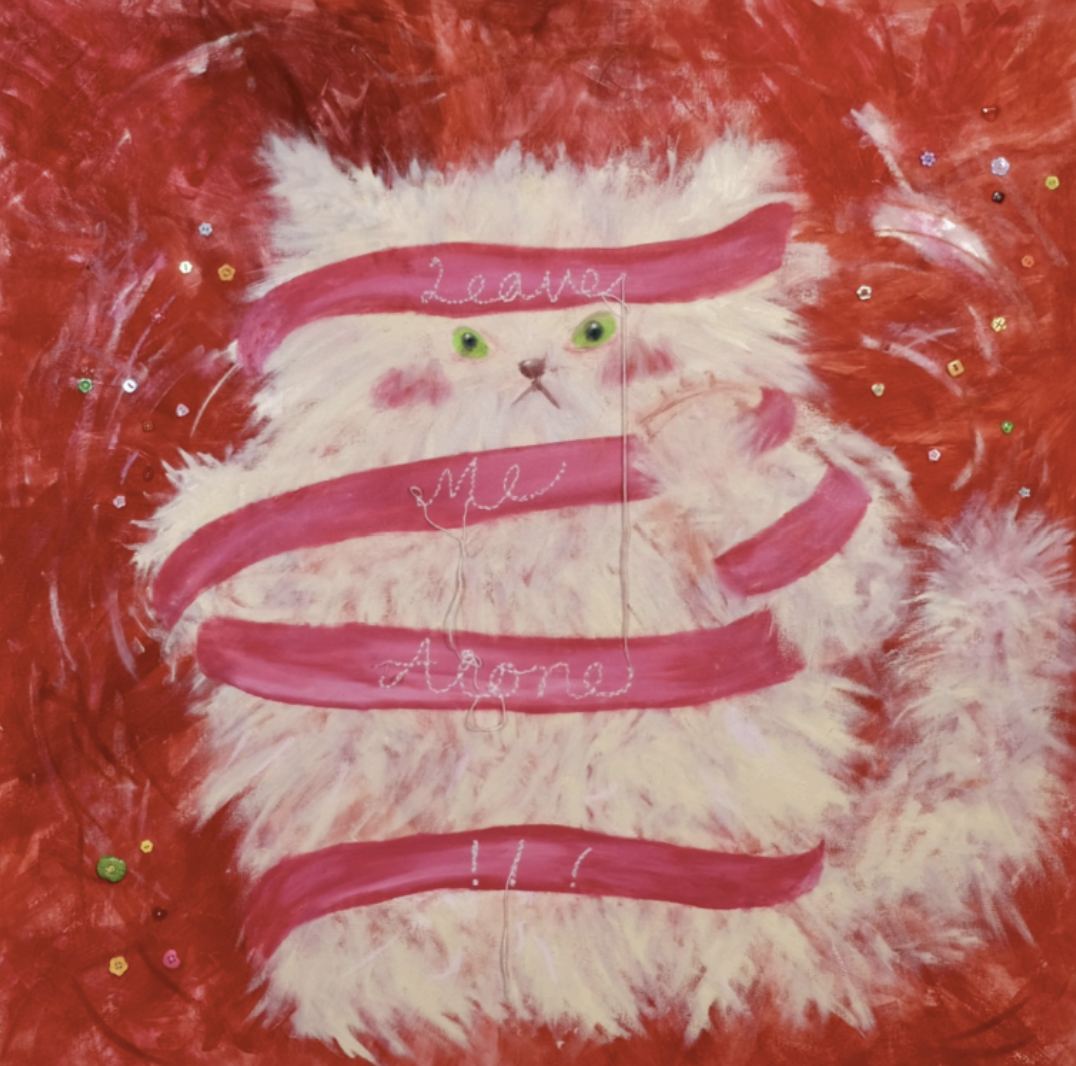
Sherly Fan’s Come play with me!
Liming Lin’s 혜인아, 네가 필요해. 李惠仁,我需要你。Hyein, I need you. has no spoken dialogue, with excerpts from Lin’s novel appearing quietly in the corner while the artist audibly sobs in front of the camera.
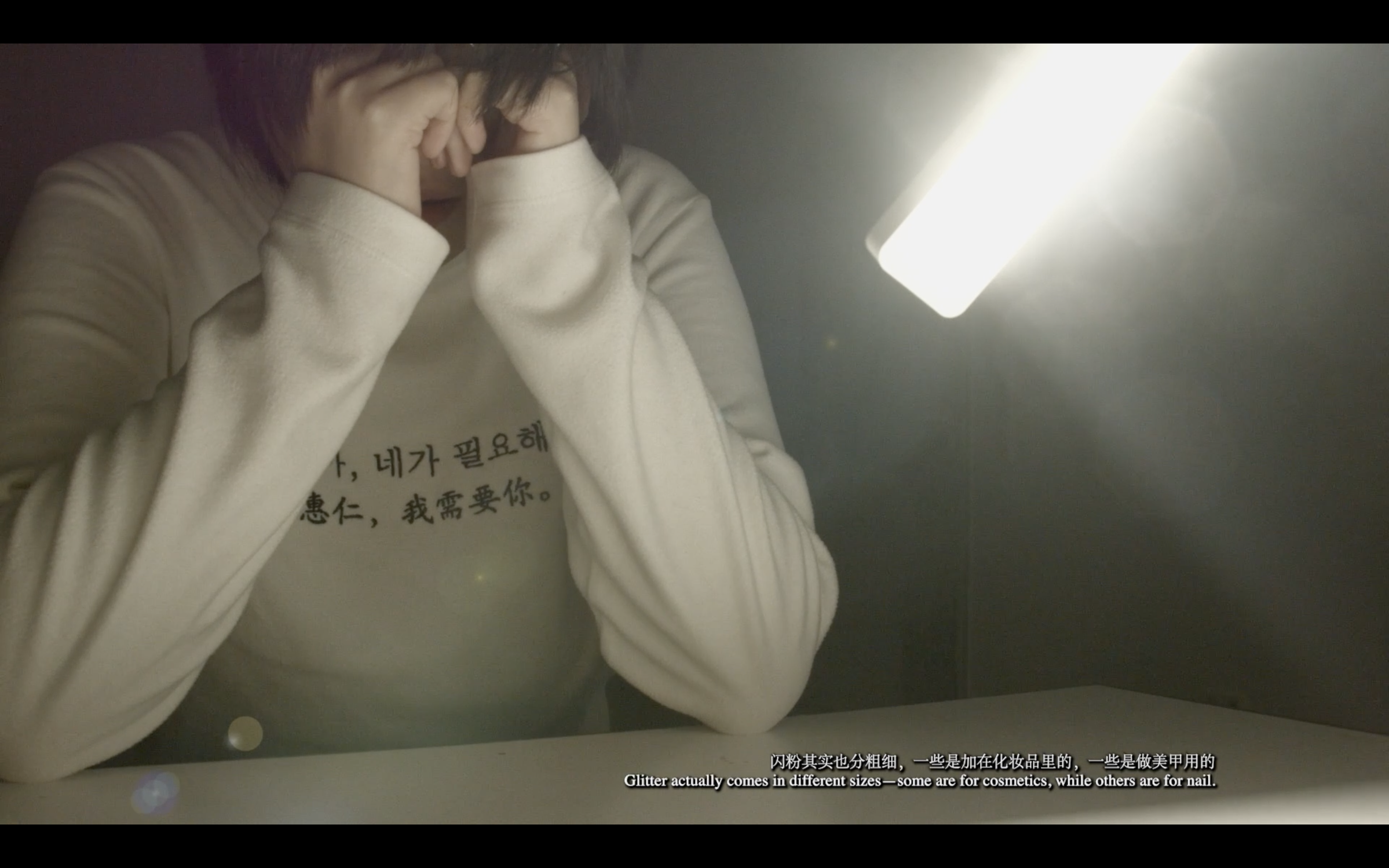
Liming Lin’s 혜인아, 네가 필요해. 李惠仁,我需要你。Hyein, I need you
Language is almost completely abstracted in Jingyi He’s So it’s just your empty words, in which beauty, desire, and love are expressed through images of blossoming flowers rather than written text.
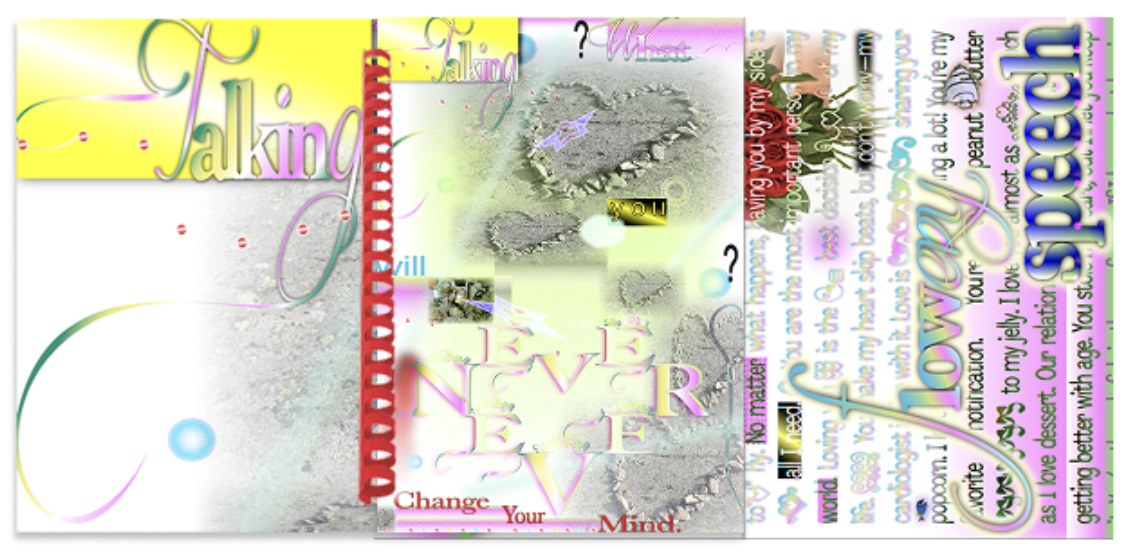
Jingyi He’s So it’s just your empty words
Similarly, Kumako chooses to express herself through the medium of music, likening feelings of romantic desire to an overwhelming and ravenous hunger in アマアマ饕餮ボンボン (sweet sweet Tou-Tetsu bon bon). For Kumako, the ultimate “love language” is putting the whole world into one’s mouth, as if it were a delicate dessert such as a bon bon.
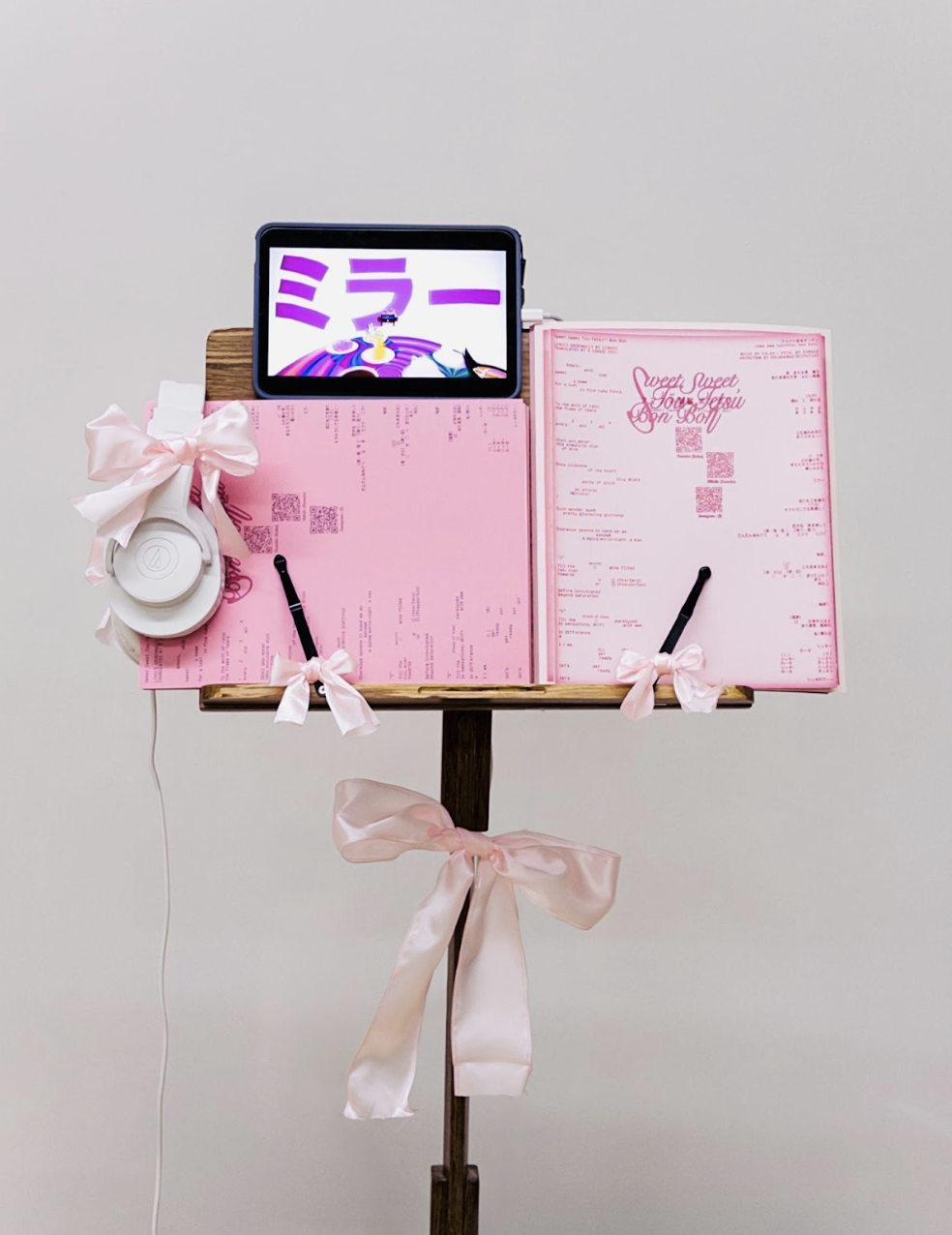
Kumako’s アマアマ饕餮ボンボン (sweet sweet Tou-Tetsu bon bon)
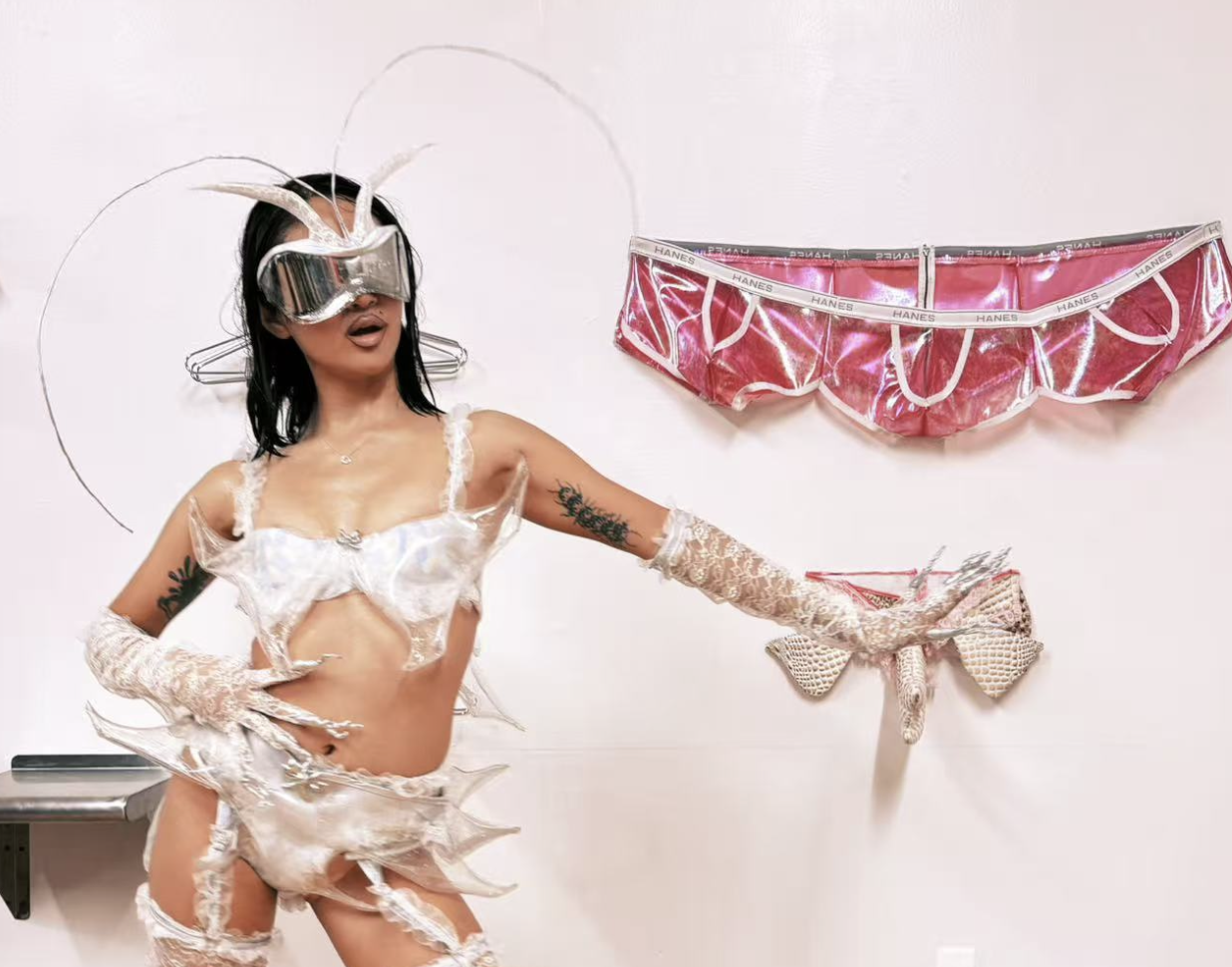
The conflation of desire with the monstrous is heightened in Lizzy Choi’s Sidon’s Clasper and #1 Mariah Carey Fan, which belong to the artist’s ongoing series of “alien underwear.” Frilly pink lingerie and dainty lace tights undergo strange mutations, resulting in scaly appendages and protruding horns that transform the once-familiar human form into something foreign yet fetishistic. Choi dons these sets of alien underwear during their drag performances, incorporating frenzied and expressive choreography which highlights the entanglement between pain and desire.
This relationship is explored further in Yang Hsu He’s Family Photo, a wooden cutting board with the artist’s family portrait transferred directly onto the surface. Yang then proceeds to chop onions, tomatoes, and pomegranates directly onto the board, creating moments of tension as the knife repeatedly falls upon the image of Yang’s parents and sister. For Yang, pain is linked directly to the distance that results from a rupture within a family unit, as well as the pain of nostalgia and its inherent longing for an impossible return.
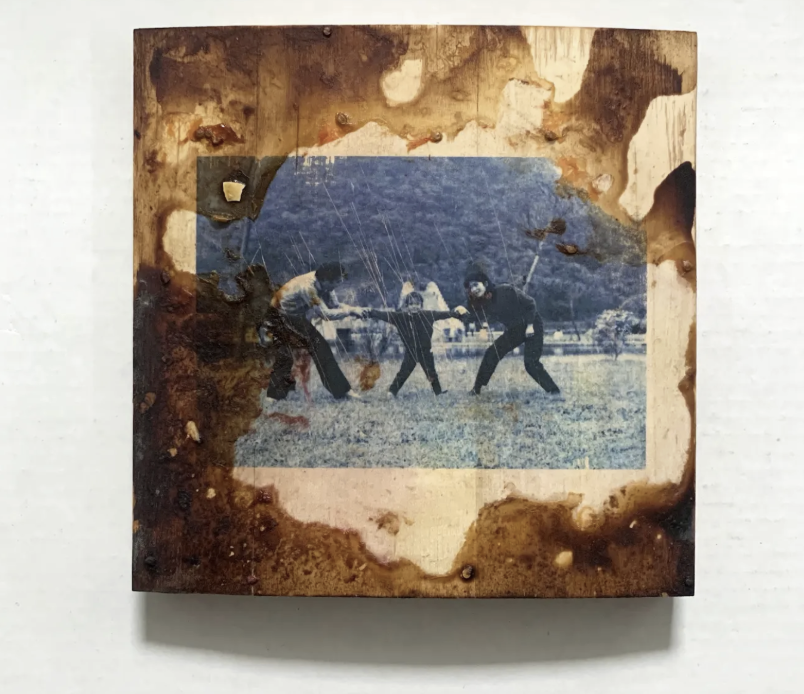
Yang Hsu He’s Family Photo
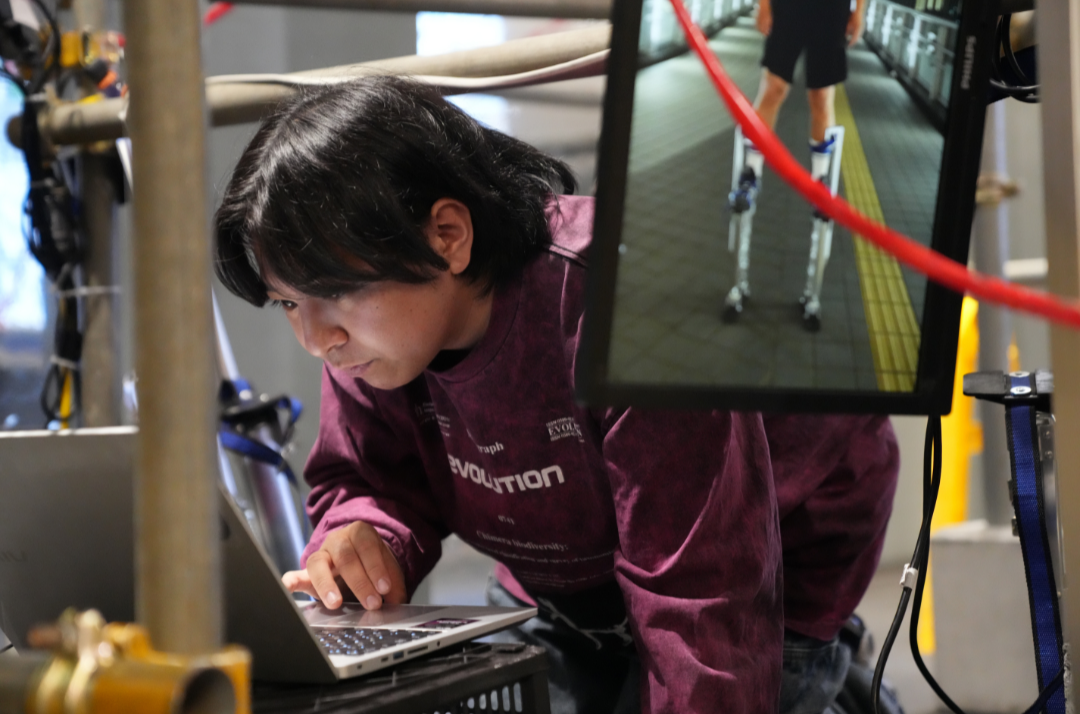
This sentiment is echoed in Jingyuan Yang’s Whispering Space, during which a solo dancer performs the head tilts and tightened posture that the artist must adopt in order to catch words as someone who is hearing-impaired. In this performance, the pain of simply trying to listen is defined as a strained effort that is endlessly repeated throughout the course of the artist’s daily life.
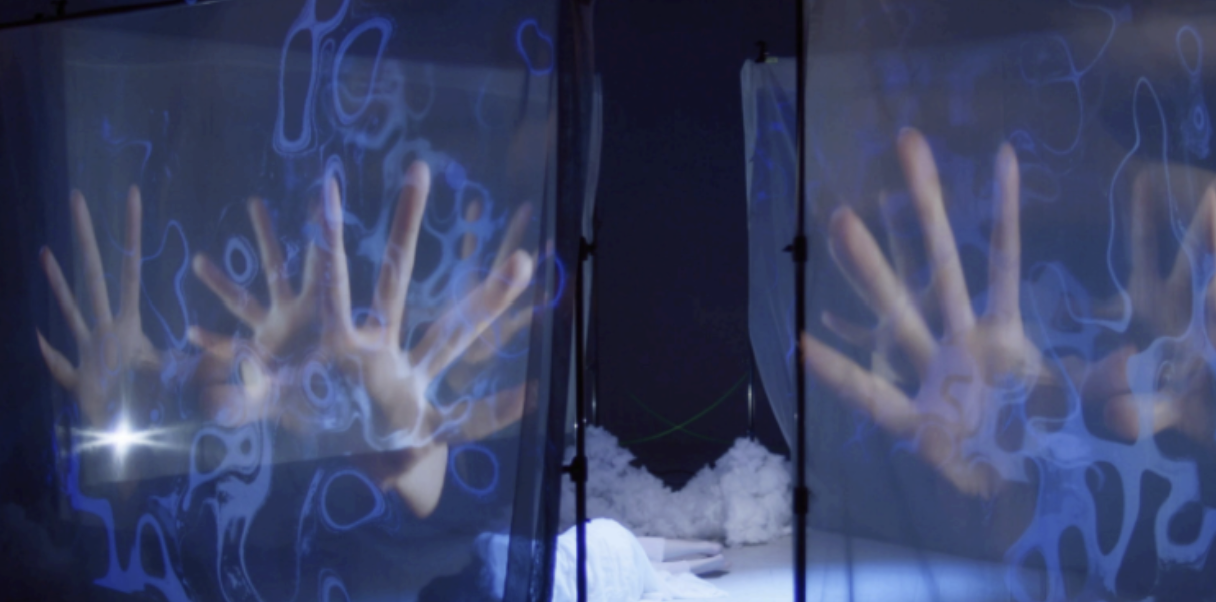
Jingyuan Yang’s Whispering Space
Although pain can provoke a person to devolve into their most monstrous selves, there is also the possibility of pain’s transformative nature allowing someone to mature into a state of being that exists beyond language, logic, or categorization. In Harahara Tokei / 腹腹時計 (A Study of Pain Through WeChat Customization), Natsume celebrates the Gen Z subcultural phenomenon of the “ita spirit.” Through the act of excessively decorating personal belongings such as bags or phone cases with images of beloved anime characters or idol singers, young people abandon shame by embracing fearless self-expression. For the young proponents of the ita subculture, the pain of self-censorship no longer exists, and they are free to simply be themselves.
Organizer's:
Accent Sisters @accentsisters
Jiaoyang Li @jylllllll___
Artists:
Shi/贲鸣珂 @fushitsusha
Sherly Fan @sherlyfanstudio
Liming Lin @liming_lin_is_a_hero
Jingyi He @shishipoketontsu
Kumako
Lizzy Choi @lizzychoi
Yang Hsu He
Jingyuan Yang @yangjingyuan0923
Yi Chen (Natsume) @natsume.cy
Written by Colleen Dalusong @mareenae