HUNTER, GATHERER, ARCHIVER: THE STORY OF JÖRG HAAS AND BEINGHUNTED
Where would streetwear be today without the influence of digital culture? What began as an underground movement in the 80s and 90s was ricocheted into a multi-billion dollar global industry with the arrival of the internet - and the interest that the mass consumer took in it all. Streetwear has seeped into every aspect of our modern lives - whether you’re into it or not – and the online world is responsible for unlocking its full potential.
Nova is a writer, creative and sneaker enthusiast from London, UK. For Sabukaru she’ll be covering anything sportswear and streetwear related, in-depth histories of how certain niche trends and traditions originated, and deep dives into the interconnection between popular culture and contemporary aspects of our lives.
The contemporary streetwear space is oversaturated with creative directors, fashion start-ups, and endless collaborations, a blur of good and bad noise moulded together by the powers that be - of Wi-Fi and 5G. While you appreciate the rhyme, I’d like to introduce to you Jörg Haas, founder of Berlin-based agency and online platform, Beinghunted. This is some noise that’s gone under the radar, noise that was arguably too ahead of its time. Without Haas and Beinghunted.com, the streetwear scene as we know it might look very different today.
Launching as a personal blog in the late 1990s, www.beinghunted.com quickly evolved into a recognised source of information relating to sneakers, music, collaborations, art, events - anything that Haas thought was cool would land on .com. Whilst print magazines lagged behind the immediacy of the internet (and several scoffed at Haas’ ‘little hobby’), Beinghunted became a much needed resource for a growing community hungry to consume culture in real time.
Everyone should know the story of Beinghunted.com, the original online platform that documented subculture before the rest of the world caught on. This interview is one for the books.
Nova: Hello! Can you introduce yourself please and tell us what you do?
Jörg: My name is Jörg Haas and I run the Berlin-based agency Beinghunted. I’ve been doing that for 10 years now but my CV starts in Munich.
I studied communication science at university and then in 1998 I started a web agency called impakt9 with a couple of guys that I met there, and then a content management software company called Contens one year later. This was during the high times of the first internet era. Even from a young age, I’ve always had two different tracks: my day job, and then after hours, there was sneakers, and this whole world I’d already been into long before work ever started.
I started Beinghunted. in 2001. At the time I was looking for something beyond my day job and was fascinated by the fact that I could write about the things I was into without needing to launch a printed publication. The internet made that possible and it felt like the right moment to just start.
N: And what inspired it?
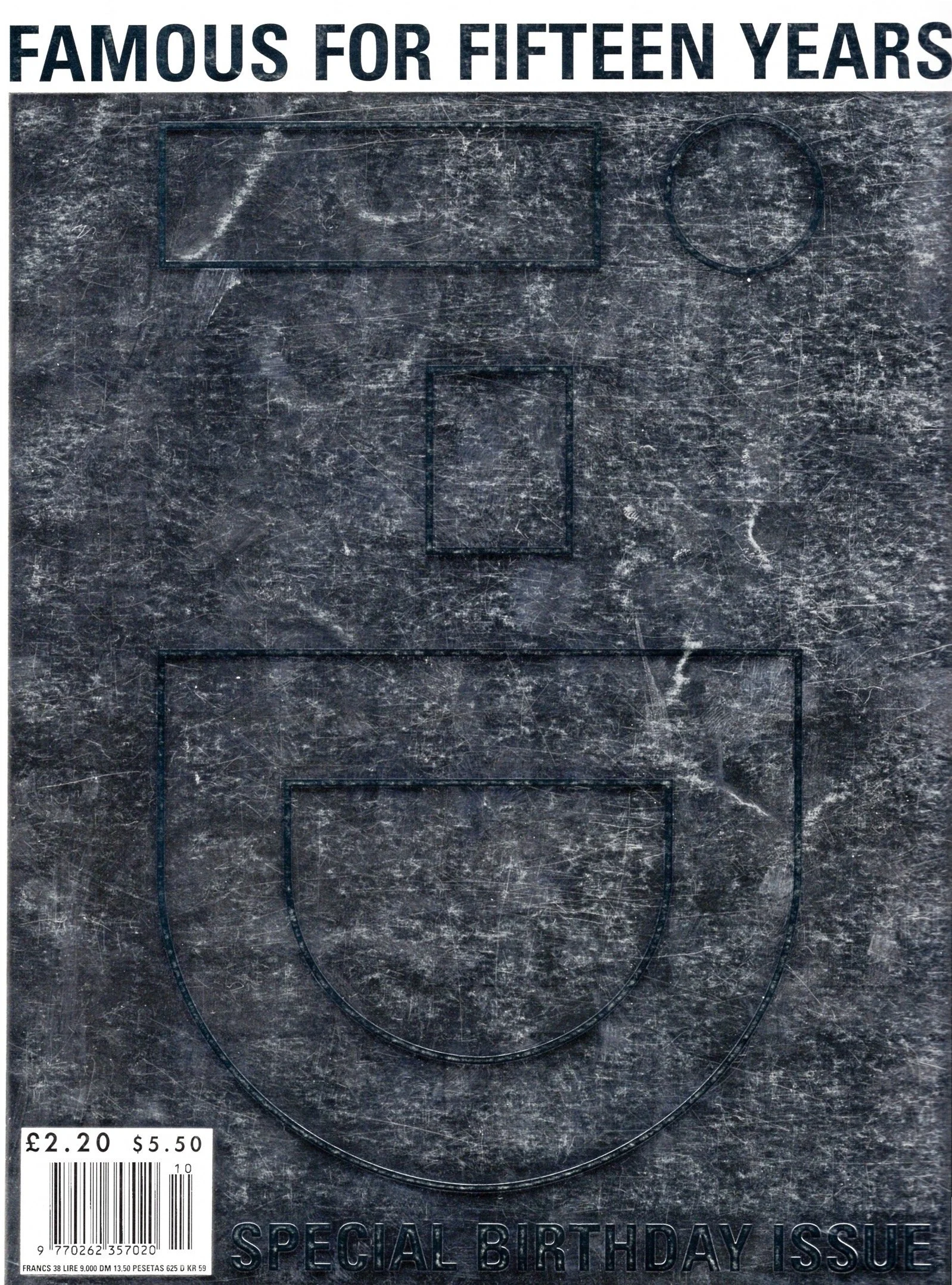
I was reading a lot of magazines, from the US but also from the UK. i-D, Dazed, The Face, Wired - all of those. Because of distribution, they were always delayed. A copy that came out in London in October wouldn’t hit the newsstands in Munich until mid-November, sometimes even later.
I would try to get a few things that were in the magazines by calling up stockists in London. They were like, yeah, this is long gone. So I thought, well, you know, the internet is much faster. And that's the only way for me to actually do something similar. That's when the idea started materialising that I could do this online.
The path toward Beinghunted. actually started many years earlier. In 1985, my brother and I visited our aunt in New York. I saw graffiti, caught some BMX stuff, got into skateboarding - and then music. It all began in this fun, non-business context, but that’s really where the spark came from.
My youth in the 80s and 90s shaped everything that eventually led to Beinghunted. Over the past 25 years, that interest kept evolving: from starting an online agency and content management company, to launching Beinghunted. as a newsfeed and later an online magazine, turning that into a store, and eventually using all of that experience to build the agency.
It all developed more or less fluidly, one thing leading to the next, without me ever making a conscious decision to follow a single path. Looking at it from a bit of distance now, maybe it is one thing after all. I never set out to do just one thing. I’ve always looked at different things at the same time, letting them overlap and influence each other.
N: Do you think that nowadays, younger people want what you have, which is a mix of different things, like no one really wants one job, like no one wants to just be a fashion designer?
My path has always been more layered - moving between different fields, letting one interest feed into the next. It’s not that I haven’t had a focus, but that focus has always been made up of multiple facets. For me, it wasn’t about finding the one direction, it was about building something out of all the elements that felt connected in their own way.
If you try to do too many things at once, it usually won’t be 100% - or it becomes exhausting. You push yourself to the edge of your capacity, and your energy drops significantly. Take Virgil Abloh, for example. I feel like he overworked himself to a point where it clearly took a toll on his health. I’m not saying work was what killed him but looking back, you get the sense that he was trying to do so much, almost as if he knew he only had a limited amount of time and wanted to make the most of it? It’s a powerful reminder of the cost of constant output.
If you really commit to more than one pursuit, it can pay off. But it’s hard. There’s so much input all the time, so much inspiration coming from everywhere. You see people doing incredible work and you think, “I’d love to do that too.” The temptation to do everything is real but the challenge is staying focused enough to actually do something well.
As a team, we often talk about streamlining - figuring out what to prioritise, what to let go of, and which clients make sense for us. Learning to say no is part of that too.
N: Where did the name Beinghunted. come from?
J: Originally, I wanted to call it Hunter Gatherer - because that’s what I felt I was doing: hunting cool stuff, gathering information and distributing it among my ‘tribe’. But the domain huntergatherer.com was already taken by a graphic design studio in New York. I started playing around with alternatives. That’s how I arrived at Beinghunted. - either as in ‘things that are being hunted’ or me ‘being hunted’. I’m not sure it makes complete sense, but it sounded good and, more importantly, it looked good as one word. That was important to me. People still get it wrong and write it as two words. And we put a dot at the end for a bit of weight.
N: You kind of touched on this before but do you remember what the initial inspiration was to actually start a website?
When I started studying communication science in 1994 there were a few courses on online publishing. Back then, every student got a bit of server space. It was a ridiculously long university address - something like www.yourname-and-student-id.edu.munich.university.edu/something and you could upload HTML pages and images there. That was my first real hands-on experience with building something online.
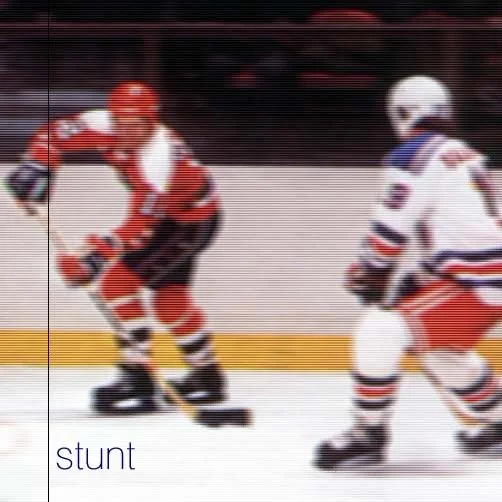
The first page I ever uploaded to that university server was called stunt. It was basically a feed of square-format images that you clicked through, some graphic design experiments, some animated GIFs, just random visual stuff. All square. I’m not kidding. You can imagine what I thought, some 20 years later, when this exact format suddenly became wildly popular. When was Instagram launched? 2010?

With Beinghunted., I wanted to digest everything I was seeing in magazines, scan it, archive it, and share it on my webfeed. So I spent about a year playing around with a magazine-style format, sketching out layouts, trying different ideas. Then one random Saturday or Sunday afternoon, after all those drafts, I just thought, okay, I’ll put it up today.
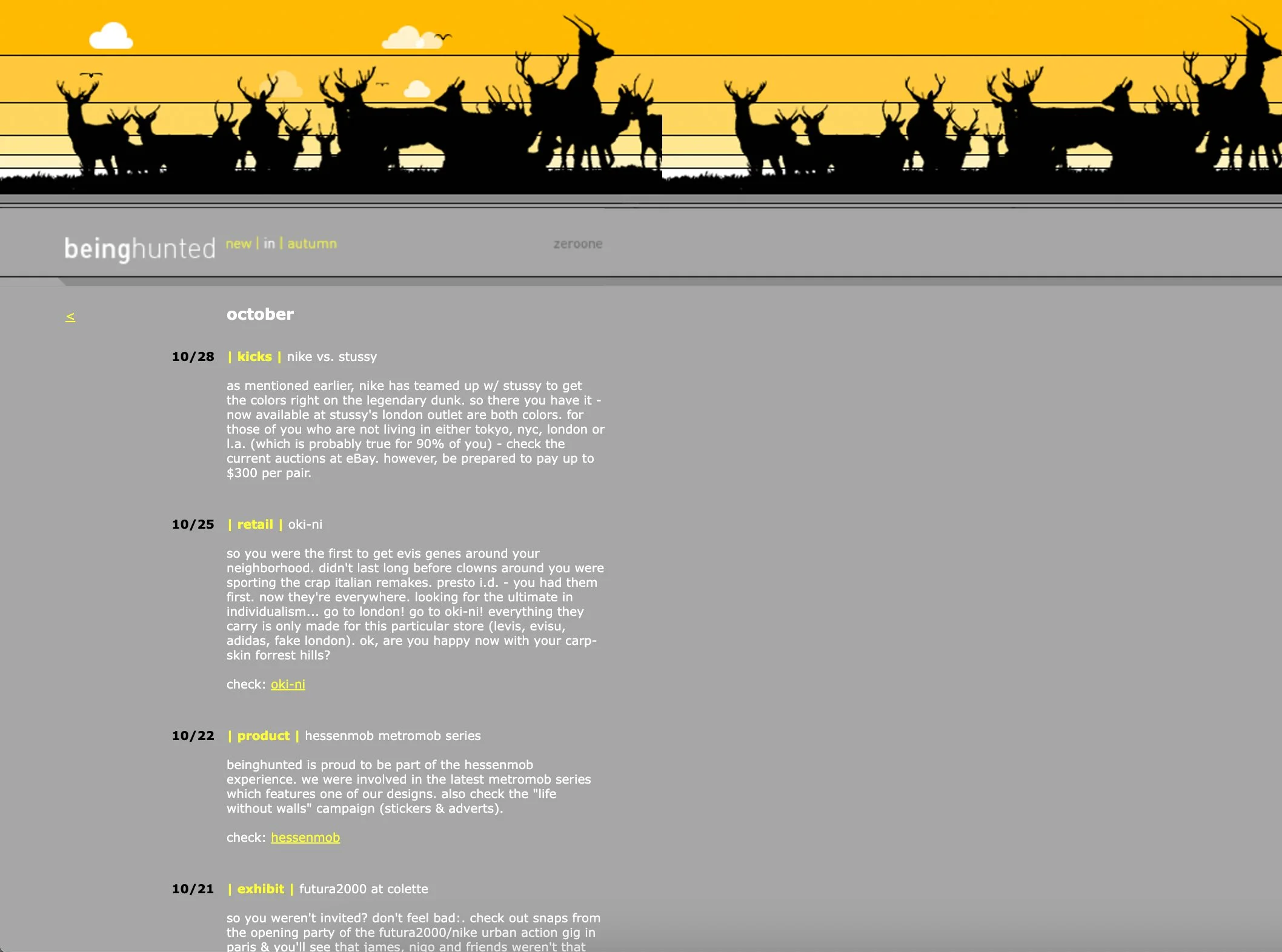
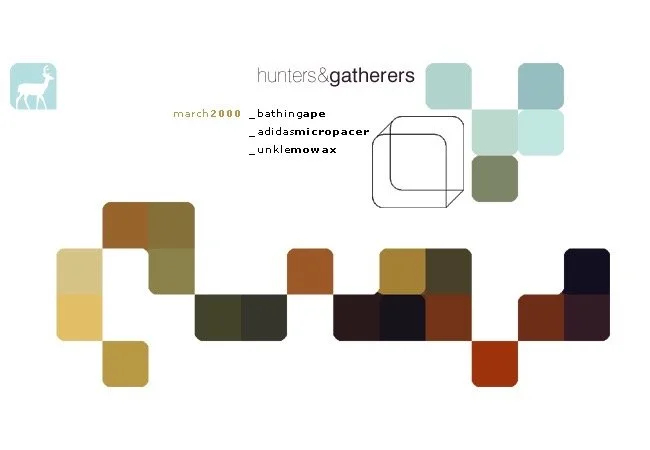
What actually took me the longest that day was putting together the Flash animation which, funnily enough, is what a lot of people still remember. I had already collected a few things I wanted to post but that little animation became the signature. The deer, the clouds moving, the birds flying - that’s what really stood out. It gave the whole thing a kind of atmosphere, something more than just a list of links or images. BBS (bulletin boards) looked like this back then.
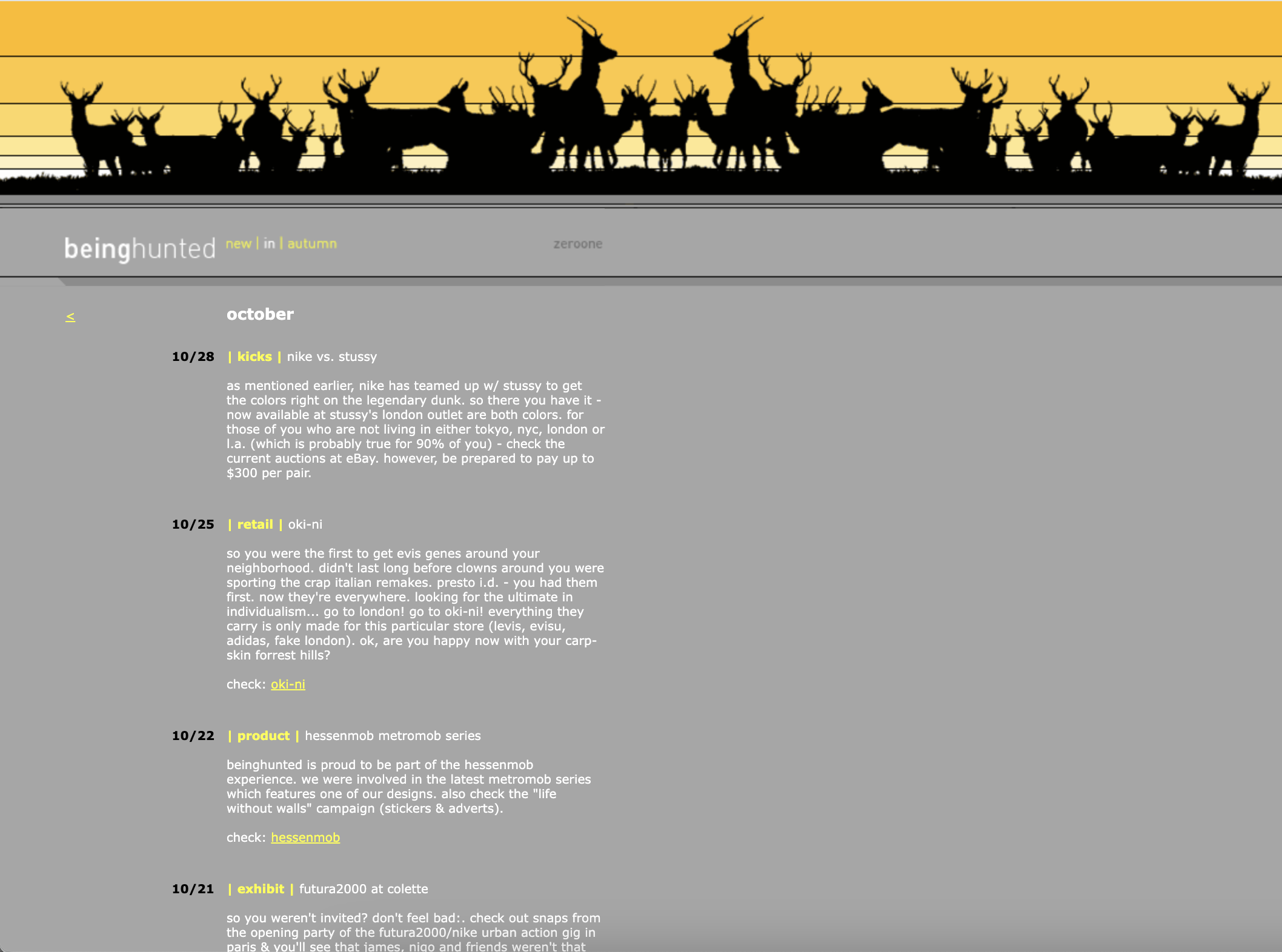
If i-D or Dazed had had proper websites back then, I might not have even started mine. There was one lifestyle magazine at the time called Lodown. Supreme sold it in their first shop. I remember seeing products in Lodown that I wanted, and then, after launching my site, some of the things I posted ended up featured in their magazine. That was a turning point.
I honestly didn’t think anyone else would look at the site but apparently, a lot of people who were online at the time were searching for something like it. None of this ‘internet stuff’ was considered cool. The World Wide Web - as we called it then - was just one application of the internet. The internet also meant email, FTP, maybe some telnet. The web was still seen as this fringe thing. People thought it was a fad. I remember going to New York or London, meeting people, and saying I took photos Beinghunted. You could tell they didn’t really take it seriously. It wasn’t respected the way it might be now. Some would even ask, with a slightly dismissive tone, “Is that for your… website?”
N: And is the website still going today?
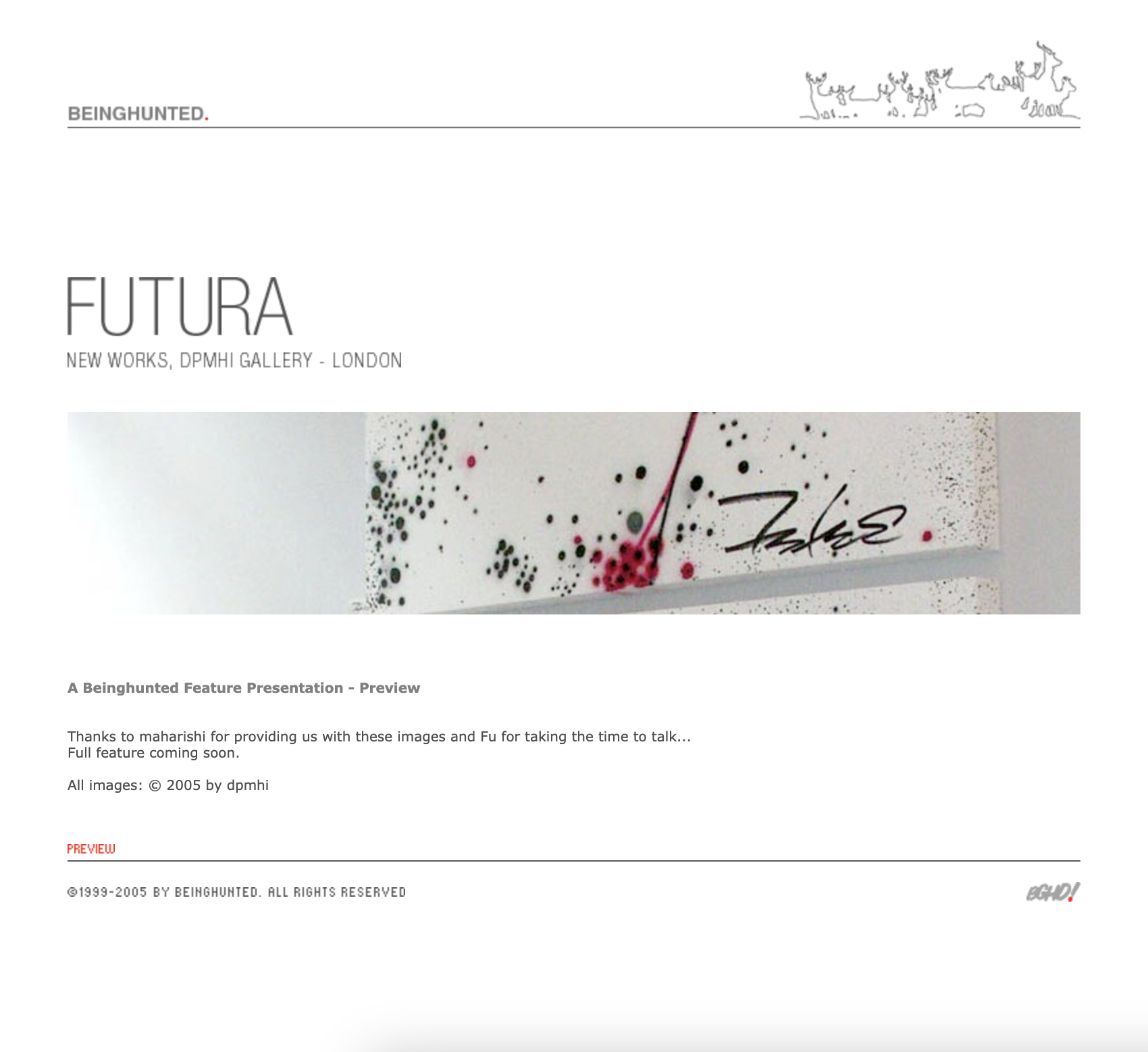
The site is still online. Let’s just say a very popular Japanese website that launched years later ended up borrowing more than a few visual cues from Beinghunted.
N: And no one can access these unless they go into Wayback?
J: The original HTML pages are still all there and I still have the quick links too (here and here). They’re actually fun to read. But many of the links are dead now… the galleries, shops, and projects are long gone. It’s a bit sad, really. So much of that early web culture has disappeared. Especially after Flash was ‘turned off’ a lot of those graphic-heavy mini sites just vanished. They were full of personality, and now they’re basically lost.
N: So have you thought about taking the page back to the old school blog format?
J: I'm not sure whether this should be a website or an Instagram page. I started this page called @thepine40 where I put products I like and snippets of text. It’s very on and off.
Also, the kind of content we were doing back then, you couldn’t really recreate that now. At the time, some of those stories were only available on Beinghunted. No one else had access to certain people or places. We made real connections and got the content directly from them. There was no social media rollout plan and no pre-packaged assets being seeded to media outlets. In fact, there weren’t really any comparable outlets at the time.
N: How can you create something new right when it's already being done by hundreds of thousands of people?
J: For me, it was about seeing an opportunity plus the fact that something genuinely new existed at the time. It was open, undefined, I understood it and could make use of it. There were no templates for what online publishing should look like. I didn’t ask myself, “What’s a successful post?” or “Who’s the target audience?” or “What are the metrics?”. If you start thinking in those terms, you’re already following and not starting something new.
There were no expectations, no rules to follow. I just did what felt right. And I think that’s the crucial part.
N: The brands that interested you back when you started Beinghunted., a lot of them don’t exist right? And the ones that have survived have changed their marketing plan and how they speak to the consumer. Brands are very self-aware now.
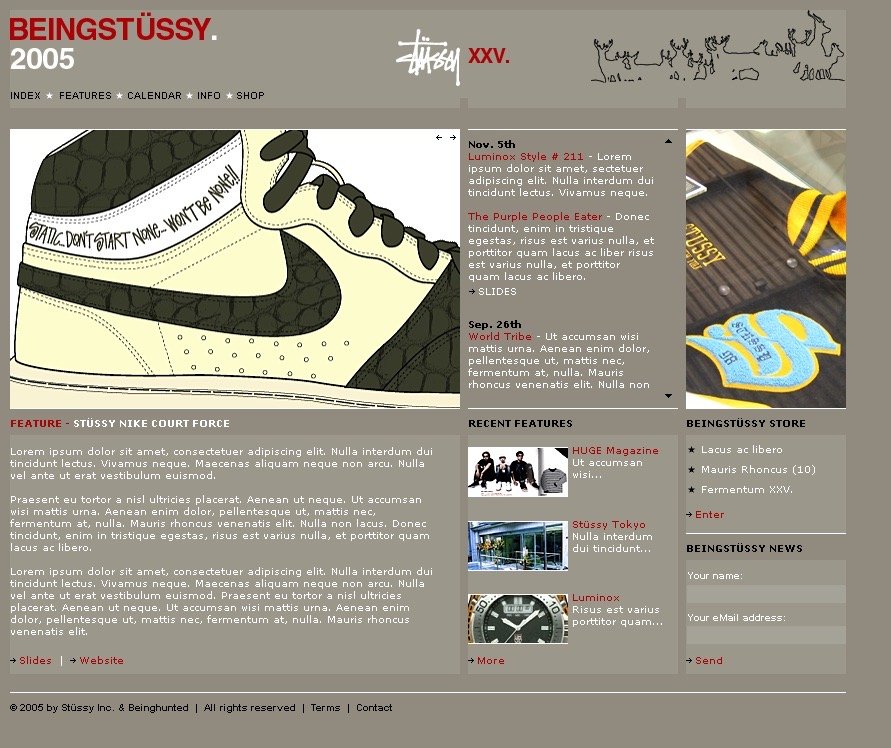
J: Yes and I do take responsibility for it in a way. With Beinghunted., I think we helped shape how brands began to see the potential of communicating online, specifically how they could reach a wider, global audience almost instantly. It also showed how limited edition products could create real energy within small, niche circles that, through the web, suddenly had huge reach.
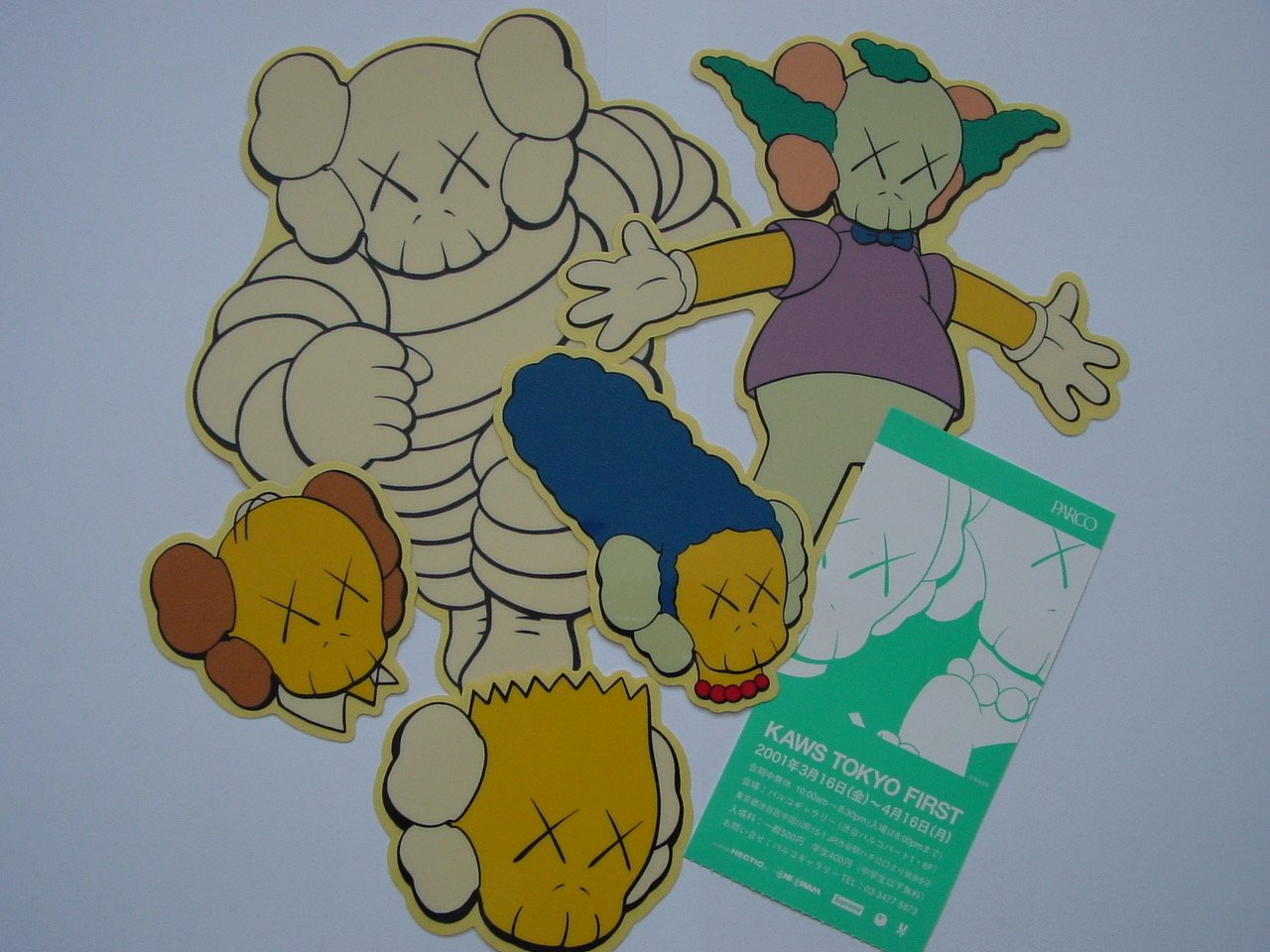
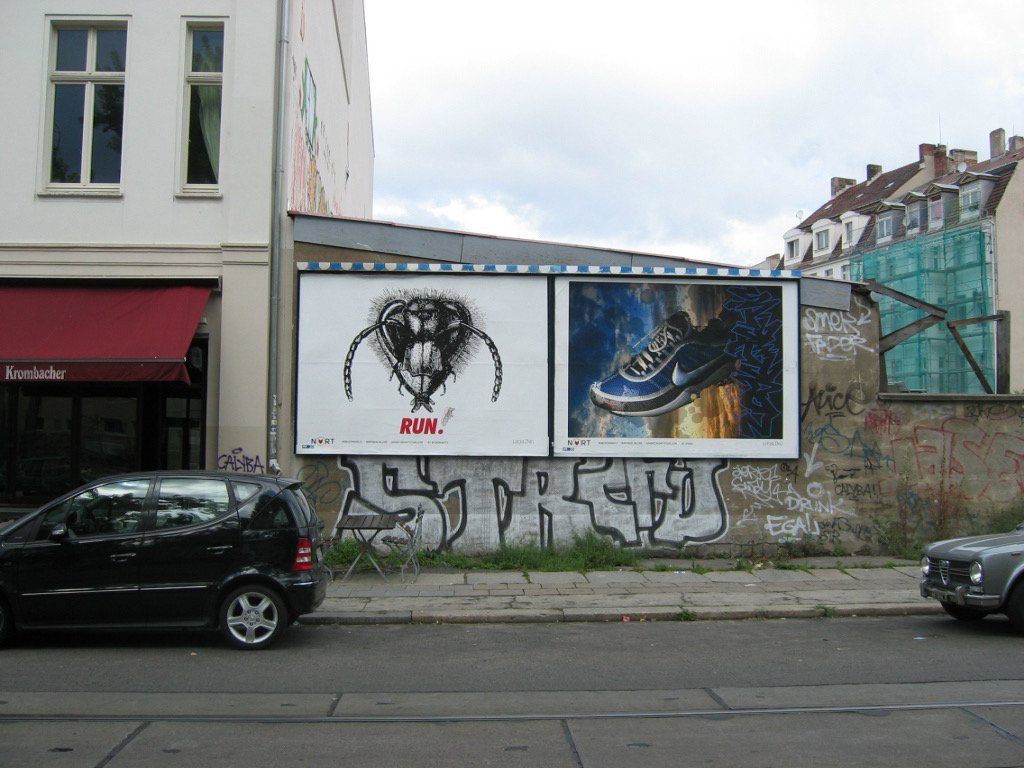
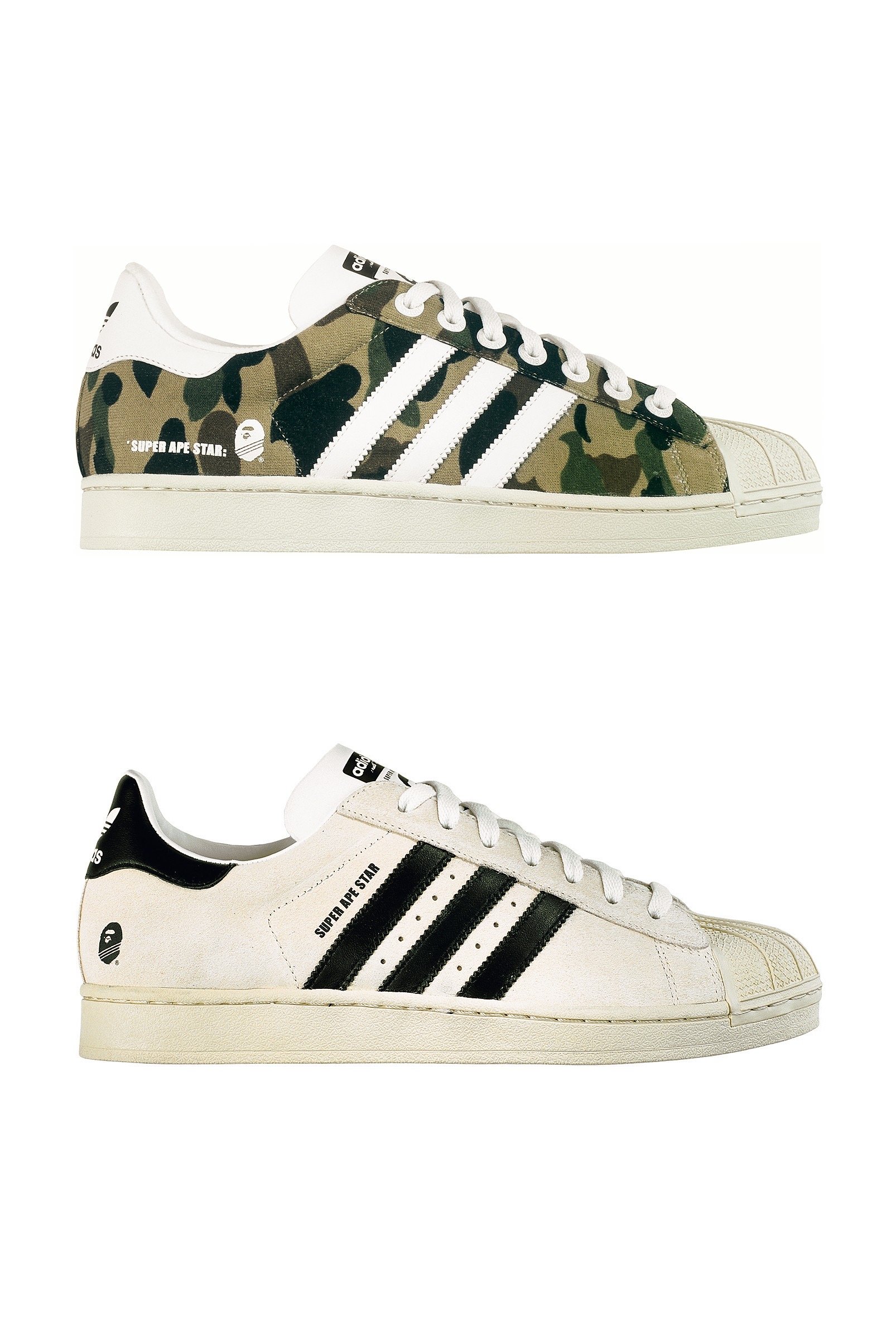
‘Hype’ marketing as we know it today didn’t grow out of magazines. It grew through the internet. A printed publication could never be as fast or far-reaching. The early years of Beinghunted. coincided with the beginning of energy marketing - think adidas x A Bathing Ape Superstars or the first Nike SB campaigns, like the SB box pavilion next to the Prada tower in Tokyo. When I was invited to events like those, I was often the only person there representing an online platform. Everyone else was still from print.
Today, brands are fully aware of the spending power of younger consumers. And it’s more important than ever to reach new talent early. No one really has the luxury of building something quietly anymore.
You can see this in newer brands too. Take Corteiz, for example. He created a small, self-contained ecosystem, and I was genuinely curious to see how that would grow organically. Then Nike got involved. And while I understand that might’ve been exactly what Clint wanted, from a cultural evolution perspective, I wish we could’ve seen that story play out a bit longer on its own terms.
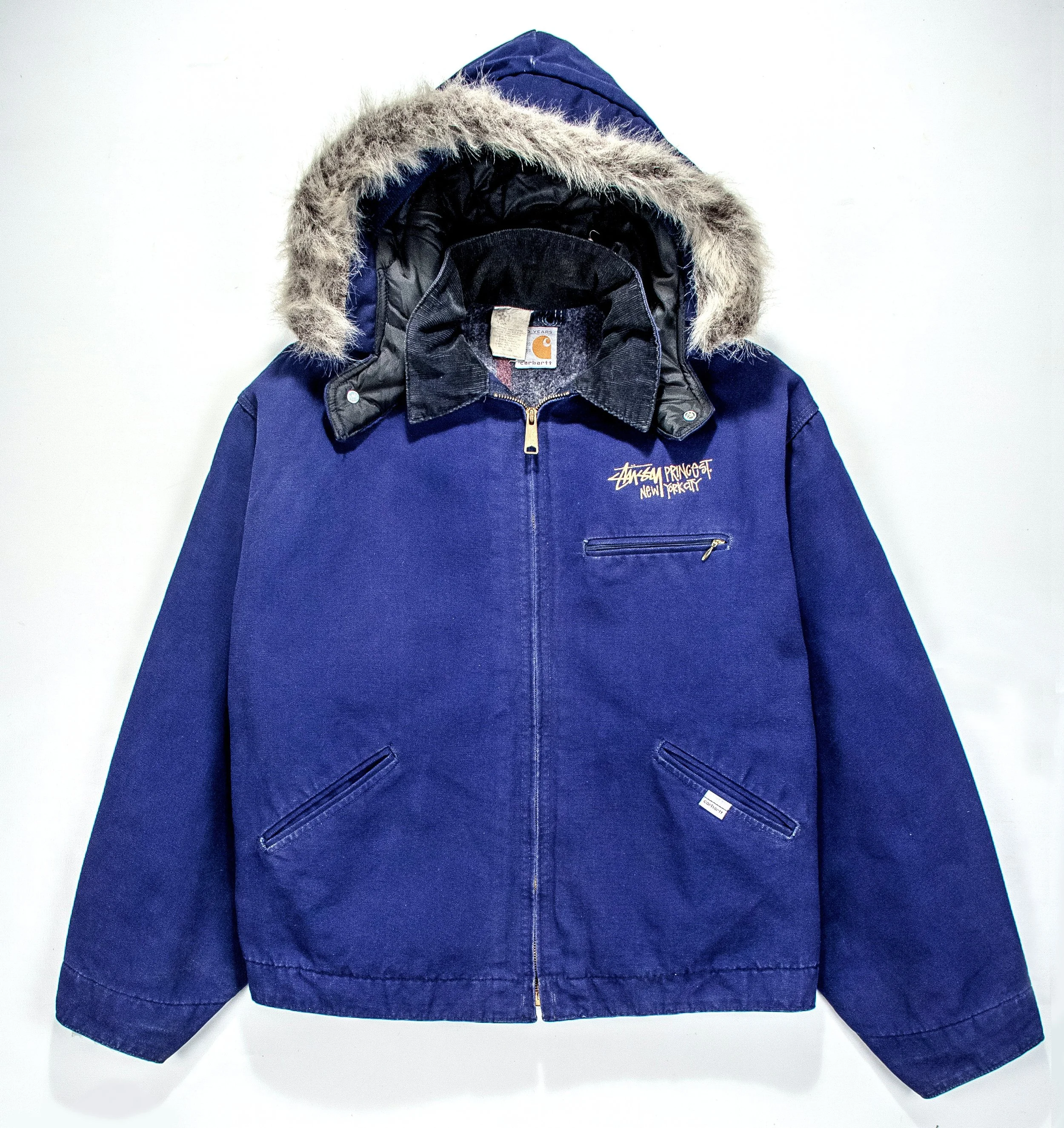
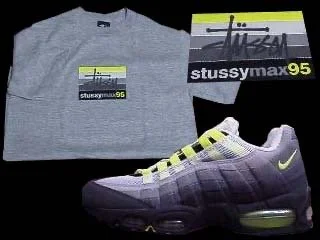
That said, I can’t pretend I’d know how I would’ve reacted if I’d been offered something similar early on. I look at a brand like Stüssy, or stores like Union and I still admire how they’ve managed to evolve over decades.
N: I think young creatives today don't see brands as instrumental to their growth. It’s understood that brands don’t have as much credibility, and there will always be something new on the scene, something more popular on social media, something being marketed before.
J: Yeah, I think I come from a generation where marketing wasn’t the key. It was more about your taste and of course advertising, but not so much marketing. And you had to develop your own sense for what you liked because there weren't these specific campaigns or retail outlets that would make you gravitate towards things. It was more instinctive.
There are two spaces right now that I think are actually doing something new - running and climbing or hiking. Those to me are like the new skateboarding and the new BMX. Some of the brands in those spaces are very deliberate about who they involve and how they grow. That kind of approach helps keep things focused and meaningful, not shaped too early by outside influence or mass attention.
I do have to say that both these fields have been so heavily marketed that the energy is beginning to fade once more. Both activities never involved much other than some proper shoes and more or less functional apparel. Now the ‘fashion’ aspect has been pushed so heavily into the foreground that the lines between “I do this for fun,” and “I need to look cool, do the most visible ‘community’ runs” is heavily blurred.
N: Why do you think climbing is an interesting space?
J: Not everyone can do it, I guess. You don't need to have the style, but you can if you want. There are some people who are pretty stylish in it and I think it'll probably go a little further into being outdoorsy. I don’t call it Gorpcore but to me it’s really like being more active and outdoors.
N: Can you set the scene for us in the late 80s and early 90s?
J: That’s really hard. I'm not nostalgic in a negative way but it was fun back then. I probably belonged to the 1% of kids who were interested in the things I was into. That was the whole idea, to gatekeep. To keep the good stuff to yourself.
If you saw a girl wearing an X-Girl T-shirt and Nike Rifts, you kind of knew what she was into. Same with the Stüssy guys, or the people who went to END for Speed, listening to LTJ Bukem, Grooverider and so on.
It was all very slow and easy going. There was no pressure and you were happy with what you had. It was exciting to hear a song on the radio but you knew you couldn't really listen to the song again. You would try to record things off of MTV onto a VCR tape. A VCR tape was always on the ready for the next Massive Attack video.
It was a very fun time because there was no competition. In my school, there were probably like 2 or 3 other kids who had the same interests as me. You would know exactly what music, what magazines, what hobbies they had. We were all into the same world.
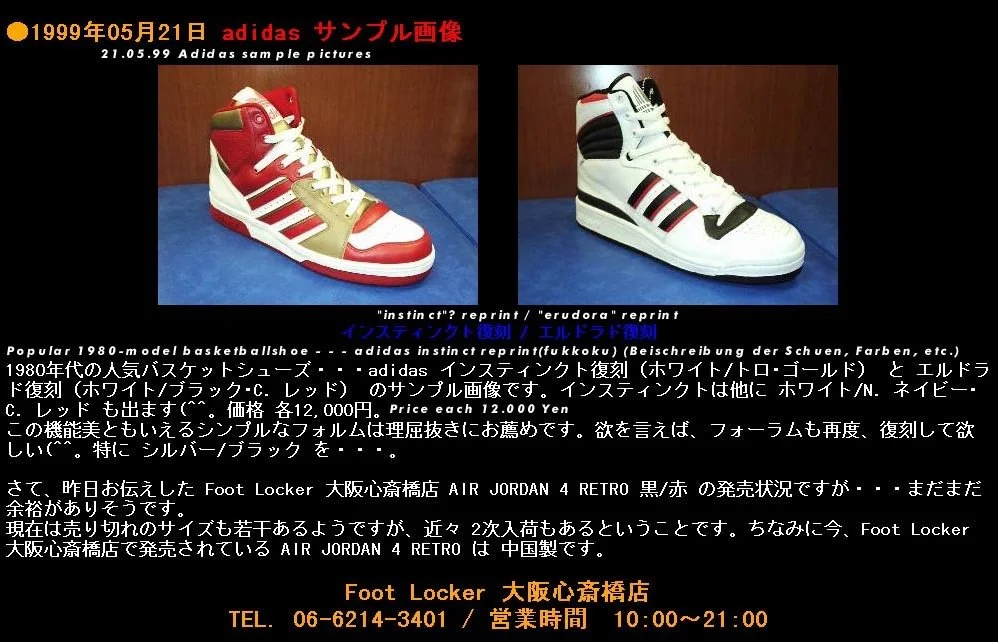
You wouldn't really tell other people about what you had. Today, everything is shared and is public knowledge. That means that there might be 50 other people in the queue, waiting to buy the exact same thing. Cool, back then, was not telling people what you knew or where something was from. If you saw a queue, you wouldn’t stand in it.
With the early stages of Beinghunted., there was this same ethos: here’s something cool, but I won’t tell you where I got it from. I’d love to see that kind of gatekeeping come back, but I’m not sure that’s possible in today’s day and age.
N: Why do you think you wrote about these things that you loved so much?
I was never a cool kid. I was more of an observer. I liked watching from the sidelines and trying to figure out what made certain people, products or events feel different or special. Writing about it was probably my way of getting closer to it. Not to copy it, but to understand it, maybe even be part of it in my own way.
N: So you were more interested in the information rather than being involved.
J: Yes, at first, it definitely started from archiving and keeping things, more from the position of the observer. But with the store, I became very much involved.
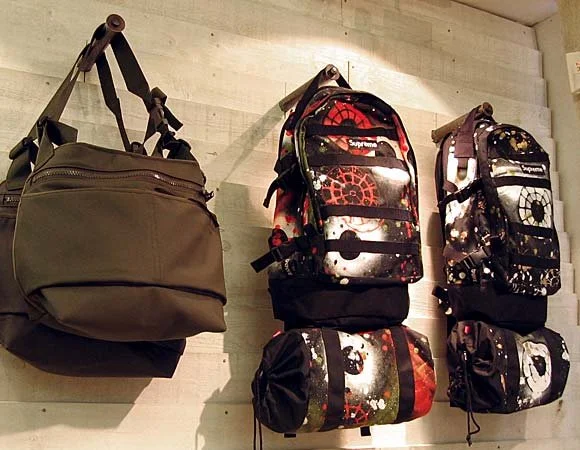
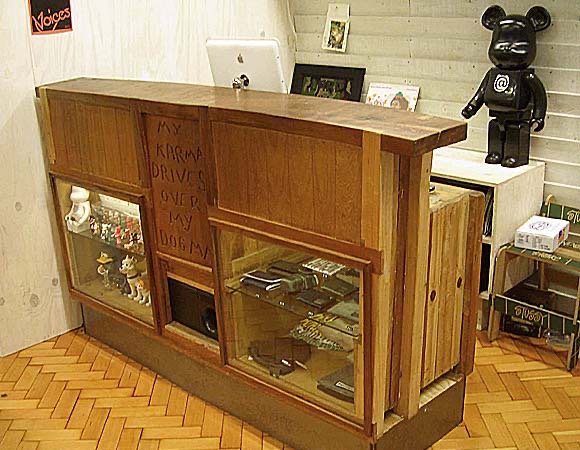
When we opened the physical store, it was the only one in Germany carrying brands from Japan that no one else had access to. We were early with in-store activations too, launching lines like Stone Island Shadow Project, Arc’teryx Veilance, or Nike Gyakusou.
It was really my personal interest in functional clothing that shaped the brand selection. No one else had that focus at the time. And later, through the agency, we became - and still are - a driving force behind what’s now often described as “functional lifestyle.”
N: And do you think you liked analysing those things as well?
J: I think so, yeah, and maybe that’s why I chose to study what I did and why I started doing these features on Beinghunted., not just posting images from the shows but then also doing the interviews with relevant people to learn more.
With the first Visvim feature, I heard about the brand, I saw some of the products, bought a pair from the store and then I wanted more information. That led me to contacting the founder, Hiroki Nakamura, and doing what I believe was the first interview ever with him for a publication outside of Japan. I wanted to understand the brand’s trajectory, his personal history, how it all came together.
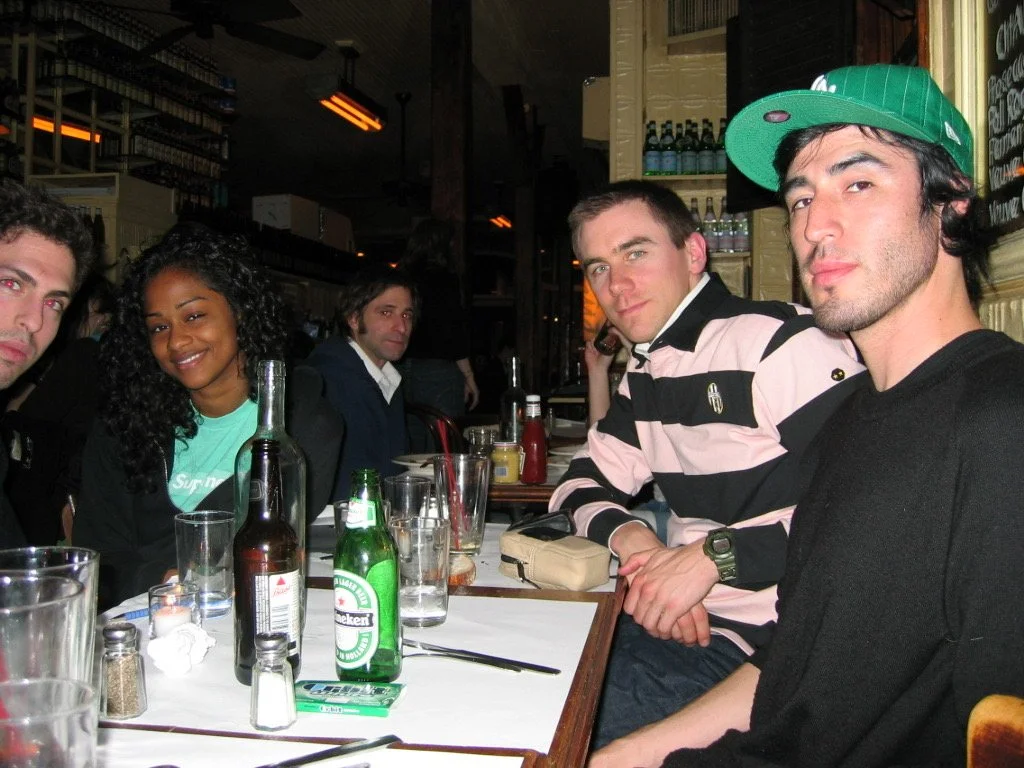
Back then, in the heyday of print, you'd actually read a magazine from front to back. One of the best at the time was Wired. They always had these unexpected stories, incredibly well researched and written. The features were long, often more than 10 pages of pure text. Same with The Face and i-D. Their stories were so gripping and you couldn’t get that information anywhere else. They would find interesting people and art and spaces that you didn’t know about.
N: Do you think these magazines are doing the same research?
J: Not many. I would rather go for a science magazine now or The New York Times. They write about topics that you don't know about. Everything else is so marketed. The first step that a brand takes today is to create the marketing plan and the rollout and sign on a media partner. People aren’t as interested in what they’re writing about as in how well it does.
That said, there are still titles I read front to back: System magazine, for example. Or Interview. Those are still doing it properly.

N: What was it like living in Munich?
J: I didn’t live in Munich. I was about 20 minutes outside, in a more rural area. It was quiet, pretty laid-back. I’d try to go into the city maybe once a month, usually to go to a music store that had a great section with international magazines. That was a big deal for me. This was the mid-90s, when the whole techno wave was starting to move from Frankfurt and Berlin down to Munich. Munich had its own vibe though, not as chaotic or raw as Berlin. It felt more refined, more accessible.
There was so much coming in from the US and the UK. You had the club that played the music, and then the shops where you could get the flyers for the parties, the gear, the shirts, the sneakers, the magazines. The shops were full. If you went to pick up a Stüssy T-shirt, there’d be two solid meters of them, tightly packed. You had options. No online customers from overseas, no reselling. You could take your time and choose what you actually liked.
There were more shops selling sportswear, clubwear, skatewear - mind you the term ‘streetwear’ wasn’t really used by anyone back then. These shops had everything. All the brands people now go crazy for…it was just there. Anarchic Adjustment, Freshjive, Good Enough. Stüssy, as said, was in like three or four different stores. You had X-Girl, Sabotage, Daniel Poole, Fuct, early Carhartt, Aspiral, Hysteric Glamour… but also Helmut Lang, Costume National, and so on.

N: You know how you said you got things a month late and you'd have to import magazines, and then the information would always be delayed. Was that quite frustrating?
J: Yeah it was but, because of that, you were more patient and you cherished what you had much more than today. You would buy one T-shirt maybe every six months, and every month maybe one or two magazines. I have magazines from back then that I know what’s on every page.
Back then, consumption wasn’t something you thought about constantly. It wasn’t part of your daily life the way it is now. The whole pace was slower and your brain wasn’t wired to be in shopping mode 24/7. And I think that also allowed people to be a lot more creative because they had more time and they could be more present in their lives.
N: You turned Beinghunted. from a store into a consultancy. What inspired that?
J: While at uni, I was already working in the fledgling ‘internet’ segment, so I just stayed on. I co-founded those two companies in Munich. I exited both in 2003, started my own (small) agency, and that’s when Beinghunted. as a website grew quite a bit. I added a mini online shop around 2002/2003, just for the fun of it, but my agency work was always my focus and source of income. Beinghunted. was my hobby, and I didn’t want to turn that into something with a business focus. I felt that that would change my attitude.
But then I had some ideas around online retail which wasn’t really a thing back then. Brands didn’t really understand the online space. They’d say that if you wanted to carry a brand, you had to have a proper physical store.
I started looking around Munich for a space but didn’t really find anything. I was also kind of bored of Munich. And then, with the move to Berlin, opening a shop felt like the natural next step. I did retail for ten years and sold all the brands I was interested in - Acronym, Visvim, WTAPS, Supreme, Head Porter, Nike T0, Vans, New Balance, Gyakusou, Stone Island Shadow, Arc’teryx Veilance, OriginalFake, Stüssy, CdG Junya Watanabe MAN, and many others.
But then I thought, “OK, been there, done that - let’s move on,” and honestly, from a financial point of view, it never made much sense. One day, while visiting my friend Adrian in Brighton – also a contributor to Beinghunted. – I just sat down in his kitchen and made a pros/cons list. The cons were too many. I thought, “If I don’t pull out of this retail thing now, I’ll be stuck in the ‘cool guy shop’ space until I retire.” That day, I made the call.
In 2015, I decided to use my knowledge and network to build out the agency side - stay in that universe, but no longer pay brands. It was time to get paid by them.
N: And how did you make your connections?
J: Through Beinghunted. - and this is quite funny - it was usually when I wrote something that wasn’t correct or that I shouldn’t have written that people would contact me. This was always a surprise as I didn't really know that these people were reading Beinghunted.
I had posted the first A Bathing Ape Super Ape Skates and Superstars on Beinghunted. Nobody else had those images but I got them from their German PR. Apparently Nigo threw a fit and I got a call from my friend from the PR agency asking me to take them down. I did but, of course, the photos had already spread to countless other sneaker sites.
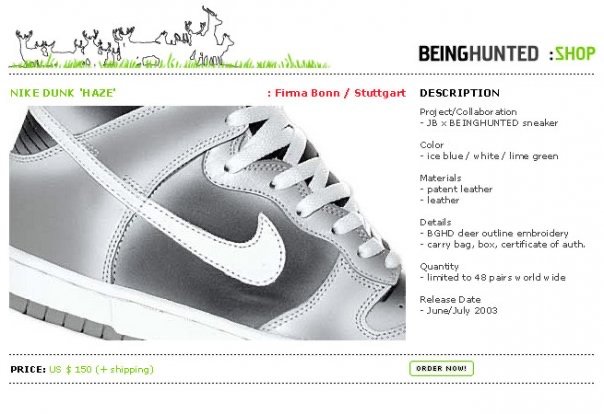
Fraser Cooke, at Footpatrol at the time, emailed me after I’d posted a custom Nike Presto. People started calling the shop asking to buy it, and he said, “Hey, could you please add to the post that it’s a one-of-one so people stop calling?”
James Jebbia also wrote to me once. I had posted a tiny, tiny thumbnail of the Kate Moss T-shirt. I later heard it caused quite a bit of trouble for some people behind the scenes.
Stash once sent me an email - all caps - because I had posted something about his upcoming show at Colette, and he thought it was a bit premature to release that info. Today, that’s insane. Brands are teasing things months in advance.
It’s interesting to see how the perception of the internet changed from being uncool, nerdy and not relevant to one of the main things that’s relevant as a media outlet.
N: I think it’s much harder to build meaningful relationships in the modern day.
J: Yeah, I agree. For me, this was never a business. The connections were not to make money. It was a genuine interest. Today, everything is monetised.
N: You designed T-shirts for Beinghunted.?
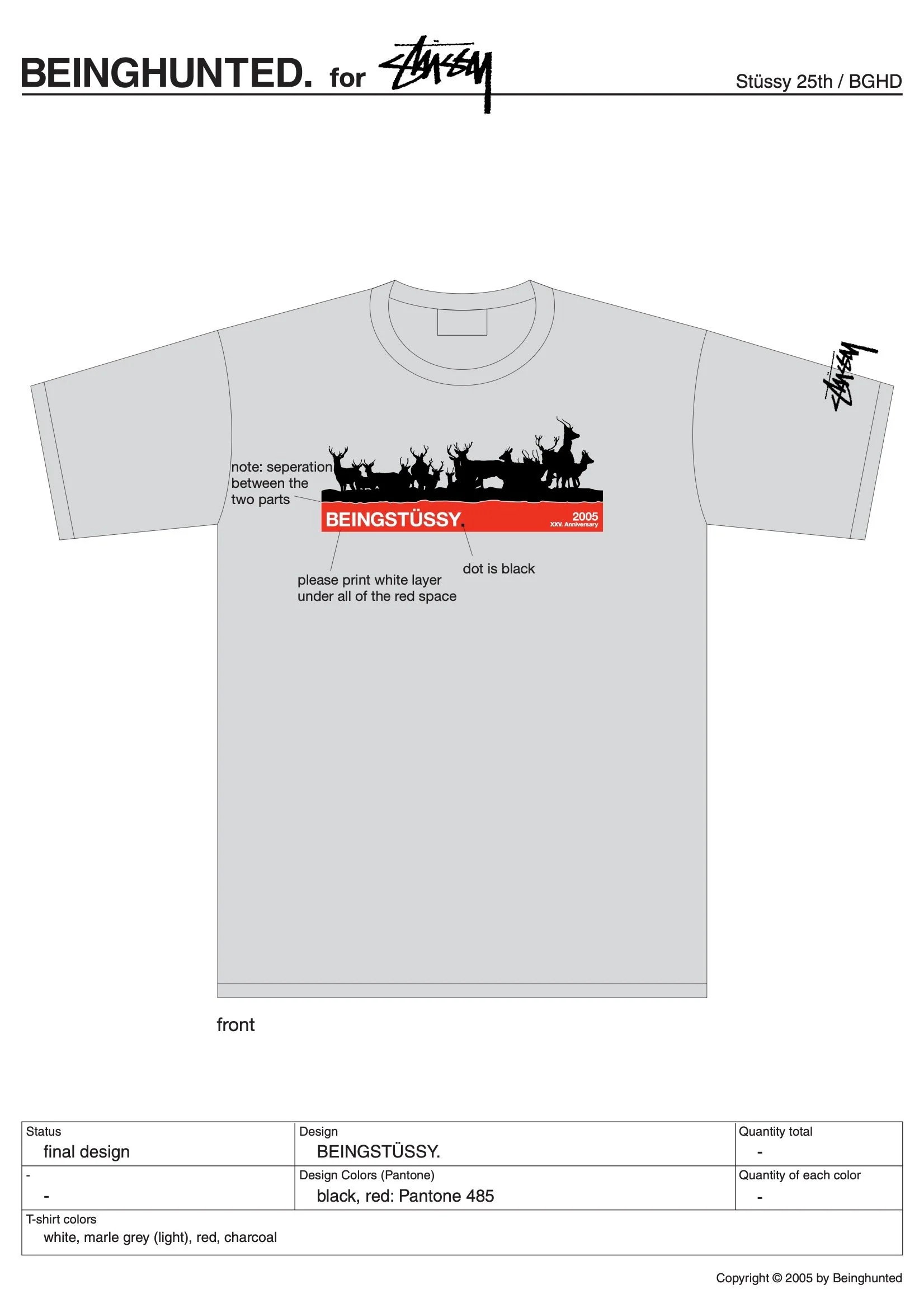
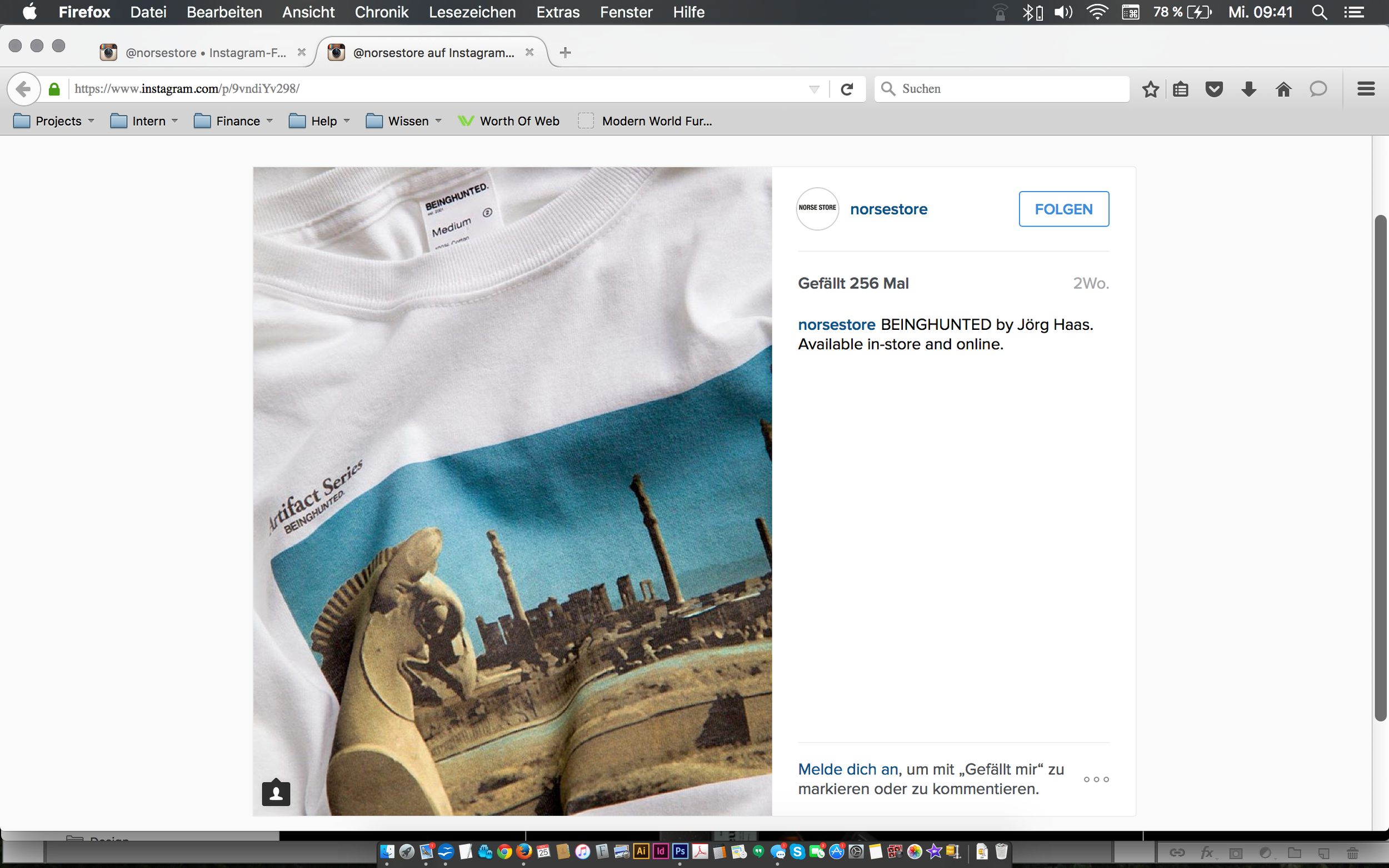
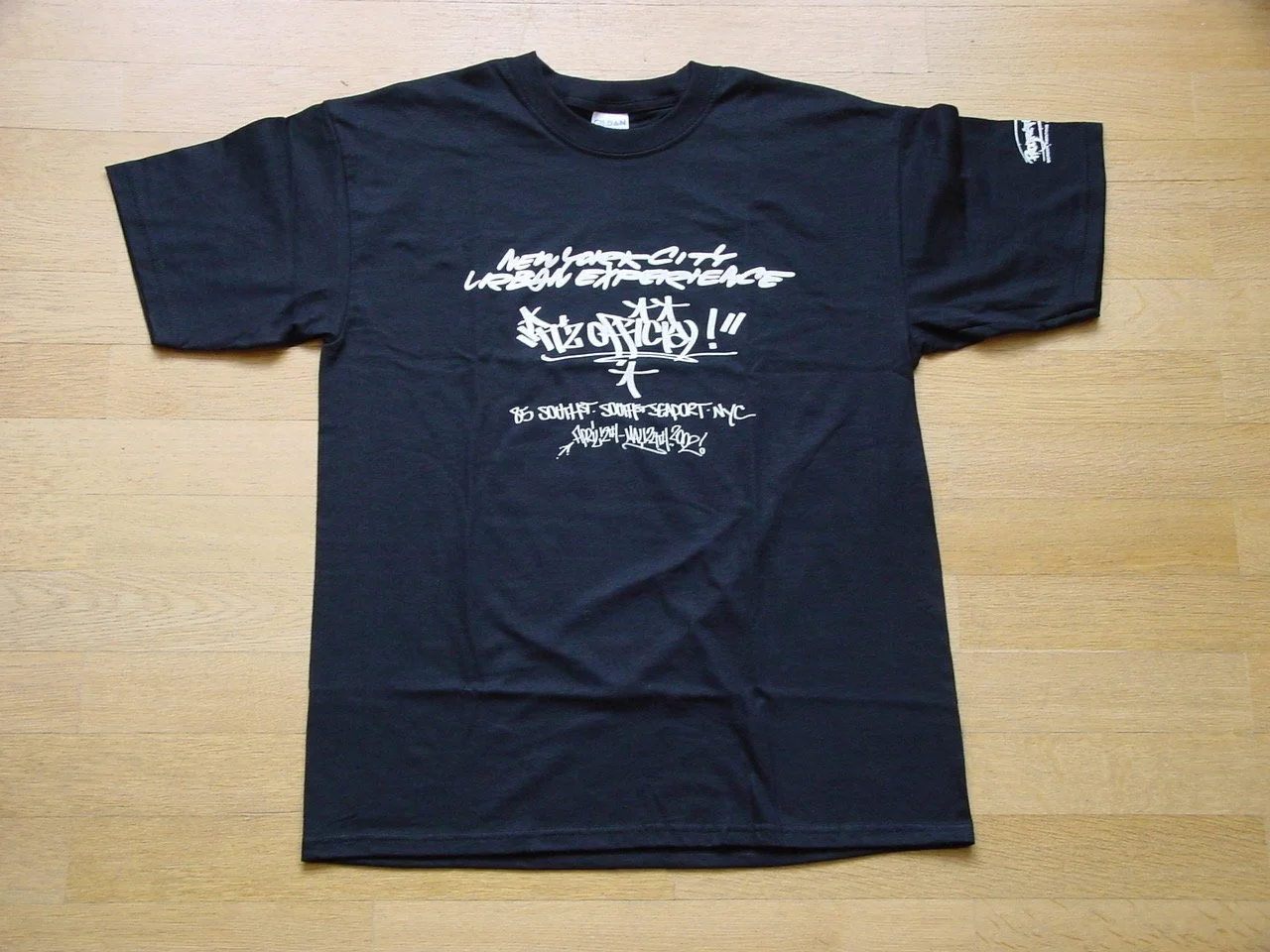
J: Yes. I started with T-shirts in the mid 90s with a good friend of mine in Munich. We had this idea to put cool airplanes and helicopters on T-shirts. The brand was called Clîque Aeronautics. For me, the T-shirt is the most impactful piece of clothing in this space and it’s also the most affordable.
A few years later when Beinghunted. was up and running, we decided to do T-shirts again because we wanted to tie them to the interviews we were doing. The idea was to do an interview and have that person design a T-shirt for Beinghunted. Out of that, we created a small line. Gail, a friend of mine from highschool who was running Beinghunted. from New York organized production. We actually printed at the same facility as Supreme. When we visited the printer in Brooklyn, we saw the Supreme production schedule written up on a whiteboard.
N: You were one of the first to distribute Arc’teryx Veilance in Europe. How did that come about?
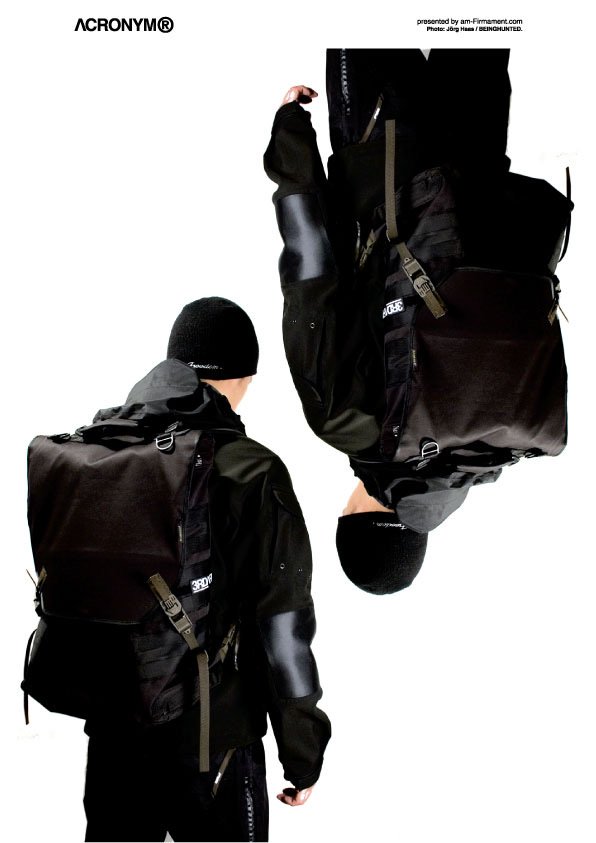
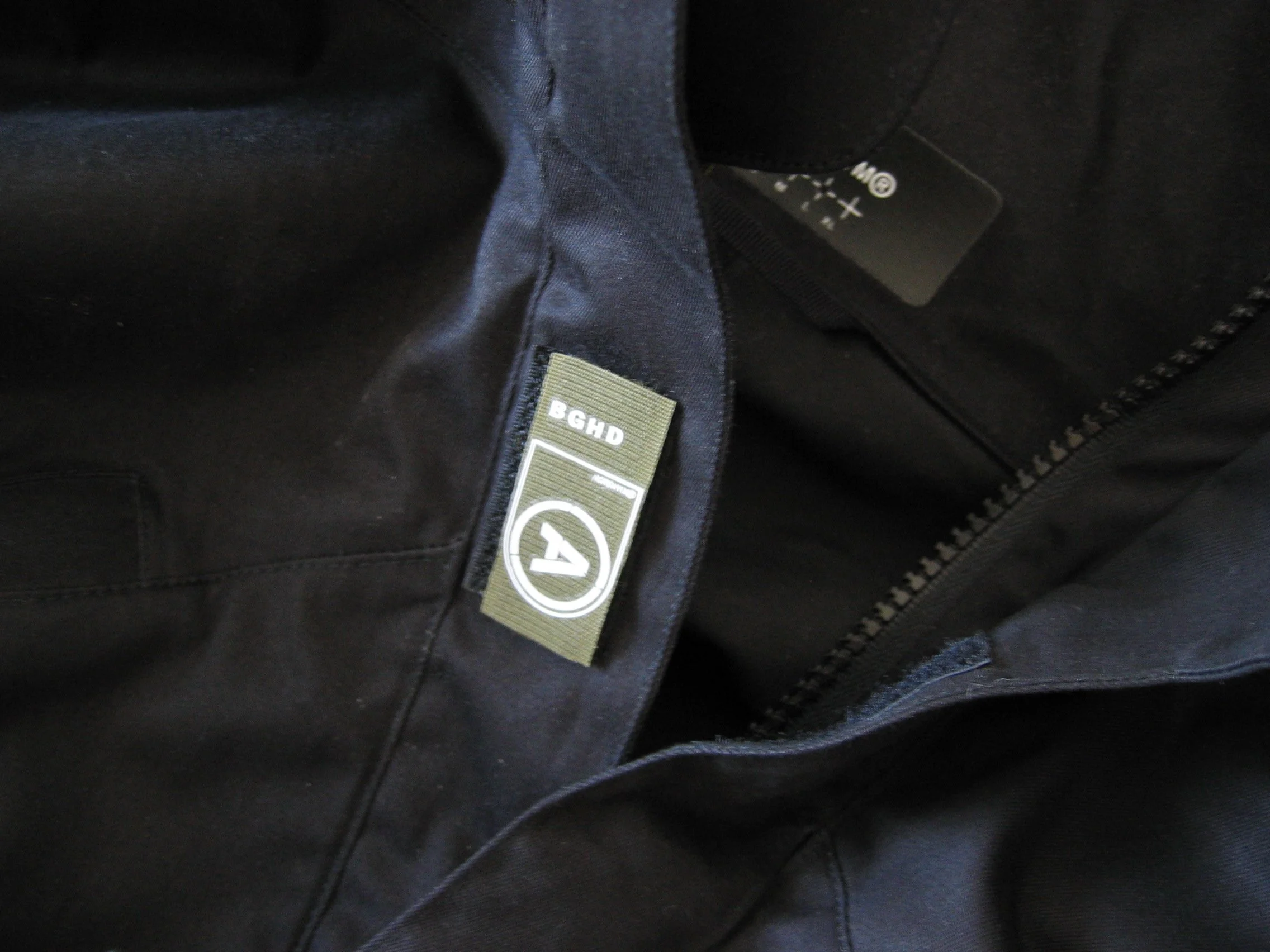
J: We were actually the first store, yes. I met Errolson in Munich through Beinghunted. At the time, he worked for Burton Snowboards in an important capacity, designing some of the most popular styles for them (and some of the most innovative ones that vintage moodboards keep celebrating today). I remember he was part of the very early stages of Arc'teryx looking into the lifestyle category. They were almost ten years ahead of everyone else. He used to live next door to the shop, and one day, he came over with the first concepts for Veilance.
In 2009, the conversation then started about launching Veilance at my shop for the European market. It was a fun concept, as we had asked W. L. Gore if they could produce a basin for us in GORE-TEX that we could use to cover our front room with - to then flood. They said yes. For two weeks we had a Japanese-style pond in the front room, complete with steps that you had to walk on to get to the main room.
N: Your relationship with GORE-TEX is pretty long standing.
J: Yes, as an agency I’ve been working with them for ten years but our history goes further back. There was one person at Gore, Petra Harrer, who very early on was pushing lifestyle. She hosted two workshops in Berlin. One was at my space and it involved Errolson from Acronym, Johanna Schneider (she later became part of Errolson’s team at Acronym and then went on to work for Nike) and then me as a retailer since we were the only store at the time that carried the most ‘lifestyle’ GORE-TEX products.
At the time, when I had decided to exit retail, in 2014, Gore had started to reboot their lifestyle business, and that's how we reconnected. Due to a change in how their licenses worked in Japan, they had lost some of the really cool brands that did crazy stuff: Visvim, Junya Watanabe, Undercover, WTAPS, etc. The task then became to bring in the next generation of designers and labels, to create modern lifestyle products and also to push those stories out via channels that would reach a young audience.
N: I hear from sabukaru that you’re a crazy hoarder. Is this true?
J: Yes - maybe. I have kept a lot of things. But it’s not on a scale where I’d say it’s hoarding. I don’t have all of something. I have some of whatever I was interested in. Or I get a few things here and there based on what I’m into at the moment.
Shopping bags, for example. I used to stack them on top of a cabinet in my bedroom. Years later, my parents asked if I still wanted them. And there they were: Stüssy from the first store in NYC, Vivienne Westwood, with the receipt still inside, Helmut Lang, or Keith Haring’s Pop Shop from 1992.
I have tons of caps since I like wearing them. The same goes for T-shirts. The one thing I do actively collect is mugs. So maybe that’s what I’m hoarding then, officially.
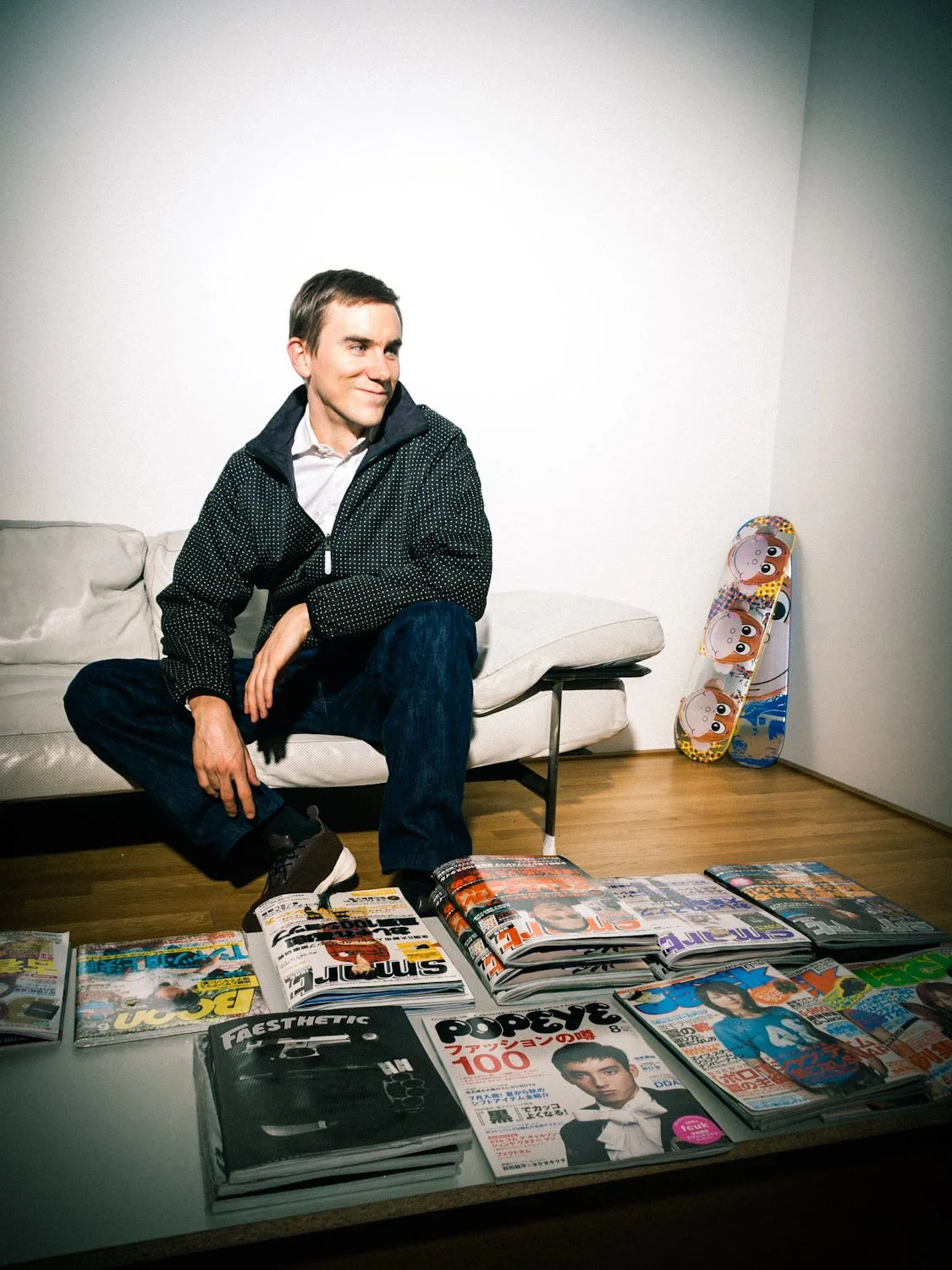
N: What is your plan for these things?
J: This sounds a little pessimistic but I don’t know if we have other things we need to be focusing on in the next 20 years than looking at shopping bags. And then why would I keep all of this if it's worth nothing. To me, yes, it means something, but in a bigger context, does it matter? I think that in the future, having money will be more important than having a shopping bag from the 90s or a T-shirt.
And by money, I don’t mean luxury or status. I mean the freedom to move, to live wherever life feels most comfortable. To adapt to changing situations without having to worry. And to not, quite literally, carry so much baggage around. Physical things can become a burden if they tie you down.
I would like people to have access to my archive but we recently had a break-in, and some things were stolen. I’ve learned that a lot of it can be found again and bought back, but I’ve become more reluctant to show certain pieces because they might attract the wrong kind of attention.
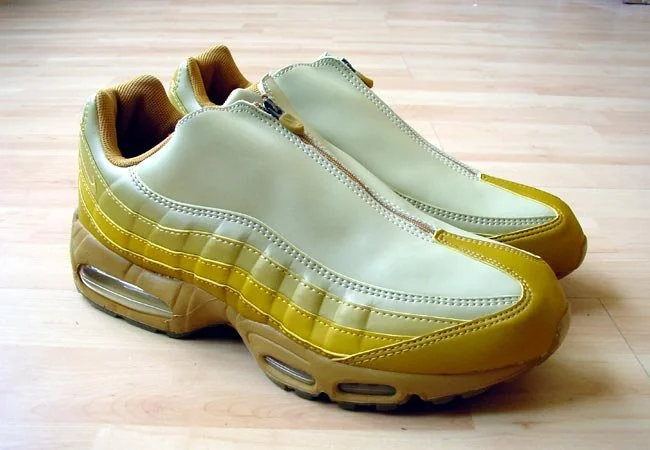
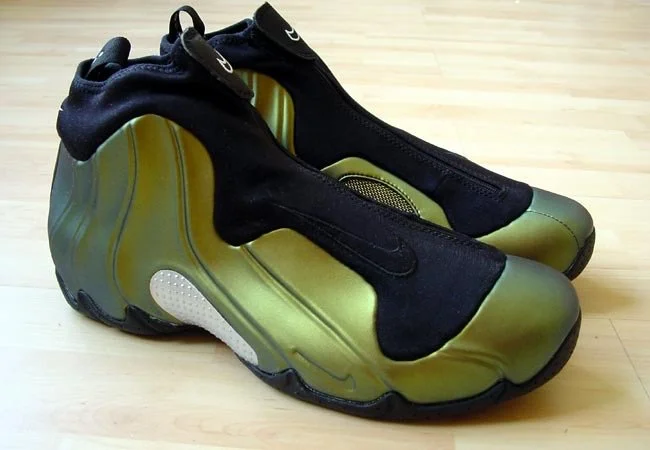
N: You have a lot of Nike Flyposites. What do you like about them so much?
J: I loved the fact that they looked so new, so futuristic. It was the shoe I imagined stepping into the next millennium in — from 1999 to 2000. That shoe felt like the year 2000 to me.
I just got the Clogposites, which, at the time of their first release, you could only get in Japan.
N: If we were to look into your wardrobe, what would be the most interesting thing or two that we would find?
J: The team did a field trip to Tokyo last fall and we went to a lot of vintage stores in Koenji. It was fun to see a lot of the things I still have in my wardrobe on offer there. Polo Ralph Lauren chinos, Levi’s 501s in all colors (red, orange, green). And the crazy thing you would realise when I would let you inspect these pieces is that they are actually all made in the US or Canada.
I really like these pieces I have from Anarchic Adjustment. I think that's probably my favorite brand from the time. If you research them, you’ll find some really great images from bands: EMF, Jesus Jones, Dee-Lite. Towa Tei, the DJ of Anarchic Adjustment, wore head to toe Anarchic Adjustment all the time. I have a beanie in the shape of two gloves. That’s very odd but still very cool. I did wear that to raves, too. The most precious I would say now is the original International Stüssy Tribe jacket that I was able to find just recently. A definite grail of mine since I first saw it in Berlin in a store in 1991.
N: Do you have any regrets from your early career?
J: I should have done things myself. I should not have had partners in whatever I did, because I felt I was always the driving force behind things. There were a lot of people that I dragged along, and that was unnecessary. I didn’t need anyone else - I could do most myself. Not alone in the sense of a one-man show - there are amazing people on my team now - but the initial spark, the setup, the idea, that was always mine.
If you’re confident in what you want to do, then do it yourself. There will always come a moment of disagreement with whoever you’re in the boat with. That can be a good thing, and sometimes it pushes ideas further, but when it’s your own project, you should be the one steering. That clarity makes a difference.
N: That's great advice. What are some of your biggest personal achievements? What would you like people to remember you by?
J: Beinghunted., I think? Creating that because there wasn’t anything like it at the time. Yes, there were websites on sneakers. There was a guy who had a little website as well, but the way that I set it up, it became a digital magazine with features and full-screen articles that nobody else had done before. I really paved the way for people accepting that this is a cool thing to do and not just some weird, nerdy bulletin board.
Beinghunted. wasn’t just about cool sneakers or collectible toys or T-shirts. It covered a wide range of things, including art shows, new artists, music, photography, and design. It was about building a reference point that made space for all these different topics to exist next to each other. That’s what made it different. It gave context to a world that was still coming together.
I think it helped people realise that documenting this space could be meaningful. Not just hype, but something with actual substance.
N: Does it feel good to know that you've done something new?
J: I think so but maybe I’m the only one who realises this. Now maybe it’s taken for granted.
There’s a statement in the Colette anniversary film where they interviewed a lot of people, including Virgil Abloh. He mentions Beinghunted. as the source for products and that's how he found out about Colette.
He was on the site quite early on. He even took part in the giveaway for the Heineken Dunk that we did. I think the right people know because they were there from the beginning. People know the store I created and they know what it became.
N: What is success to you?
J: Being more flexible with work and private life. That comes down to what means you have, specifically time. Time is what matters most.
I have the biggest respect for people in my circle of friends who manage to be on a level of precision when it comes to how they communicate, who they work with and how they organiSe their working environment. I don’t have the hours in the day to be like that. I need to be more single-minded on what Beinghunted. is. People don’t know what we are - are we a gallery, a consultancy, an archive, a production agency? And the answer is... yes. But maybe it’s time to define that more clearly.
N: Thank you!