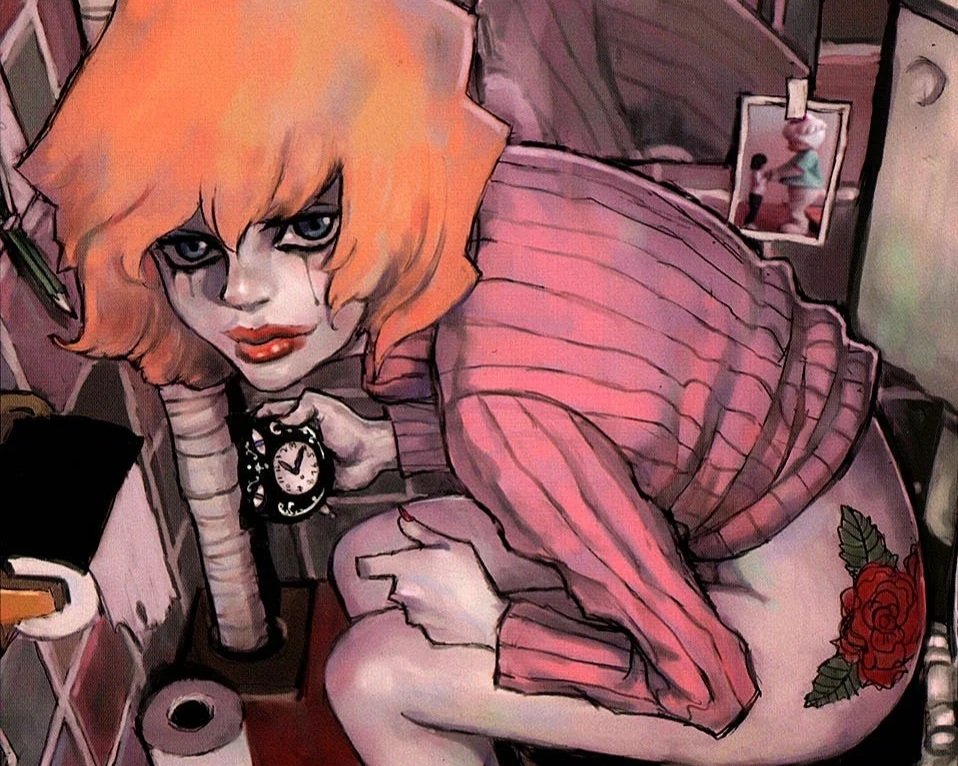
Ichi the Killer Doesn't Owe You an Explanation. sabukaru meets Sakichi Sato, the screenwriter behind the cult classic
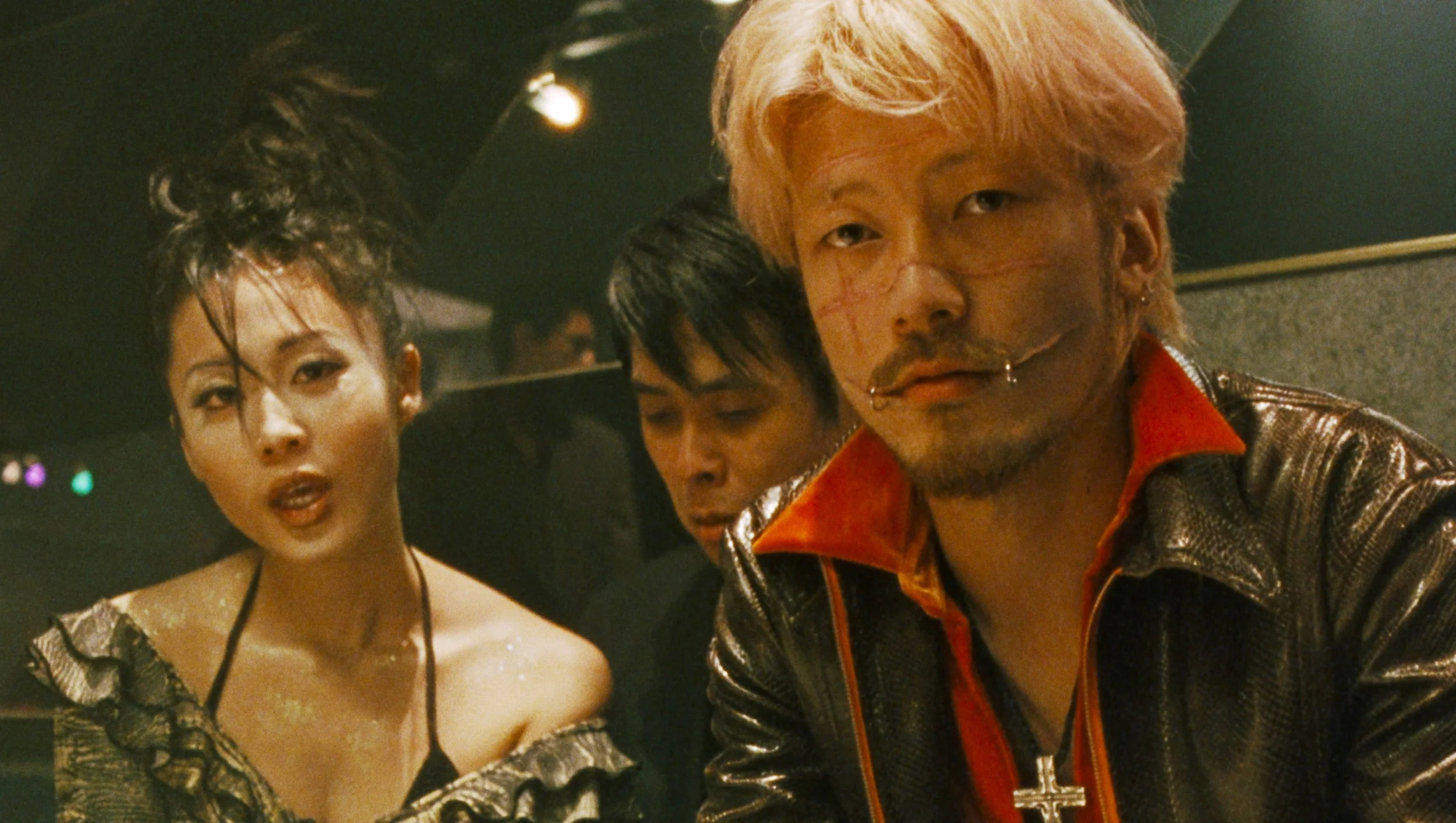
The turn of the millennium produced some of the most uncompromising cinema the world had seen, leaving an indelible mark on filmgoers worldwide. Among the films of that era, Ichi the Killer is one that comes up without fail, a reference point that refuses to be buried by time. It belongs to a specific and unforgiving corner of cinema: films where violence is pushed so far past the threshold of realism that it curls back on itself, becoming grotesque, then absurd, then somehow, inexplicably, funny.
Adapted from Hideo Yamamoto's manga of the same name and directed by Takashi Miike, the film arrived in 2001 at a moment when extreme cinema was testing the limits of what audiences worldwide would tolerate. Its characters, the deeply unsettling assassin Ichi and the sadomasochistic enforcer Kakihara, have become some of cinema's most indelible figures, not despite their extremity, but because of the strange, aching humanity driving it. Where it was once met with sick bags passed out to audiences at film festivals and bans across multiple countries, it is now shown in universities worldwide, its influence visible across a generation of international filmmakers who cite it openly.
Behind the screenplay is Sakichi Sato, screenwriter, director, and occasional actor, perhaps best known to Western audiences as Charlie Brown in Quentin Tarantino's Kill Bill: Volume 1 (2003). A longtime fan of Yamamoto's manga before he ever got the call to adapt it, Sato brought to the project not just technical craft but a genuine obsession with the source material and a willingness to push it somewhere a more cautious writer would not.
On the occasion of the film's 25th anniversary 4K restoration, sabukaru sat down with Sato to talk about adapting the unadaptable, the idea that 'Kakihara is like a young girl lost in a dream', his reaction to the film's unexpected cult following overseas, and what it means to have made something that the world refuses to let go.
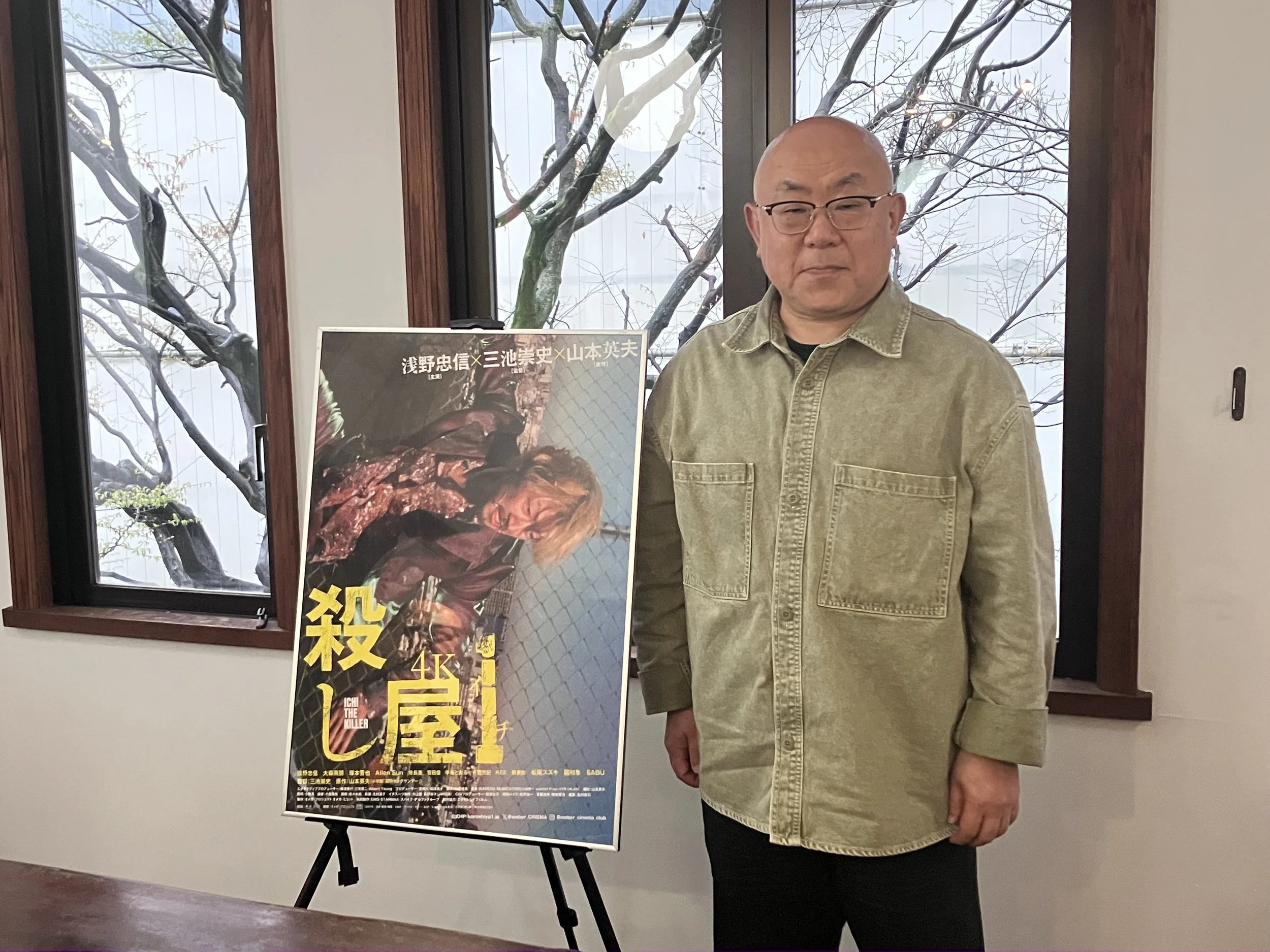
Could you please briefly introduce yourself in your own words?
My name is Sakichi Sato. I wrote the screenplay for Ichi the Killer. These days, alongside screenwriting, I also direct and occasionally act.
Ichi the Killer began as Hideo Yamamoto's manga. When you first encountered the source material, what made you want to adapt it, and what did you immediately know you needed to change?
I was already a fan of Yamamoto. I loved his earlier manga Okama Report and the Voyeur series too. So when Ichi the Killer started, I had this feeling that something on a completely different level was beginning.
I was a genuine fan of the manga, and then I was lucky enough to get the call about writing the screenplay. I remember thinking, “Can something this good actually be happening?!” But when it came to actually turning it into a script, my first instinct was just: “I want to do all of it. How do I make it so I don't have to cut anything?” Because it wasn't that any single part was expendable. Every scene was a main scene.
When I first put it into a plot structure, I realized: if I keep it exactly like this, it won't hold together as a film. So not really drawing on any formal screenwriting technique, more of a gut sense of what a film should feel like. I kept testing it, over and over, and gradually shaped it into something closer to a movie.
The screenplay strips something out of the manga and amplifies something else. How conscious was that process? Was there a particular scene or character where you felt you had truly made it your own?
Our producer, Dai Miyazaki kept insisting, relentlessly, almost obnoxiously, that Ichi the Killer is a love story.
Just hammering it: this is a love story. So I went back and reworked the whole thing from that angle. Particularly the dynamic between Kakihara and Ichi, specifically Kakihara's unrequited love. "This is BL," he was saying. "This is a romantic comedy."
I hadn't read it that way at all, but once he said it, something really clicked. So I kept that as my internal compass, holding firmly to the direction Miyazaki was pointing at, while constantly thinking about how to bring across what made the manga so compelling in the first place.
The character I feel I really made my own was Jijii, played by [Shinya] Tsukamoto. When Ichi hits a slump, he just flies into a rage. And in that rage, there's a line: "At this rate, you'll never grow up." And you think, "Who are you to say that?"
That line wasn't in the manga. But I got it out, and I feel like with that, Jijii became mine.
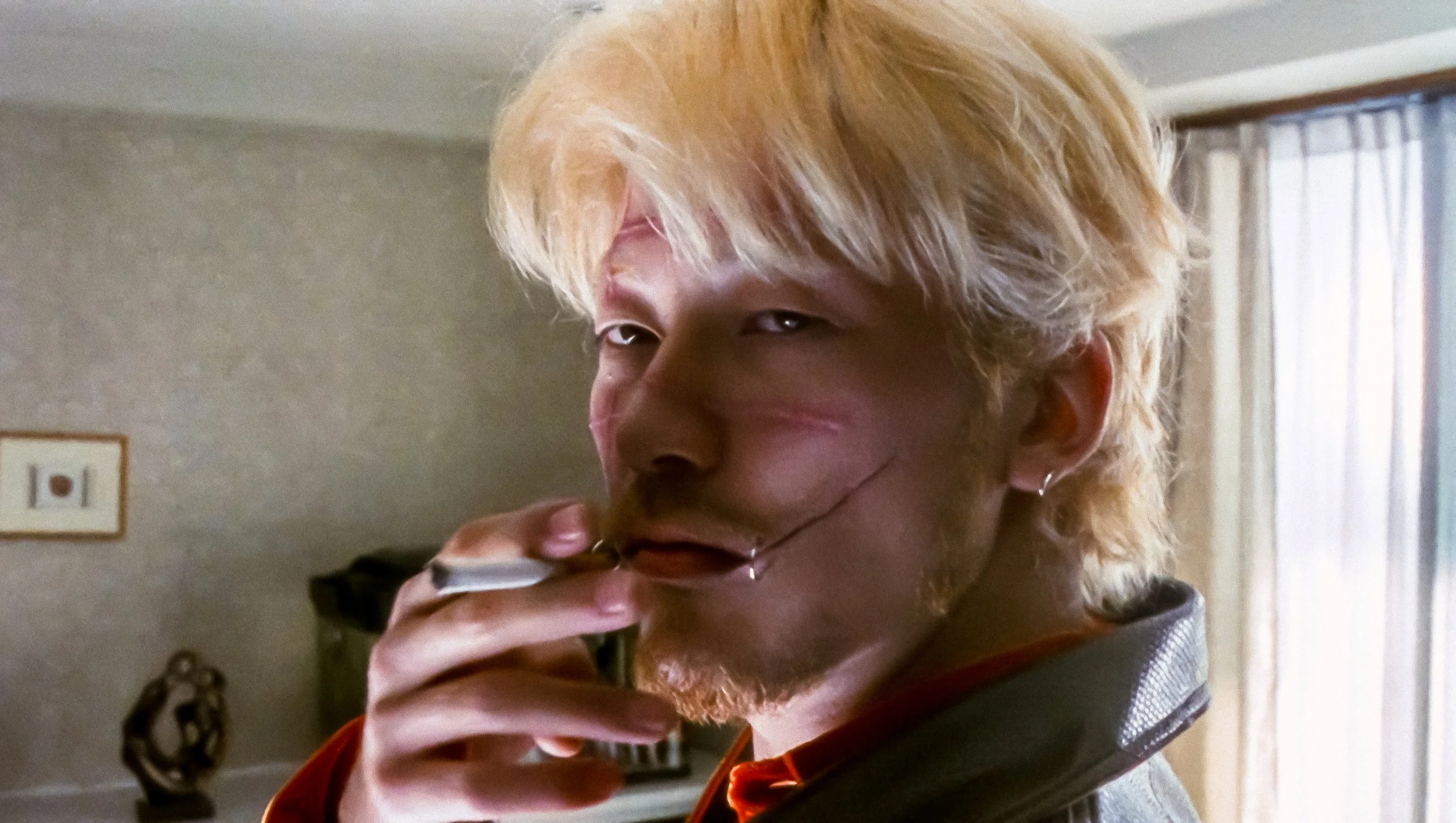
Kakihara is one of the most fully-realized antagonists in Japanese cinema of that era, arguably more compelling than Ichi himself. How did you write someone whose interiority is almost entirely expressed through the extremity of what he wants and what he will endure?
Kakihara is genuinely hard to grasp just from reading the manga. Lines like "There's no love in your violence." That kind of thing was difficult to understand.
But in the same way we were talking about romantic comedy and BL, at some point Miyazaki came out with it: "Kakihara is like a young girl lost in a dream." And when he said that, something really landed for me. "Right. A young girl caught up in her dreams." Someone in love with the idea of love. Once you have that, everything makes sense. The reason things go so incomprehensibly wrong is because someone like that is also committing murder.
But right at the very end, and the film's ending is a little different from the manga, as Kakihara is cornering everyone, he keeps saying things like "There's no love in your violence", "You have no imagination."
But then, in the film only, when he's confronted with Ichi in a situation that's the opposite of what he's been chasing, I found myself asking Kakihara directly: “How are you going to get through this? You've been telling everyone else their delusional power isn't enough, so surely you can get through this too?” and in that final moment, Kakihara arrives at that realization himself. So when he drives the needle into his head, into his brain, in that instant, rather than facing reality, he's fully inhabiting his world of delusion. And within that delusion, what appears from the outside to be an act of suicide is, to Kakihara, being killed by Ichi. It's a little complex in a way.
A dreaming girl, but lacking in delusional power, but with all that violence. An innocent demon, a demon without malice. [wry laugh] I think that's what people found interesting, or at least I hope so.
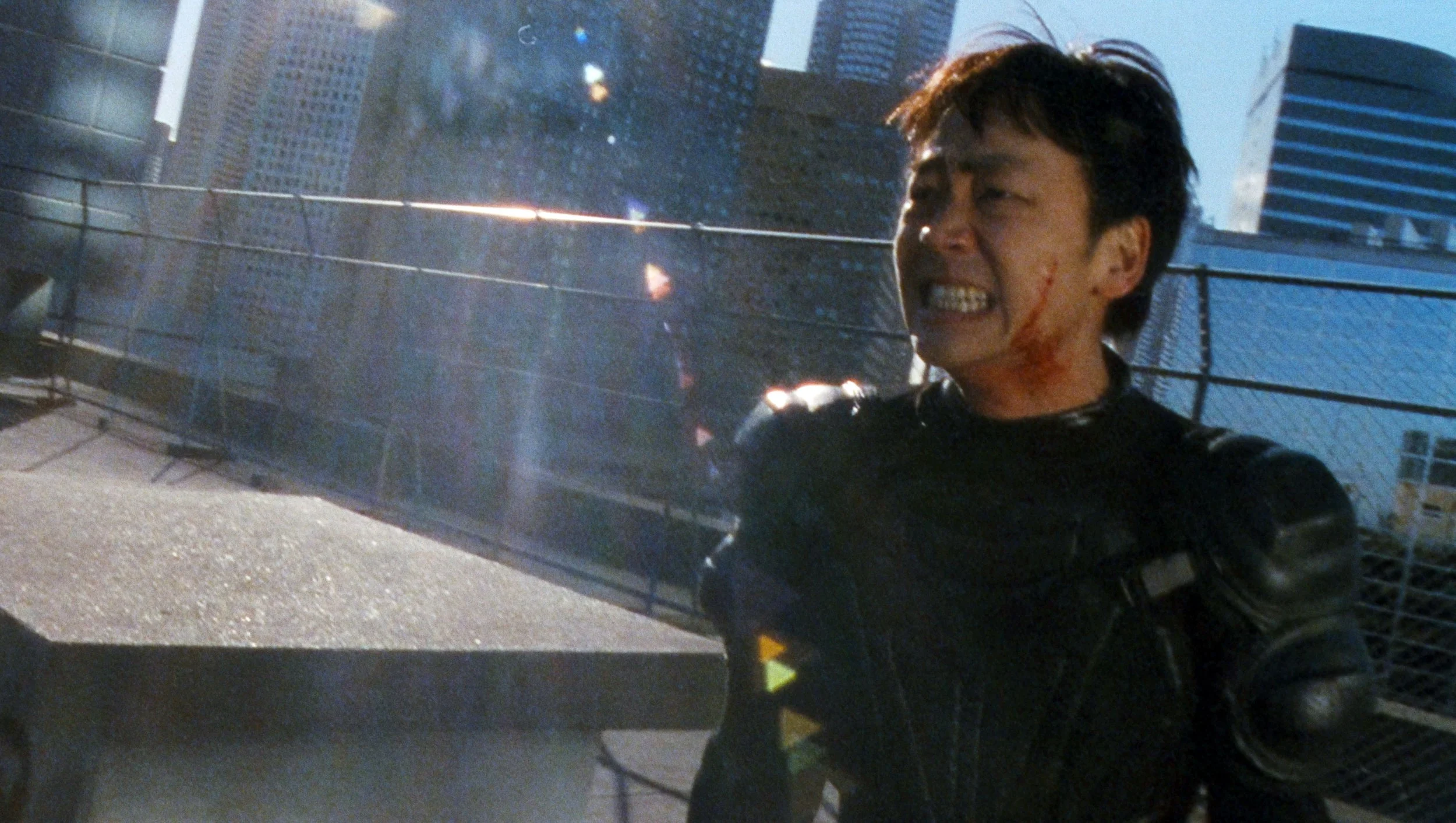
How did your working relationship with Miike function on set? What was it like bringing the characters and story to life together?
[laughs] Well, there's a lot I could say about this, but honestly, there was basically no time to sit down with Miike at all. He was just constantly shooting other projects. So rather than building something together, the way it actually worked was: Miyazaki would go to Miike's busy set, gather his feedback, and bring it back to me. We were both creating through Miyazaki as an intermediary. I never really knew what notes, if any, were coming from Miike directly. But looking back now, I don't think there were many. It was more like we were trusted and left to it. Miyazaki and I working it out, thinking "Let's try it this way this time, is this okay?" That kind of feeling. So all things considered, the atmosphere was pretty much one where we could do whatever we wanted.
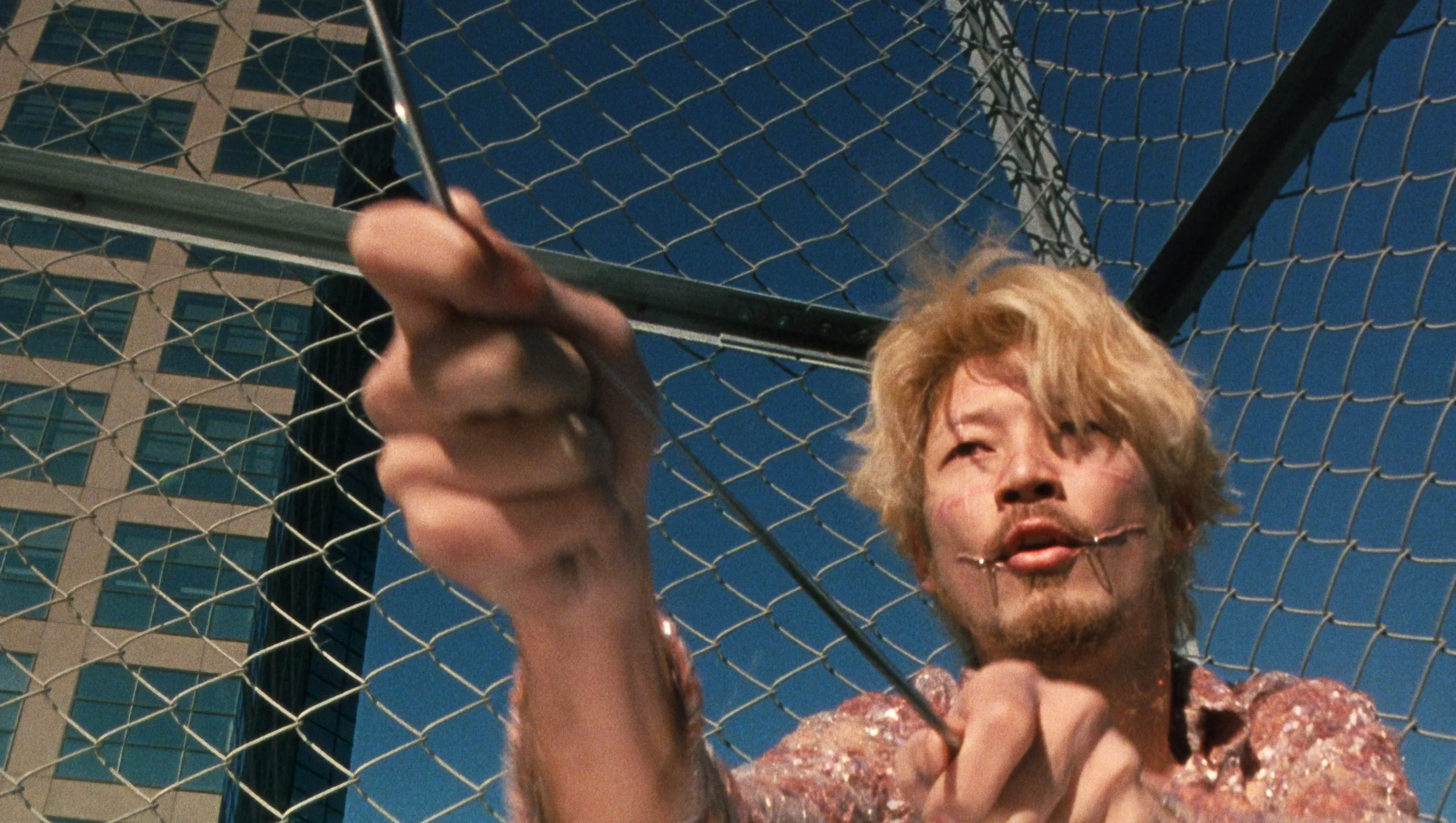
The film came out in 2001, a very specific moment for extreme cinema globally but also for the Japanese film industry. How did it feel to release something that transgressive into that particular cultural moment?
Hmm... Somehow, Miike, Miyazaki, and I, we were never really riding the current of Japanese cinema. We were always positioned as heretics within it. And then when we did Ichi the Killer, it hit surprisingly well.
So up until then, within Japanese cinema, completely ignoring things like "you have to listen to what these people say" and "you have to follow these conventions", just doing only what we wanted to do, and yet it was a hit on release. So there was a feeling of: we pulled it off. That feeling was there. But in the end, all that meant was that we were continuing to push back against those same people, so I had the sense that with the flow of Japanese cinema, the situation had become even more entrenched against us. [laughs]
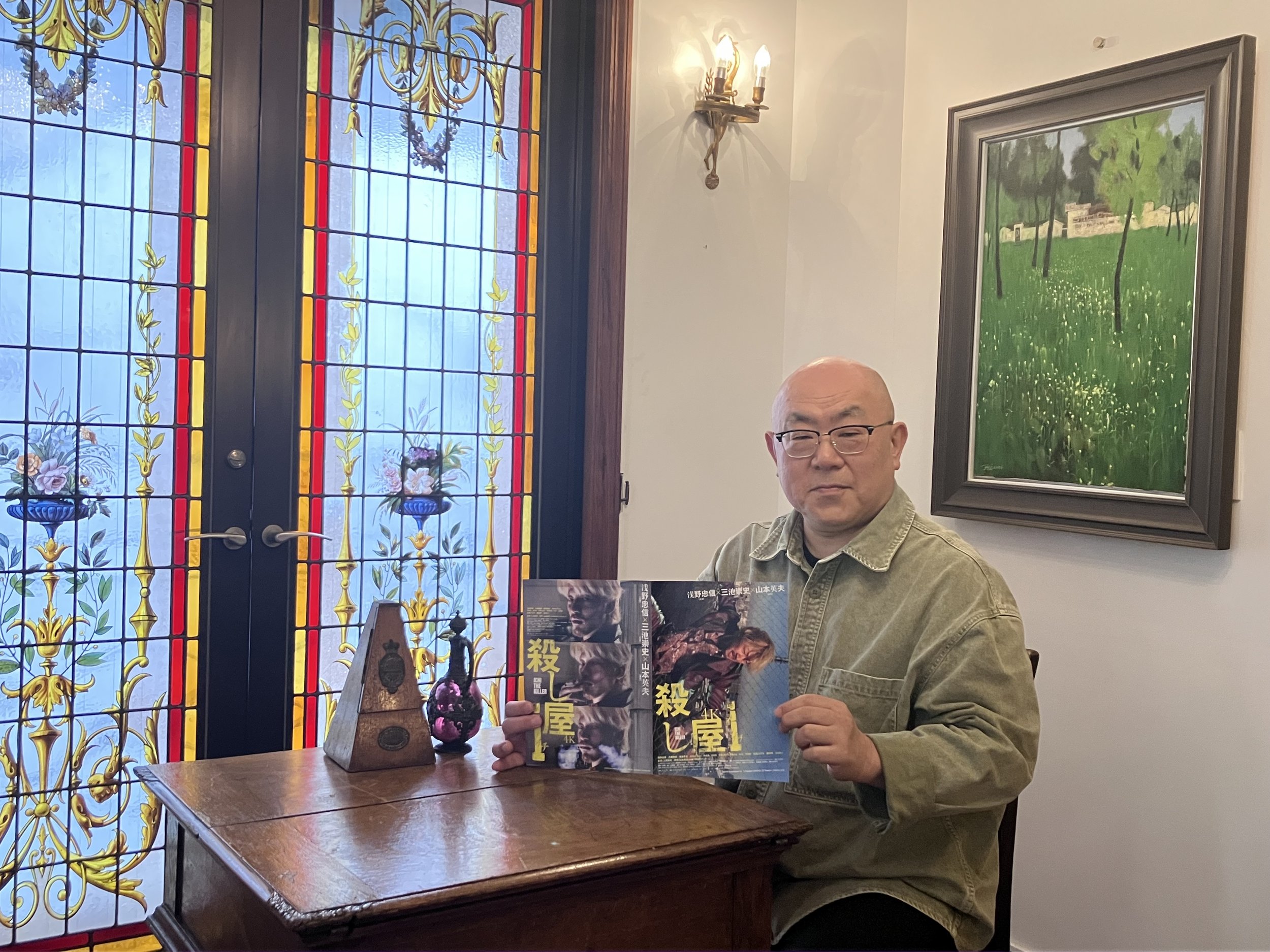
The film was censored and banned in several countries. How did you receive that response at the time?
I'd heard rumors about film festivals, Toronto especially, that they were actually handing out sick bags. But what I had no idea about at the time was that Ichi the Killer would go on to be embraced so deeply by film audiences worldwide, that it would become the kind of film people call a masterpiece. I had no sense of any of that.
Then five or six years after release, when I started directing and went to international film festivals myself, I found that just being the screenwriter of Ichi the Killer commanded this enormous respect. I was genuinely just grateful. And on top of that, both Miyazaki and I had made this film in a situation where we felt like: “if this doesn't land, we're done”. That a film made under those stakes ended up being received the way it was, and that it's still being treated this way today, getting a 4K release, it makes me feel genuinely lucky. I'm glad I got to be part of it.
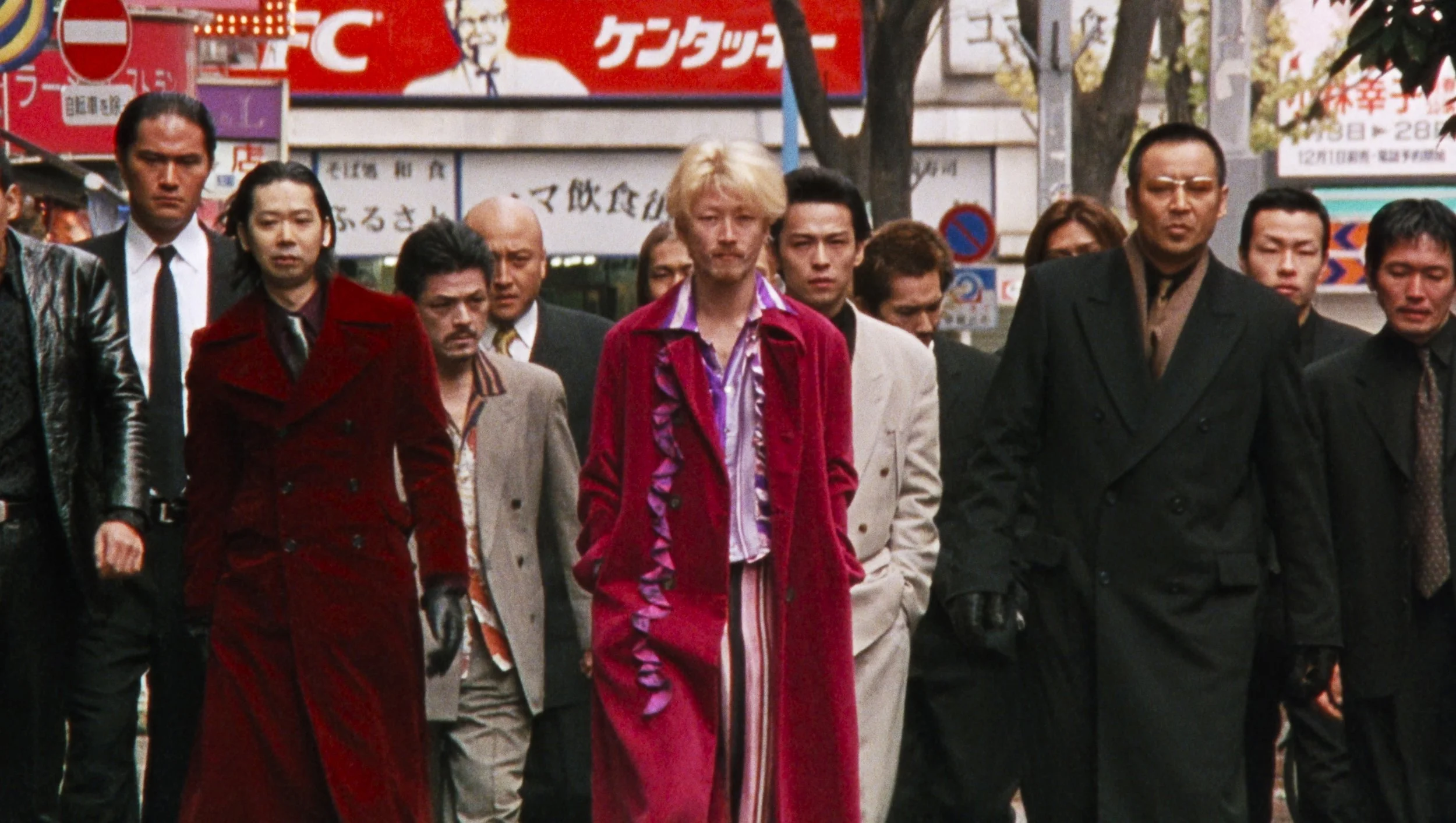
You are a screenwriter, director, and actor. When you wrote Ichi, how did your experience as a performer shape how you wrote for the body, for pain, for movement, for what violence looks like from the inside?
[laughs] I do appear in Ichi as well. And yes, the experience of pain, of performing something you've written yourself, in a script you wrote yourself... things don't go the way you expect, and realizing how badly they don't go, you really only understand that when you try it.
That's true for dialogue too, but really it's about the body. I always think actors are incredible. Getting to work alongside them here and there, they really are people who can do anything.
As I mentioned, there's that scene where my character kicks Ichi. I did my version of it, but then Miike gave me direction: “'Kick with a bit more force than that.” And I thought, "Oh, you really go that far..." That ability to just put it out there from the start, that's what an actor is. So if anything, getting to act has fed back into my directing and screenwriting. Not holding back, but in order to make it more real, this kind of line, this kind of action, by embodying it myself, and then drawing on that. That's probably something I do a lot.
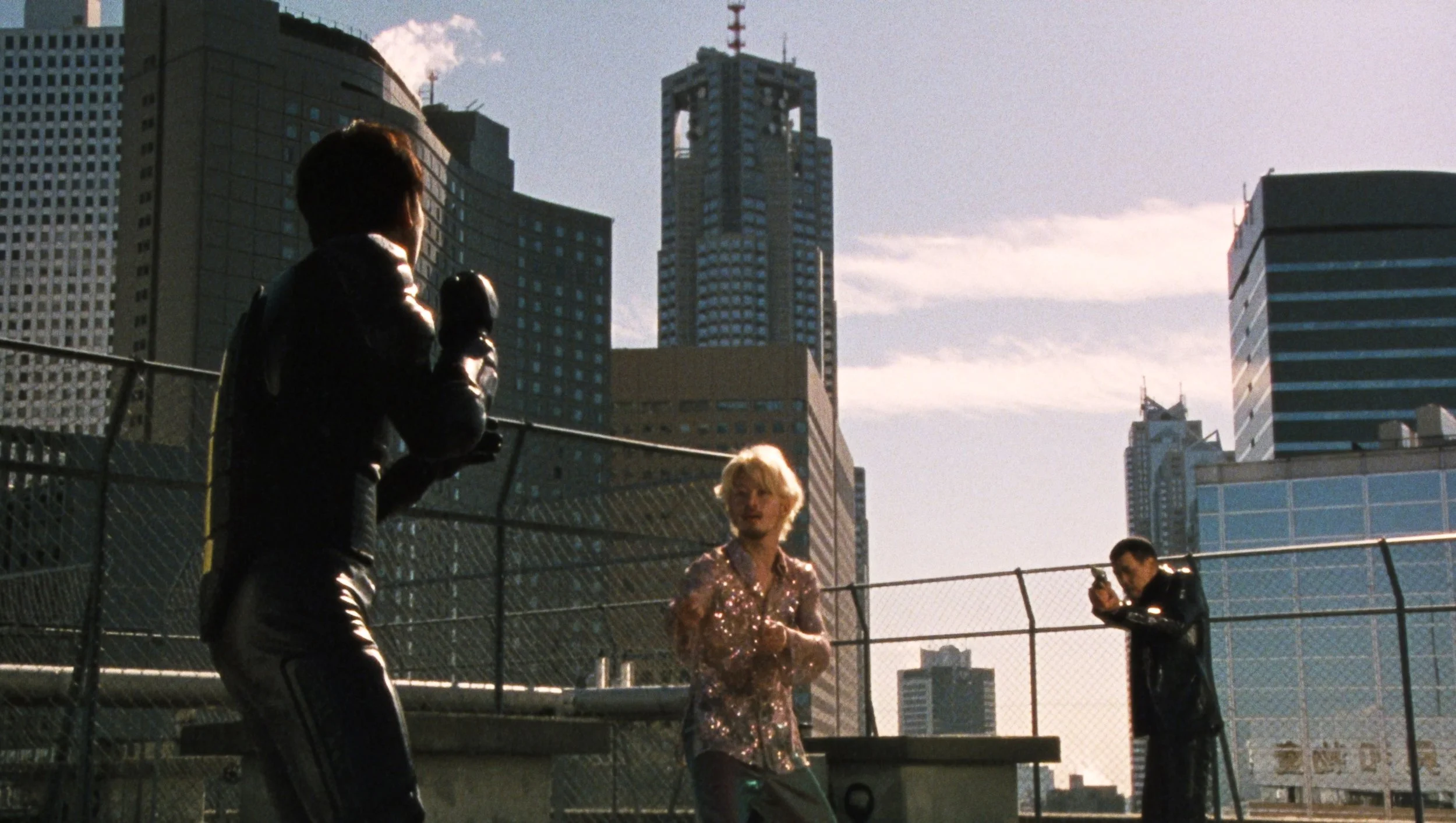
Ichi has accumulated a significant international cult following over 25 years, often framed through the lens of extreme or transgressive cinema. Does that framing capture what you were actually doing?
I never imagined for a moment, while we were making it, that it would land globally as this kind of cult film. So I mean... honestly, I don't know what to say.
But I think there are people out there in the world who feel the same way, people who just want to see something they've never seen before. Those people exist. And beyond that, everyone took it more personally, more sensitively than I ever expected.
What really surprised me was, years later, ten-odd years after the film screened, I've actually run into maybe two people who told me they became dominatrixes because of it. And I was just like, "...Wait, does it actually have that kind of hold over people?" That sort of thing.
And then on top of that, because I write scripts for that kind of work, people assume I must be pretty out there myself. But honestly, if you actually sat down and talked to me, you'd get it pretty quickly. I'm just a regular guy. Well, maybe not a completely "regular" guy [laughs], but I definitely don't have those kinds of tastes personally. So I get the feeling that people coming from that world, when they actually meet me, are probably a little disappointed. That happens sometimes.
25 years is a long time to live with a work. Is there something in the film that surprises you when you return to it now, something that landed differently than you expected, or that you would do differently?
Probably if I were asked to do it again from Yamamoto's original work, I don't think I'd do such blatant depictions of violence.
Men get put through it too, but why do the women have to suffer like that? It comes from the source material, so that's why it's there, but watching it again after all this time, rewatching it now, at this time in my life, it's almost too painful to look at directly. [laughs]
I know those specific scenes are coming, and when they arrive I was truly in shock, genuinely shaking a little.
I couldn't make logical sense of what all this brutal depiction was for, watching it back. So if I were doing it now, something has shifted inside me over these twenty-odd years.
Maybe I've just ended up conforming to how the world has changed. But back then, twenty-odd years ago, I think there was something in me like, I won't say this kind of depiction is necessary, but I'm going to stake something on this kind of depiction. I'm going to go all in. I think that was there. Back then watching it I had absolutely no doubts, not a single question, and if everyone's shocked, well… of course they'd be shocked, that kind of feeling.
But looking back now, that naivety is a little unsettling.
I don't quite understand what shifted in me, but if I were doing it now, even doing the same thing, the way I'd portray it would be a little different.
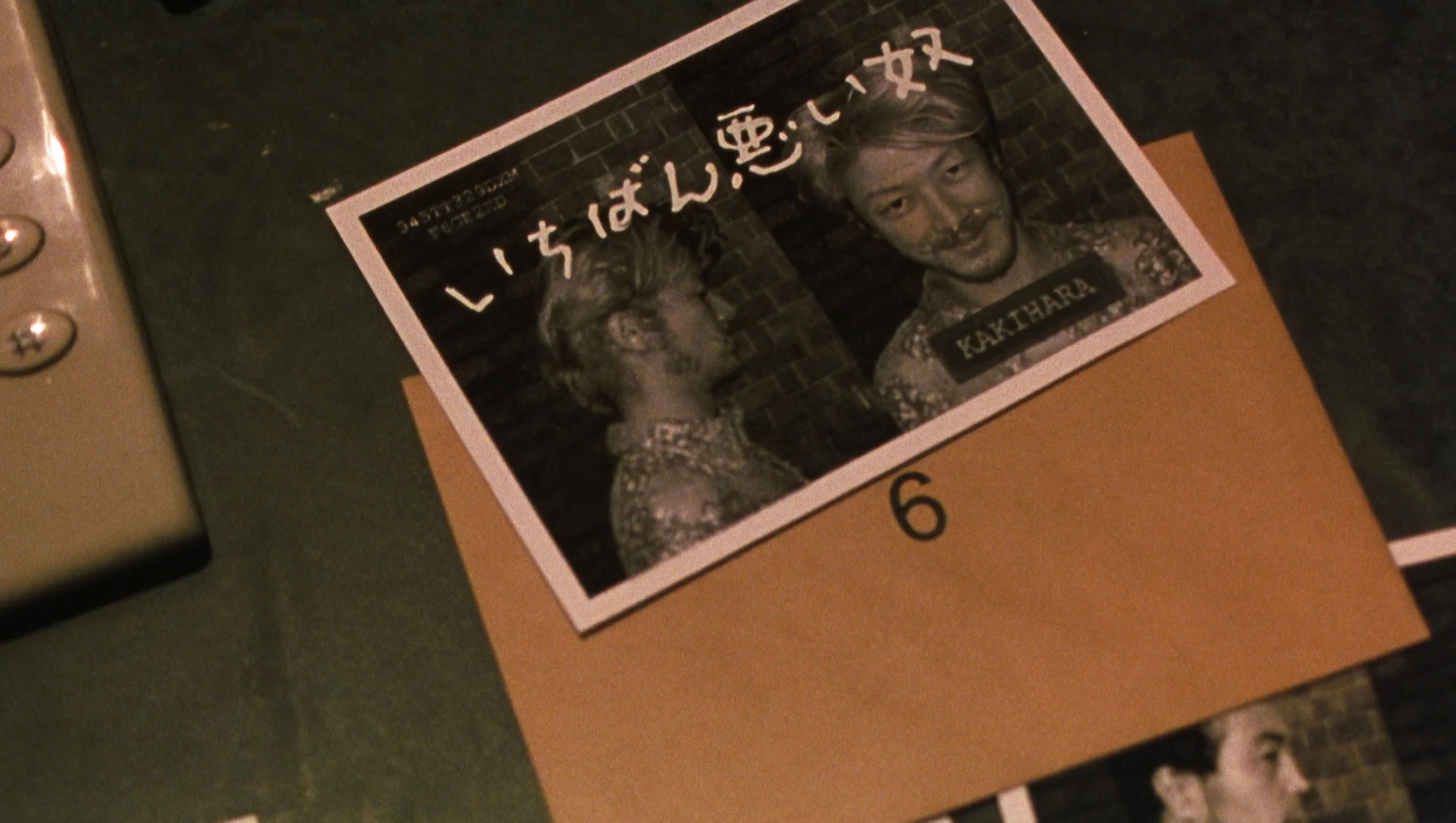
The 4K restoration was supervised by Director Miike and cinematographer Hideo Yamamoto. Were you involved in that process? And has going through a restoration like this changed how you relate to the film?
I had no idea how that process worked at all. But as I said, watching it after 25 years, there are parts that are frightening. And yet I'm genuinely grateful. Something we put everything into, something that represented our best shot, and the fact that someone went and did this 25 years later is remarkable. The fact that it's been embraced and supported by so many people all this time, I'm just purely grateful. It really is thanks to everyone.
A generation of filmmakers and screenwriters has emerged who cite Ichi the Killer as an influence. How do you feel about that kind of legacy? Is there anything about the way it's being carried forward that gives you pause?
Internationally, it's really significant. Overseas fans will openly say they were influenced by it, and you can see it reflected in their work. But in Japan, surprisingly, you don't see it all that much.
The real film lovers, the cinephile types, have seen it, but there's a real gap in enthusiasm between Japanese and overseas audiences. Overseas, young filmmakers just getting into film are all watching it at university. Professors are showing it alongside other films as a masterpiece. In Japan, showing it would probably be considered problematic in itself, so it's hard to screen. But even so, people who are going to watch it do watch it. And when they tell me they saw it years ago or just recently and it was incredible... It means a lot, and yet, how long are we going to keep talking about Ichi the Killer? [laughs] I've made things since then too, but it feels like I still haven't been able to surpass it.
In fact, my screenwriting mentor, a man called Shoichi Maruyama, wrote the screenplay for "The Beast to Die” (1980), the incredible Yusaku Matsuda film. When I ran into him again five or six years ago after a long time, he said: “You know, I'm still going strong, but I just can't get past ‘The Beast to Die’.” And I thought, well, same here, people are going to say the same thing to me.
And sure enough he said, “You can't surpass Ichi the Killer, can you?”
And what could I say to that?
But that's just how people see it, and every time someone brings it up, I feel like it's still sitting there as the next thing I have to surpass.
Could you tell us about what you're currently working on? And do you feel any connection between who you are now as a filmmaker and who you were when you wrote Ichi?
Right now I'm mainly focused on directing. I finished shooting something last October that's coming out this year. The approach I want to take is something like what Miike did on Ichi, gathering interesting people around you, letting them do what they want in a sense, and then taking what they've done freely and making it your own. Quentin Tarantino is like that too, actually. He doesn't give that much direction, but he just gets the actors and crew fired up, and then takes what everyone genuinely wanted to do and makes it his. That's an attitude I really want to learn from.
I'm not the kind of director who imposes himself, so telling people to do it this way or that way would be presumptuous, and honestly that's probably how projects go wrong. When the staff and actors I think are great get to relax and just run with what they love, sometimes something completely extraordinary comes out of that. I want to keep that attitude in mind as I go into my next project.
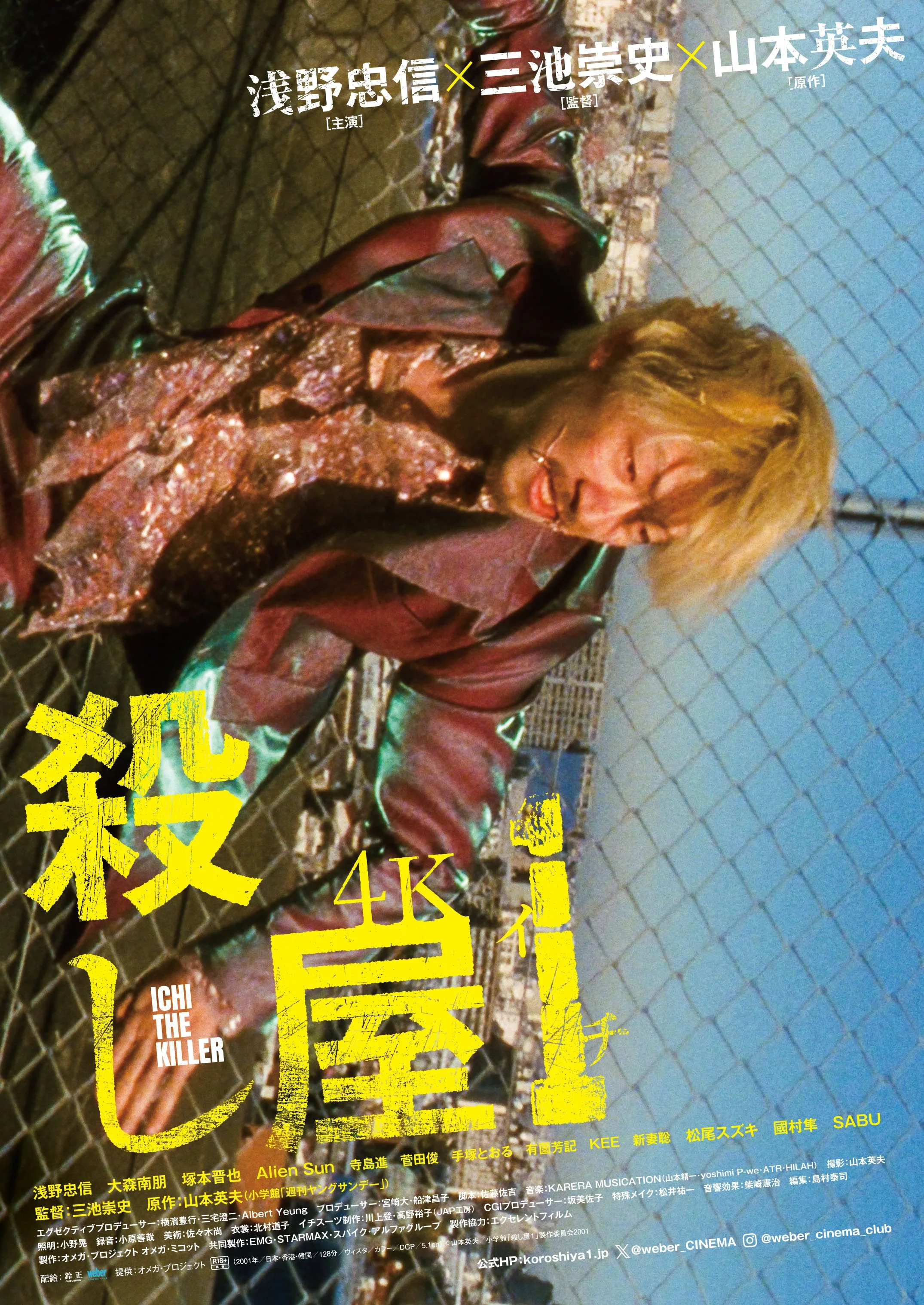
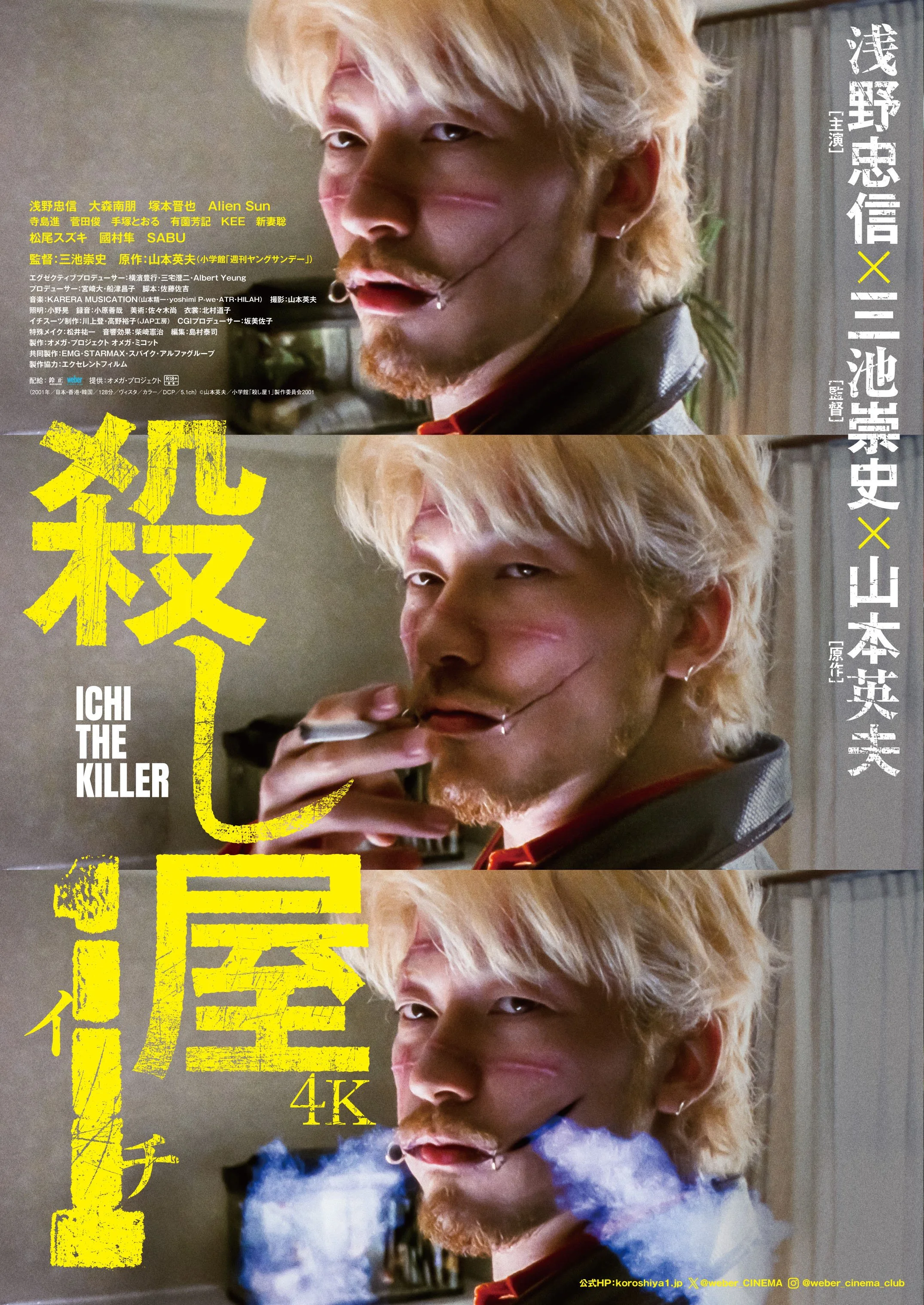
Ichi The Killer will be released in Japanese cinemas in 4K restoration on May 15th.


![Ichi The Killer [2001]: Behind the Styling](https://images.squarespace-cdn.com/content/v1/57825361440243db4a4b7830/1643714051001-L0BAX8IPH04XE3K38UJN/tumblr_p7kws8LiMS1wiassio5_1280.png)