The Lasting Impact of Last Orgy 2: A Conversation with Nigo and Jun Takahashi
Not many creatives have shaped the world of streetwear and fashion like Nigo and Jun Takahashi. Both names stand for Japan’s lasting impact on global fashion, acting as connection points that helped bridge cultures into what we understand today as modern streetwear.Not just influencing a generation of streetwear kids, they have paved the way for many designers, products, and legendary drops. Their work can fill books, museums, and magazines around the world.
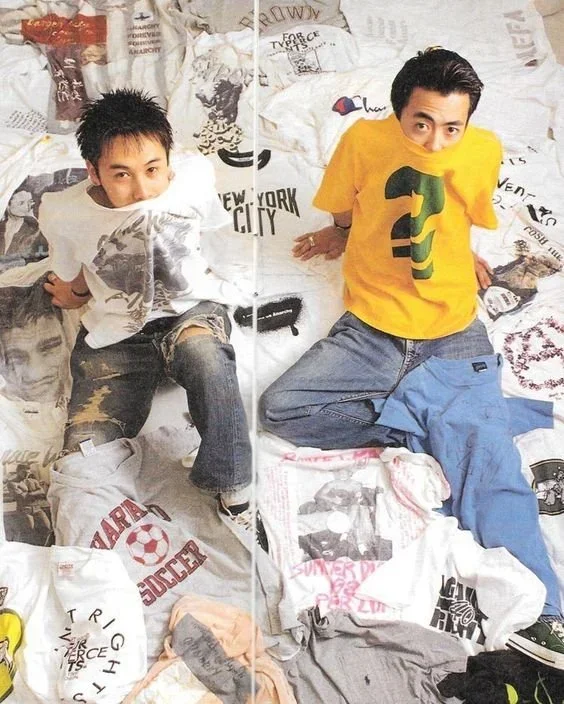
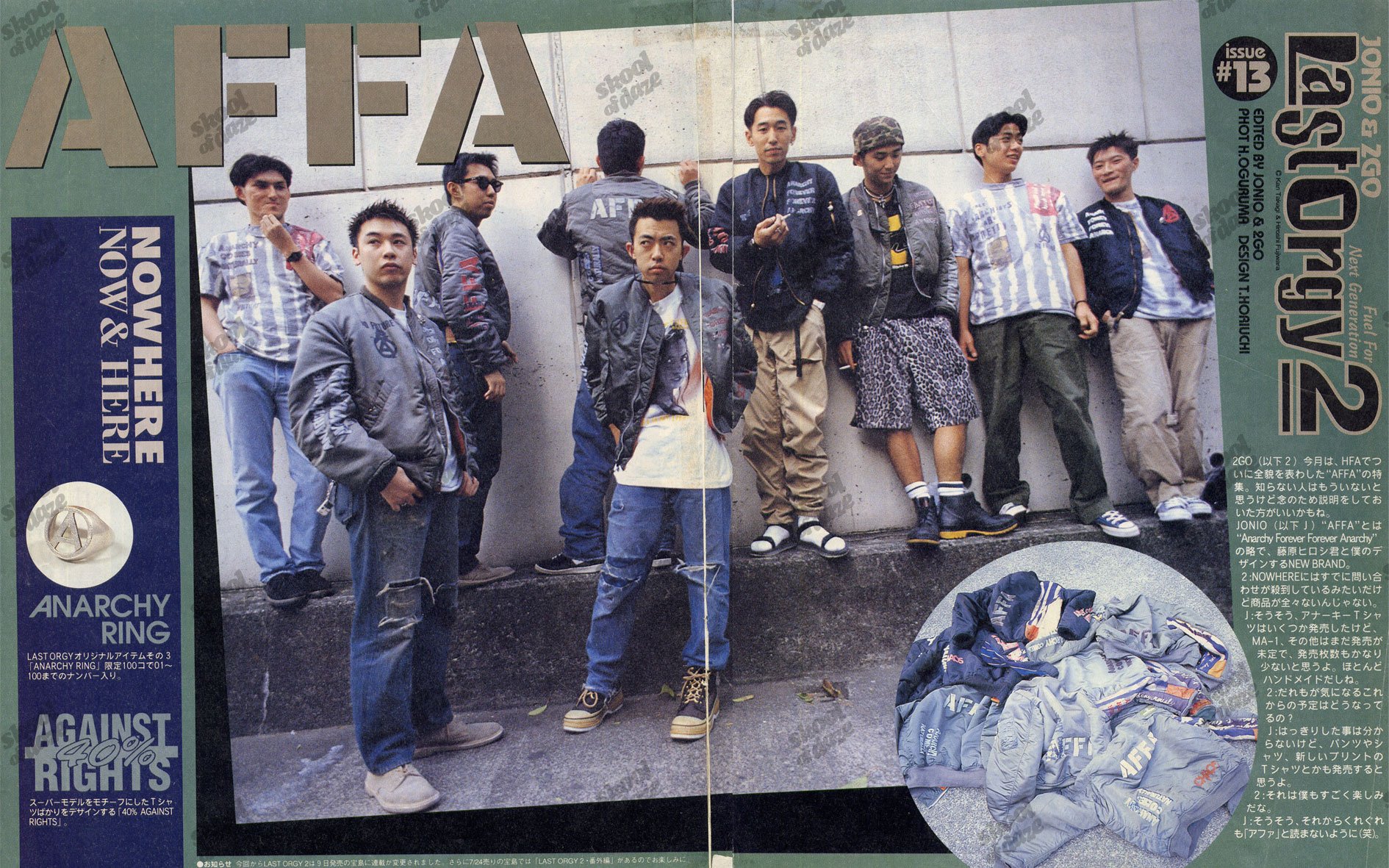
And before their work was able to fill books and magazines, they were already writing their own column. The story traces back to Last Orgy, a column by Hiroshi Fujiwara and Kan Takagi in Takarajima. At a time long before Instagram mood boards and even the internet, it became one of the first real connection points between Japan and global streetwear culture.
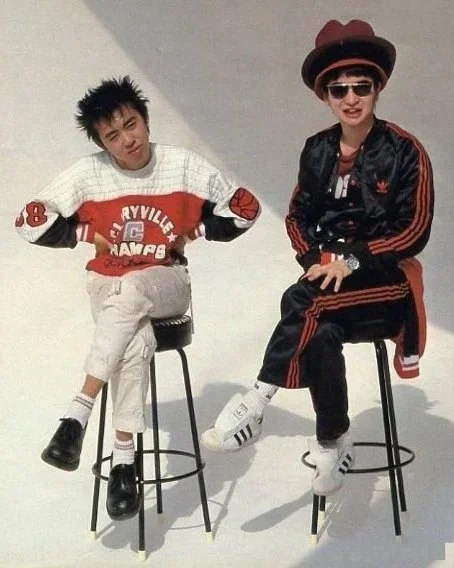
Years later, Nigo and Jun Takahashi continued this energy with Last Orgy 2, first as AZ and later in Asayan. These pages presented themselves as what we would now call mood boards, cultural filters, and early influencers.
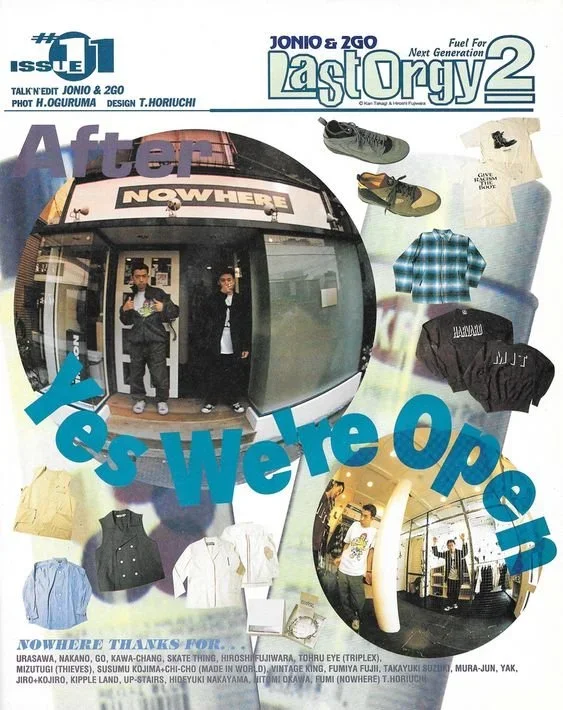
Last Orgy 2 became the original influencer for a whole generation of streetwear and fashion enthusiasts. From their Nowhere store in Ura-Harajuku, Nigo and Jun Takahashi set out on a journey rarely seen, shaping the global landscape of streetwear.
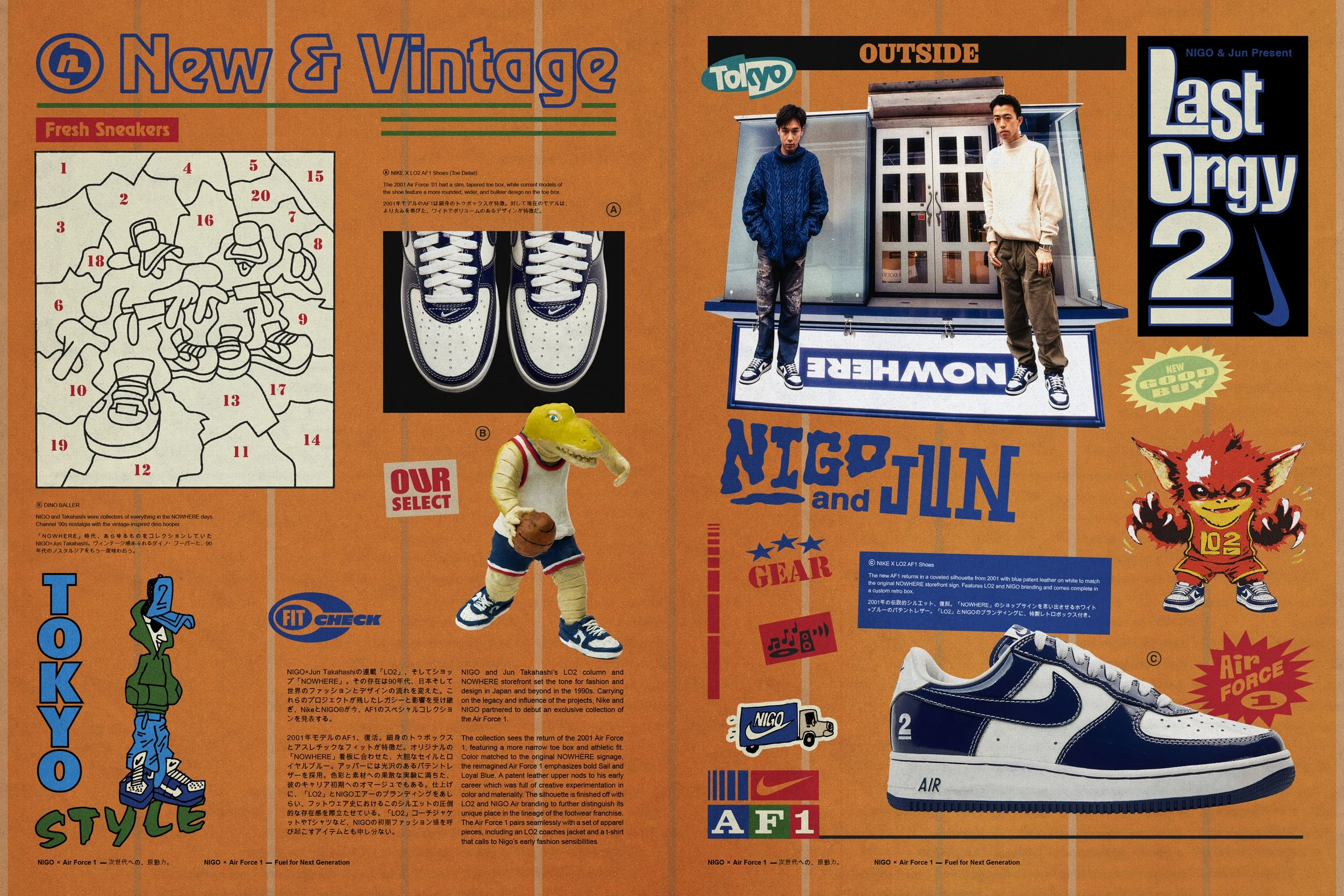
And in 2026, that impact feels as strong as ever. Continuing this, Nigo is now teaming up with Nike to begin a multi-season Nike Air Force 1 journey, debuting a pair in Sail and Loyal Blue, the exact colors of the original NOWHERE store sign, directly referencing its legacy. Future Air Force 1s and forthcoming styles will continue to draw from Nigo’s friends and history. The Nike x Nigo LO2 Air Force 1 and apparel collection will become available May 1 at the London Design Museum, coinciding with the opening of Nigo’s exhibition, “NIGO: From Japan With Love,” before launching May 2 at humanmade.jp and Undercover Aoyama.A full-circle moment that keeps on moving forward.
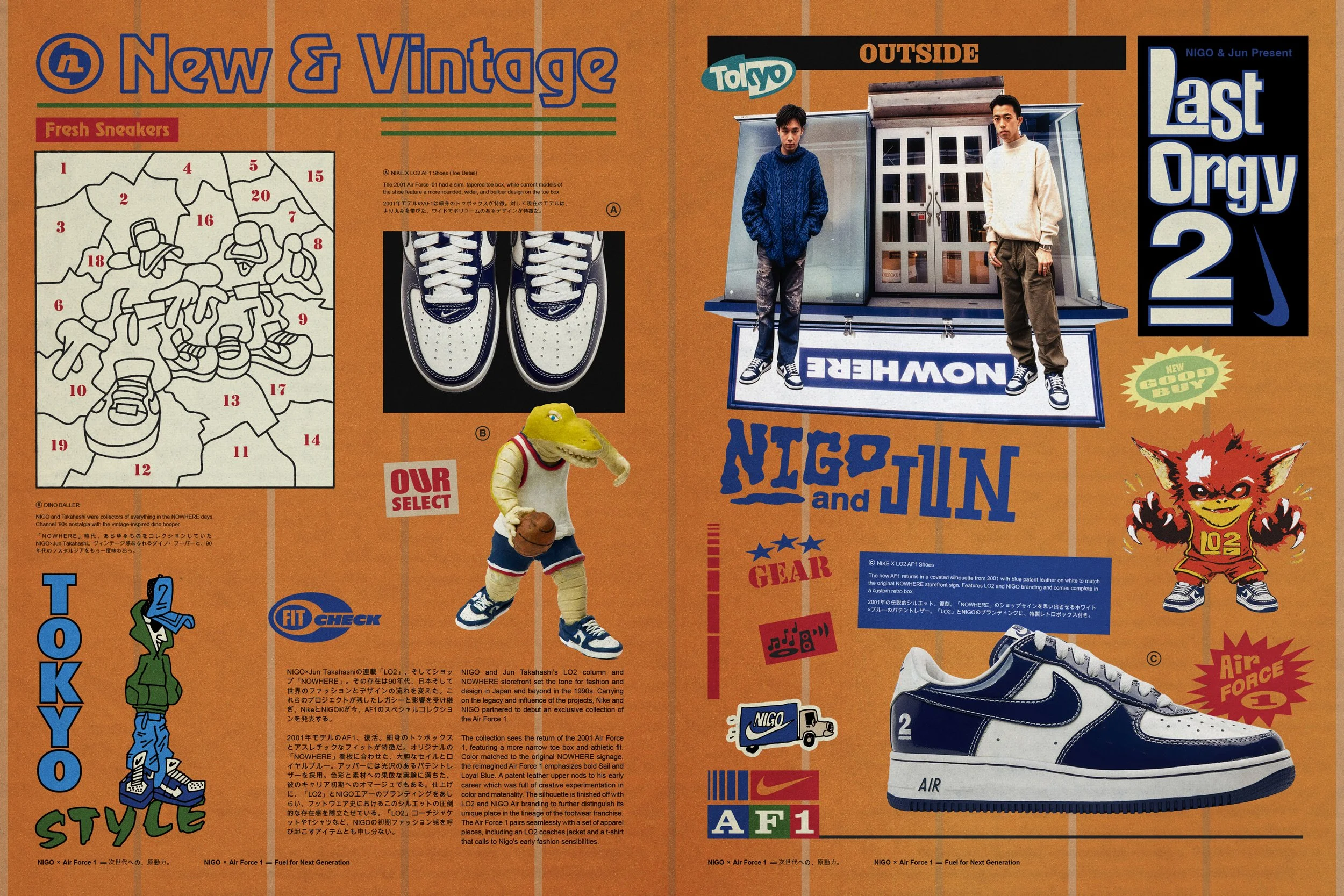
We at sabukaru asked Nigo and Jun Takahashi to talk about Last Orgy 2, its lasting impact, and the new Nike Air Force 1.
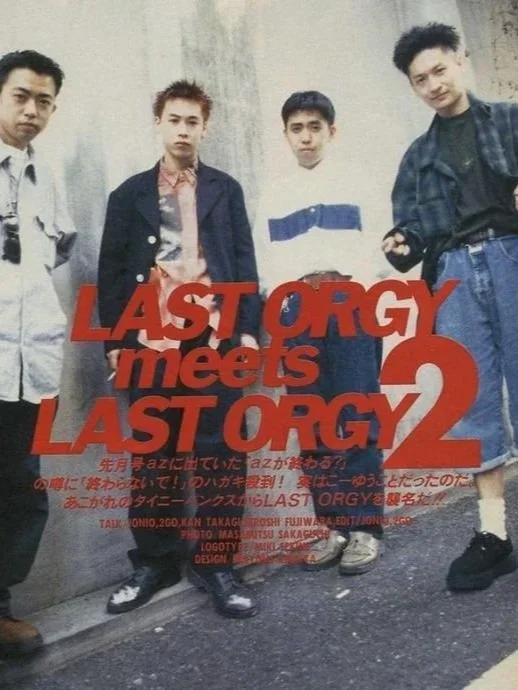
With this new AF1 journey with Nike, bringing Last Orgy 2 back into focus and into stores and outfits again, how does it feel to see that legacy continue through a new form, and to realize that, in a way, Last Orgy 2 was never really over?
Nigo: It’s been over 30 years since the two of us started, but JONIO-kun and I still grab dinner every month and stay in close contact. As the generations cycle through, some people might find what we do nostalgic, while others might find it fresh. I’ve never once thought about it ending; we are always just being ourselves.
Jun Takahashi: It feels very surreal. Just as you said, LAST ORGY hasn’t really ended, so moments like this make me realize that all over again.
At its core, Last Orgy 2 was more than a column; it was a way of sharing taste, obsessions, and points of view. How do you look back on the power that print, words, and curation had at that time? And how are you continuing this approach with your work with Nike around this launch? And with this new Nike x Nigo AF1 journey ahead.
Nigo: Today’s convenience isn't a bad thing, but I feel truly lucky to have lived through a time when information only existed in print or magazines. It’s given me the advantage of having two "weapons": the physical and the virtual. In the era of print, there was no real-time information; you had to go out and find things yourself. Everything was "limited" by default back then. By releasing these items only in specific locations, I wanted to revisit that old-school approach where you can’t buy it unless you actually show up.
Jun Takahashi: To begin with, both NIGO and I spent our adolescence reading the original LAST ORGY series by Hiroshi Fujiwara and Kan Takagi, and we were deeply influenced by it. Back then, before the internet existed, we were completely absorbed in the information they put out.
In an era when print media was at the forefront, we witnessed cutting-edge culture through their words and curation, and it had a profound impact on us.
I’m not sure whether NIGO and I were able to fulfill that same role ourselves, but if this kind of information-driven activity continues into the future, I think that’s something truly fascinating.
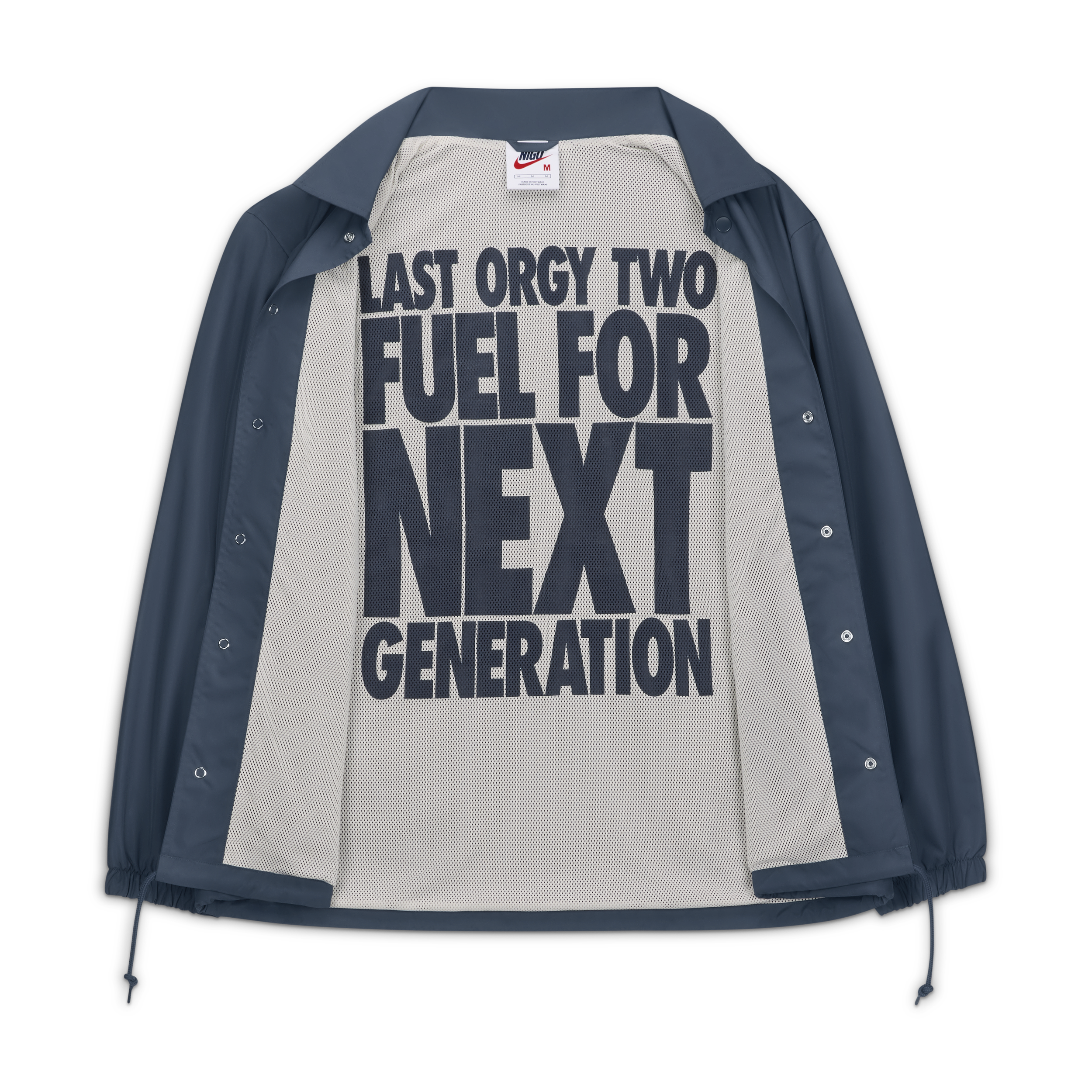
When you think back to the Last Orgy 2 years, is there a memory, anecdote, or story and text that had to be included in the development of this AF1?
Nigo: I remember we used to wear the canvas Air Force 1s that I’d scout and buy in America for NOWHERE. We also wore patent leather sneakers a lot. So, I decided to create an AF1 using the "NW" (NOWHERE) colors in patent leather.
Jun Takahashi: The passion we had when we started NOWHERE and LAST ORGY 2.
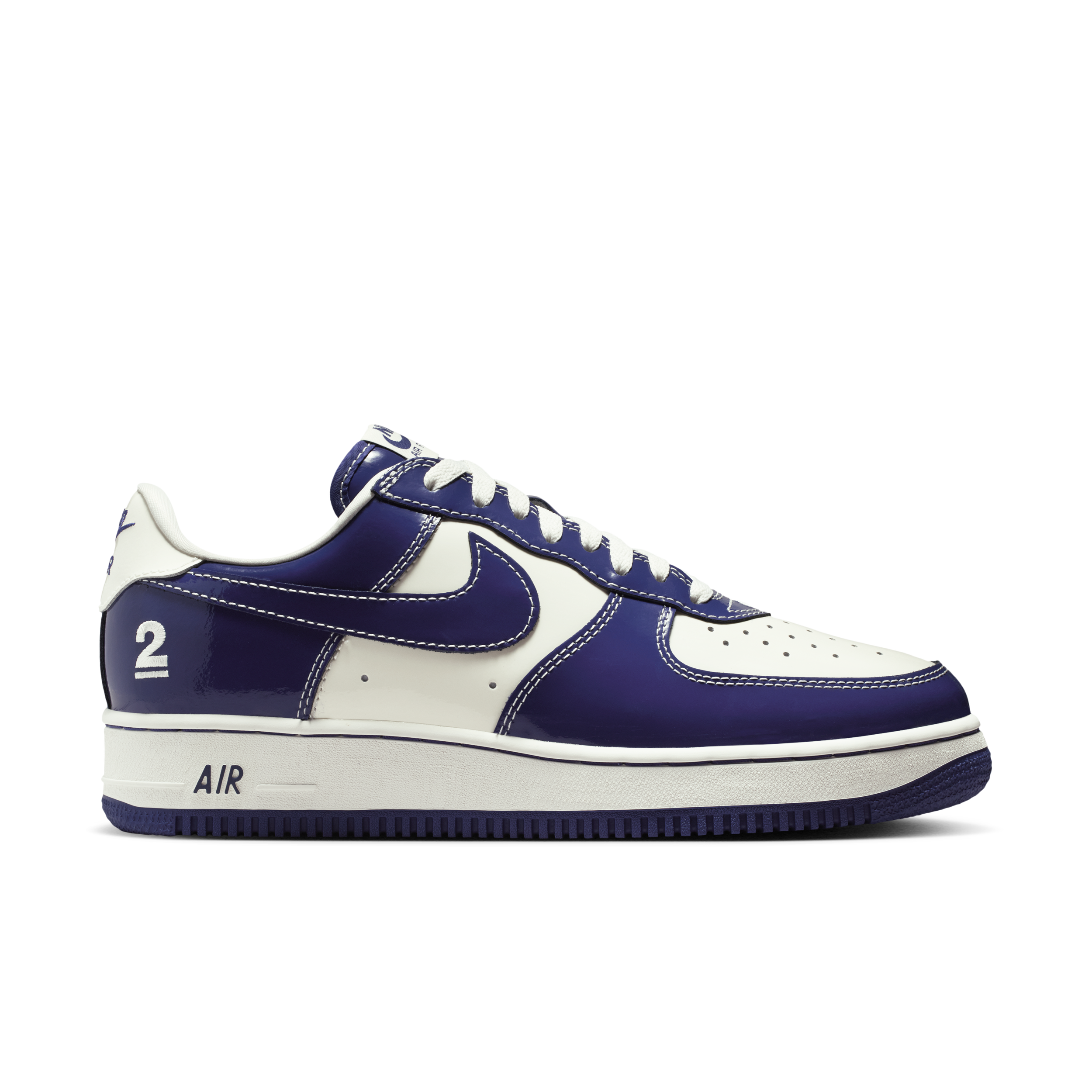
Looking back now, did either of you ever imagine that Last Orgy 2 would still feel this alive and culturally relevant decades later, and that people would continue returning to it as a reference point for street culture?
Nigo: I had zero expectations. I never imagined things would turn out like this. In the beginning, we opened a shop in that area, which people later started calling "Urahara,” simply because there weren't many people around. At first, fashion media wouldn't cover us at all. It was supposed to be the "backstreets" of Harajuku, but before I knew it, it had become part of the mainstream, just like Omotesando.
Jun Takahashi: I never imagined it at all.
Before social media, and digital mood boards became a language of their own, Last Orgy 2 was one of the main columns shaping a generation. Did you feel at the time that what you were making had that kind of influence, or did that only become clear later?
Nigo: It was something that could only have happened in that specific era. If I tried to start it now, I’m sure I couldn't pull it off. It was only possible because of the lack of information at the time, our youth, and our own ignorance.
Jun Takahashi: Even though it was before the internet and social media, we could still feel the scale of the response through the crowds at NOWHERE and DJ events in regional areas.
That said, I’m still genuinely surprised that the influence has continued, even in some small way, decades later.
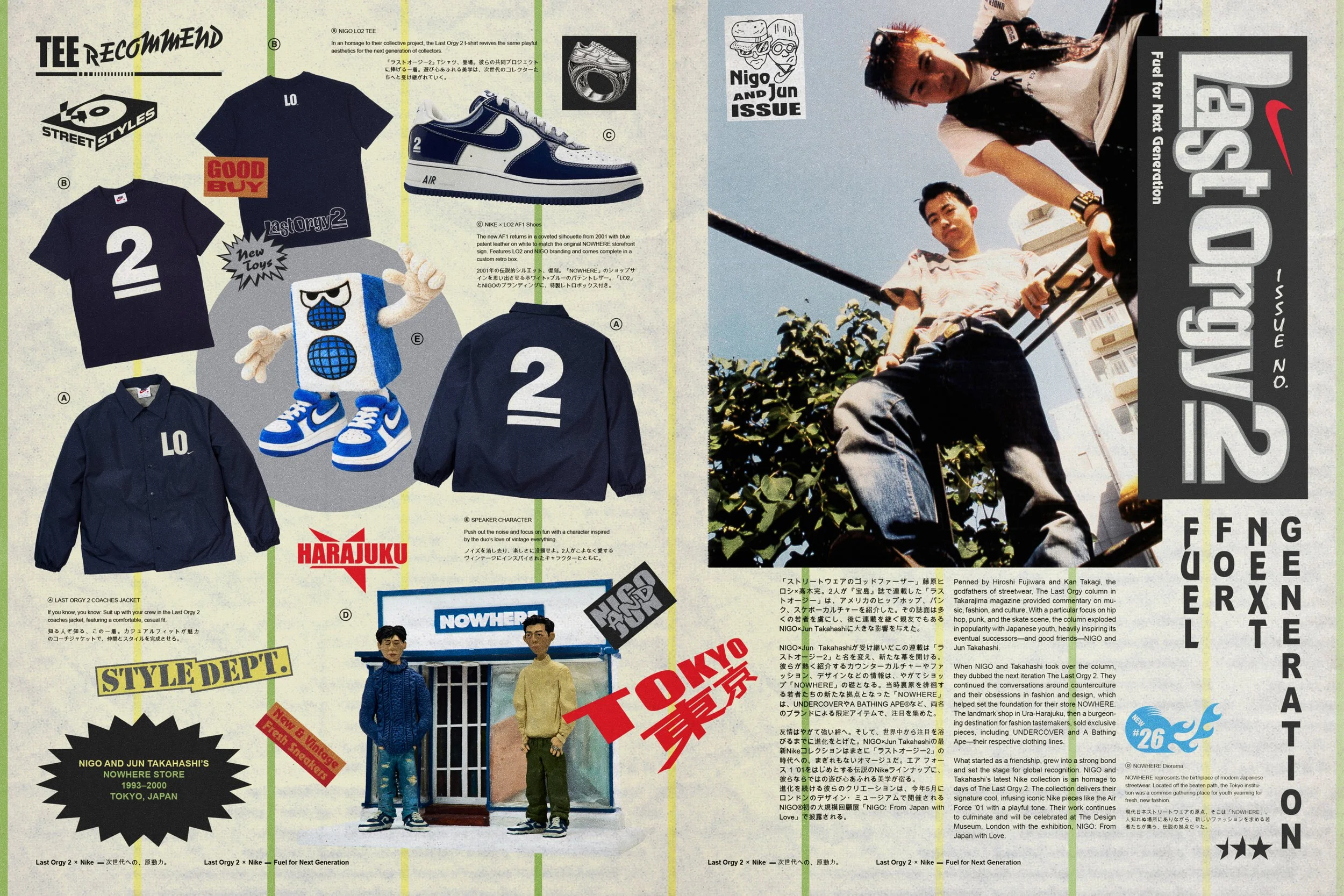
Nigo is now bringing From Japan with Love to a global audience through his exhibition. Looking back, how much of that idea was already present in Last Orgy 2? We can’t help but see a continuity there, almost like a long-term perspective of sharing Japan with the world through the lens of LO2. Is the AF1 and your work with Nike another vehicle and medium to share this approach?
Nigo: I think the two of us were looking beyond Japan. We had many friends abroad, and generally, it’s difficult to get Japanese people to acknowledge you unless you’ve already been recognized overseas. None of it was calculated; it feels more like we were editing things based on intuition.
Jun Takahashi: At the time, our network was already beginning to expand globally, starting with places like London, so I think we did have at least some awareness of sharing things on a global scale.
In that sense, this current project feels like an extension of that trajectory.
So much of what followed, from NOWHERE to the wider shape of street culture, carries traces of the era the two of you shaped. When you look at where your paths have gone since then, is there any learning, mindset or vision that you had back then that lead you to where you are now today?
Nigo: Thinking about a stylish lifestyle as a whole. Differentiation from others. Exclusivity. Collecting.
Jun Takahashi: In our early twenties, we had an overwhelming amount of energy and passion. Everything came together, the cutting-edge ideas we believed in, the community of close friends, and a fearless attitude, and that collective force created the movement.
Successes and failures alike have all led to who I am today.