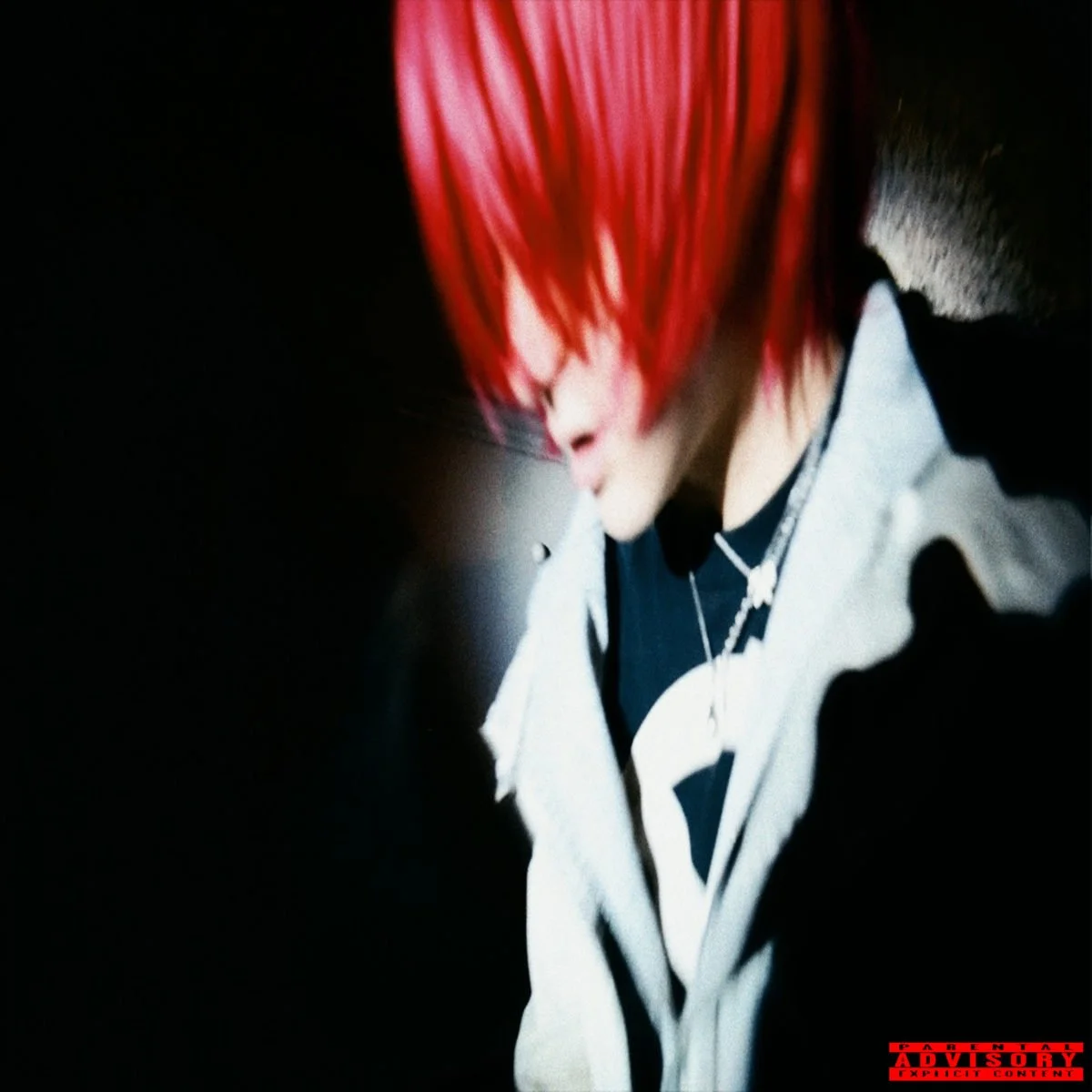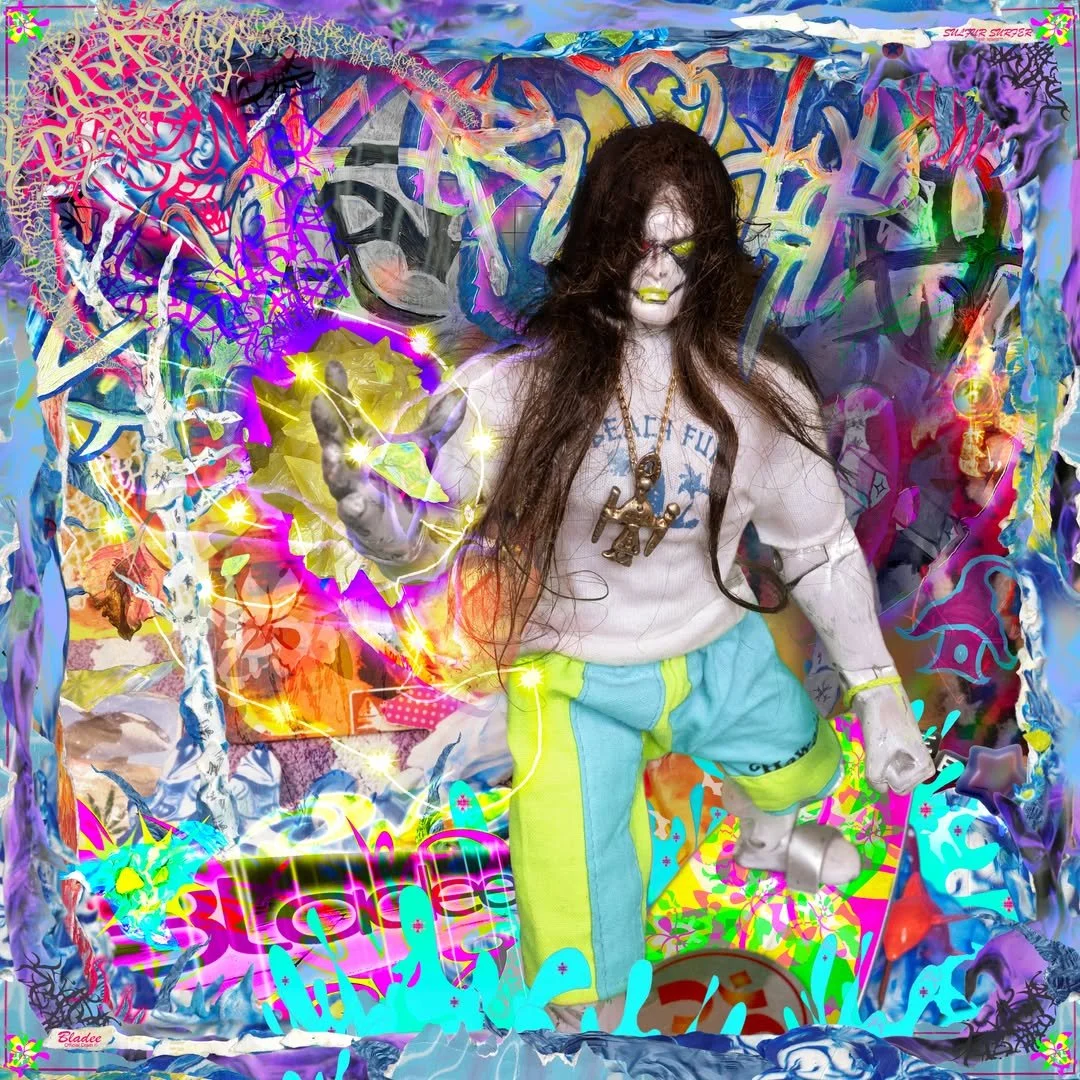
Digital Chaos: Beauty in Distortion with MISOGI
Cutting through the noise, MISOGI crafts dreamy melodies in a world of chaos. Emerging in the early 2010s from the infinite pool of talent on Soundcloud, the London-based artist became a scene staple through a consistent release of forward thinking instrumentals. From early cloud rap adjacent tracks like the iconic “Clairvoyant,” gritty collaborations with artists like Night Lovell and Ken Carson, to recently working with KPop idol j-hope, MISOGI has remained a prolific figure, continuously adapting his sound over time.
Despite his last release dropping midway through 2023, MISOGI has been anything but absent, working steadily behind the scenes with artists like Che, a key figure in what many consider a renaissance in the digital rap space. Alongside fellow producer Ginseng and the frequent collaborators that make up his sub-label Pink Noise, MISOGI has continuously reshaped his sound, taking otherworldly melodic lines and smashing them through a sonic wall of trap inspired drum programming. Complex counter melodies are frequently married to basslines that span octaves and bite through the mix in a way that is both beautiful and utterly bewildering at first listen. In a generation that yearns for maximalist production, the dissonance of dreamy digital synth lines and brutal distortion that characterizes MISOGI’s production sits sonically between the aggressive new style of trap music and the more melodic inspired production in the electronic underground.
After a year where he appeared in the credits of several notable producer-turned-artist projects such as Prettifun and Roxie, the scene had been primed for a new MISOGI release, and on November 26th we got our first taste of what that would sound like with the lead single ”Blackout.” Over the next week he would release a new song every day, with a final tracklist totalling 8 songs. The album, EMO, pairs the electric melodies and digital feeling we have come to expect from MISOGI’s solo work with the heavy distortion and trap production we see in his production for others. We caught up with MISOGI to discuss the project.
This interview has been edited for length and clarity.
It’s been nearly 2.5 years since you put out your last project Escape Artist. How do you feel the musical landscape has changed in that time period?
The underground / internet rap scene (or whatever you want to call it) has exploded with new talent. The last few years have been much more interesting to me than certain earlier periods, and a lot of producers who were underrated back then are now getting the recognition they deserve.
Rap music on the internet has always had its own zeitgeist. It’s probably the easiest genre to date by year just from how it sounds. Outside of rap, but still within this “scene,” there’s a lot of nostalgia driven music right now: Crystal Castles and bloghaus/electroclash emulation and rock leaning way too heavily into shoegaze and grunge. Rap feels different because of how quickly things move. So what’s happening now tends to feel genuinely new rather than referential.
As a producer, your distinct style lends to the idea of you being an “audio auteur” of sorts. How did you go about finding a sound which differentiates this project from your work with other frequent collaborators such as Skaiwater or Prettifun?
I didn’t! I was actually trying to do the opposite. On all my projects, I’ve had a song or two that is in the style of the music I produce for others (Escape Artist had “VOIDFALLEN” and “SHOEGAZING,” and little*stars had “Pyreflies”). This project I am doing the same but just leaning way further into it. Pink Noise, along with the other producers on the project, has a distinct sound right now that I’m really proud of. It’s a mix of the melodic, emotional styles we love with the trap sound that producers Legion and Skai have pioneered. My solo music hasn’t explored that lane as deeply before.
Through producing for others, we’ve made a lot of beats that I love but never ended up getting used, so this project was an opportunity to use them myself rather than letting them sit.
The project features several tracks (“New Punk,” “RIP,” “Three Wishes,” and “J’adore Hardcore”) which have a constantly evolving structure. When working on production for yourself, do you feel you are able to take more creative liberties with aspects such as song structure?
Absolutely. When I produce for others, I just send beats and they choose what they like, but with my own music I can shape the full structure.
I like songs to have multiple sections so they feel like they’re taking you on a journey. I’ve always been production-first before vocals, and I tend to be very detailed with the arrangement. Part of that is perhaps making up for the fact that my vocals aren’t as strong as I’d like them to be, so I work around that.
In terms of experimentation, I finally incorporated harsh noise elements, something I’ve been into for a long time but hadn’t properly brought into my music. I’d referenced it before without actually using it, like the line “listen to the sound of being alive” in “1 Star Life,” which comes from the Whitehouse compilation The Sound of Being Alive. The original outro for Escape Artist was actually a full noise piece, but I ended up saving it for later. I think melody and distortion together is one of the best sounds possible, and there’s still a lot of unexplored territory there.
You often post a variety of quotes or stills from different media on your various Instagram accounts, from discourse on artistic expression and punk subculture, to stills from movies such as Fallen Angels. Would you say there are any non-musical influences you drew inspiration from when working on EMO?
I think drawing from non-musical influences is essential. Music is a form of self-expression, and that comes from your experiences and what moves you outside of music. If your work is just a collage of what you listen to without anything personal added, you’re basically a human LLM.
I try to share a lot of the things I find interesting in my story as well, because I hope it encourages people to go digging for themselves. I get asked about this stuff by aspiring artists/producers, and the best advice I can give is to go outside your comfort zone. Read, watch, and explore things that genuinely interest you, and build a wider pool of references that a social media algorithm likely wouldn’t show you. There’s a trend right now of “disrespecting the canon” and rejecting critically acclaimed work from the past, but I think great music comes from combining the things you enjoy that are widely respected with the newer, more “lowbrow” or unexpected influences you connect with.
Last summer I went to Hong Kong and was struck by how intense and electric the city felt. I was definitely trying to capture that energy in some of these songs. Lyrically, EMO is similar to Escape Artist in that a lot of it is inspired by the feeling of the video game series that I love like Final Fantasy and Kingdom Hearts. Not direct references, but that sense of something otherworldly, slightly hopeful, and apocalyptic.
While not a new phenomenon, 2025 felt like the year of the producer turned artist in the underground. Long-time producers/artists like Prettifun, Slayr, and Kuru made a huge splash, while beloved producers like Roxie and Skai released debut projects. With EMO coming at the end of the year, did these projects at all influence your decision to work on an album?
Definitely. It all feels very circular, which is what I like about it. Brian Eno’s idea of “scenius” describes it well. The innovation is coming from a shared creative environment rather than individuals in isolation.
I’m inspired by the artists you mentioned. I produce for them. Then hearing what they do with those beats inspires me to try new things on my own, and that feeds back again. This style of rap tends to feel the most current out of everything in this scene, and I wanted to fully lean into that rather than follow the more nostalgia driven direction that’s so prevalent right now.
It’s also really good to see producers taking control of their own paths instead of waiting on artists to release songs. Every producer has had the experience of being told a song is definitely coming out, sometimes even a potentially life changing one, and then it just never does. When I started out around 2013 on SoundCloud, it was normal for producers to release instrumentals as full songs and people used to just listen to them. That whole scene has faded a bit, so it’s good to see that sense of independence coming back.
Despite sharing a similar lyrical tone, EMO marks a notable shift in production from Escape Artist. Were you at all worried with how this project would land with your fans?
Not at all. That’s been consistent for me from the start. Every project I make is quite different from the last, and I expect some people won’t connect with that. I don’t think about how things will be received when I’m making them. People often say you shouldn’t pander to fans, but I think you shouldn’t be thinking about them at all during the process. It wouldn’t influence me either way, love or hate.
As much as you can’t let hate affect you, you also can’t let love affect you too much. Someone might tell you a project you made years ago meant everything to them, and then say the new one is terrible. If you start factoring that into your decisions, whether it’s trying to avoid criticism or trying to preserve what people already love, it becomes impossible to make anything honestly. But with that being said, I am endlessly grateful for anyone who has ever enjoyed anything I’ve done.
What is next sonically for Misogi?
I’ve got a lot in motion right now! More solo music, more production work, and a bigger collaborative project that’s quite different to what people might expect. It’s more expansive and more ambitious than anything I’ve done before. Beyond that, I’m also thinking about how everything connects outside of just the music itself. It’s early, but there’s a lot I’m excited to build out over time. More noise, more everything!
Written and Interview by Finn Barker
Edited by Josh Moore