Why is Bladee Defining Authenticity in 2026?
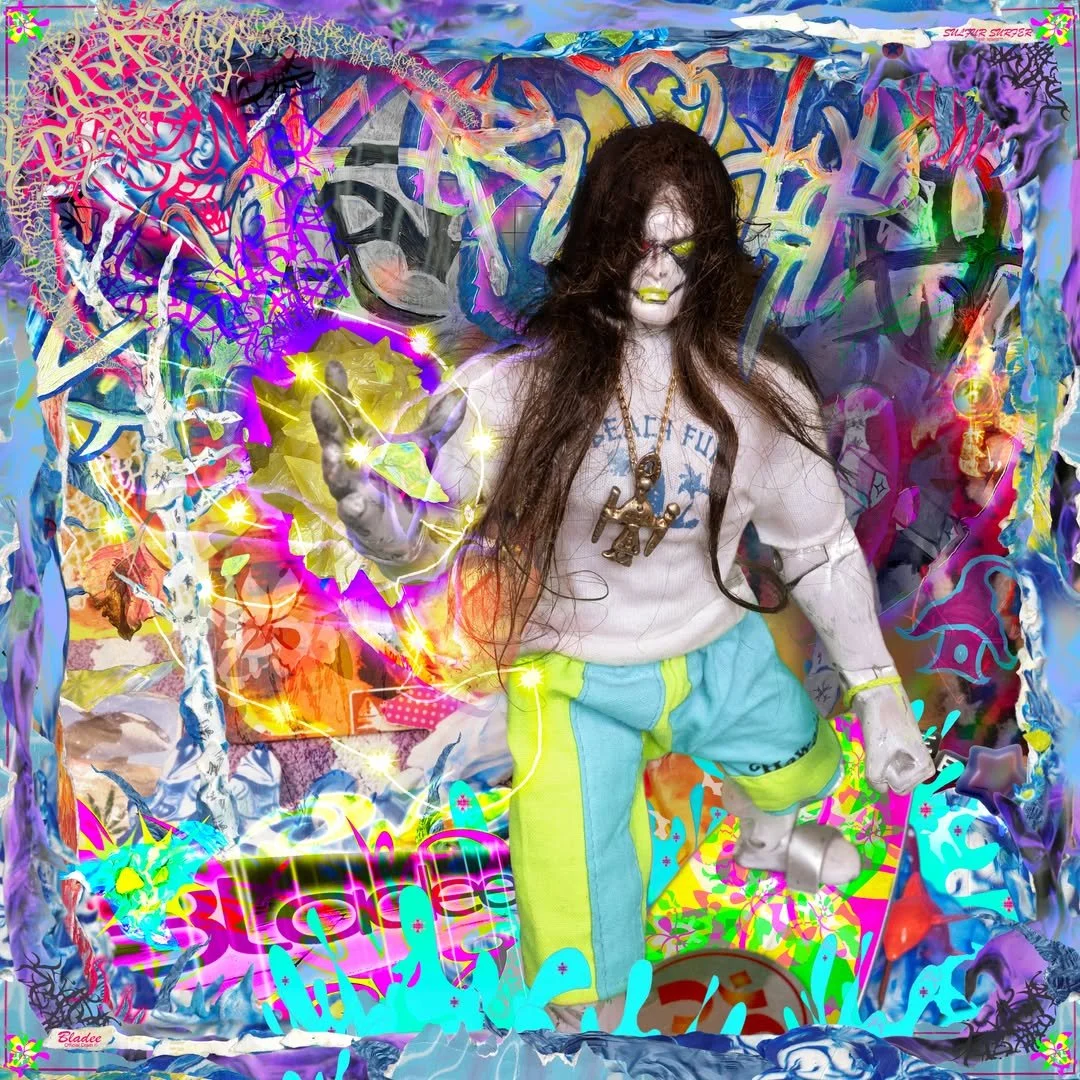
In the rap game of machismo olympics and boastful lies, Bladee’s cultural significance lies in his silliness and expression that lacks barriers. He doesn’t share his vulnerabilities to be a contrarian; he does so because his art is fueled by his authenticity. Whether he’s flexing his pink Gizmo from the cult classic film Gremlins or highlighting his love for black metal, he’s his own blueprint. When you see copy-paste Hedi Slimane outfits on a 14-year-old and those chasing social currency, Bladee’s purity in creativity is refreshing.
Bladee’s creative innovation formulated a whole new vocal tone; his flows are the object of envy; and his fervent honesty justifies his greatness. Yet, Bladee isn’t the first to be “authentic.” A long history of Bjork, Daniel Johnston, Captain Beefheart, and other experimental innovators makes that clear. Bladee’s uniqueness lies in his unification of internet subculture. Bringing together the punk kids with the cottage-core girls, the southern gothic guys with the 4chan dwellers, they all rest under the sun of Bladee because of his vulnerable expressions of isolation, his scabs of weakness, and the beauty he finds in suffering.
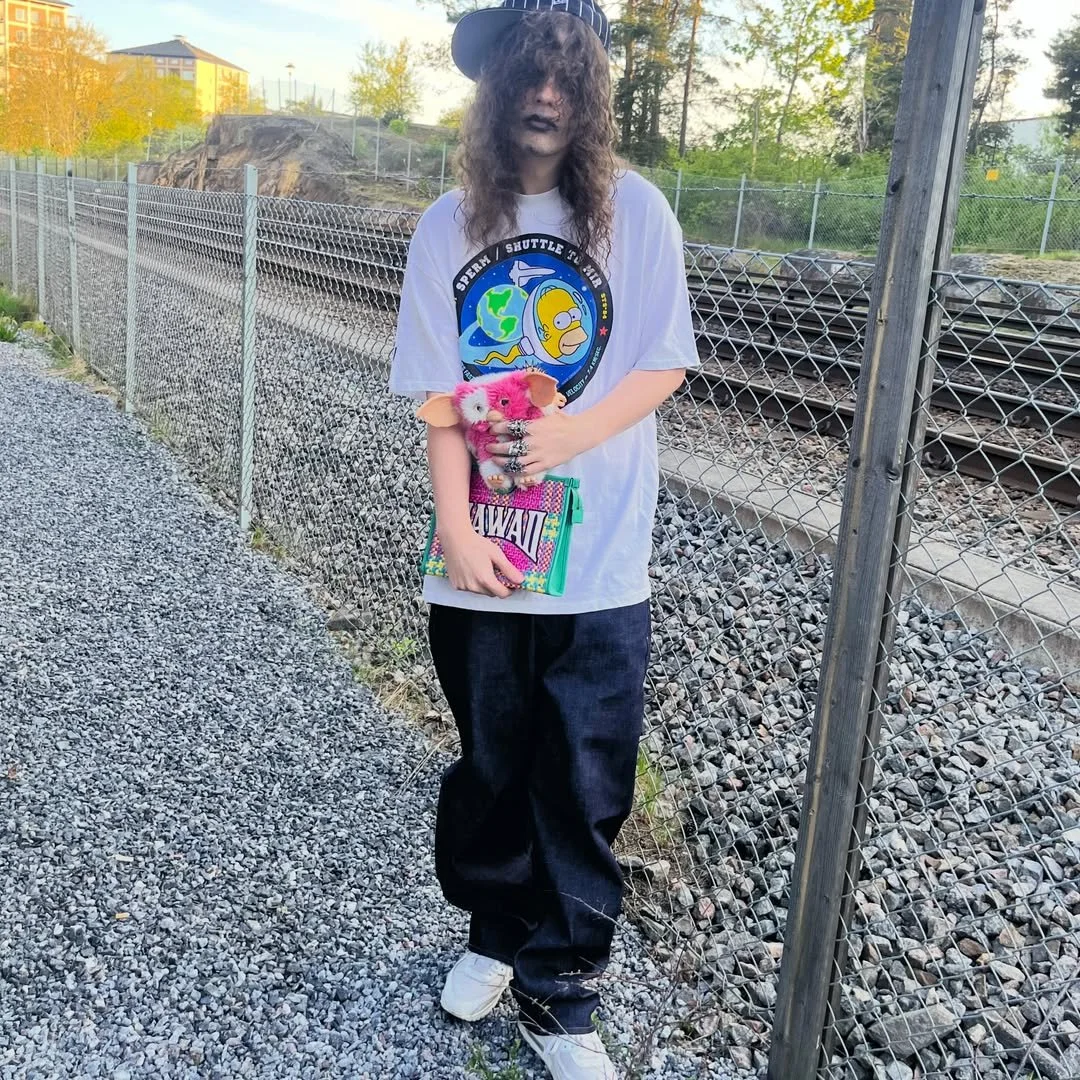
With bars as eloquent as “You don’t tell me everything, just tell me anything. Broken glass in my hands, you could sell me anything. I walk a mile for your smile, it’s embarrassing,” surely this can’t be the same man that said: “I had ate so many nights, I’m becoming skinny fat. I got rhymes, Granola bars, Fruity Loops and Apple Jacks.” Yet, that’s exactly the point. The reason why Bladee is so great is because he’s unconcerned about how either bar will be received. They are equally important to him.
In an era where culture vultures contort their bodies to fit the zeitgeist, Bladee’s greatness is illuminated. The icy anxiety of his hit record Icedancer, the seeking of approval and reassurance in his album Red Light, and the deep darkness of depression in his more recent project Cold Visions, Bladee has never compromised. His swag reverberates everywhere in the music industry, from pop with Charli xcx, to rock with Geese’s bassist Dominic, and rap with rising stars like xaviersobased. Instead of chasing the zeitgeist, he became it. It only happens if it doesn’t matter.
Continuing to not compromise, Sulfur Surfer departs from the Bladee canon. An expedition into a more story-driven concept, Bladee abandons his bread and butter of ear-worm hooks and addictive flows that traverse through his psyche. Most tracks lack a chorus. Religious themes of St. George and suffering provide the guardrails for Bladee’s hero’s journey through isolation, pain, and truth. Constructing the record with his friend and musical maestro, Whitearmor, who requires his own piece on his legendary artistry and influence, Sulfur Surfer proves that Bladee is fearless, always opting for the road less traveled. Through risk, Bladee conjures magic.
In the lead single “Blondie,” Bladee calls for the mass destruction of all. Yet, Bladee doesn’t possess jealousy or desire to control others. Bladee doesn’t claim to be holier. He openly shares his “ugly flesh.” But, you must endure the suffering of life if you want to walk with him. Diving deeper into the themes and motifs throughout Sulfur Surfer, his message becomes clear.
In “Dolor,” Bladee says “Pain is a privilege, what would we be without it? Purifying, suffering, what would we do without it?” Pain brings him to his knees while simultaneously giving him the winds to keep going in life and keep creating art. This coincides with St. George’s fervent faith. To be beheaded for the Lord is a privilege. Martyrdom is a privilege. Purpose is necessary to truly live. Through this, Bladee speaks of two pains throughout the record: self-inflicted and exterior pain.
The self-inflicted pain manifests in self-hatred. Whether committing seppuku, a Japanese form of ritual suicide to restore honor, pales in comparison to the true animosity Bladee holds for himself or references to walking the halls of Dante’s seventh level of hell, this suffering has followed Bladee throughout his journey like glue.
The external pain hearkens to those who claim holy intentions in the guise of their ulterior meddling. He wants to trust, but he can’t discern what’s authentic, like in “Under My Umbrella.” Yet, he’s unwavering in his faith and path.
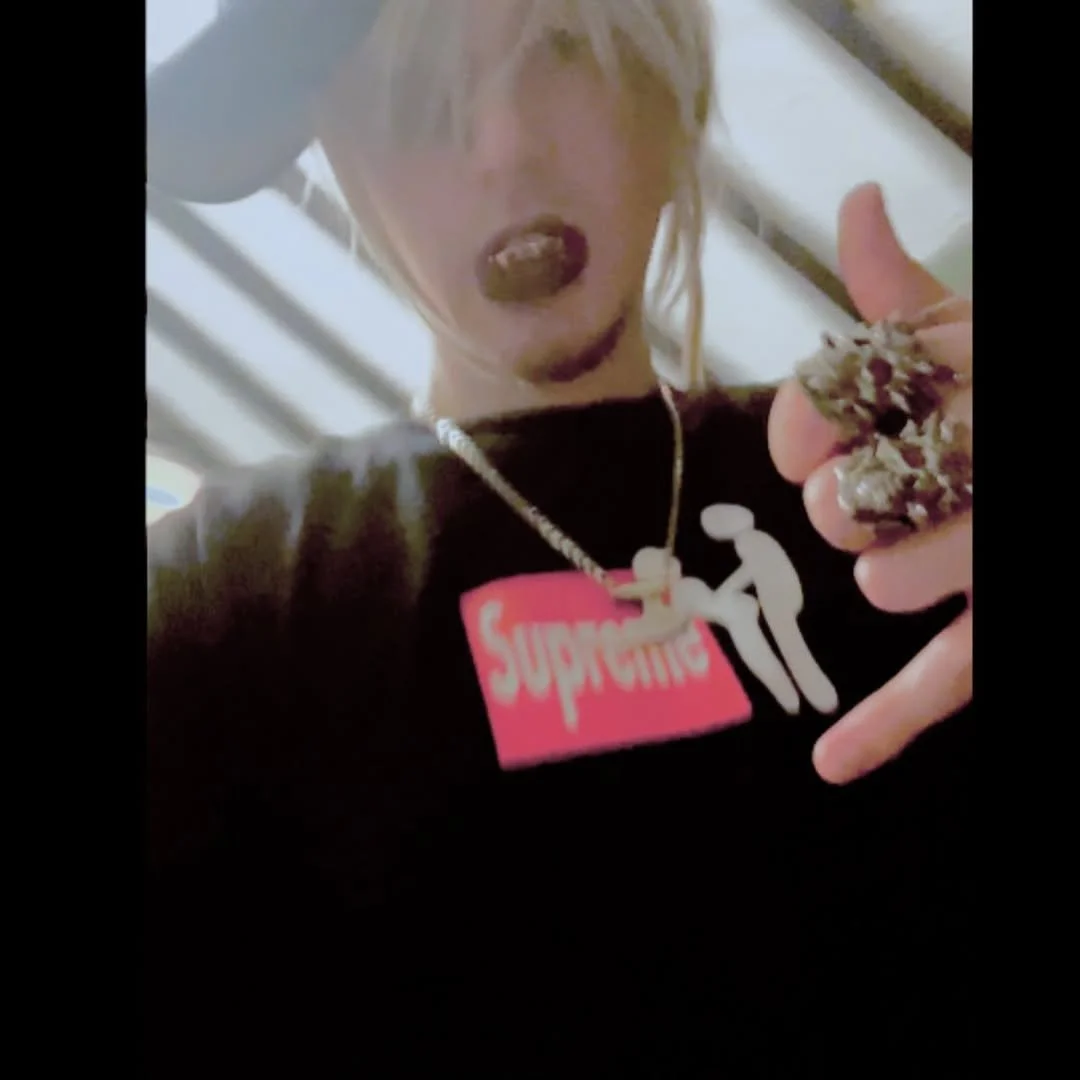
These two pains culminate into the dichotomy of his message in Sulfur Surfer. He recounts his pain and suffering to reach this point as well as the pain of the mosquitos biting his flesh, siphoning anything they can from Bladee. It’s easy to wrap these two in together, labeling Bladee as some ignorant artist that thinks he’s better than everyone. Yet, his true message simply calls for others to embark on their own journeys rather than skip the suffering needed for success while acting as though they endured the same pain as Bladee.
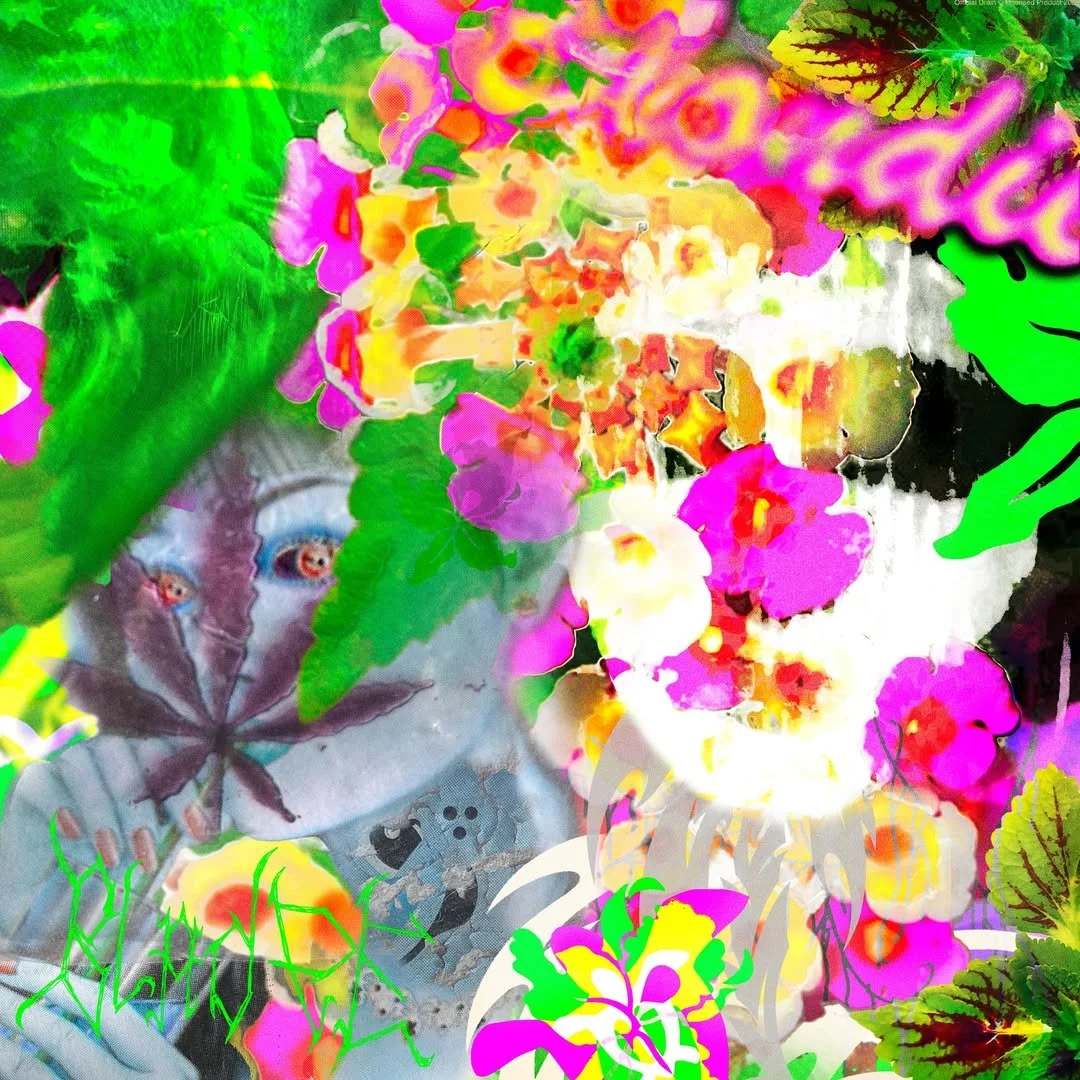
Sulfur Surfer may not resonate for some, but it still holds a lesson beyond the music. It calls you to stay rooted; it calls you to live your truth; and it calls for perseverance: “Or is my selflessness not right? Am I just egotistic now? Doing just a little takes a lot, but what is left if we do not? Is it supposedly enough, to do bare minimum a lot?” For those who are battling their way through obstacles of expression, Bladee acts as a beacon of refuge. A grimoire of Bladee’s worldly approach, we know he will win next time. He must. He’s Bladee. King Nothing.
Written by Josh Moore, Head of Music at sabukaru