Off the Racetrack: sabukaru meets Alpinestars RSRV’s Denise Focil
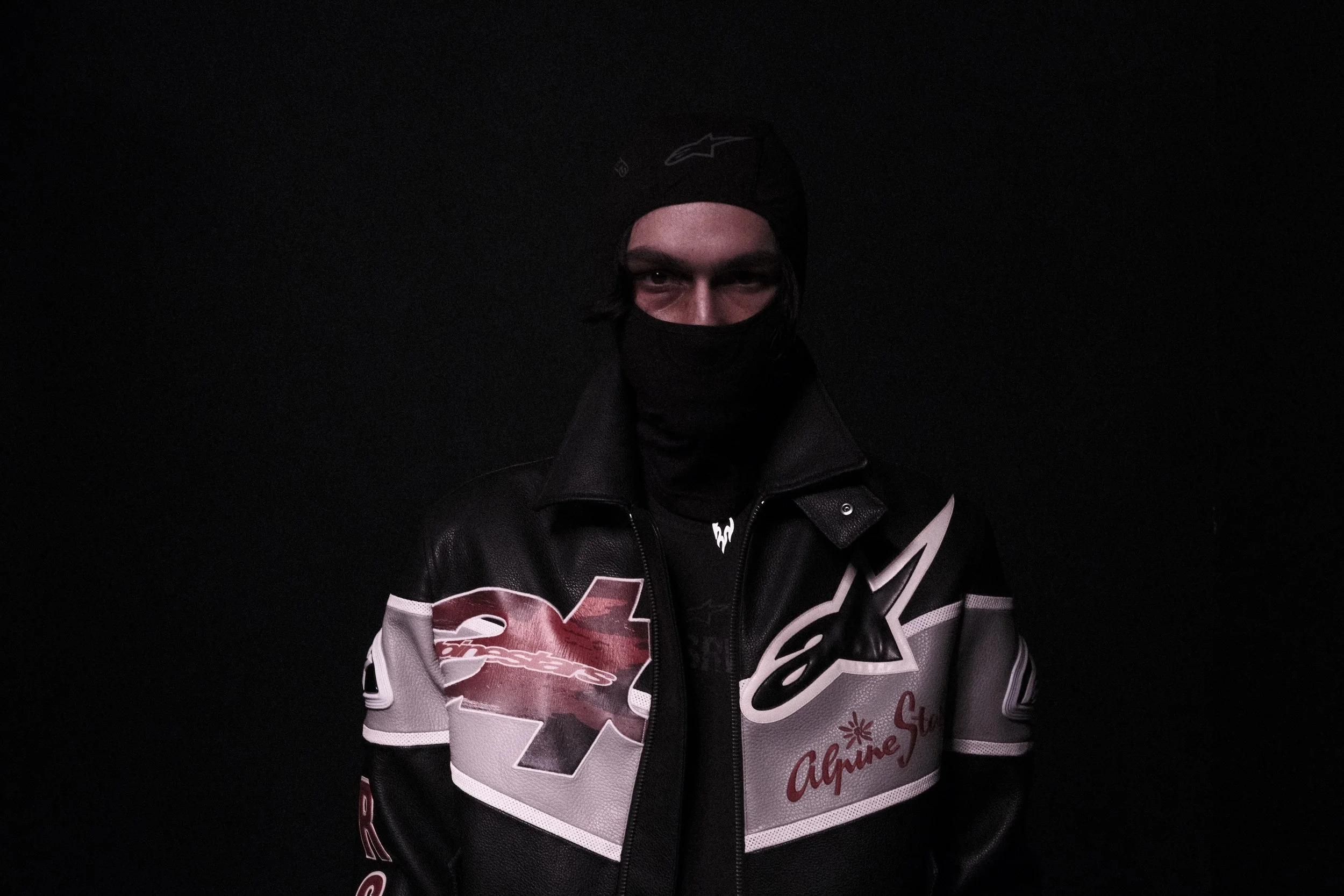
There’s a difference between perceiving culture and actually practicing it. In the fashion space, motorsports are the foremost example - few things that have remained as prominent a source of inspiration as the motorcycle. The raw aesthetic of mechanical exposure, dark intensity of leather jackets and the personal freedom associated with the vehicle make it evermore an attractive symbol for reinterpretation, but also a prime victim for inauthenticity and ignorance. Existing in direct opposition to this superficiality is Alpinestars RSRV - a label where racing is written into their very DNA.
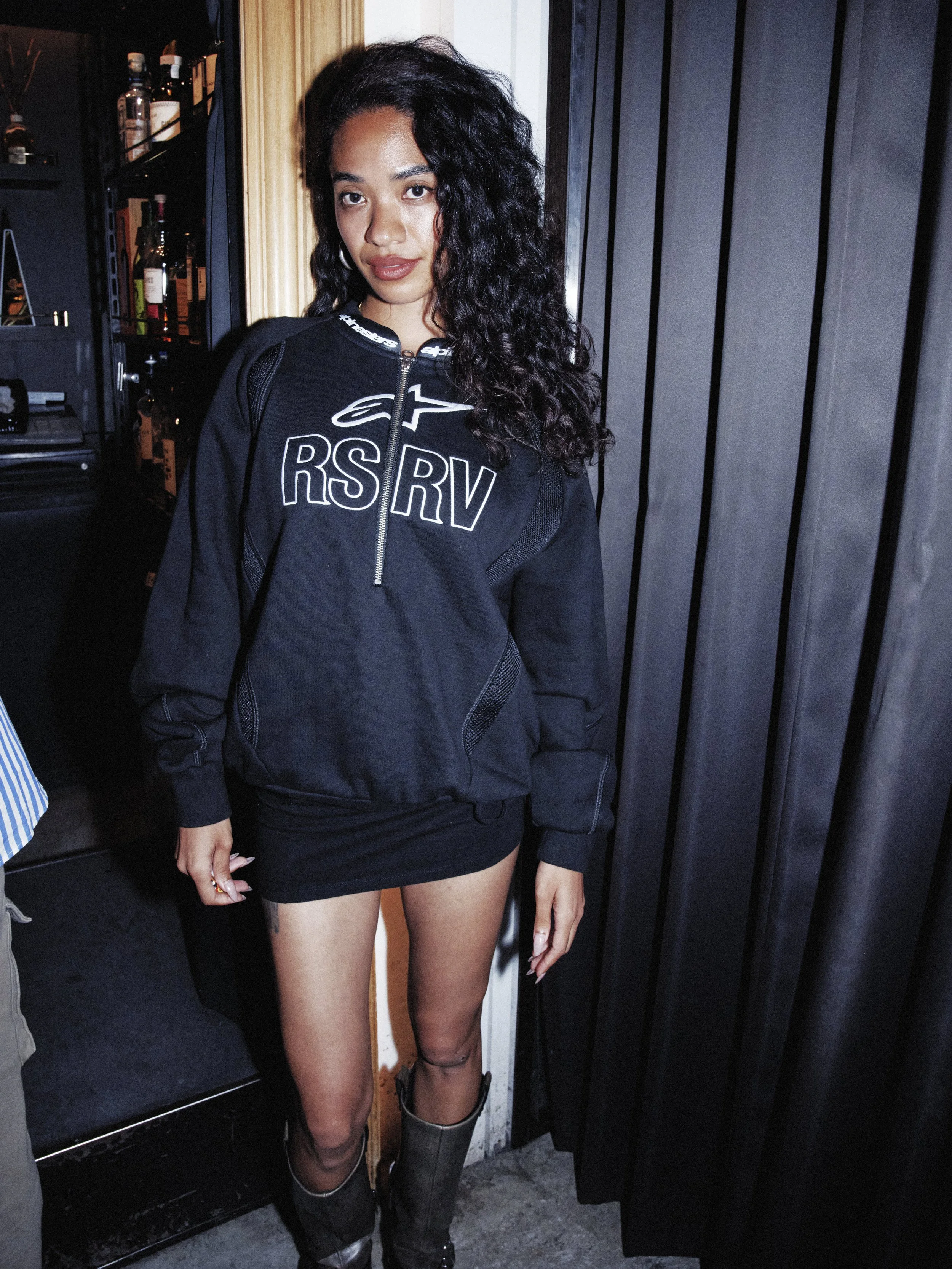
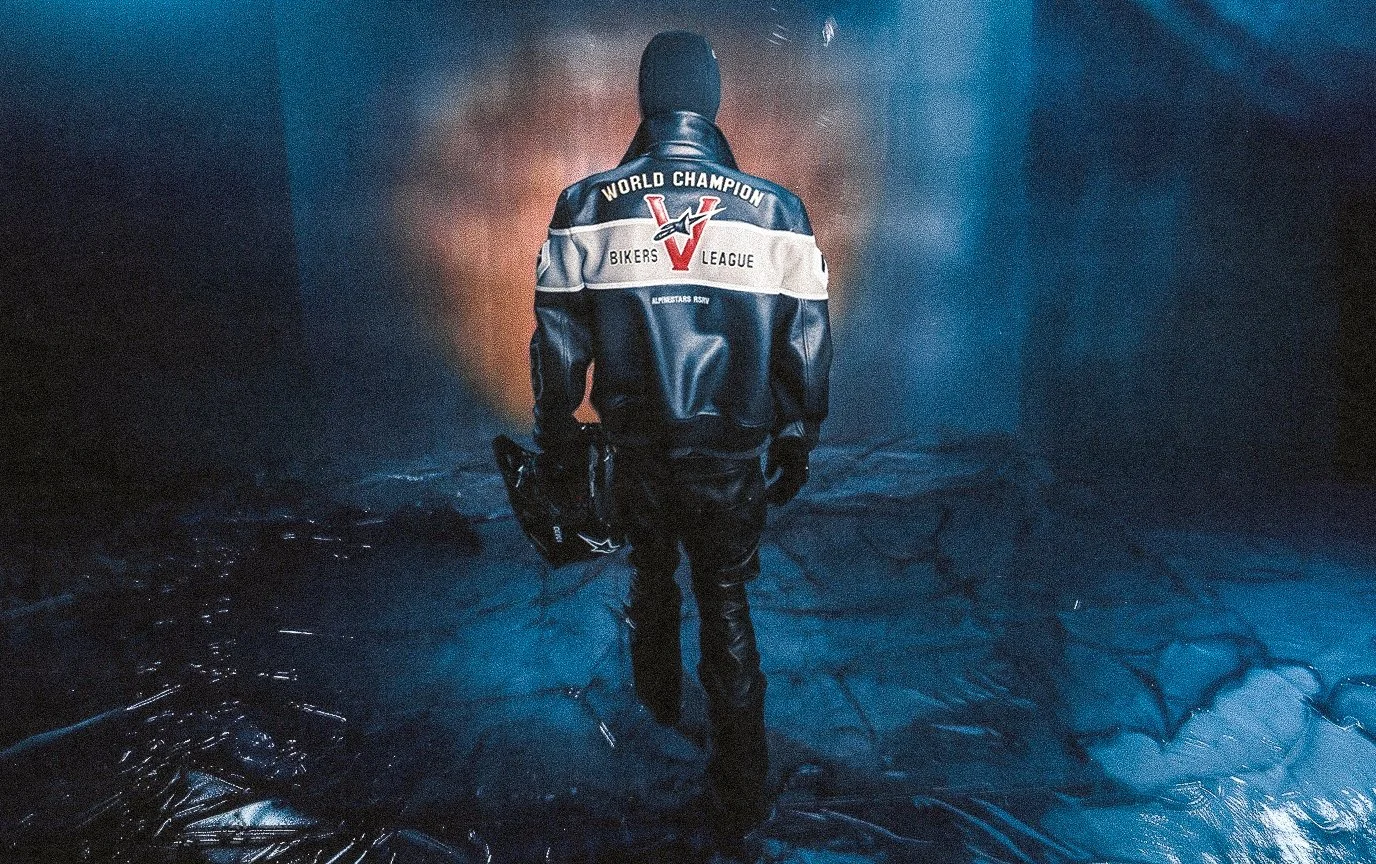
Established in 2024 as the offshoot of the eponymous legendary Italian sportswear manufacturer Alpinestars, the sleek futuristic silhouettes and aerodynamic constructions worn by countless world champions were a logical match for modern streetwear sensibilities. Aiming to properly represent their heritage with each piece, detail and design choice - clothing is the expression of decades of experience with speed, racetrack tradition and technological innovation. Rather than a shallow reproduction of the aesthetic, RSRV reverse-engineers their into a progressive stylistic form. The result is a visual identity defined by their own history: one-of-one pieces are reconstructed from original Moto Grand Prix suits worn in competition, carrying the real scars, abrasions and distressing from lived experiences.
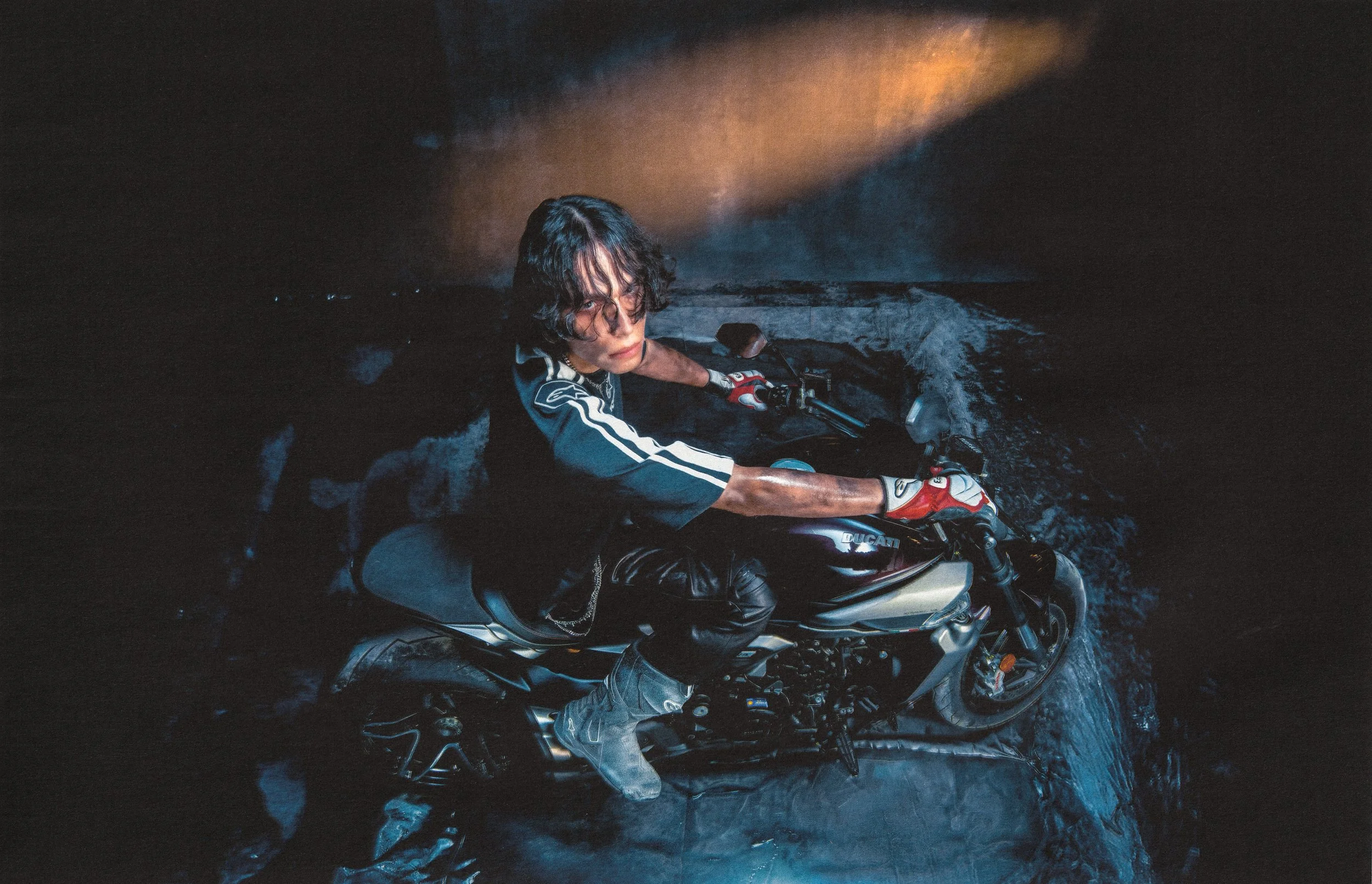
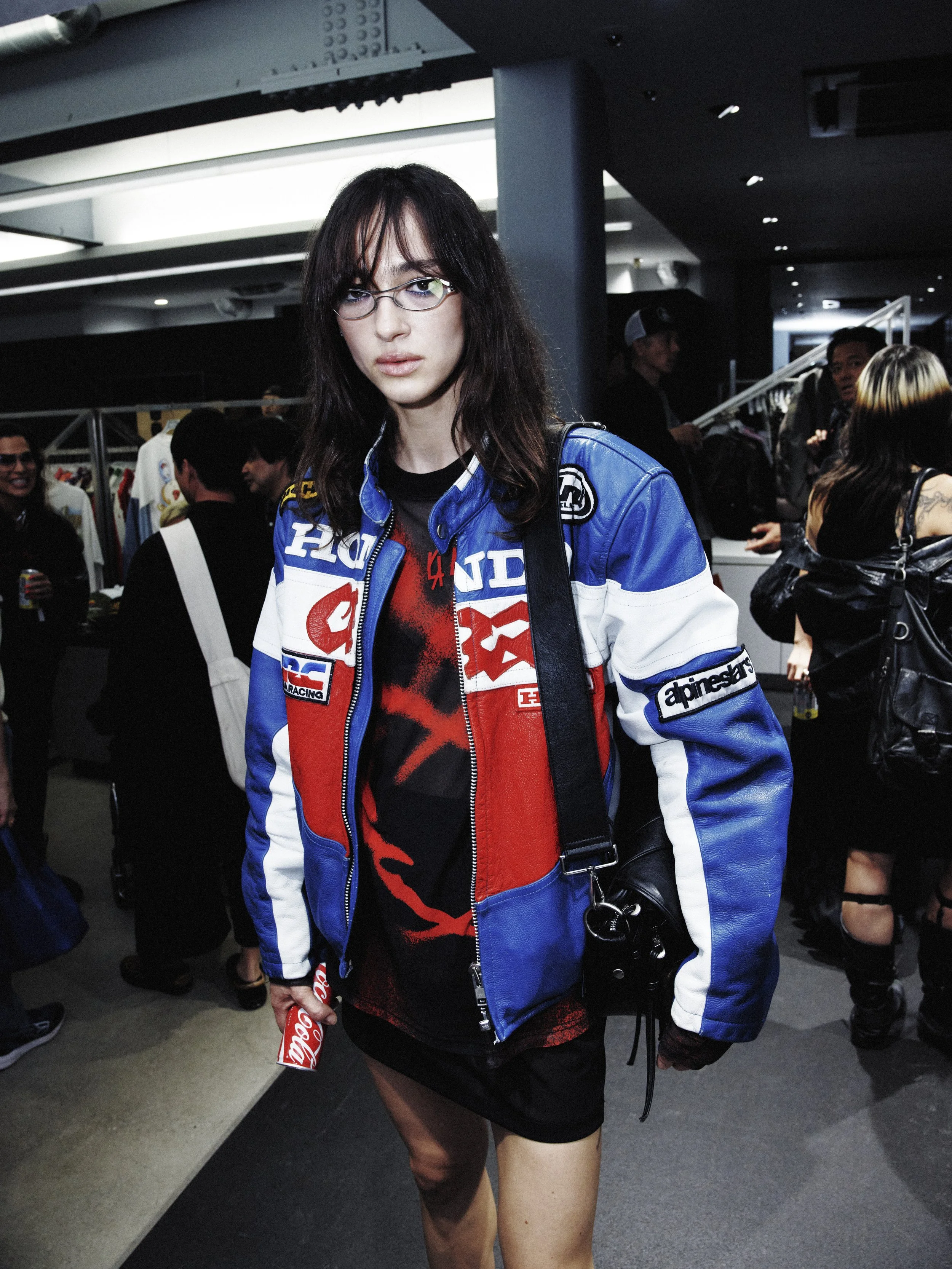
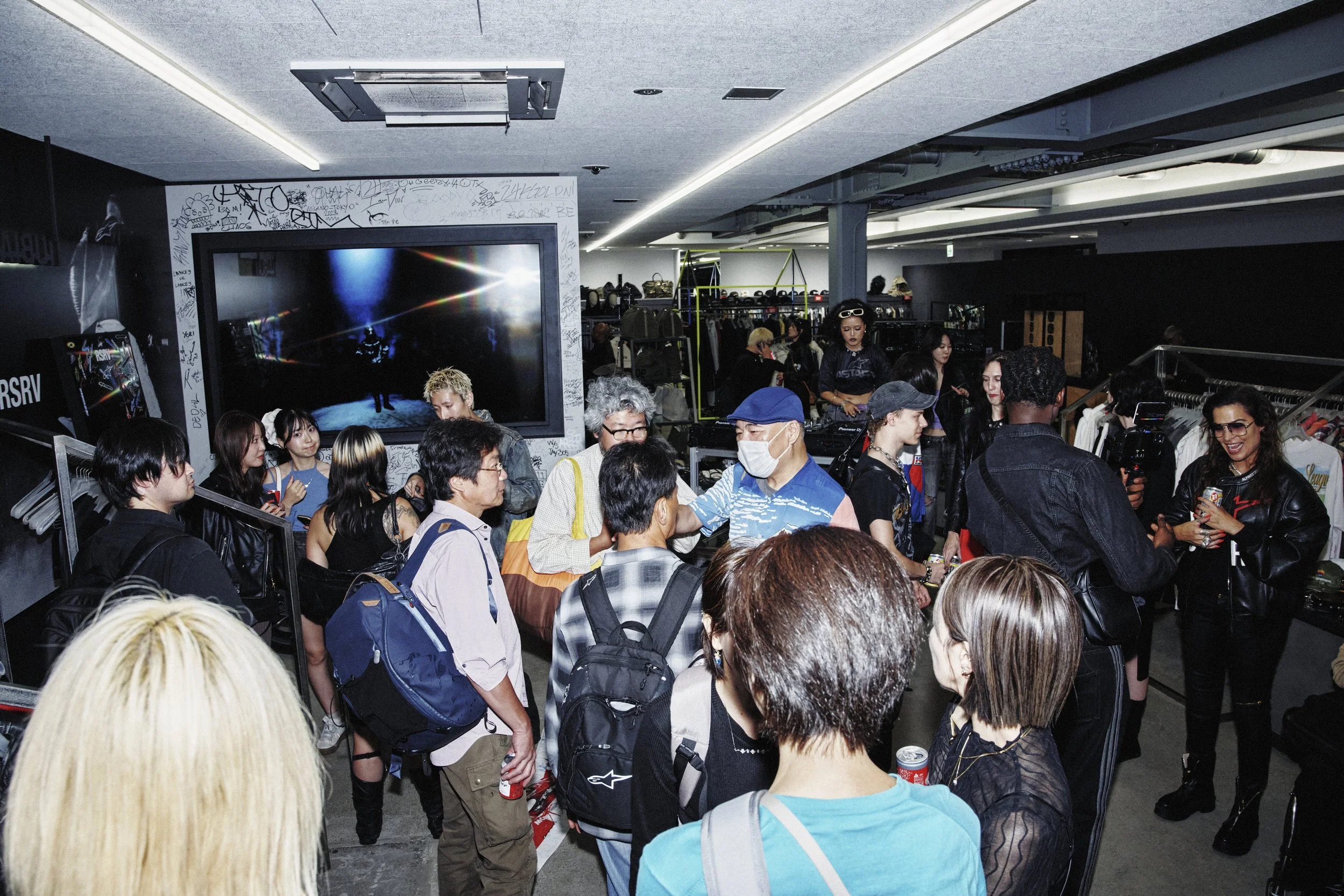
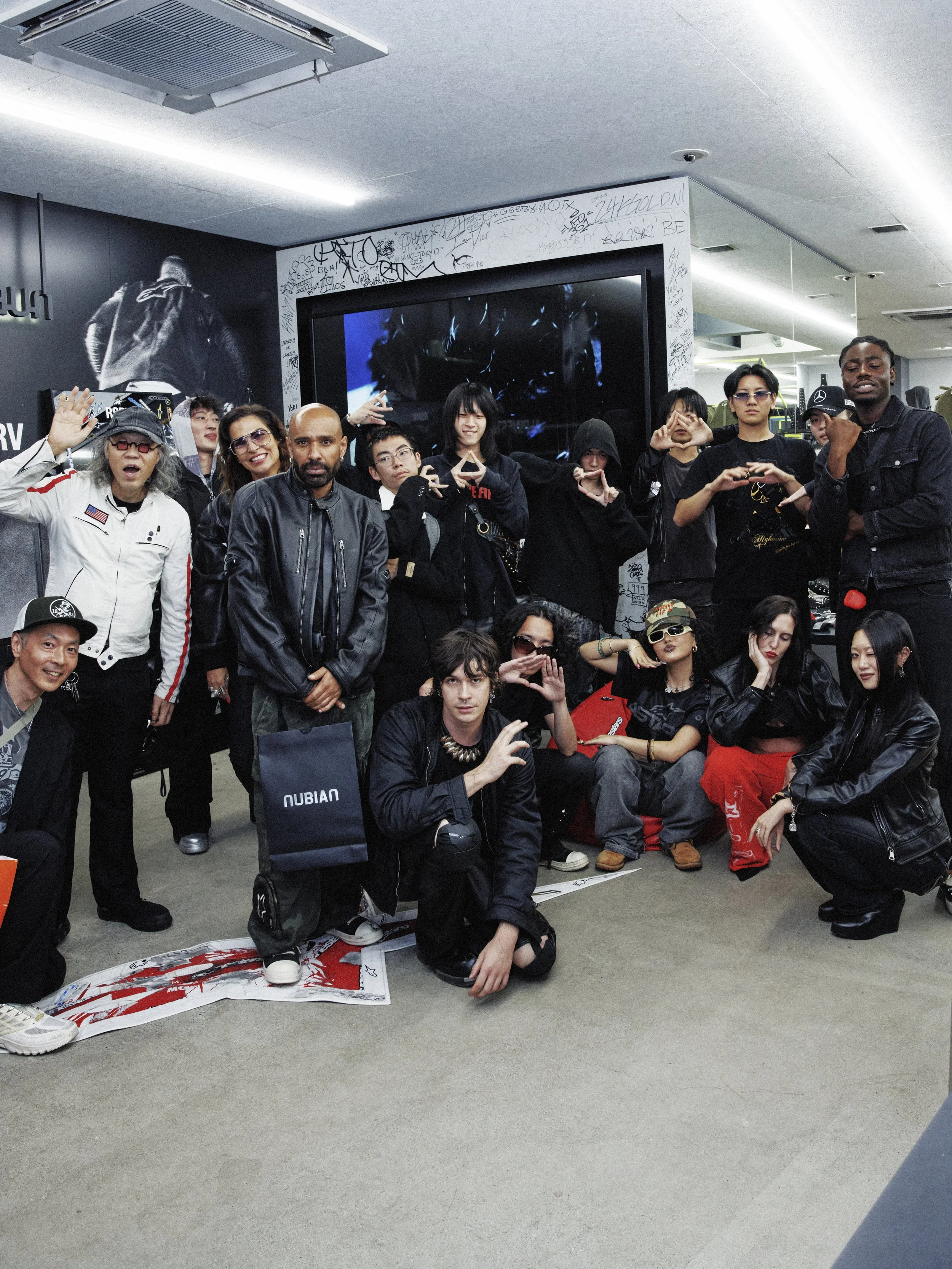
A philosophy that has attracted creative partners from Balenciaga to HELIOT EMIL, Asia is only the next conquest after Paris’ runways. With a recent collaboration with Korea’s avant-garde titan in JUUN.J, Shanghai Fashion Week events and an activation in Tokyo with NUBIAN and sabukaru’s sister magazine GATA, we had the chance to sit down with RSRV’s creative director Denise Focil for a chat on the brand’s future steps.
What makes racing culture such a prominent source of inspiration for modern fashion brands and designers?
Racing has always been about more than speed. It’s an attitude, a lifestyle, and a visual language with incredible authenticity. The mix of engineering, rebellion, and individuality makes it endlessly relevant beyond the track.
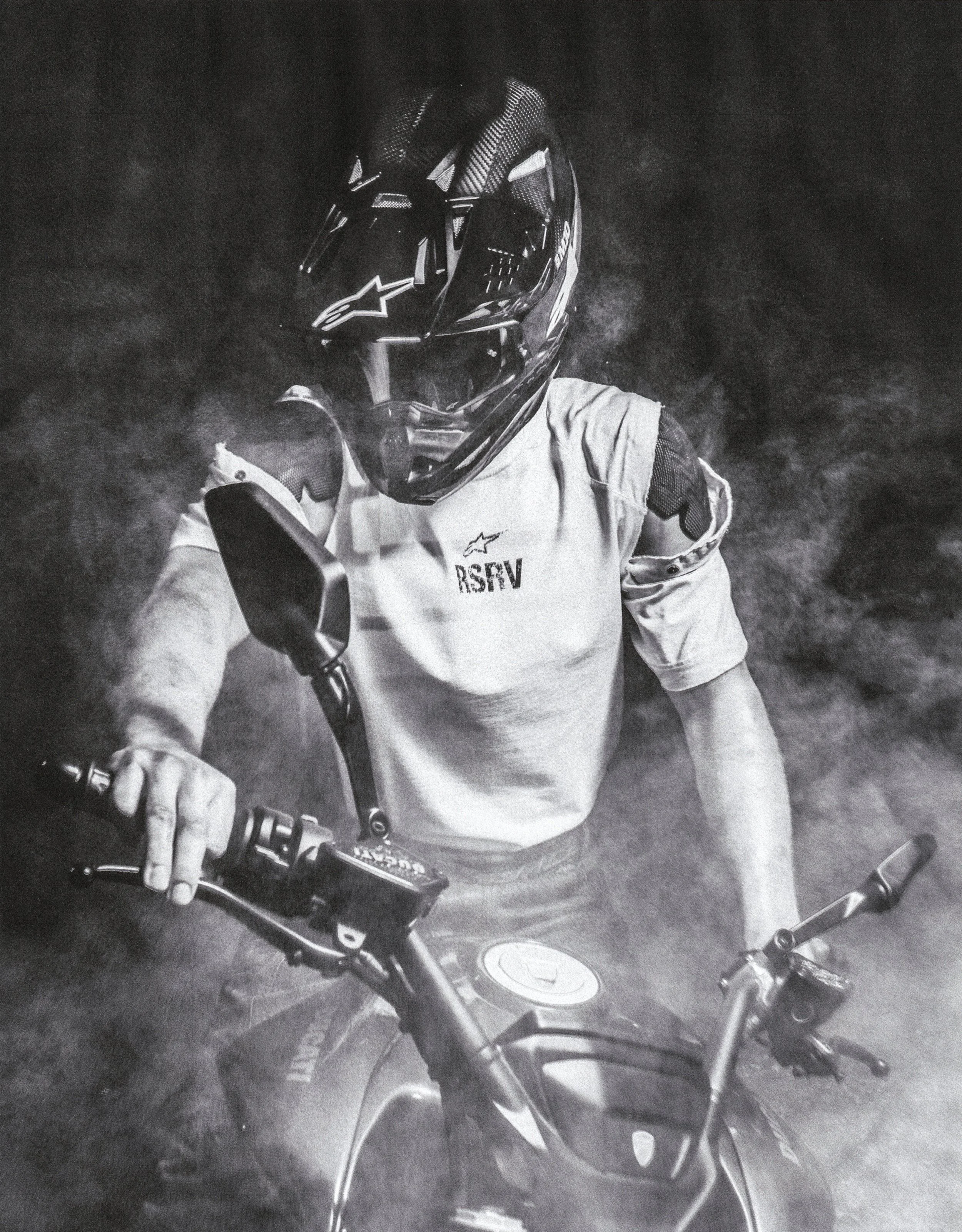

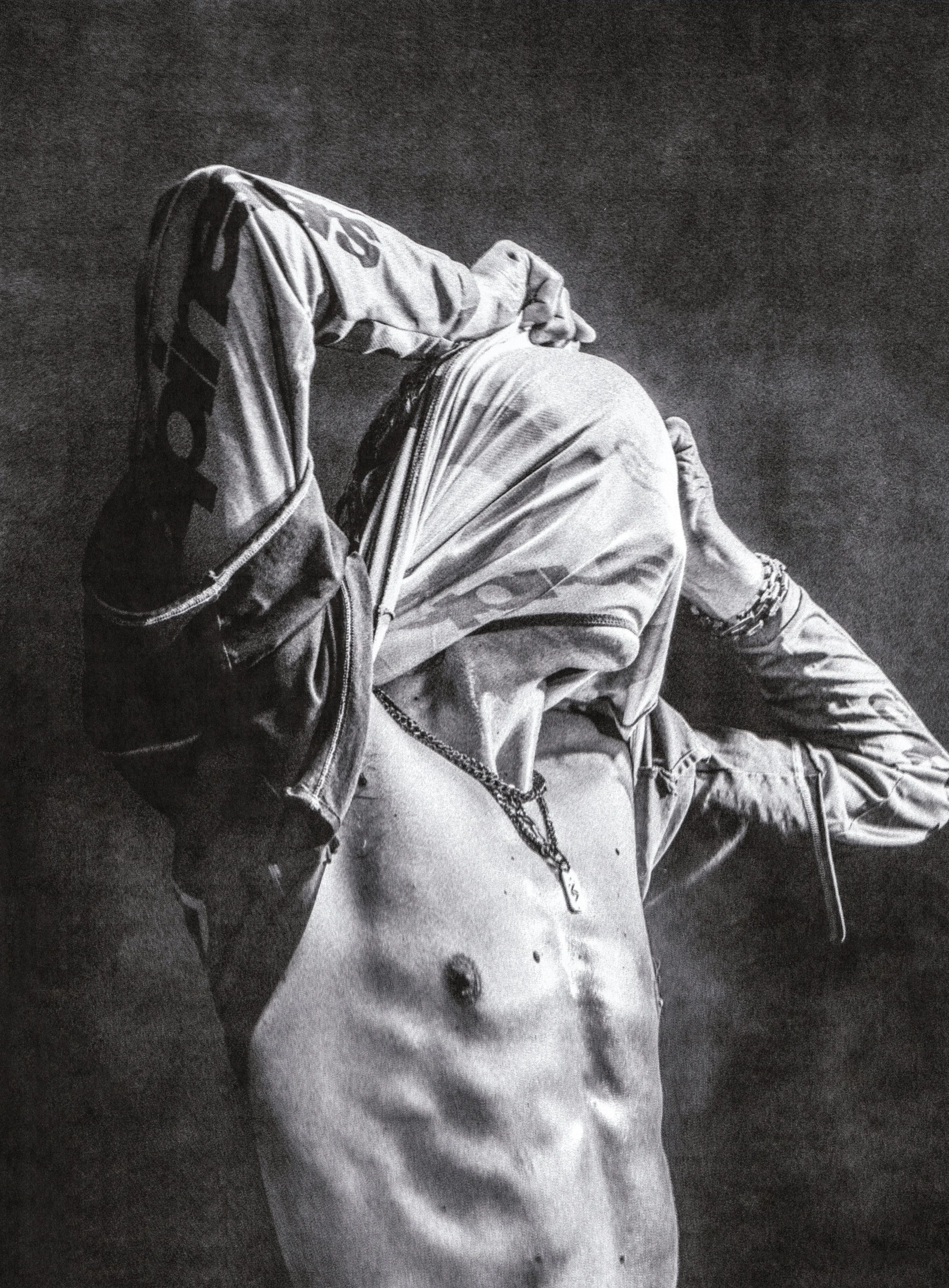
What sets RSRV apart from the surface-level references of other labels?
We don't borrow from motorsports; we come from it. Alpinestars has spent over 60 years building its identity inside racing, and RSRV takes that authenticity into a different territory through luxury craftsmanship, fashion, art, and culture.

What led you to start designing for RSRV? What continues to draw you back to the design table for RSRV everyday?
RSRV is a team of creatives. So its a group of amazing creatives that are all contributing to making this exceptional. What drew us in was the opportunity to take a world with such a strong identity and history and push it somewhere completely unexpected. What keeps us coming back is that there are no real boundaries to what RSRV can become. Every project is new, we like to keep people on the edge.

Photo by Idan Barazani
Do you think you’ve incorporated any of your personal background and passion for contemporary womenswear into RSRV’s current brand identity?
Absolutely. My background in womenswear has influenced the way I approach silhouette, proportion, attitude, and the balance between strength and sensuality, bringing a different perspective to a world traditionally dominated by menswear.
What kind of person do you want to see wearing your designs for RSRV?
Someone with their own point of view who doesn't need fashion to tell them who they are. They understand the references, but more importantly, they make the clothes their own.

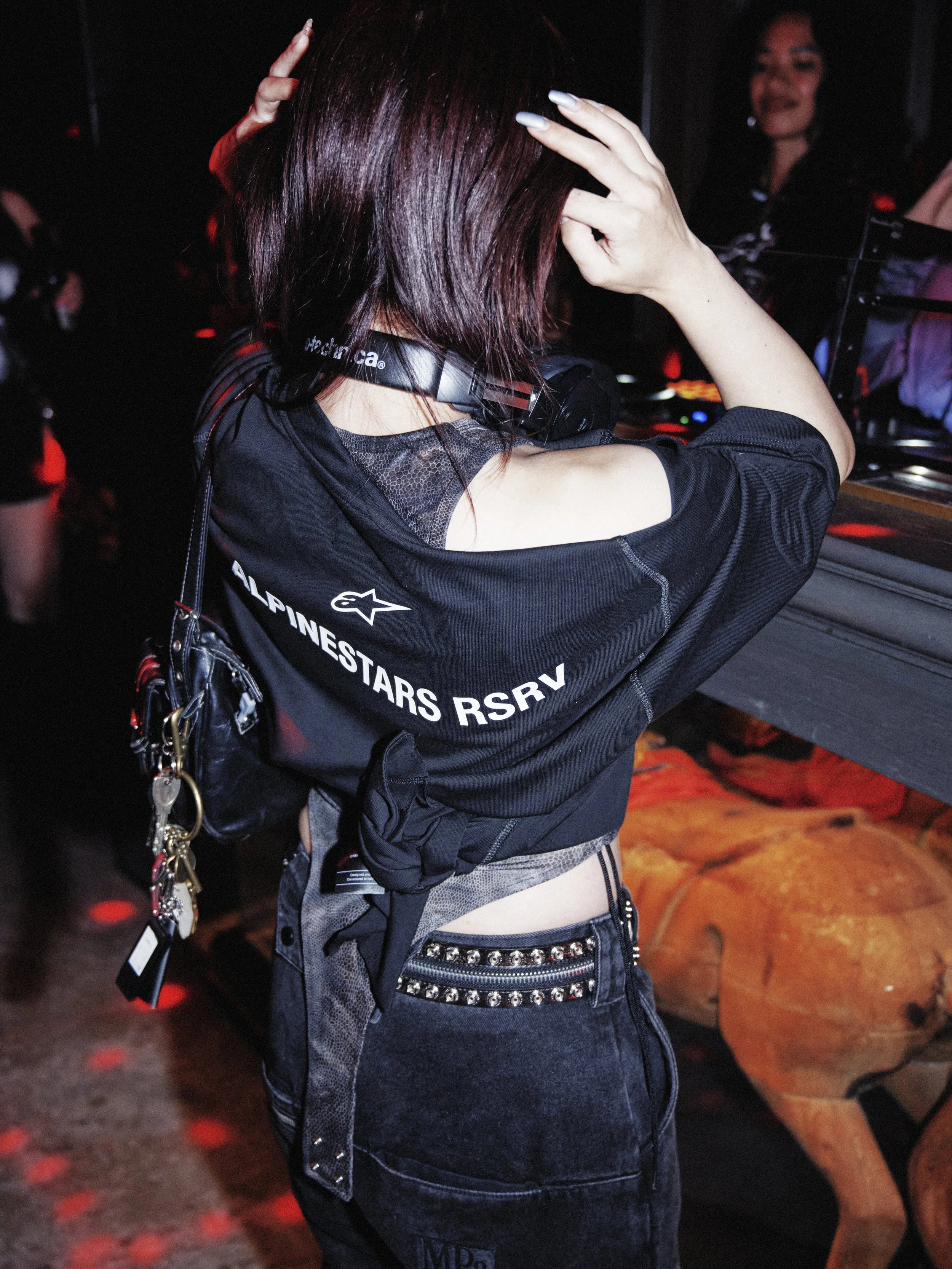


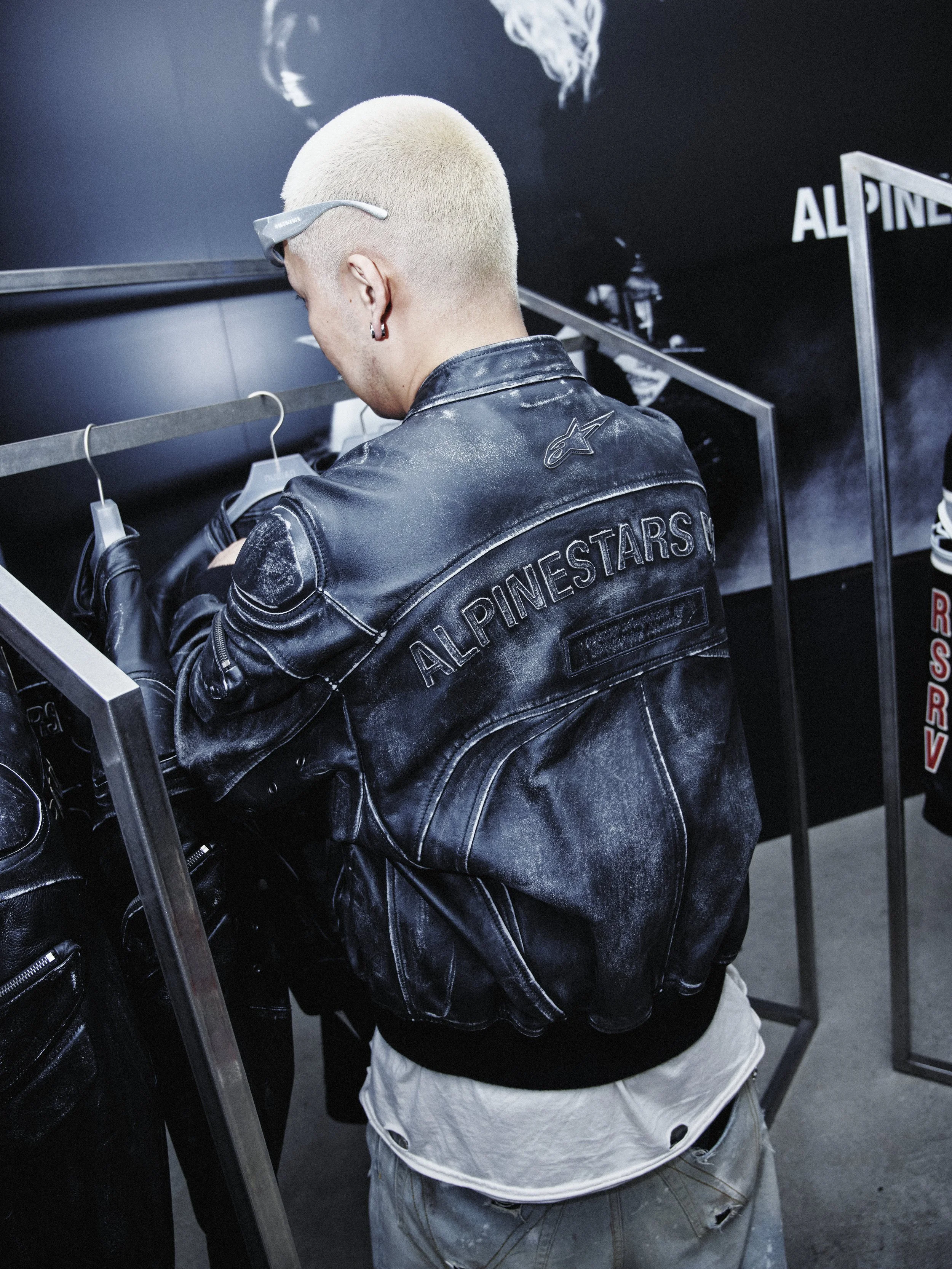
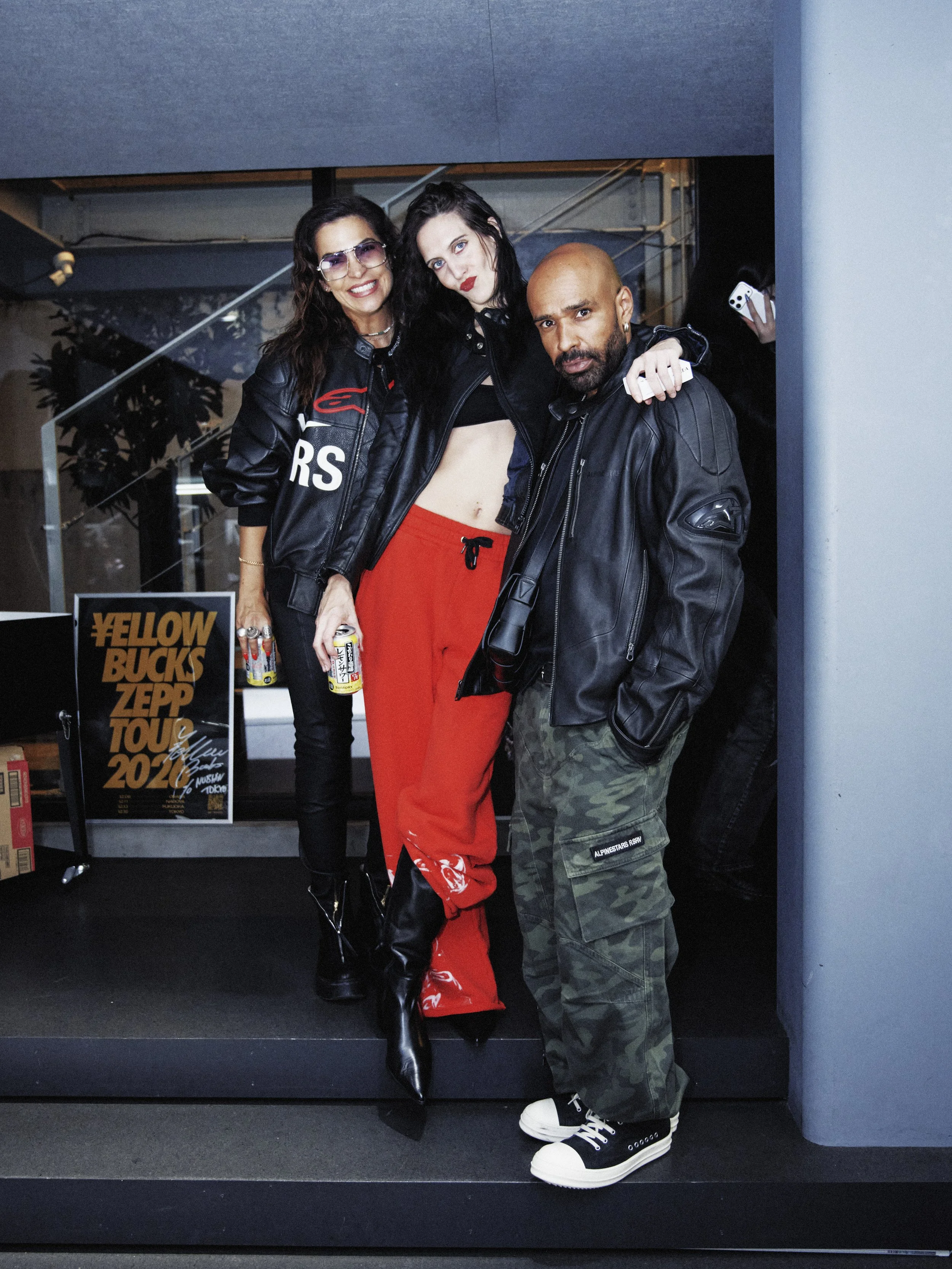















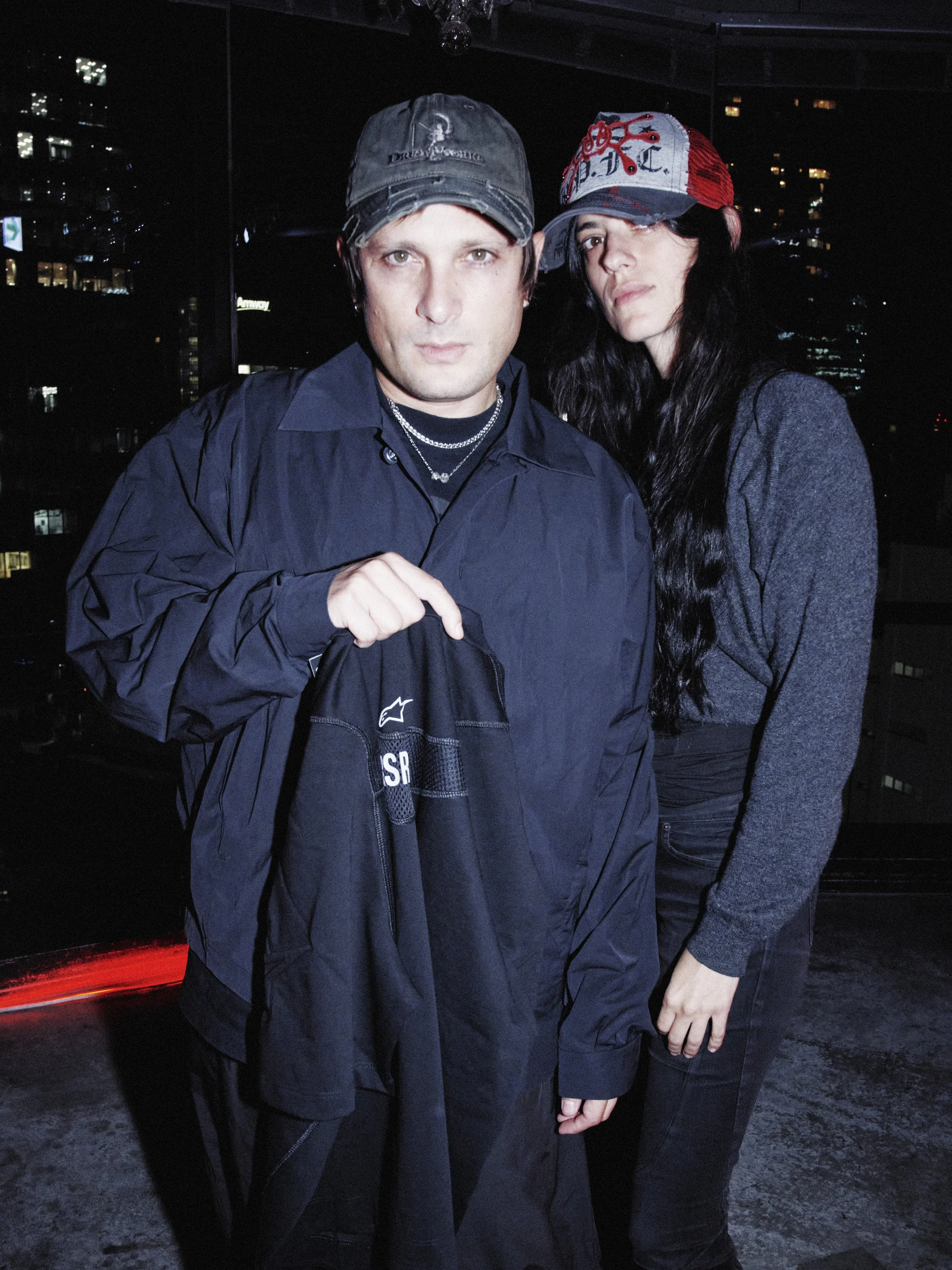
How do you translate the label’s sixty-year long heritage into a physical design language?
We look directly into the Alpinestars archive, its equipment, materials, construction, and the marks left by real competition. We reinterpret those codes through luxury fabrication and craftsmanship, preserving the DNA while giving it a completely new expression.
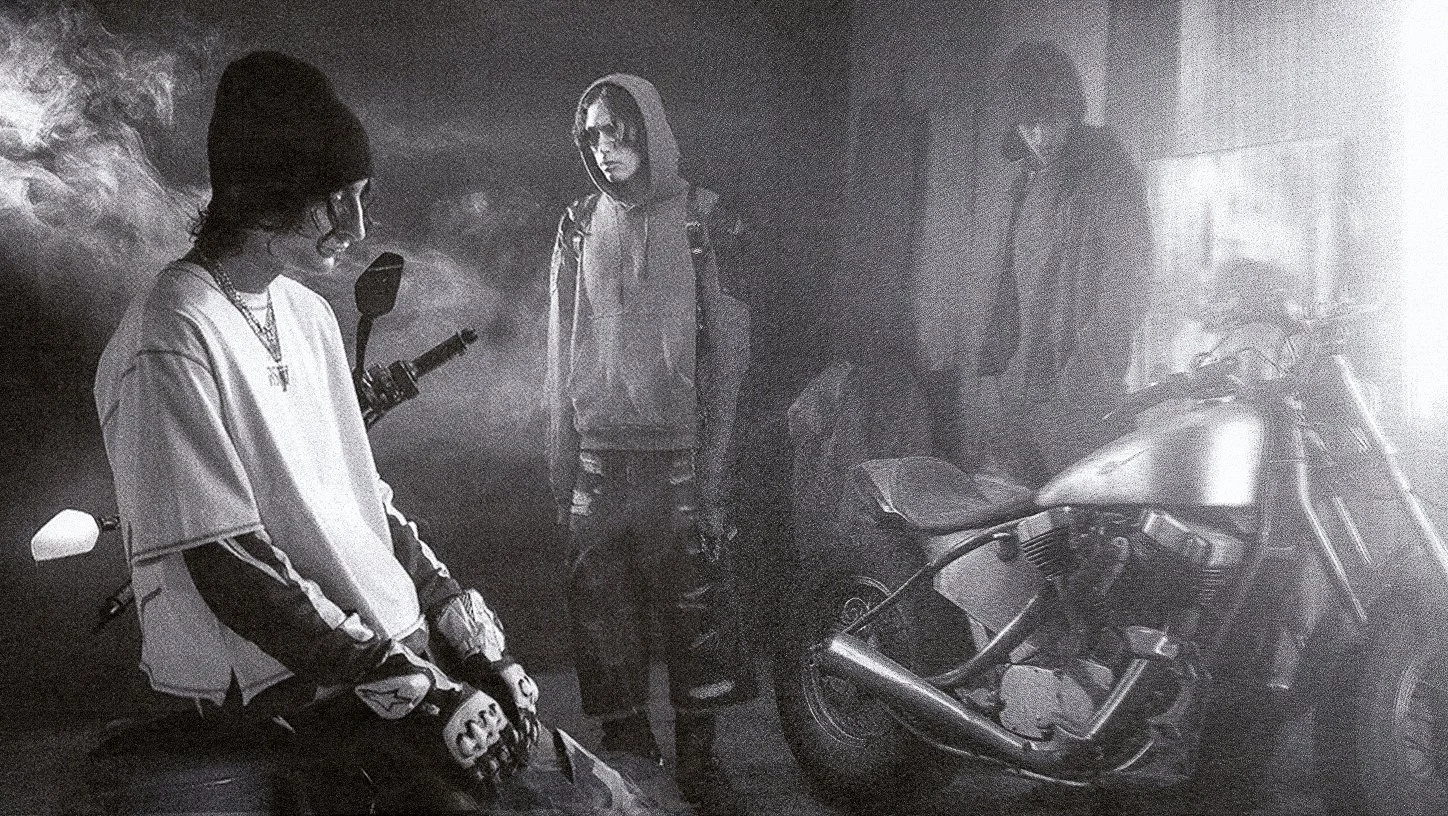
What is driving RSRV's growing focus on Asia, from Shanghai and Seoul to Tokyo?
Asia has an incredibly sophisticated relationship with fashion, design, and subculture, with a new generation that understands both heritage and experimentation. Each city has its own identity, and we're interested in being part of those conversations rather than looking at a city or region as a commercial market. RSRV brings people together, we create communities. And we are focused right now in building communities in places that we love.
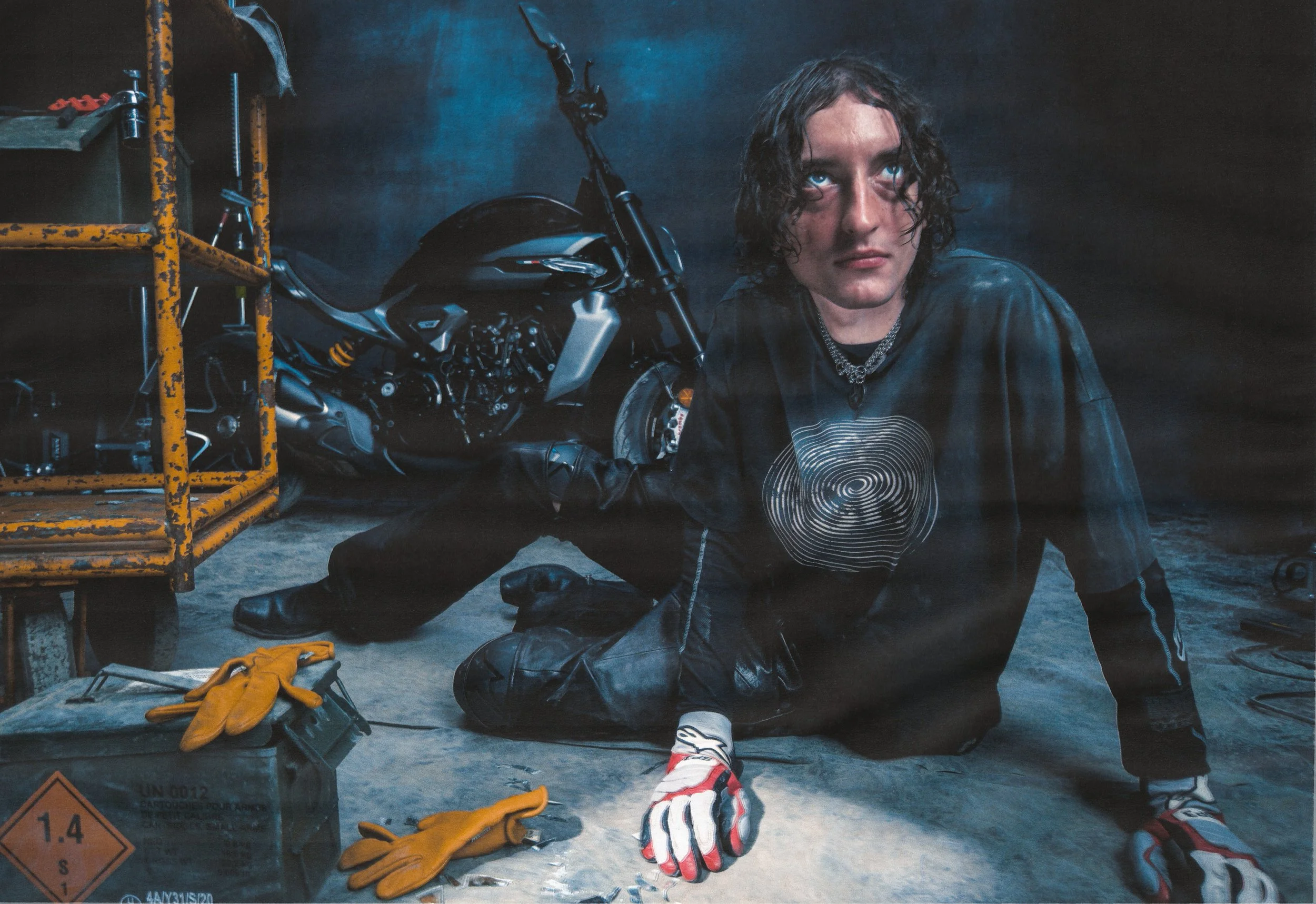
Japan has a long tradition of motorcycle youth subculture - do you think that history has influenced RSRV’s popularity here?
Without a doubt. Japan has always had a deep connection to motorcycles, customization, and individuality, and that culture understands the authenticity behind Alpinestars in a way that goes far beyond fashion. Tokyo was in particular the first place RSRV ever sold in all of Asia.
What similarities are there between Alpinestars’ Italian heritage and Tokyo’s own motorcycle youth subcultures?
Both are built around passion, craftsmanship, obsession with detail, and a strong sense of identity. The expressions may be different, but there is a shared respect for the machine and the culture surrounding it.
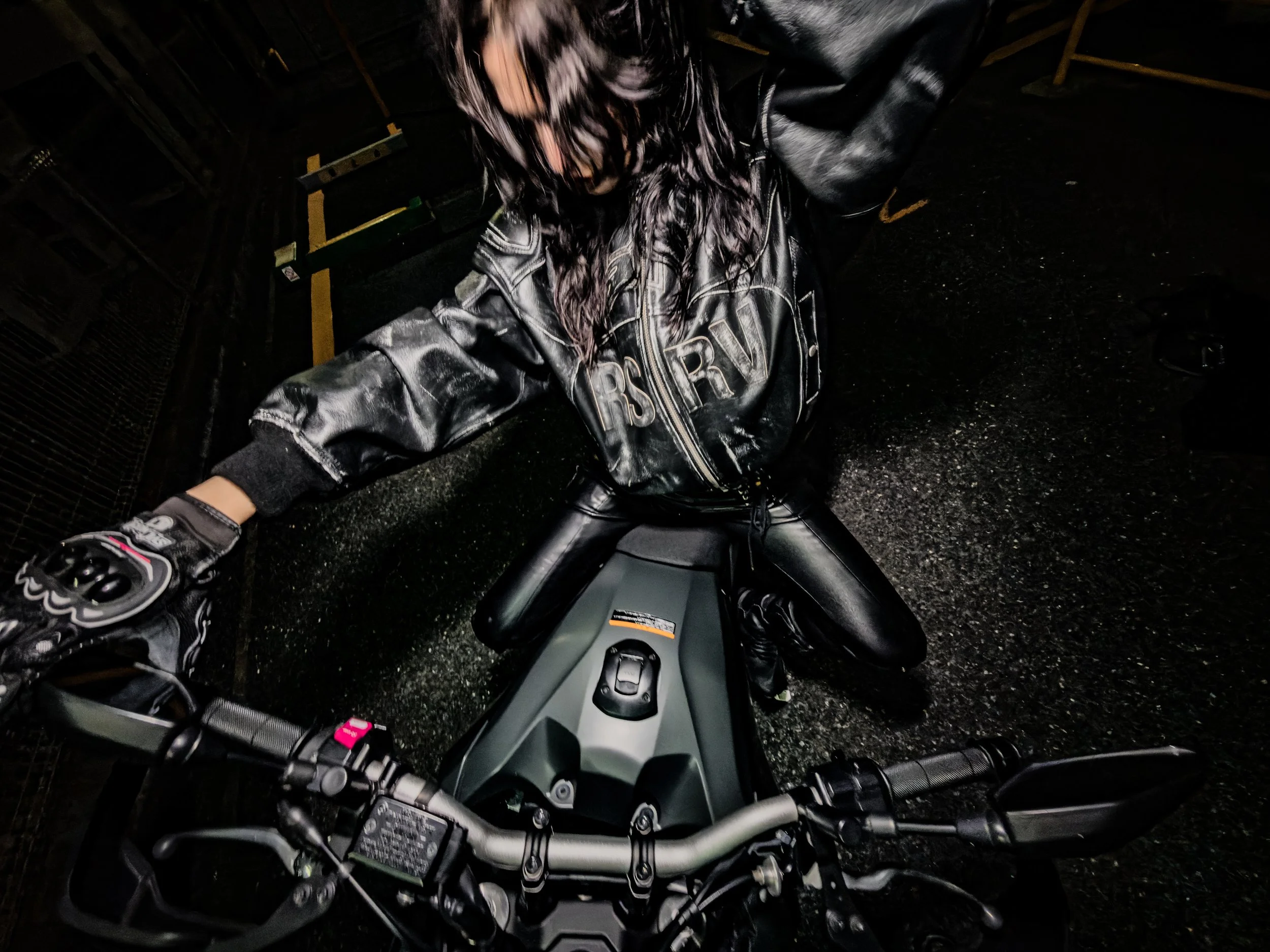
How will you incorporate that local heritage, or combine the two in the future?
By continuing to explore the intersection of our motorsports heritage and Japan's unique relationship with motorcycles, fashion, and craftsmanship. We're not interested in simply referencing Japanese culture; we want to create something authentic through that exchange.
About the Author:
Christian Wan is a Tokyo-based writer focusing on fashion and subculture.