The Splintering of Fashion: What are People Wearing?
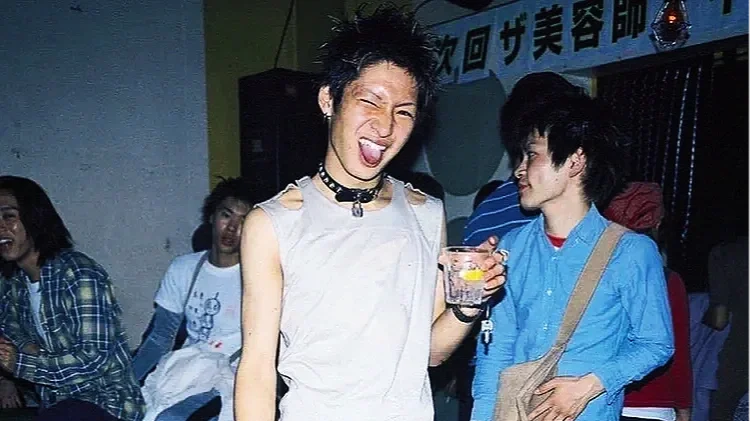
2025 saw the return of the Hedi-boy. Fashion media triumphantly declared the restoration of skinny jeans after years of oversized silhouettes, describing an epidemic of waxed denims, studded leather jackets and heeled chelsea boots. Put your phone down and go outside - is this really true? It appears a wild overstatement to describe the style’s popularity in such hyperbolic terms. Although you would be hard pressed to not find an indie sleaze-coded outfit or two in a major city, there’s still plenty of people wearing baggy pants, Americana and chunky sneakers. To no fault of these well-intentioned journalists, of course - the question “What are the kids wearing today?” has become seemingly impossible to answer. Ask 100 people, and you’ll get 1000 responses.
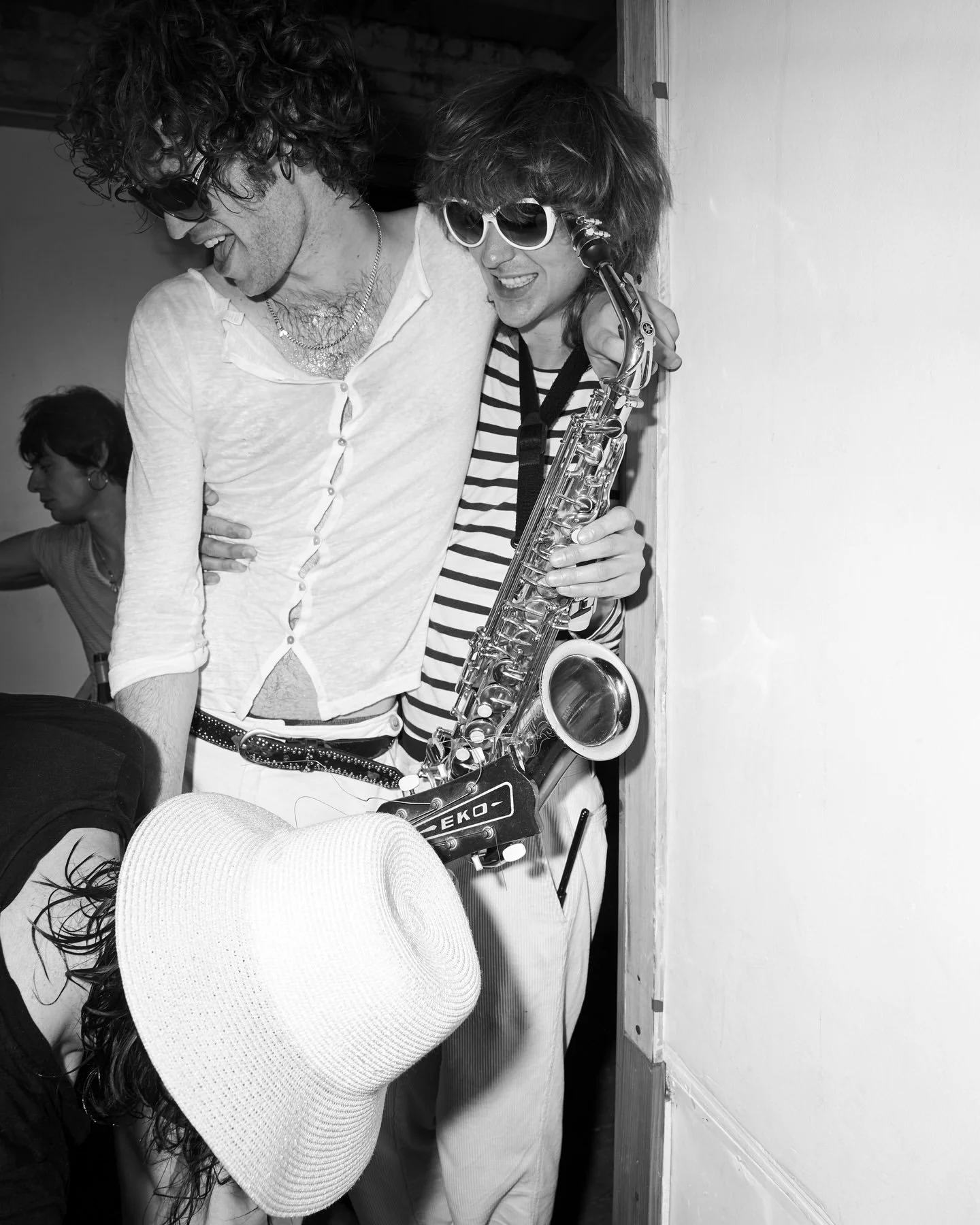
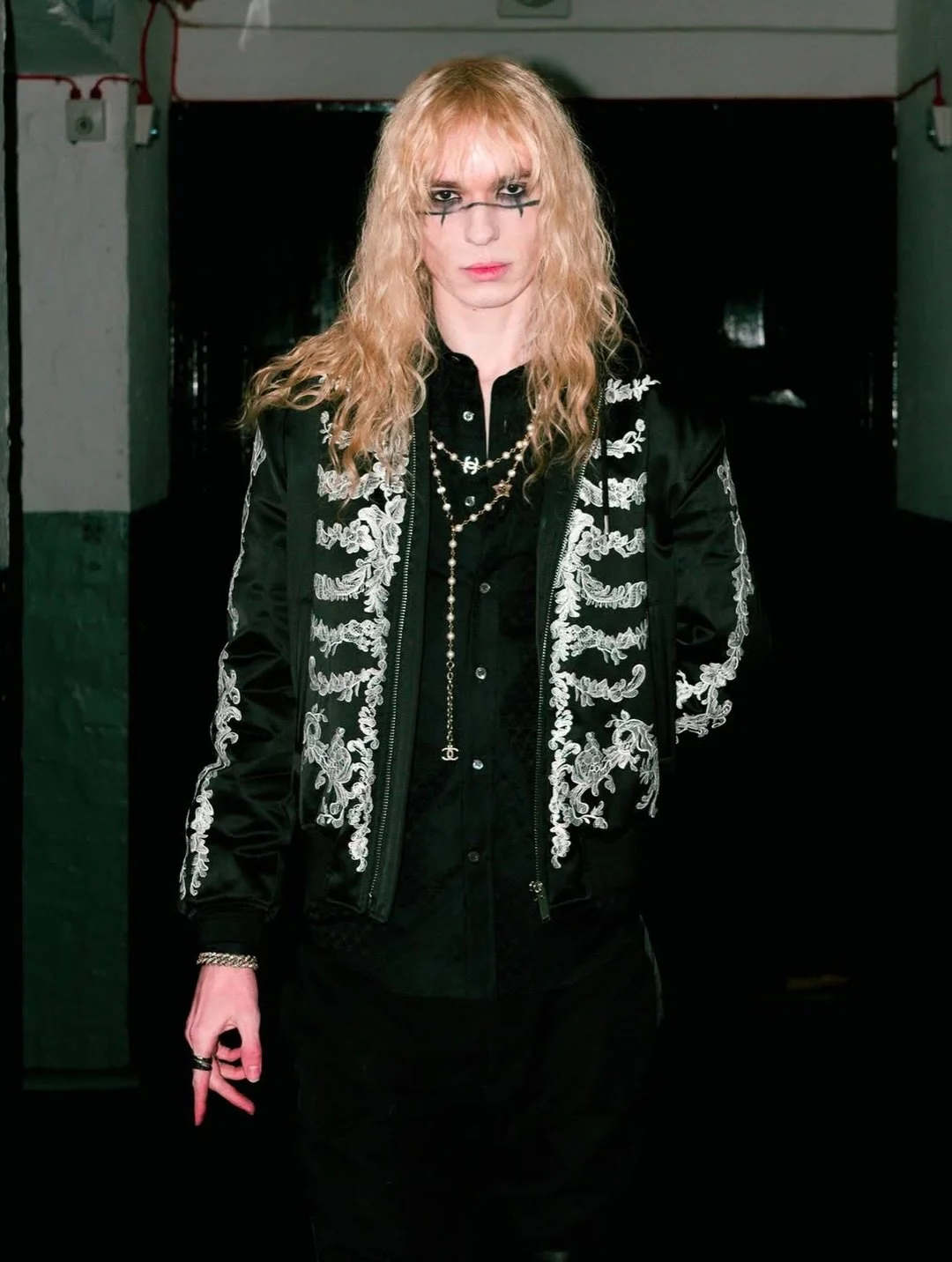
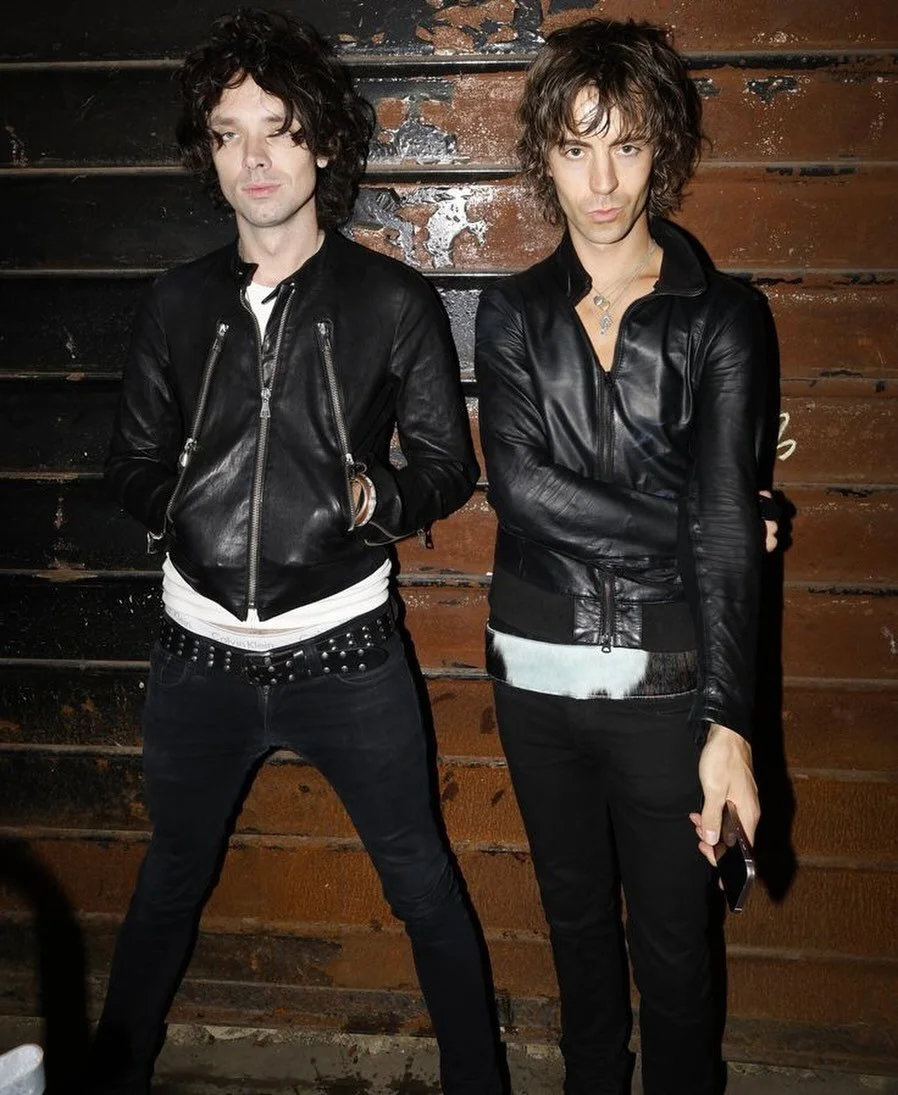
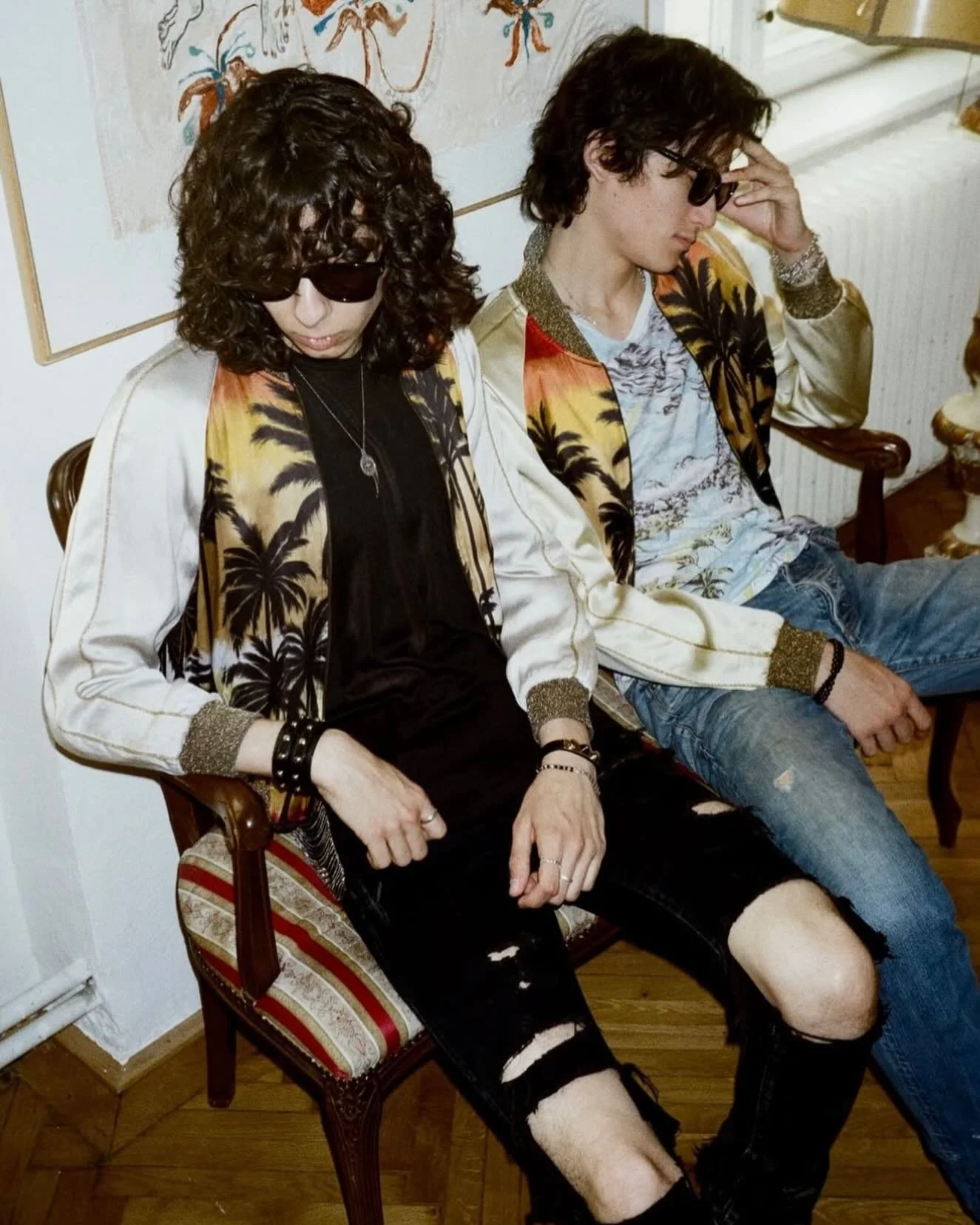
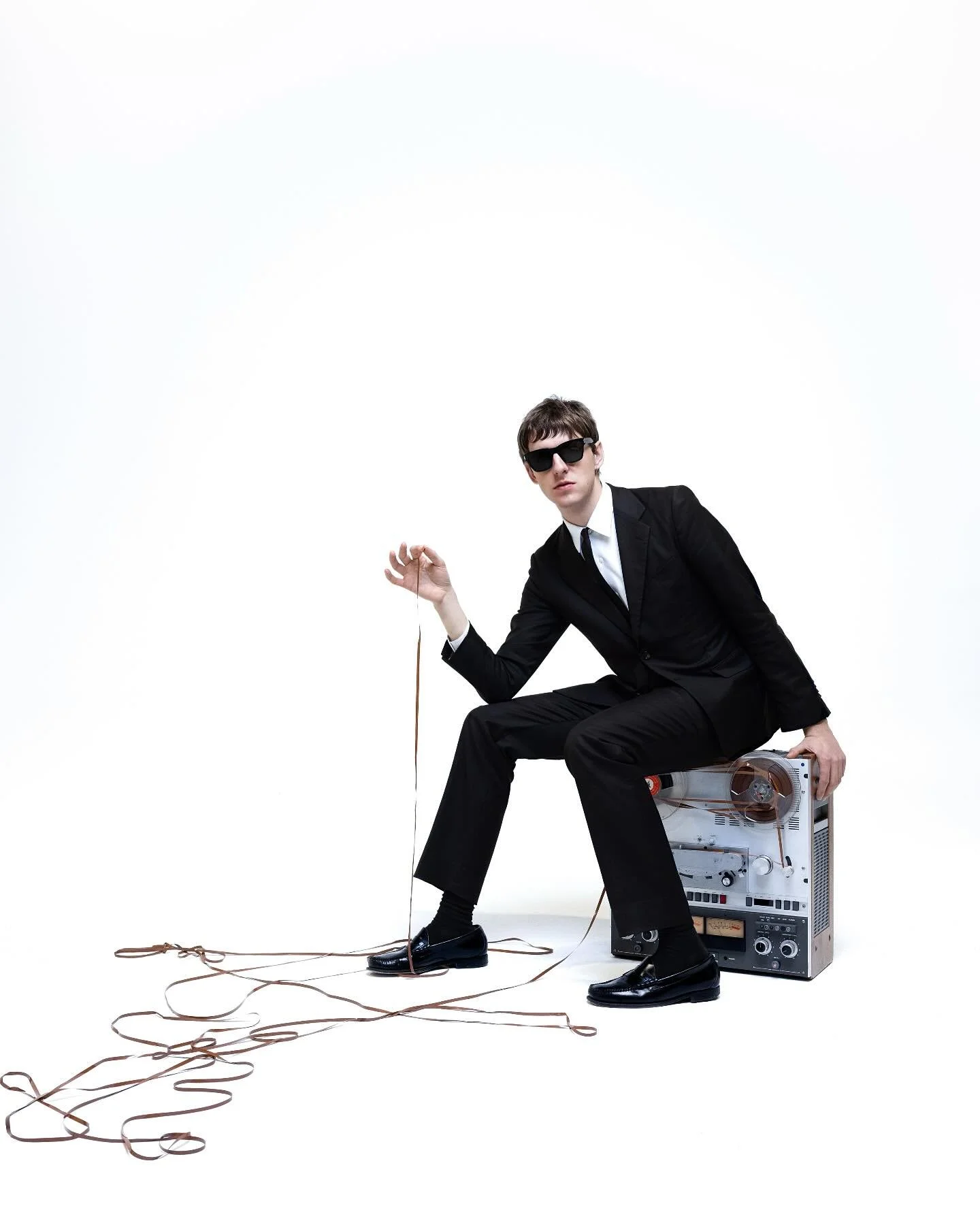
Fashion retrospectives like to organize themselves by decade. Aside from the ease and convenience of these labels, it makes sense - there’s relatively little difference between the trends of 1991 and 1999 and so ‘90s fashion’ has a meaning that most people can agree on. But as time has passed, these categories have been split into an increasing number of subdivisions: early/late 2000s, early/mid/late 2010s - which leaves us with the ambiguous mess of today. It’s easy to chalk this phenomenon up to what people term ‘TikTokification’, where the compression of culture into sixty second clips and algorithm-oriented virality have resulted in ever shorter trend lifecycles. Although it is a factor, it’s also important to note that what’s considered ‘in vogue' just doesn’t hold the same youth-wide sway anymore, nor is it as visually distinguishable.
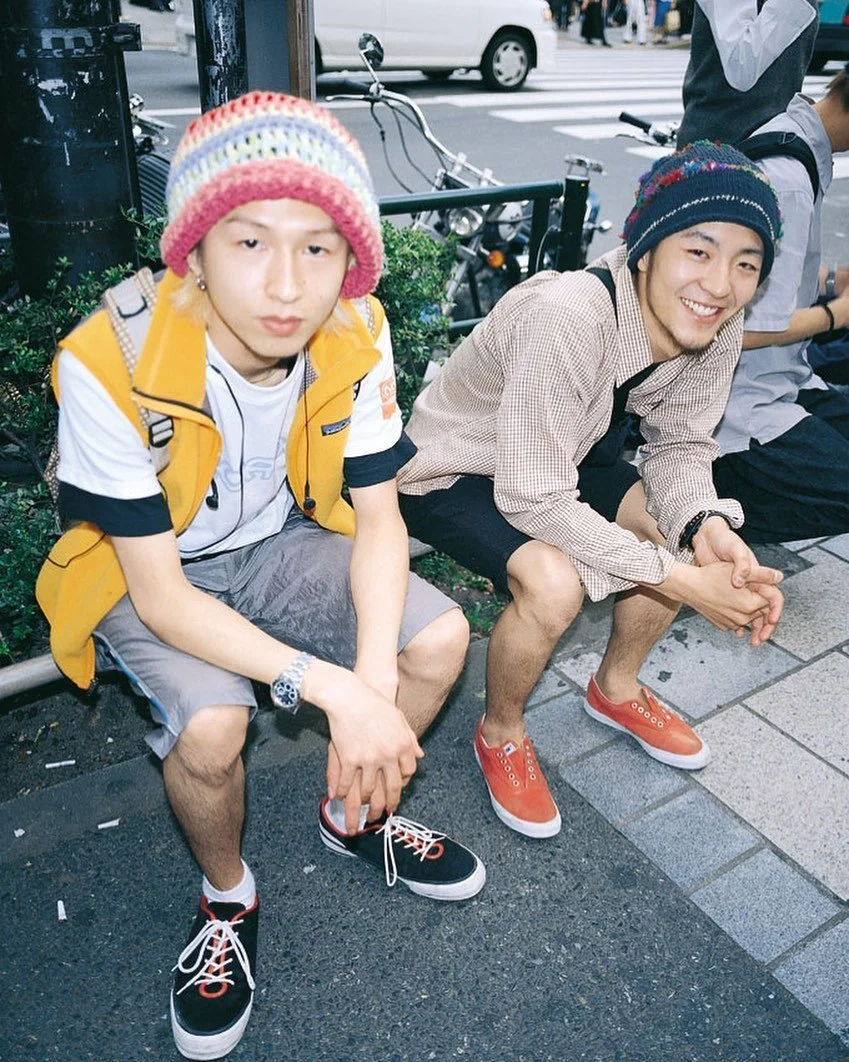
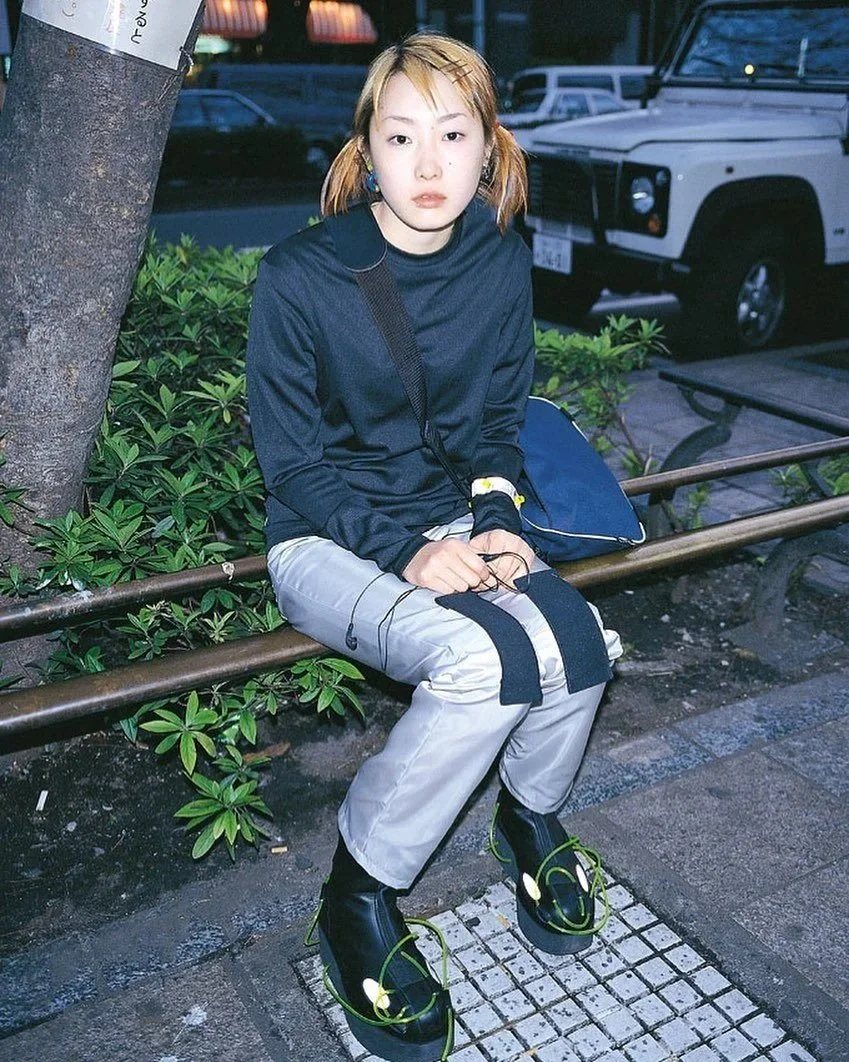
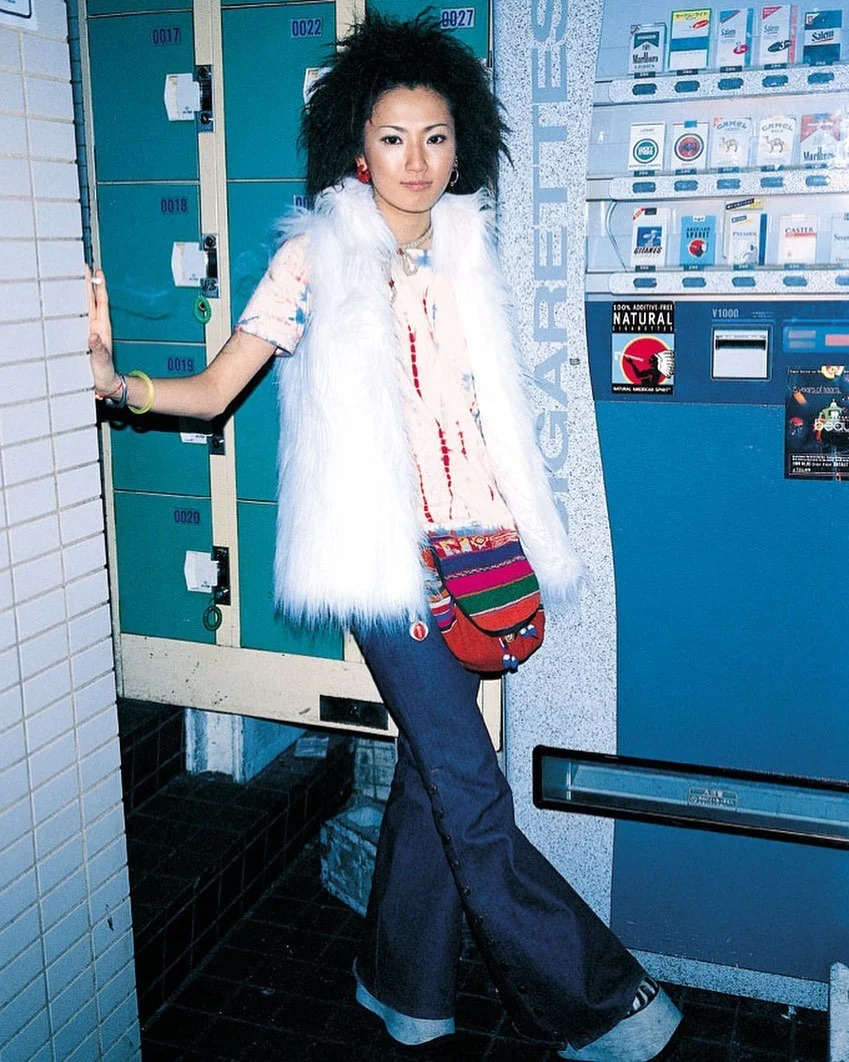
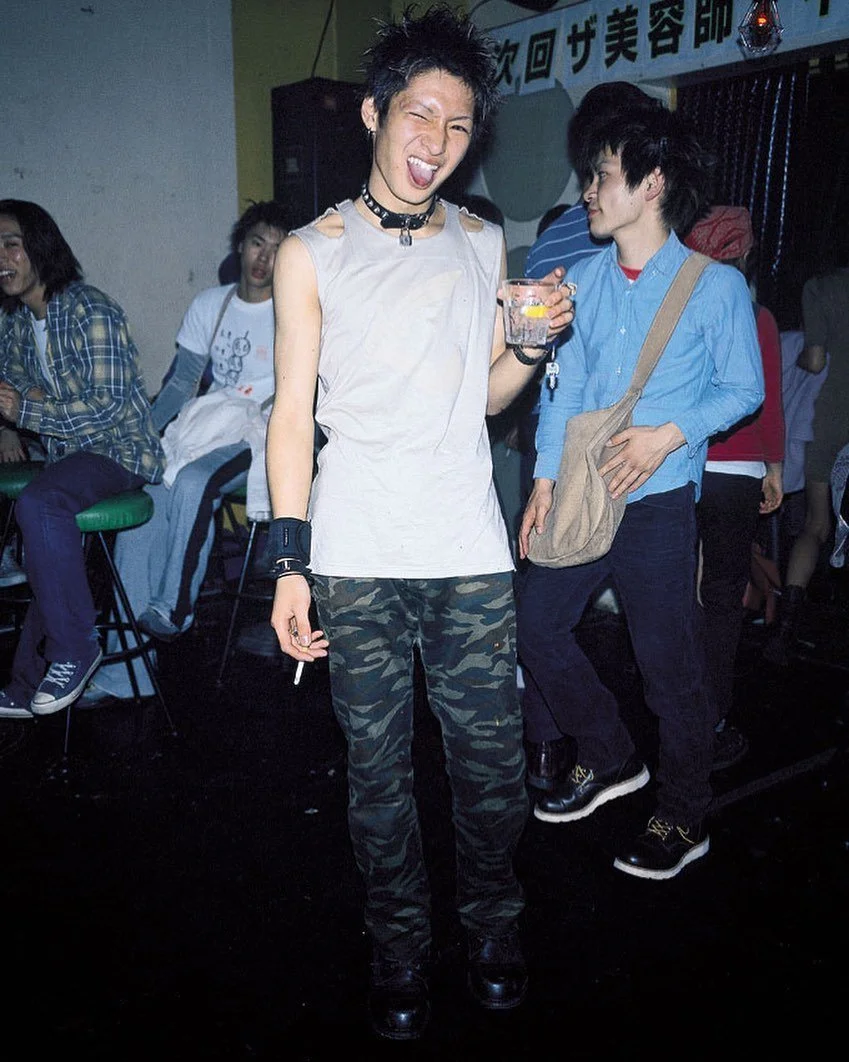
Even comparing the similarly short-lived 2016 wave of Supreme box-logos, Yeezy 350s and Off-White industrial belts, or the complete aesthetic shift to GORPcore jackets - but there’s nothing that claims the same chokehold over youth minds in 2026. Nowadays, there’s Harajuku Gyaru, techwear enthusiasts, Japanese denimheads, thousands more - all rolled into a singular generation’s trendscape.
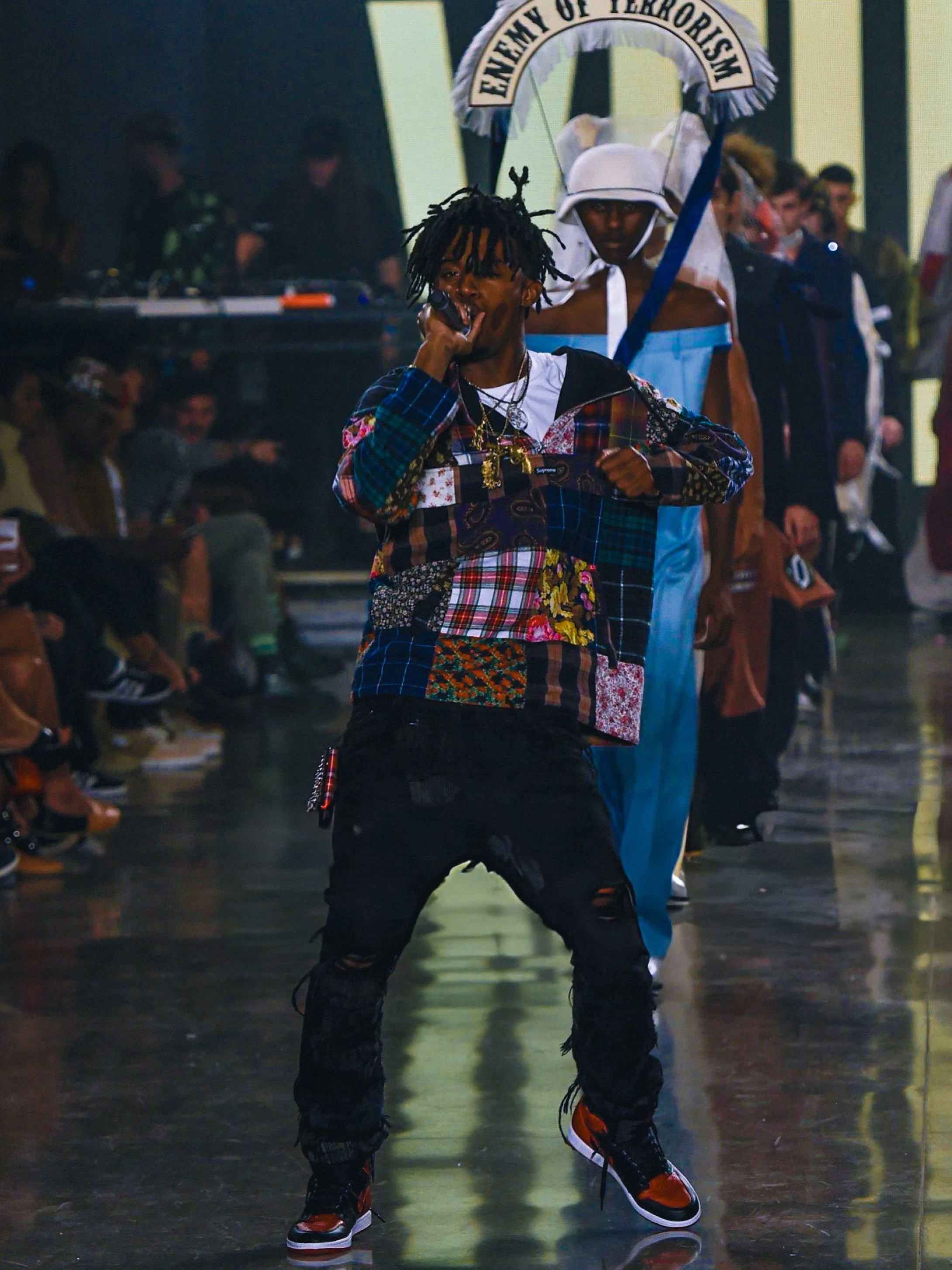
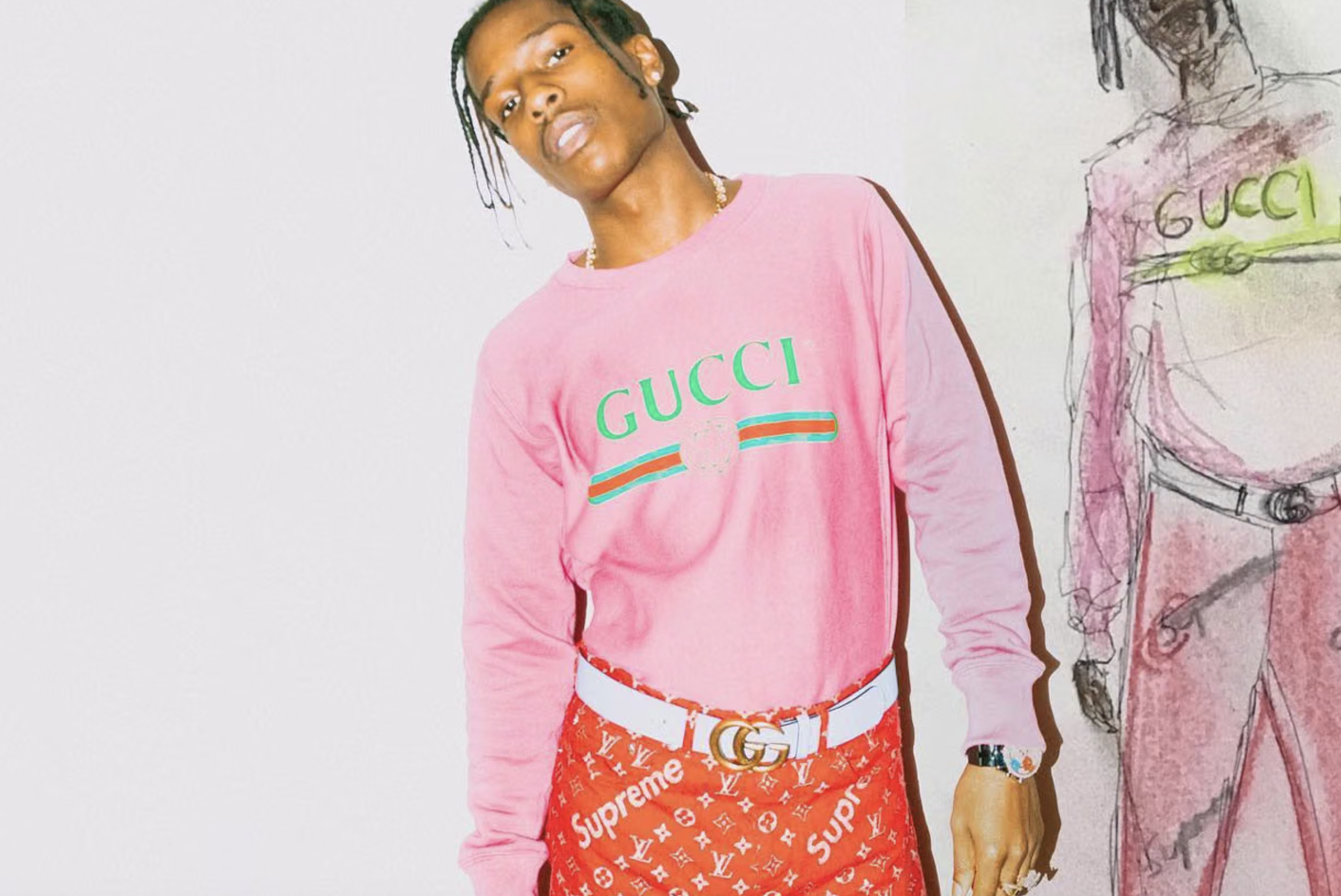
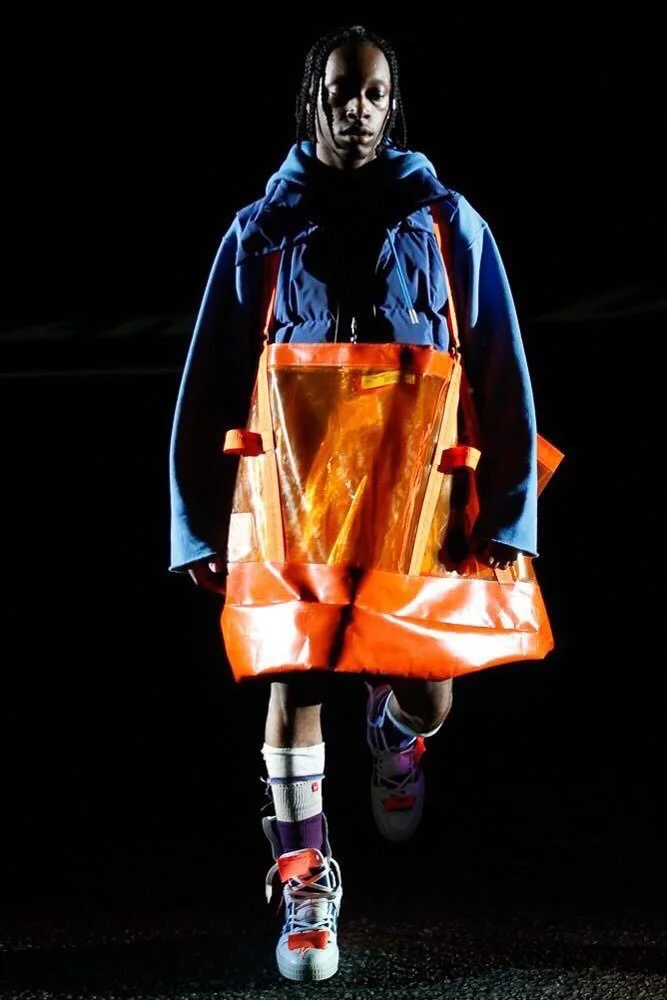
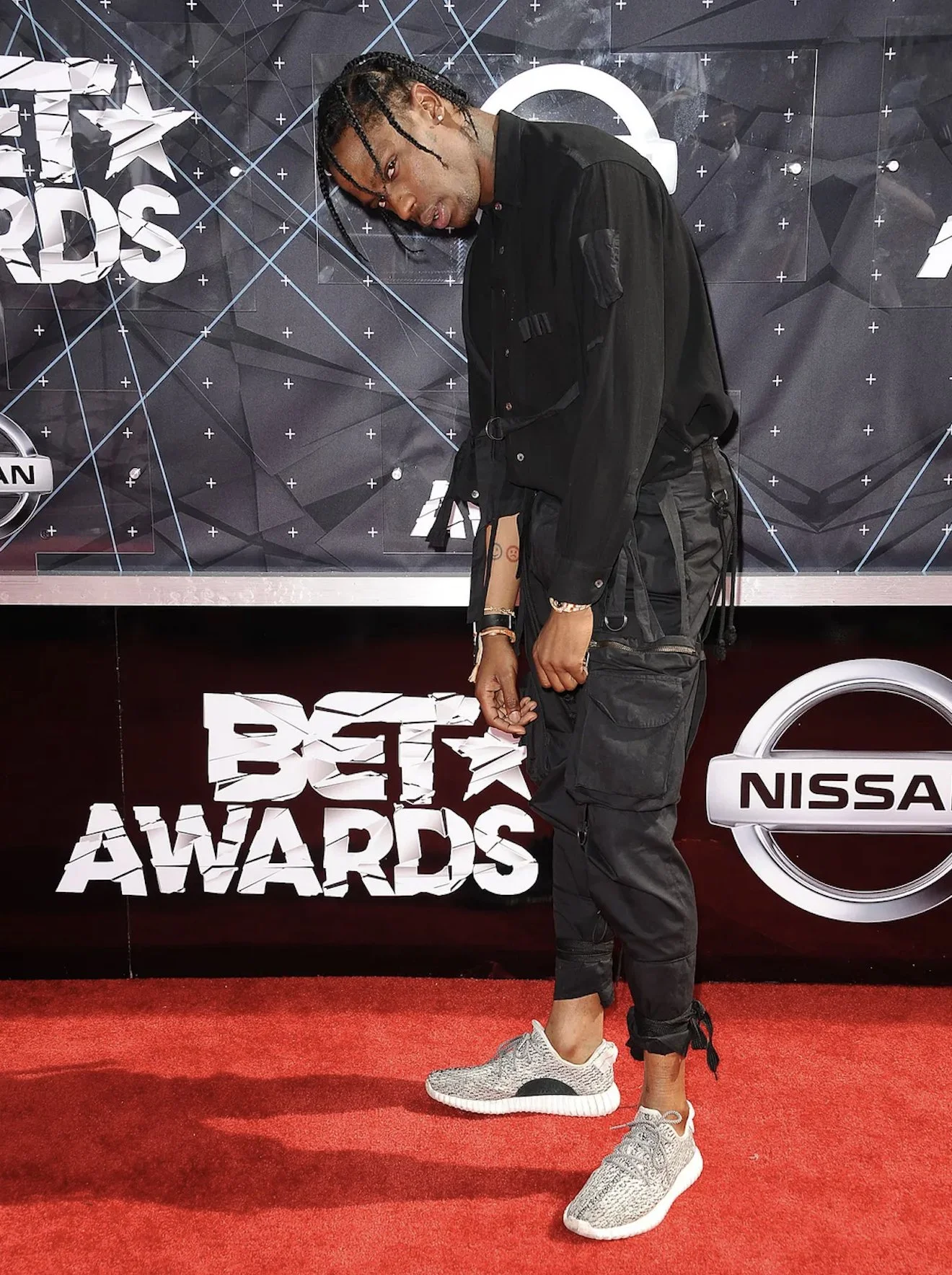
One reason for this is quite simple: culture just isn’t as monolithic anymore. 2016’s hypebeast frenzy was more-or-less a reflection of the popular music at the time. Whatever Playboi Carti, Lil Uzi Vert and Kanye West would wear, fans would draw inspiration from their favorite artists. Air Jordans, Alessandro Michele’s Gucci and Demna’s Vetements were the signal to show that you knew what was up on the world stage. Flash-forward ten years, there isn’t a dominant genre anymore. Hip-hop has shattered into the various underground movements of rage, jerk and trap, K-Pop has taken the world by storm, and all the post-COVID online genres of hyperpop, indie rock and EDM have taken precedence over radio play and mainstream charts.
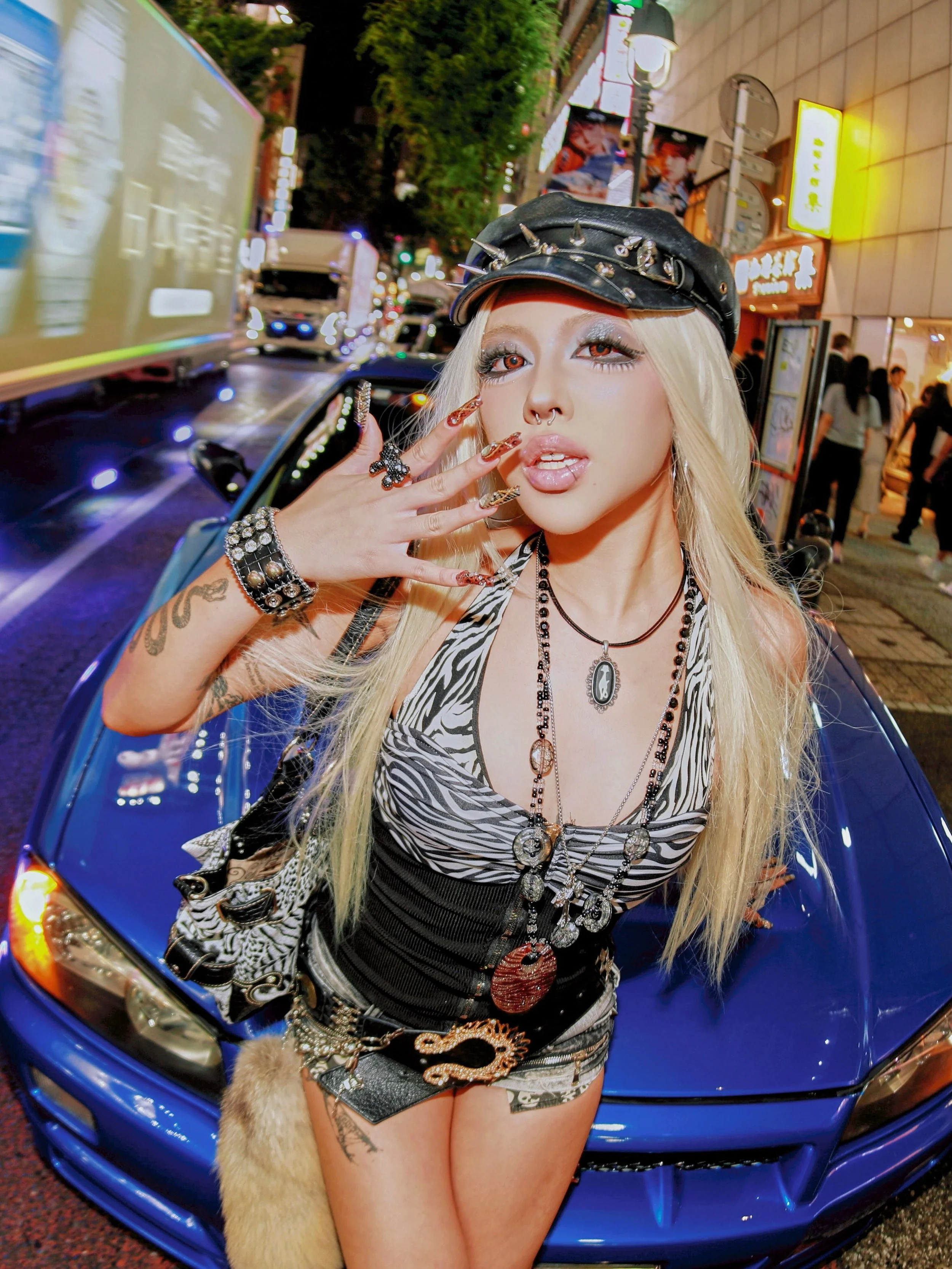
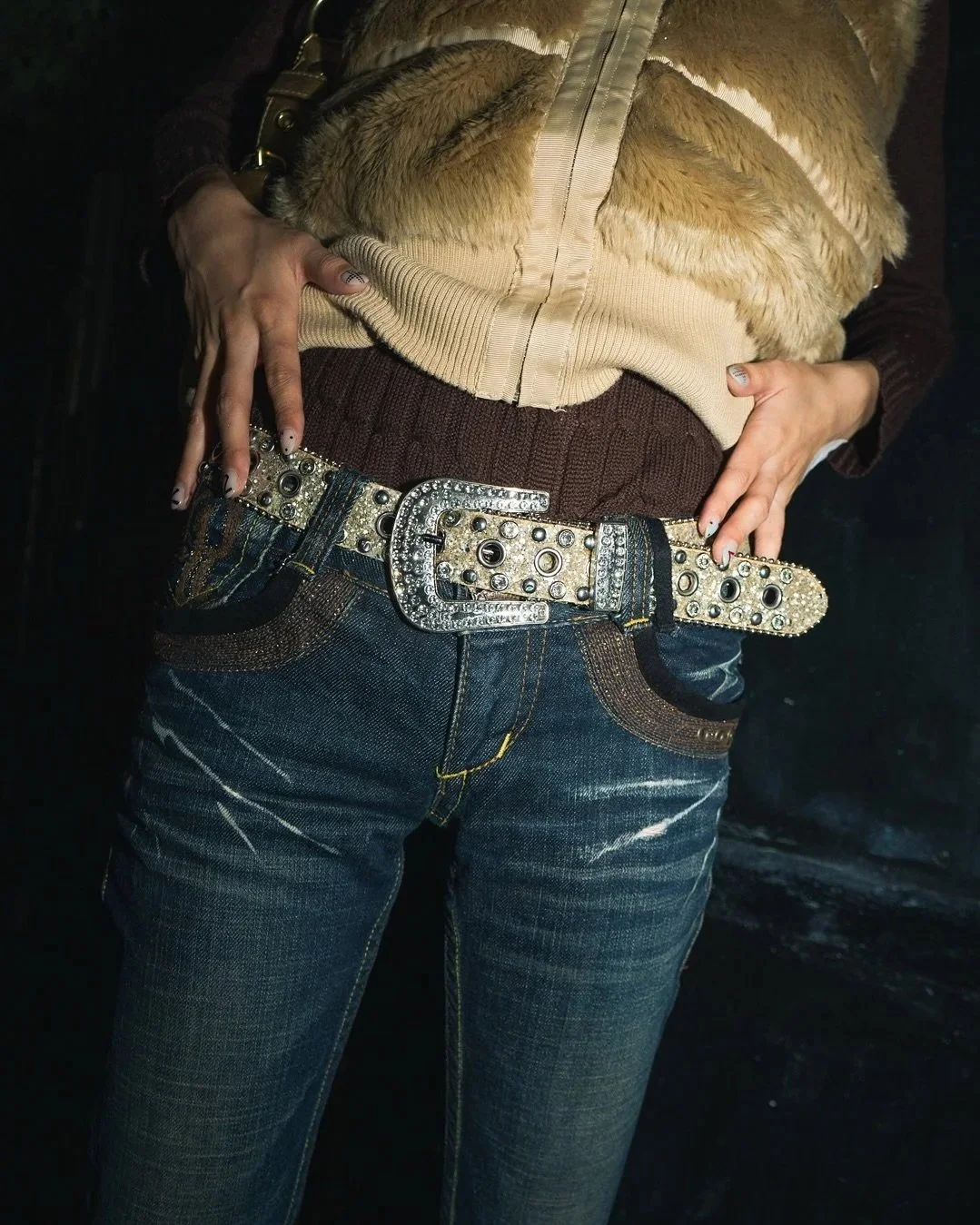
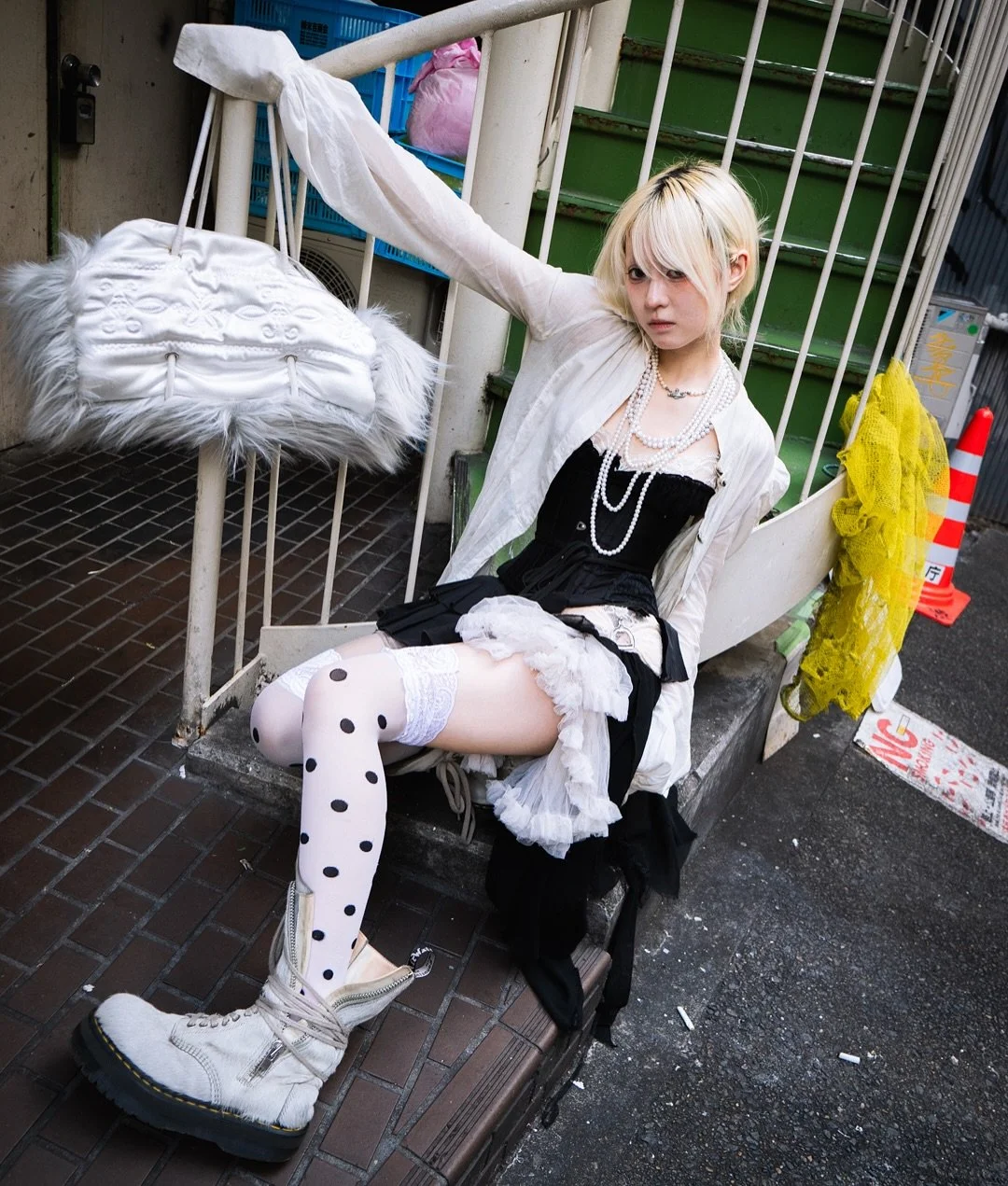
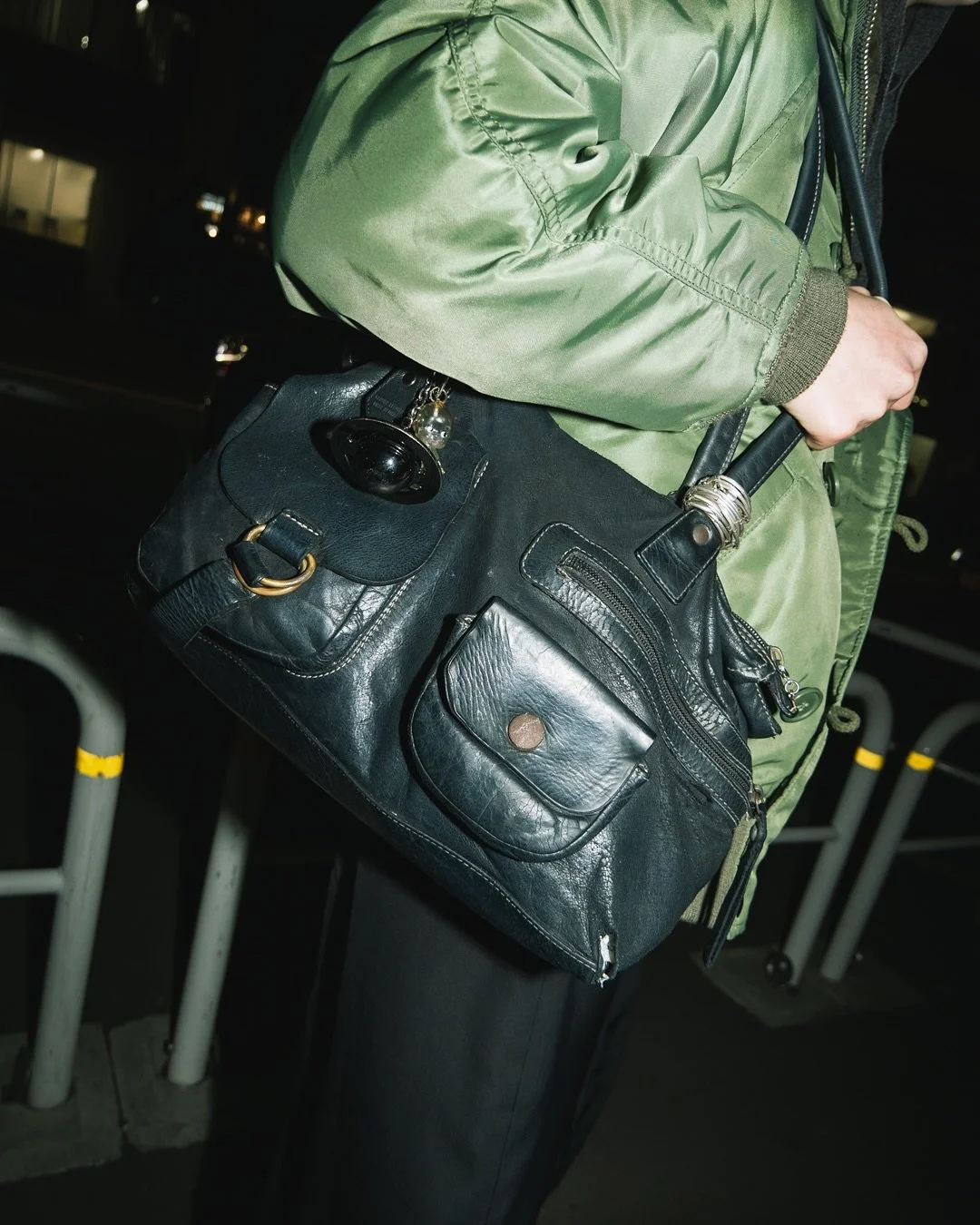
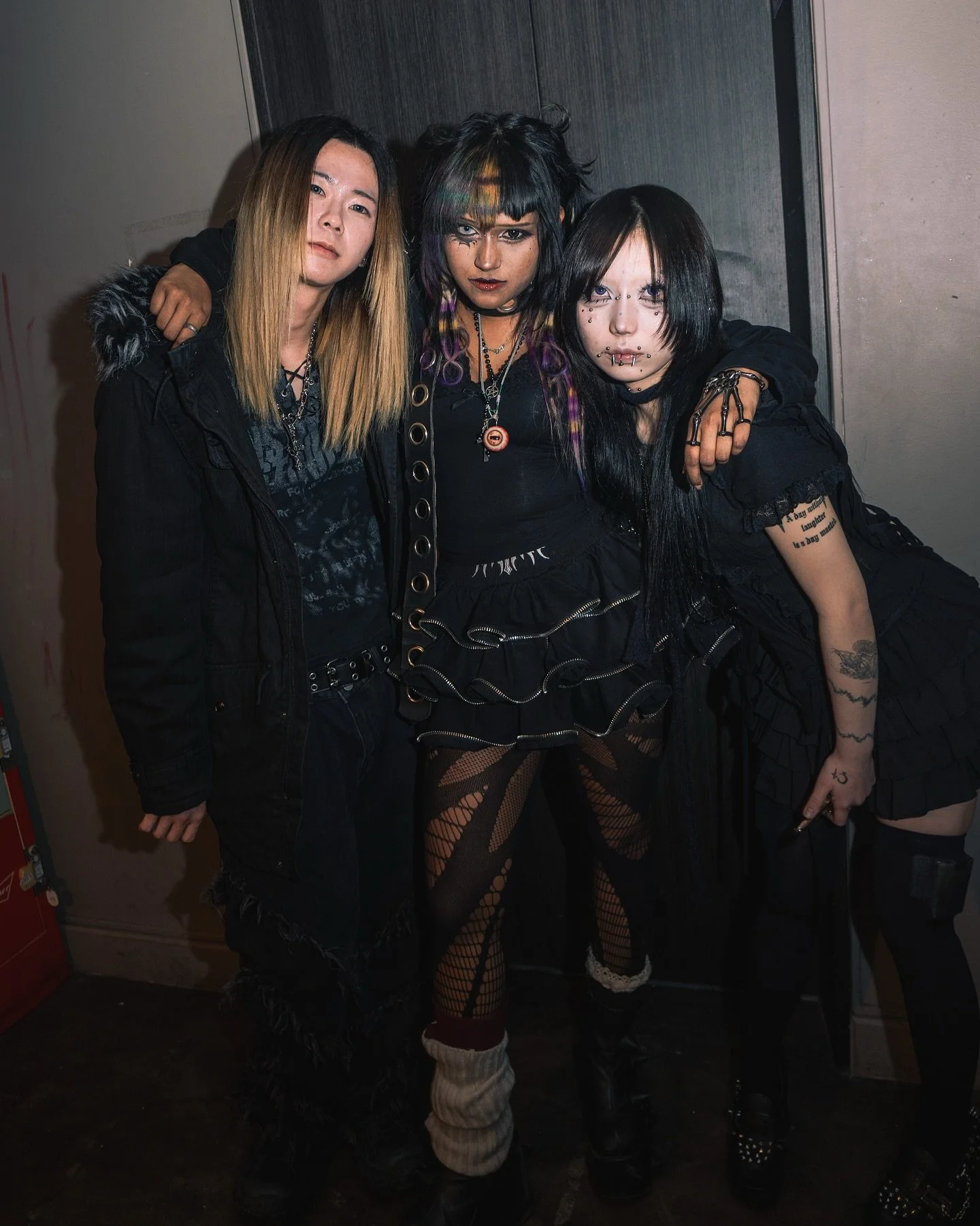
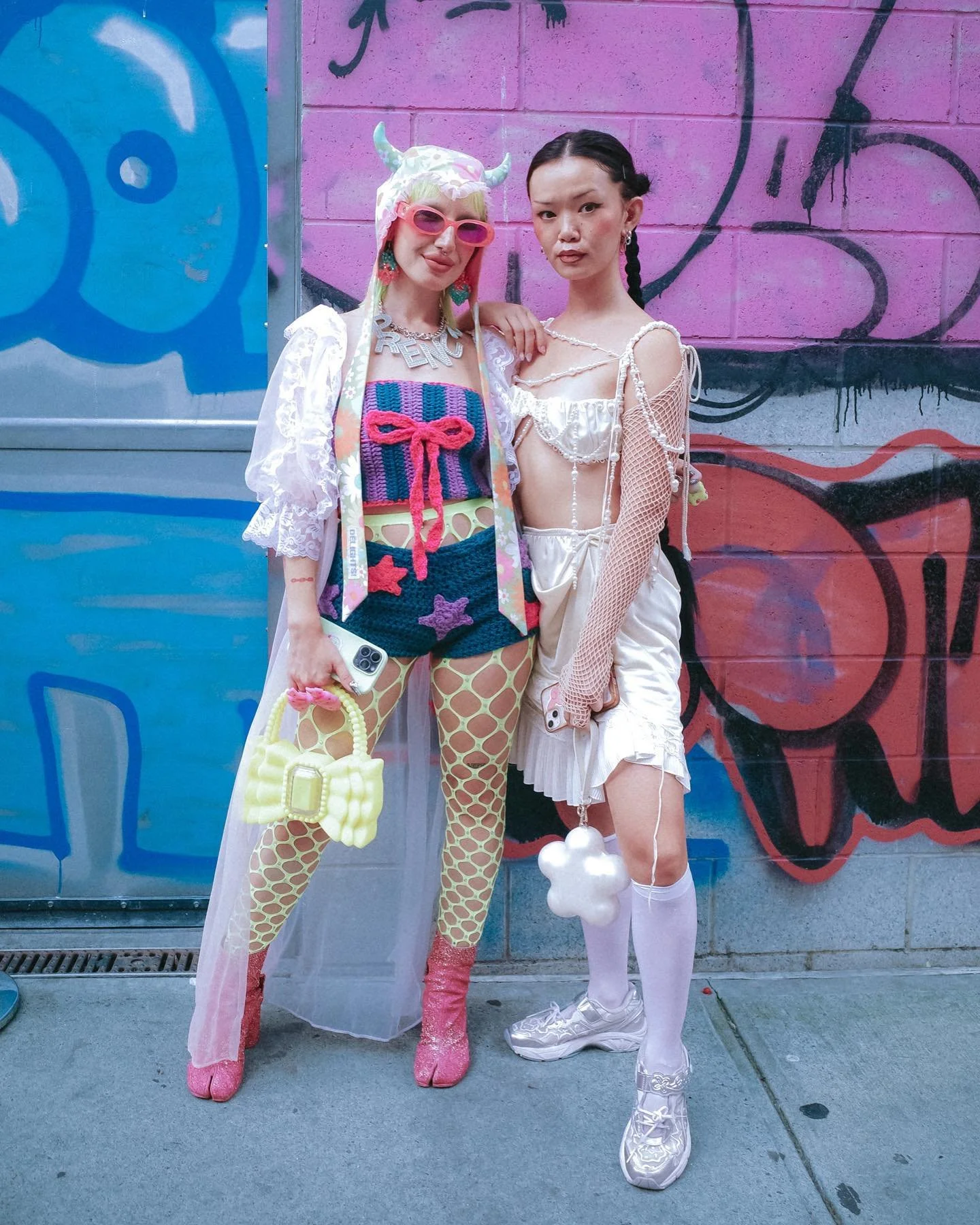
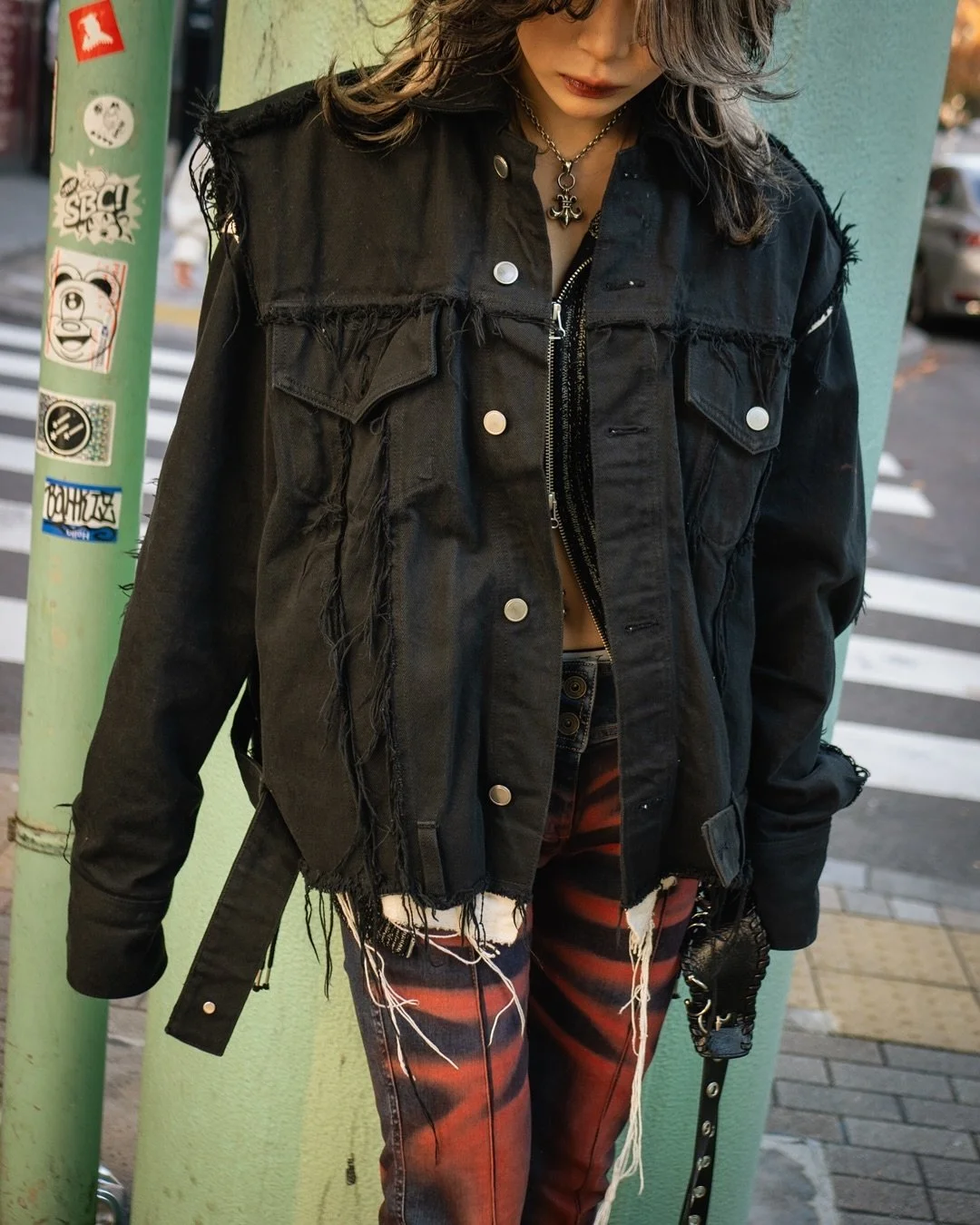
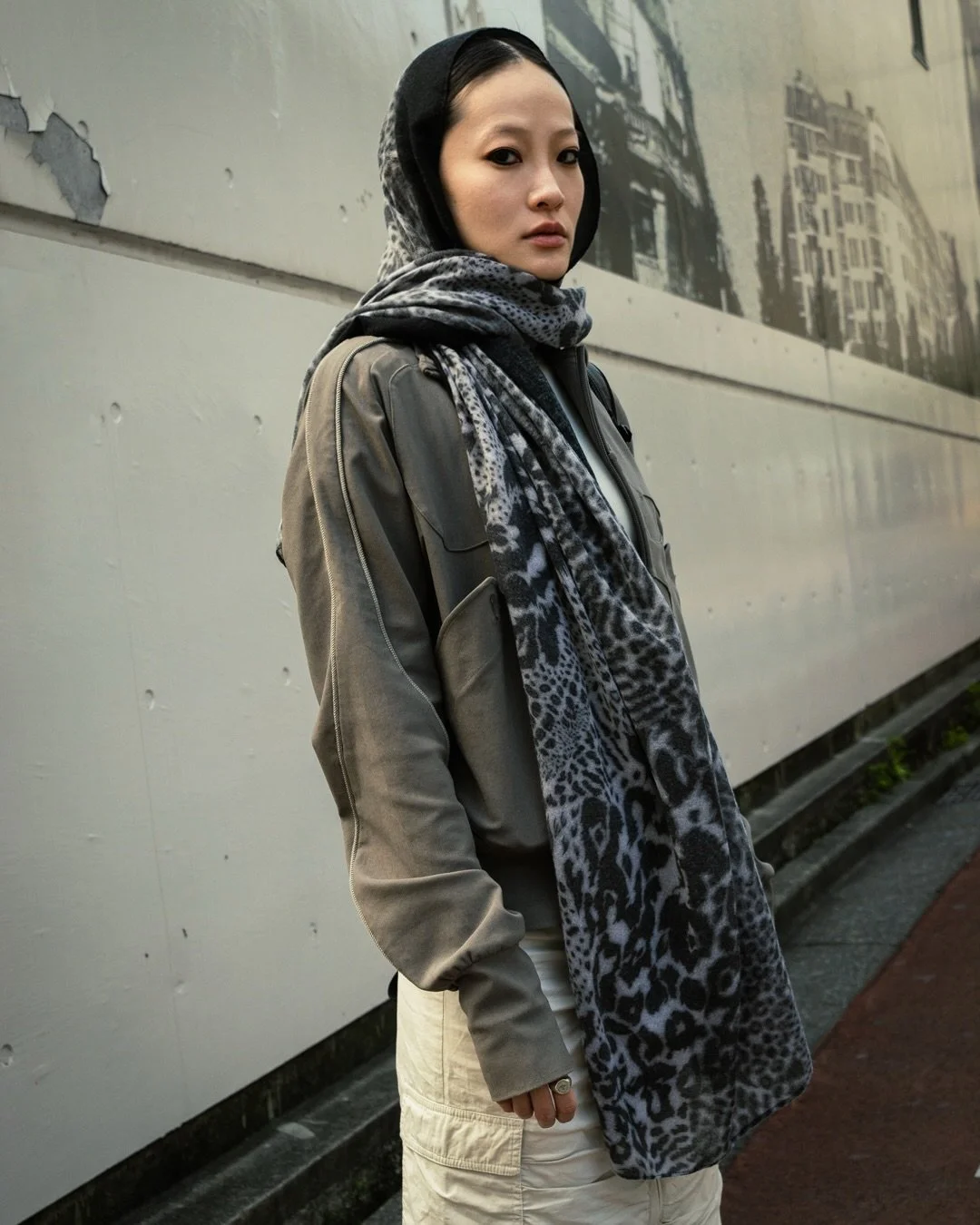
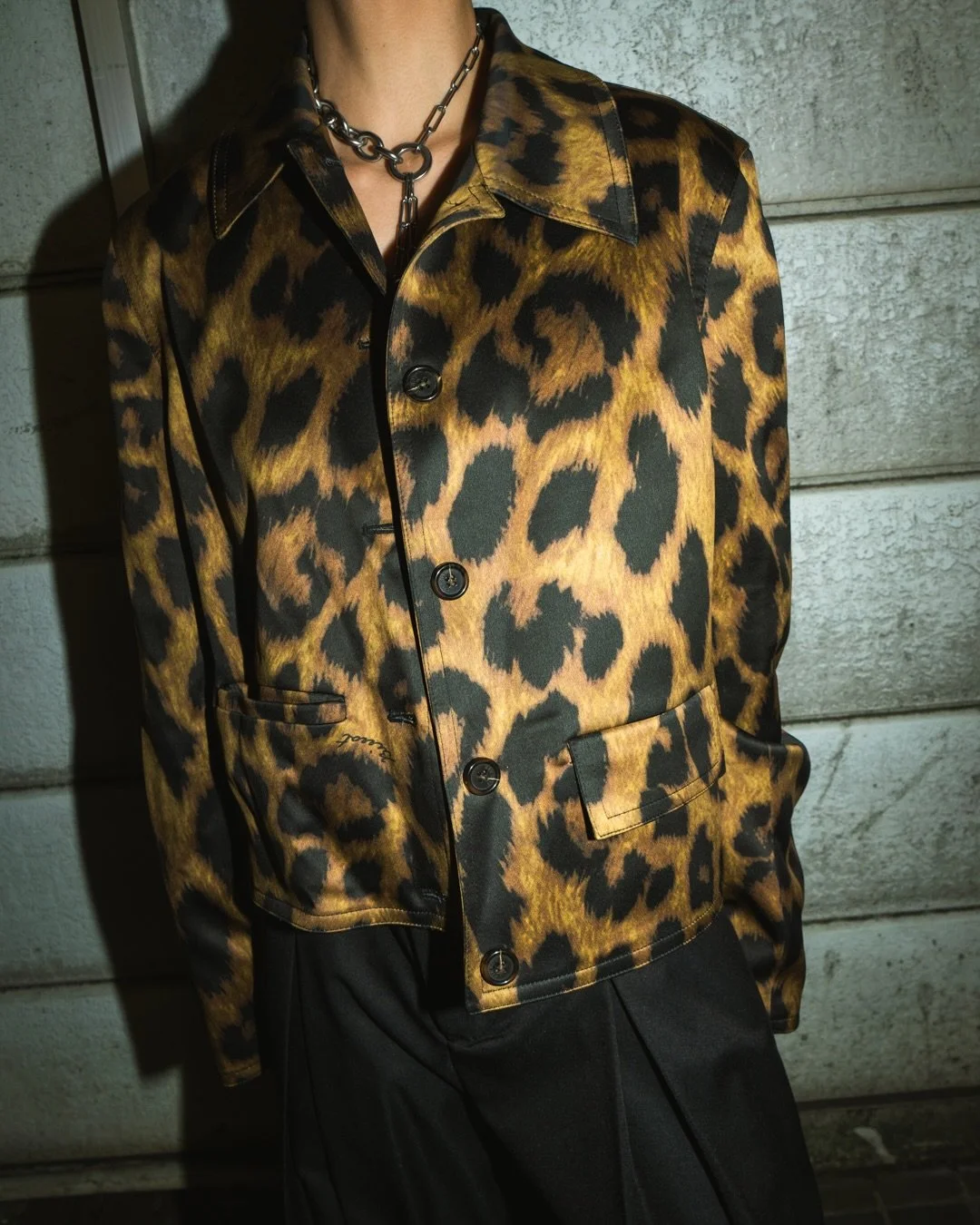
The obvious question then follows, what now? There’s already an incredible overlap between the aforementioned cultures - it’s not hard to open up your social media app of choice and see people mixing-and-matching pieces from seemingly opposing ends of the subculture spectrum. For sabukaru, that’s where the future lies: the freedom and diversity to combine different aesthetics. If the goal of style is self-expression, the youth’s next move of synthesizing them into a distinct individuality is perhaps the ultimate manifestation of fashion itself.
This splintering has materialized in the fragmentation of fashion into hundreds of unique tribes, with specific brands catering to their community’s tastes. Underground rap’s mix with archive circles holds the Hedi-boy camp, Rick Owens-subscribed Opium fans, and If Six Was Nine/L.G.B.-wearing visual-kei inspired Bohemians. The ultra-feminine coquette trend’s combination of pink bows and frilled dresses still maintains a following with dedicated labels like Lucila Safdie and SHUSHU/TONG. Towards the mainstream, the normcore-quiet-luxury crossover of designers like Phoebe Philo and The Row or Japanese workwear staples in KAPITAL and NEEDLES remain relevant. This varied landscape has made it impossible to distill the 2020s through a singular aesthetic - and that very diversity is what makes Gen Z’s look distinct.
Written by Christian Wan