The Female Led Revolution Behind Gaming OSTs

When most hear the word “gaming soundtracks” they’ll probably think about chiptune, FIFA pop hits or GTA underground bangers.
While all are valid, they have a very male centric demeanour to them. It ignores the fact that almost 50% of gamers today are female, and they might in fact be seeking out something different - something from a female perspective. According to Luminate, female gamers are +10% more likely to engage with music compared to males. Enter the female cinematic frontier of gaming OSTs.
THE NEW FRONTIER
Two of the best games of 2025 were led by great female vocalists. Caroline Polachek whispers you through a Death Stranding desert, Alice Duport-Percier draws you into a crypt shadowed hall of Clair Obscur Expedition 33.
Polachek's voice sits in that uncanny space between opera warm up, club vocal and medieval hymn. In Kojima’s desert of body horror and broken delivery routes, she becomes the guide. When she leans into her vowel-bending runs and wordless lines, it feels like the game world is breathing along with her.
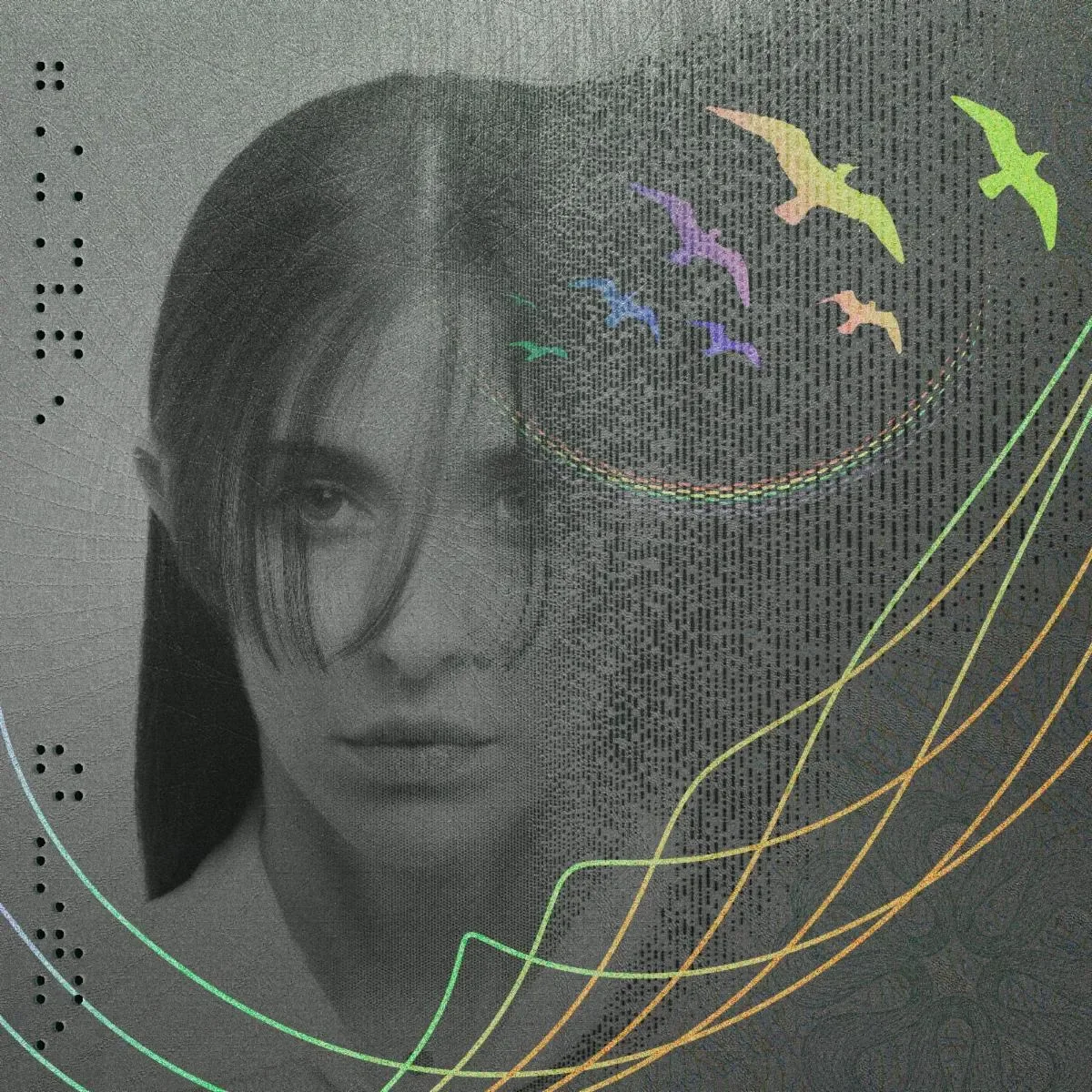
Duport-Percier does something different. Working with composer Lorien Testard, she gives the game a very European, art song energy. Clear diction, almost liturgical delivery, but looped and treated like a spell. Her vocals do not just sit on top of the orchestration. They sit in the stone. In the crypt. In the dust between each turn-based decision.
Where Polachek feels like a mirage, Duport-Percier feels like a curse you willingly walk toward.
Predecessors like Utada Hikaru (Kingdom Hearts) and Emi Evans (Nier: Automata) walked so these games today could run. Hikaru strength is in her clarity. Her melodies are simple, sugar-rush pop, but they smuggle in an emotional payload. Evans gives Nier: Automata a “chaos language” that does not exist, yet somehow feels more emotionally fluent than English or Japanese.
The effect each produces is always striking: surreal, vivid, and hauntingly purposeful. These female voiced OSTs now sit in the same cultural lane as prestige cinema scores and avant classical releases.
But they’re very different in craft.
WHAT GOES INTO CRAFTING A GAME OST
Film or TV scores are written to a locked picture. Once the edit is set, the composer paints between the lines. Gaming is the opposite.
Gaming follows a non-linear path where the player is the director of their character’s story. Rush the main quest, ignore side missions, spend three hours fishing, die ninety times on the same boss. The story stutters. Loops. Breaks.
This unpredictable nature requires scoring to breathe with every decision. Modern game OSTs are built as a system rather than a playlist. Every turn of events brings on a new sound. Layers fade in and out as you move through spaces. Combat cues ramp up as enemies spawn. This is why the lead vocal theme becomes the embodiment of the experience. In all that branching chaos, the lead vocal theme becomes the one fixed point. The soul of the game.
Increasingly, as a game studio wants a world that truly feels alive, emotional, mythic, and a little off-kilter, it enlists female vocalists like Polachek or Duport-Percier who can pull audiences beyond the screen, forging an unbreakable bond with the world itself. These voices become more than musical motifs. They act as the emotional GPS connecting players to lore and compelling fans to revisit OSTs as portals back into beloved worlds.
You might forget exact plot beats, but you remember how that chorus felt when the camera panned out over the ruined city, or closed in on some rare treasure discovered in a deep dungeon. That is why fans replay OSTs on streaming long after they finish the game.
It isn’t just nostalgia. It is re-entry. A way back in without necessarily playing.
HOW WE GOT HERE
This archetype of ethereal, atmospheric vocals is not native to gaming. It finds its origins in avant-pop, dream pop, and experimental electronic music of the late ’80s and ’90s.
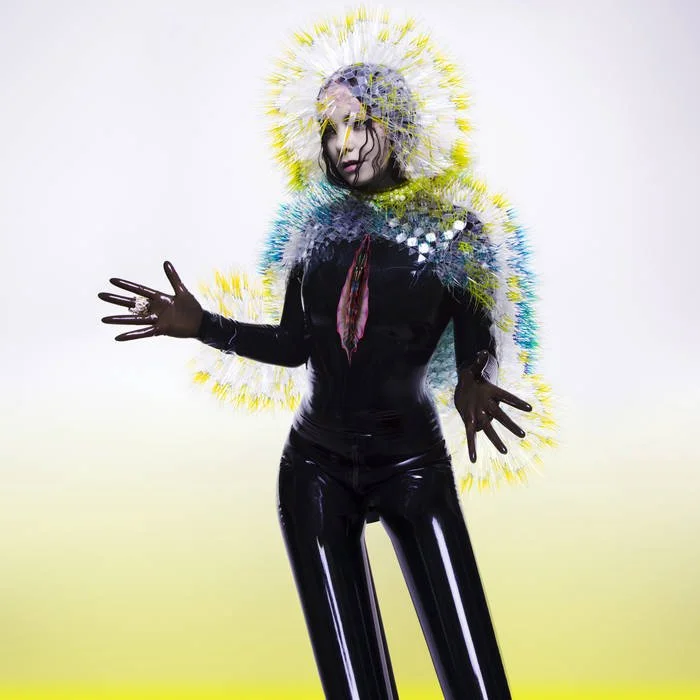
Artists like Cocteau Twins and Björk pioneered airy textures and mysticism, layering emotion and a sense of place, qualities now fundamental to the modern interactive world of gaming. Björk pushed this idea even further in 2016 with ‘Björk Digital’ a series of VR inspired works inspired in part by videogames and their ability to let listeners ‘step inside’ sound. She treated music not as a soundtrack but a world, a concept the realm of gaming expands on. Music as space to inhabit, not just sound to hear. Perhaps unintentionally, Björk became an OST composer herself.
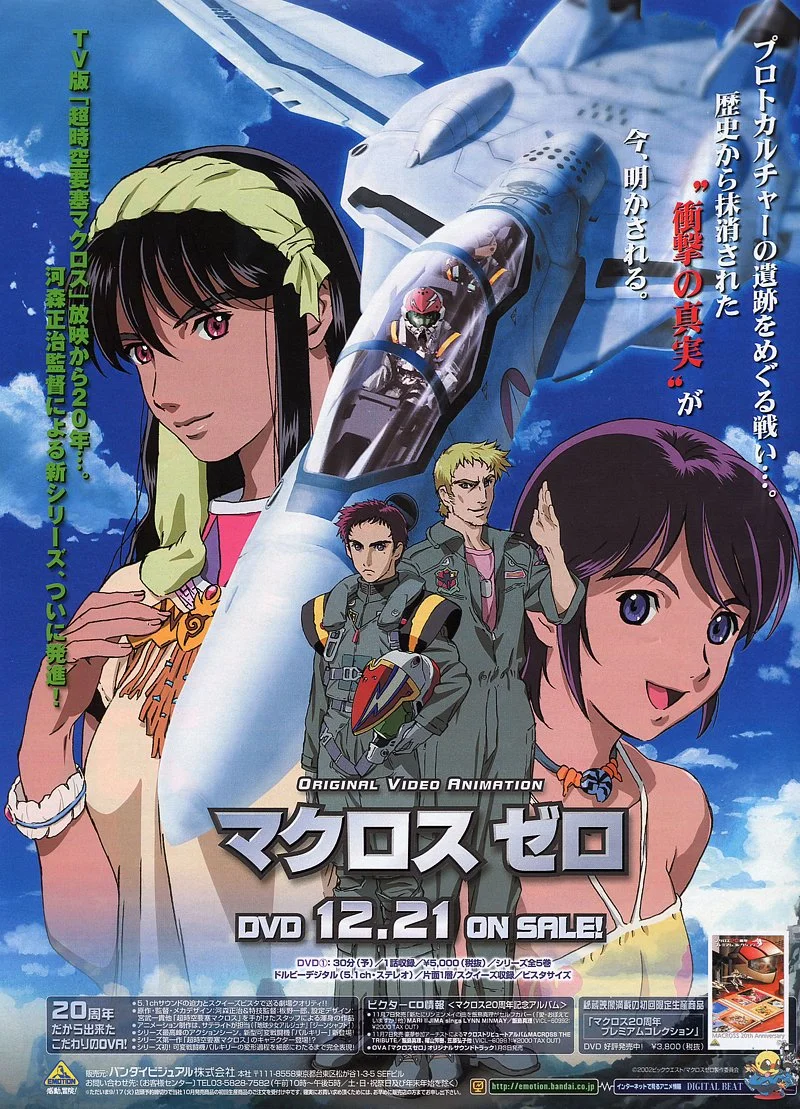
Anime then carried this vocal lineage into new heights, layering ethereal female vocals with digital textures and invented languages, crafting emotional narratives beyond game worlds themselves. Akino Arai’s haunting work in Macross Plus stands as an iconic example. As anime becomes one of the world’s most powerful cultural exports its sonic fingerprints travel with it, and naturally those traces flow straight into the inevitable bridge to gaming which is becoming impossible to ignore. Fandoms overlap, platforms are shared and suddenly a Kingdom Hearts theme tune is sitting next to a J-Pop single and an anime ending track on your Spotify daylist.
Gaming gave this sound a new function through narrative-first developers like Hideo Kojima, Yoko Taro, and the teams behind Kingdom Hearts who realized these vocals could activate worlds emotionally. As the SampleFocus Blog explains, research into psychoacoustics and vocal perception shows that our response to certain voices is rooted more in instinct than interpretation, largely because the human ear is naturally most sensitive in the 2–5 kHz band. Many of the harmonics and breathy overtones in these higher vocals land right in that pocket.
These brighter female-led tones carry a shimmer the brain reads as lifted or uncanny, the same quality that runs through sacred traditions from Gregorian and Byzantine chant to Ethiopian humans and Celtic folk songs.
Pure tone slips past analysis and goes straight to feeling.
DON’T BUILD SOUNDTRACKS, BUILD LIVING ECOSYSTEMS
Today’s players are not satisfied with “epic orchestral” wallpaper. They want worlds that feel authored, specific and personal. Games and music sit at the centre of pop culture, not at the edges, so the standards have shifted.
The fusion of ethereal female vocalists with fully realised digital worlds is becoming less of a niche and more of an expectation. For a whole cohort of players, this is what premium feels like.
This new era of female led OSTs isn't about “soundtrack.” It’s “spellcraft.”
It conjures a world itself.
If you’d like to keep listening, here are some other OSTs with strong female vocals:
Written by @sambuusam