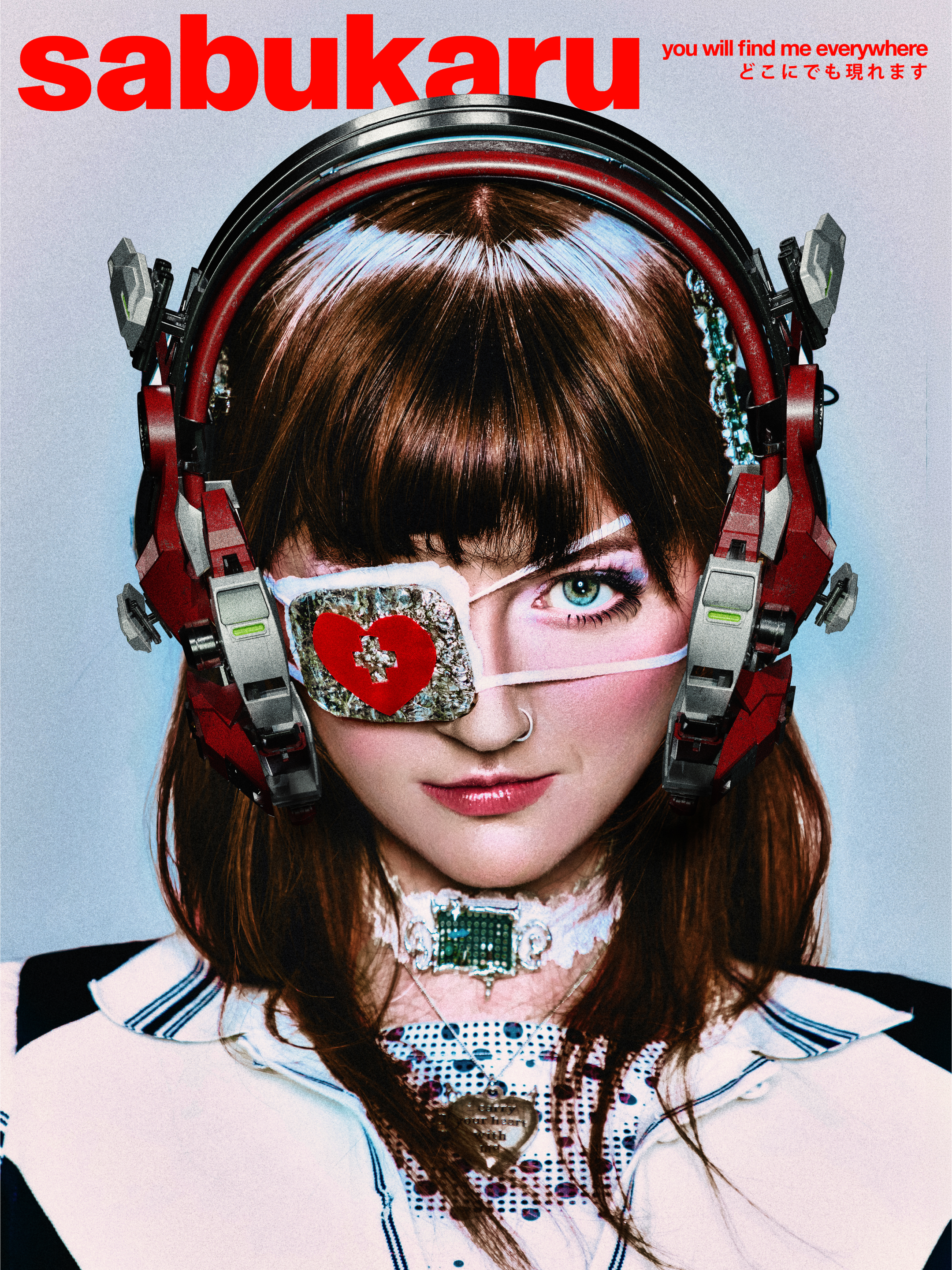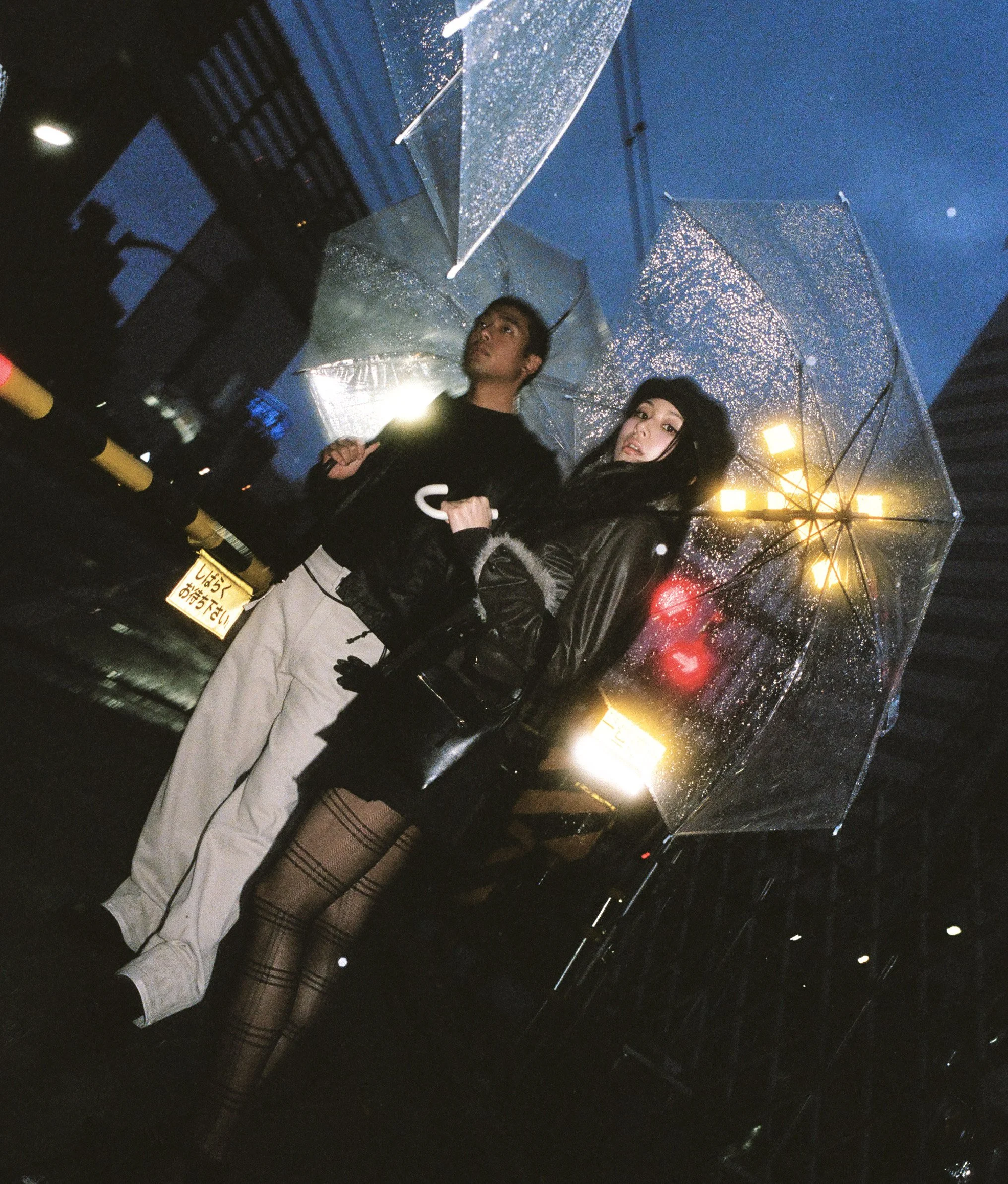
Prayers are going on in the club: sabukaru meets Kavari
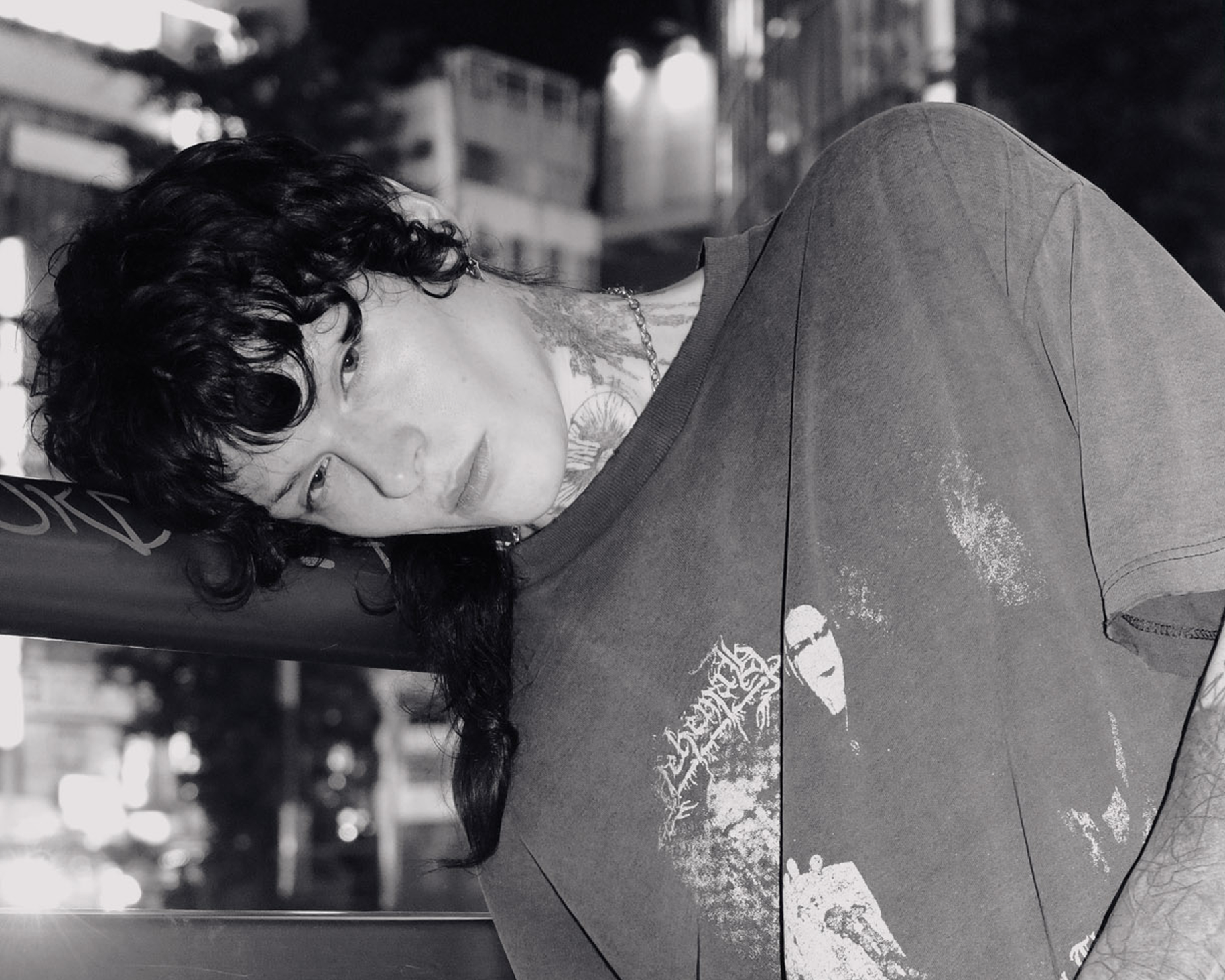
A tight elevator ride up to R Lounge, the room was loud enough that conversation had become nearly impossible. Red strobes flashed, bodies disappeared into the dark, and all there was left to do was move your body. Exhaustion is actually the desired feeling for the audience after experiencing her set. Somewhere in the middle, Kavari brought the noise down to choral music and said:
“We got some prayers going on in the club.”
Then the noise dials back up. A few days later, sitting across from her in a quiet cafe in Shinjuku, I asked whether she believed in God. But before we got there, we talked about everything else that could explain why a club could feel like a place of worship: noise, death, vulnerability, and what happens when too many people are forced into the same room.
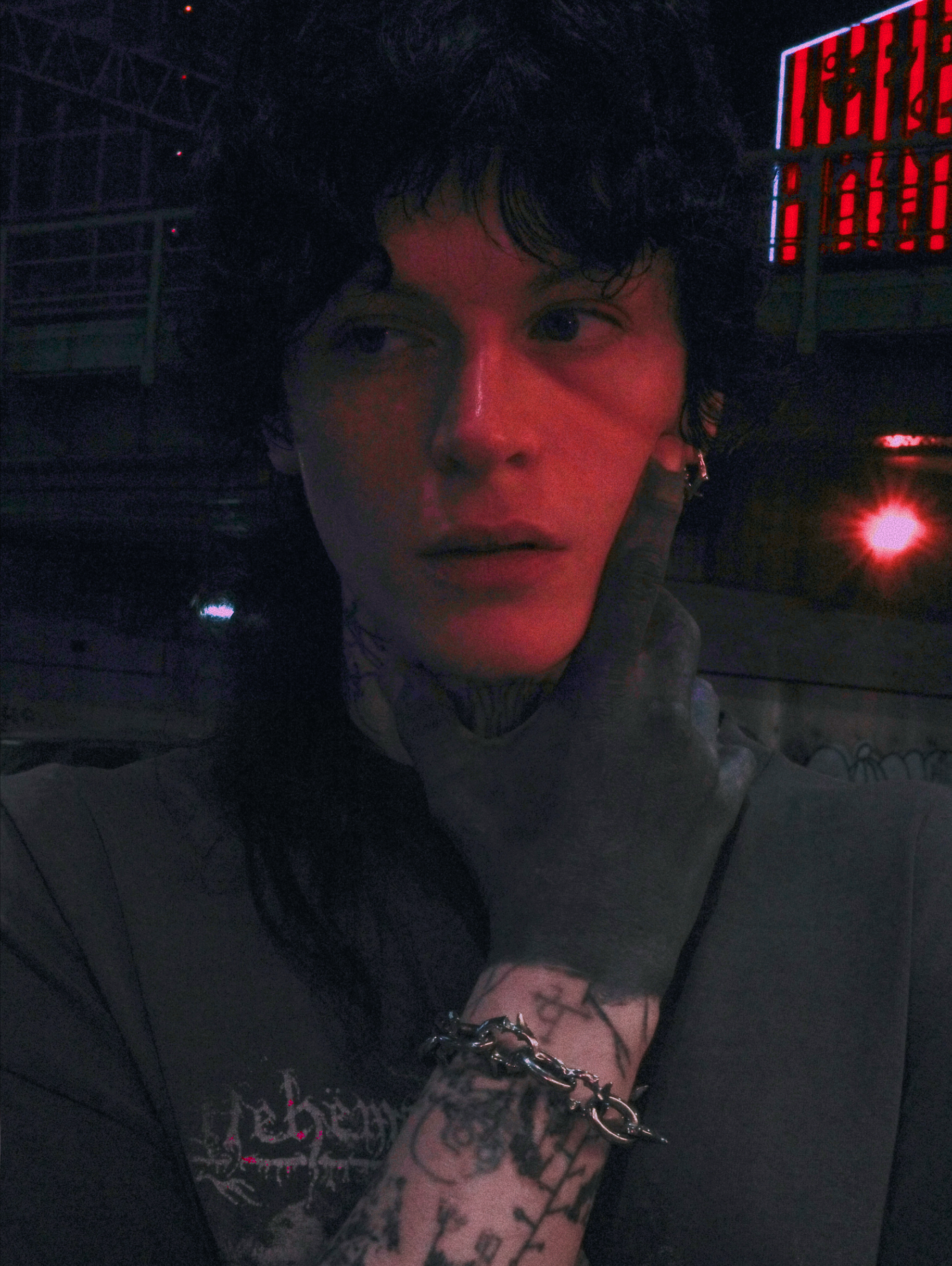
Kavari is a Scottish artist, producer and DJ whose work moves between noise, ambient music and club. Her music can feel abrasive, cinematic, physical. Yet the more she talks, the clearer it becomes that aggression is only one surface of what she is creating with her music. Beneath it is a fixation with thresholds, like how much the body can absorb, how close people can get before friction begins, and how much darkness can be acknowledged without being consumed by it.
Asked what she thinks plagues the world, in consideration of her recent EP PLAGUE MUSIC, Kavari talks about closeness. “Modernization has happened so rapidly to humanity,” she says, “that it’s almost like we’ve all been pushed into, like, a club and been like, ‘Oh, get along.’”
For Kavari, the internet has collapsed distance faster than people have learned how to understand one another. People from different places, cultures, and political realities are suddenly in constant contact, but that doesn’t necessarily create empathy. Instead, it can create defensiveness and a constant urge to make other people live by the same rules.
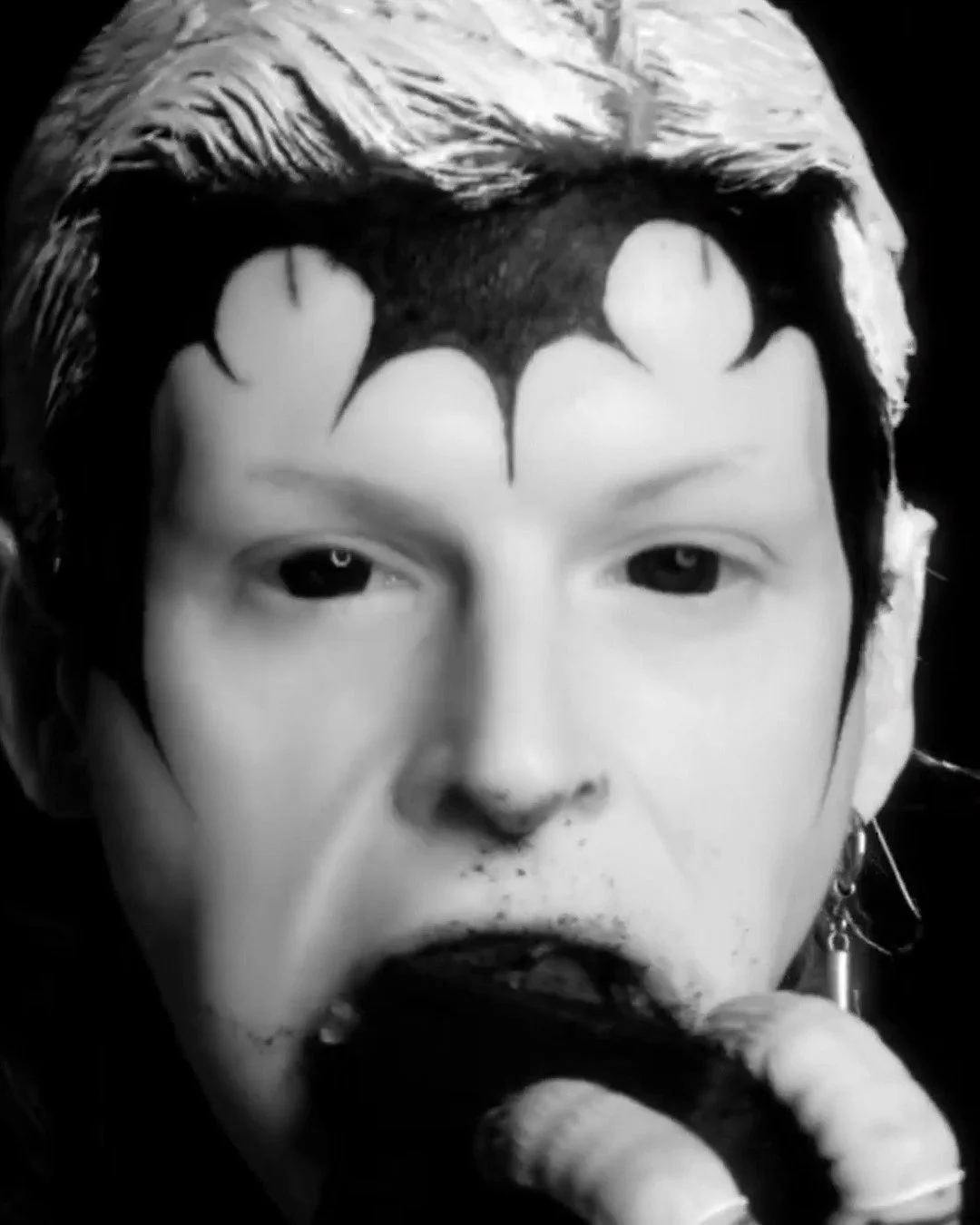
“People get very comfortable in their own little bubbles of the world,” she says. “Then when they’re introduced to new things, or new ideas, or new concepts, or something that might even better their lives, it’s like an immediate shutoff.”
Everyone is close. Nobody necessarily understands one another. Yet the actual club offers Kavari another version of closeness. Kavari has been around nightlife for years. She started going to gigs young and took her first DJ job while still underage, working in a club under the table. Over time, she began noticing that dance floors could do something the outside world often failed to.
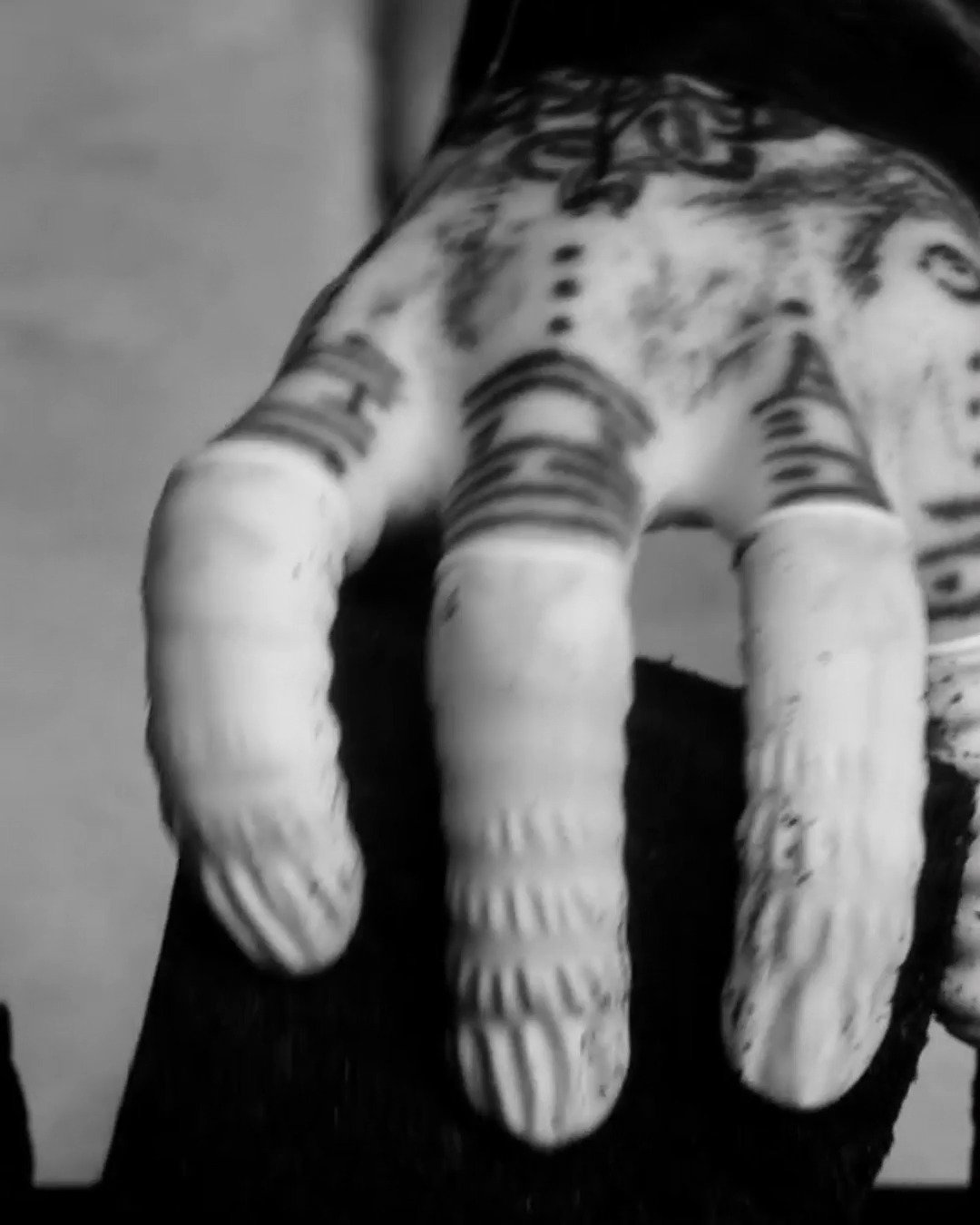
“I’ve seen people become friends that I would never expect,” she says. People who might have nothing in common outside the room connect through music, taste, movement. Alcohol or drugs may sometimes act almost like social lubricants, but it’s also much simpler. “The mutual agreement is that everyone is there to have a good night and party,” she explains.
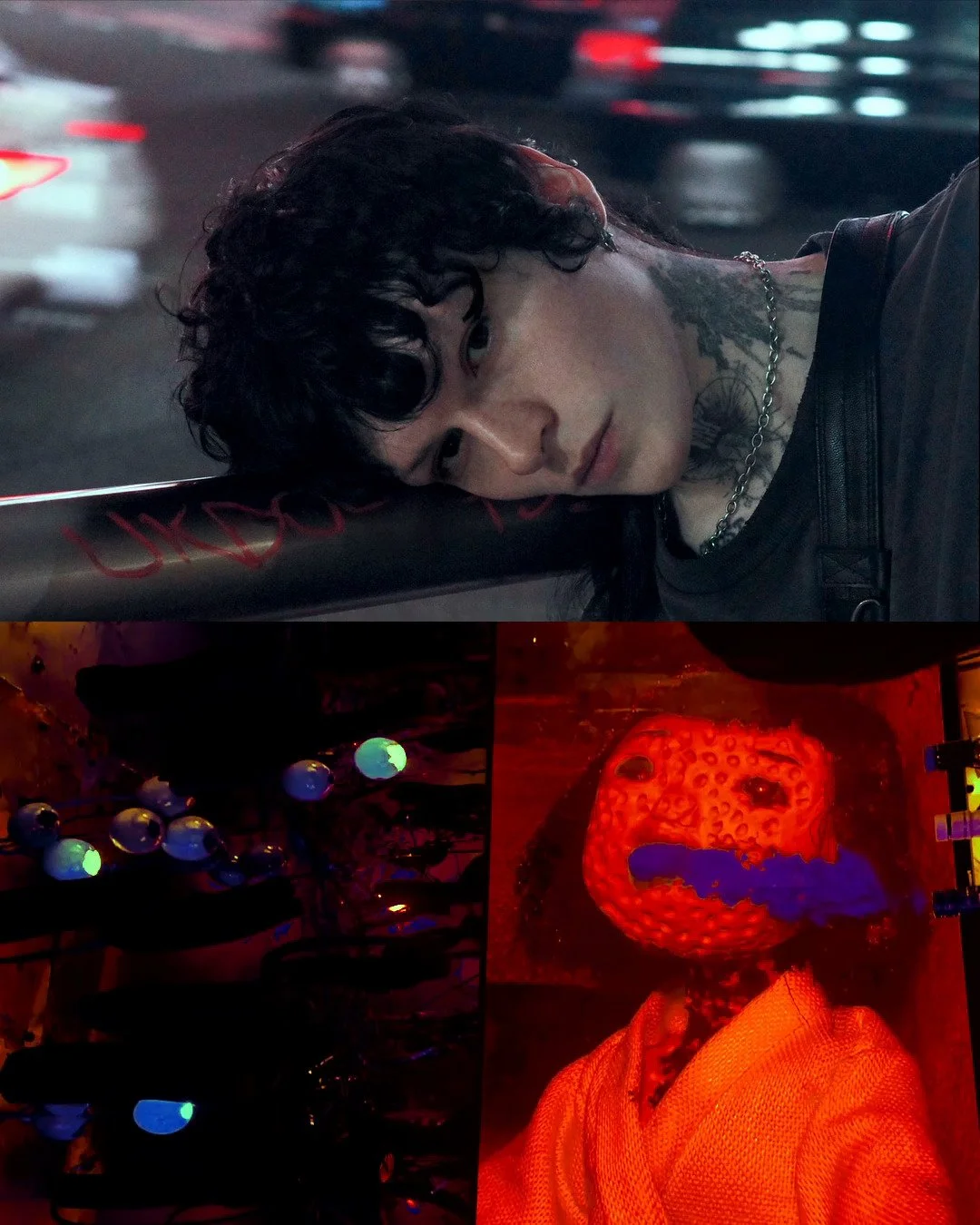
For a few hours, some of the walls come down. If the outside world has pushed everyone together too quickly, then the dance floor becomes one of the rare spaces where such proximity can still feel voluntary. Maybe that’s where the prayer begins.
For Kavari, what compels her about noise is “sensory overload”. When she first discovered noise music, she didn’t necessarily listen to it as something that demanded her focus. She would put on Throbbing Gristle and Prurient almost as background music.
“In my mind, it raises my threshold.” If everything around her is quiet, she explains, one unexpected sound can feel much more intense. Noise does the opposite. It floods the senses until the world has less room to surprise her.
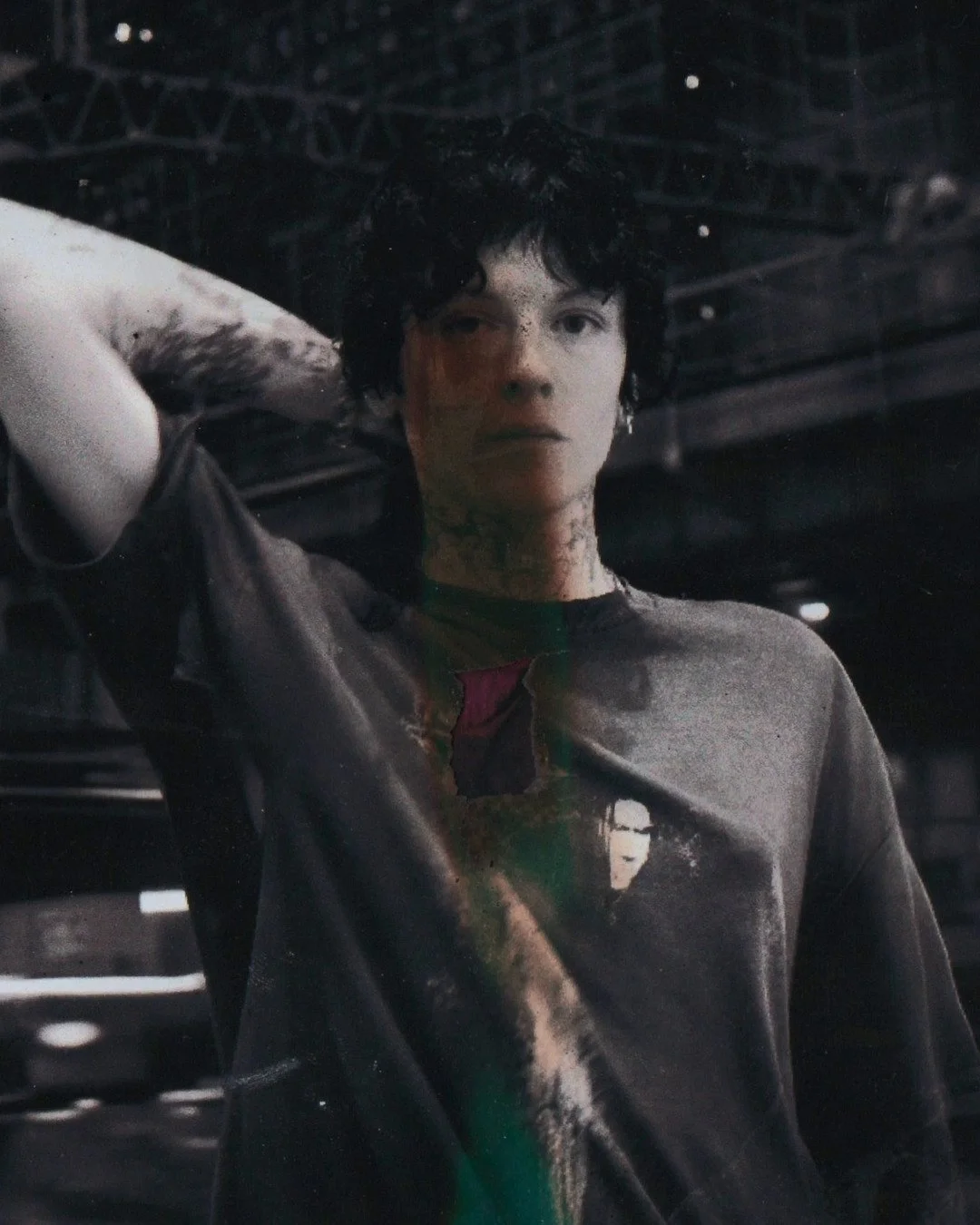
“If everything is dead quiet and ambient and soft, then the slightest noise can jolt me and make me feel really on edge. Whereas if I’m listening to noise music, it raises that threshold, so I feel like I could almost take a bullet and just go, ‘Ow,’ and keep walking.”
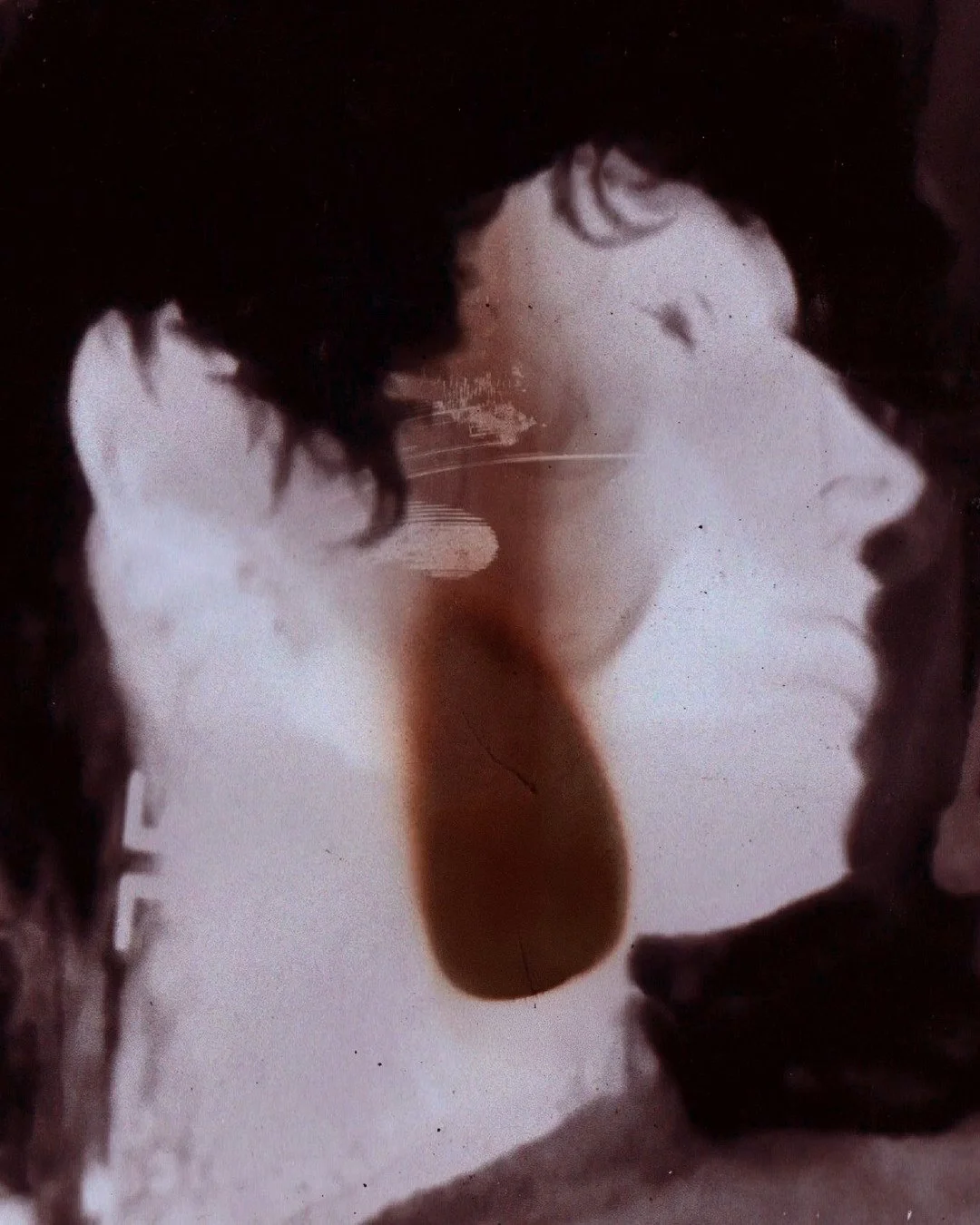
She imagines ambience and noise at opposite ends of the same spectrum. One is meant to soothe the senses, the other to overload them. She is drawn equally to both.
That attraction to extremes is everywhere in the way she speaks about music. Music is just music to Kavari. Whether it’s rock, metal, noise or ambient, she pays more attention to differences within the sound itself: whether the drums are slow, whether there are drums at all. Genre labels seem almost beside the point.
She collects references through a similar instinctive way. Rather than seeking out particular artists or ideas, Kavari follows whatever provokes a reaction. “Anything that provokes something in me. I just look at something, and if it provokes an emotion, I run with it and then try to find out who made it,” Kavari says.
That instinct has led her toward medical museums, graveyards and spaces where history remains embedded in the physical environment. “They normally have such rich histories, or something about them that’s incredibly engaging. That’s what I look for when I travel. Paintings. Artworks. Places. Things that might go under the radar, or seem too obscure, but are ultimately really important, even if society tends to ignore them.”
Kavari’s attraction to morbidity is more so about refusing to look away. That becomes clearer when the conversation shifts toward the idea of shadow work, or the belief that darker parts of the self cannot simply be cut out if someone wants to become whole.
When asked whether our shadows should be walked alongside or embraced, she answers, “Hug. I think they need to be hugged.” For Kavari, the shadow becomes more dangerous when it is denied. “Sometimes the shadow becomes worse because it hasn’t been acknowledged.”
She finds that same tension in artists she loves. She brings up Zdzisław Beksiński, whose paintings are full of skeleton-like figures, decaying landscapes and nightmarish bodies, and Francis Bacon, whose portraits distort the human form into something psychologically raw.
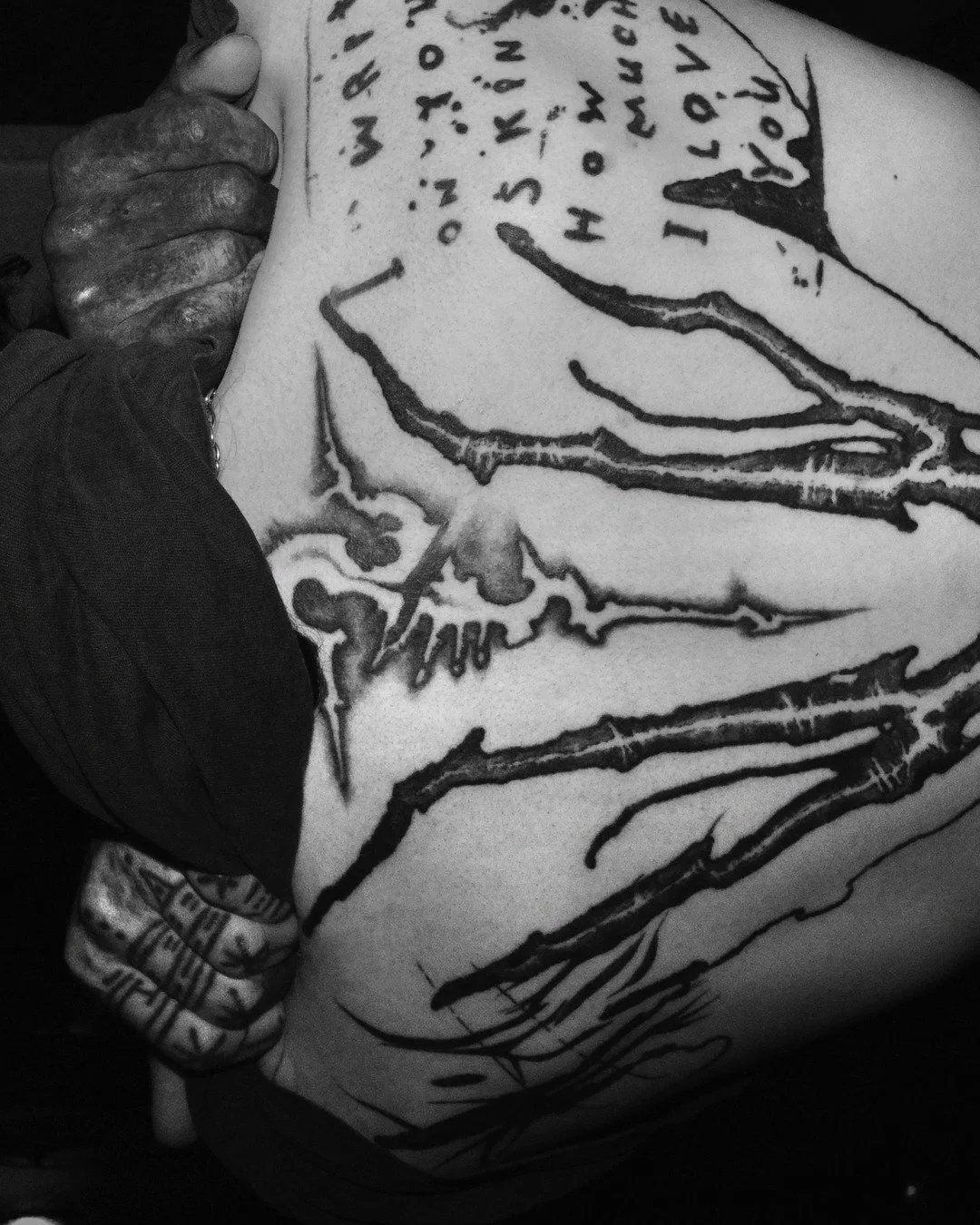
“His work, when you first look at it, is incredibly disturbing,” she says about Beksiński. But what interests her is not simply that the work is dark. It’s that he didn’t necessarily frame or even title them that way.
It’s the same with Bacon, whose work has also been described as disturbing. “He said he was painting the soul of what he was seeing.” You can’t become whole by avoiding darkness. For Kavari, the strange or grotesque can tell you something. That sometimes the things that disturb us most are worth looking at longer.
That idea is also why her childhood love of Salad Fingers makes sense. She discovered David Firth’s surreal web series when she was around 9 or 10, and at first found it terrifying enough that she preferred watching it with friends. As she got older, her fear turned into affection for the main character. Salad Fingers wanders through a post-apocalyptic world that he does not fully understand. He is socially awkward, isolated, surrounded by something vaguely horrific, but he still maintains innocence. The world he finds himself in may be hostile, confusing, even apocalyptic, but he keeps trying to make dinner, take a walk, get through the day.
“PULSE” from PLAGUE MUSIC sounds like a heart monitor, opening up a larger question of what happens when that pulse stops. Does Kavari believe in an afterlife?
“I don’t know yet,” she admits.
She holds two opposing possibilities in her head at once. In one, all consciousness originates from a divine source, and human beings are fragments of that source experiencing reality from different perspectives. “One is that everything comes from one divine source, and we’re all fragments of that source. Consciousness fractured itself in order to experience itself.” She compares it to humans creating video games to enter different worlds. Maybe consciousness has done something similar on a cosmic scale.
But she can just as easily believe the opposite.“We’re just a tiny blip in an infinite universe, and after all of this…nothing happens. Either everything is meaningless and happened by chance…or this is part of some much larger system.”
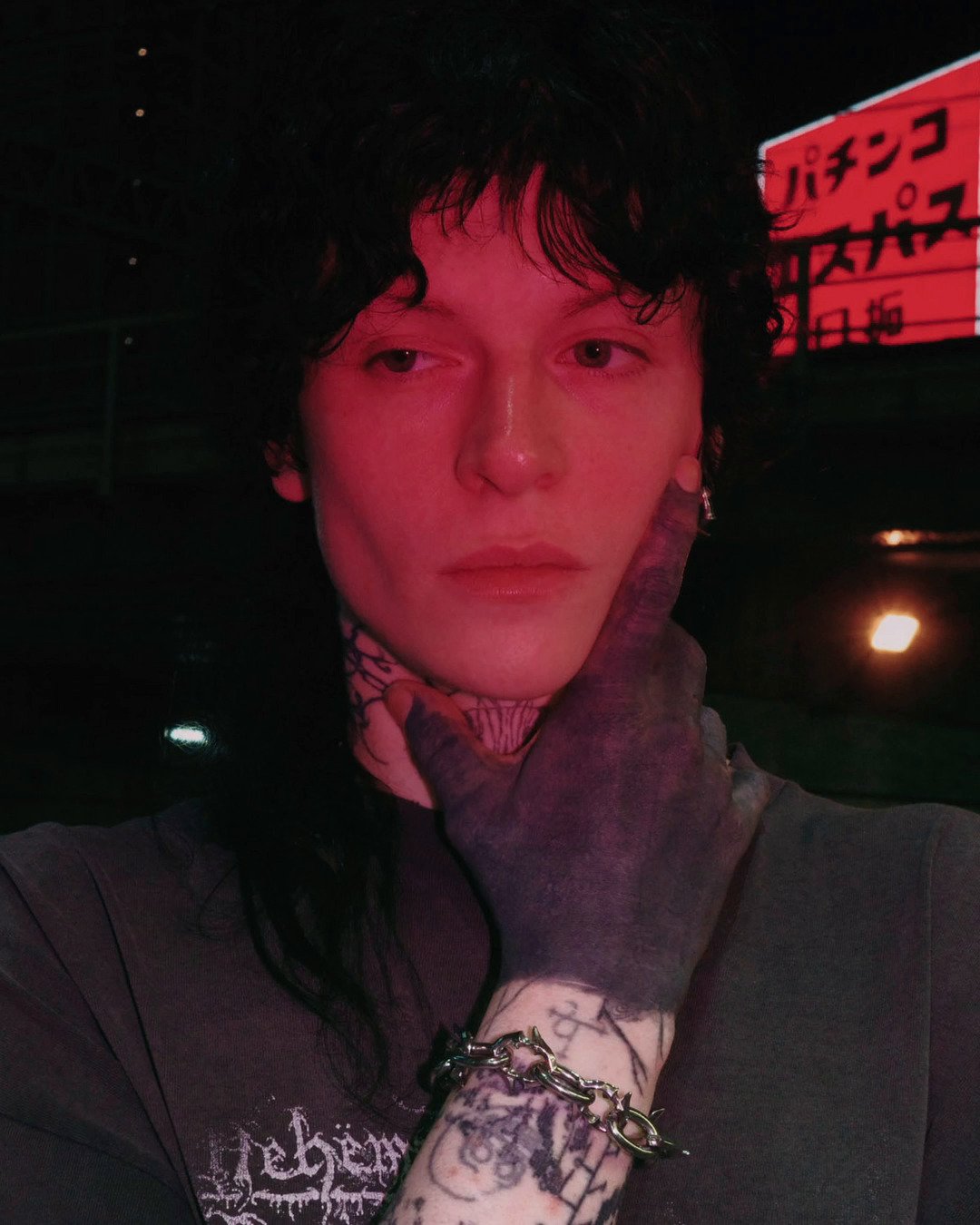
“There’s this idea I’ve been thinking about for a long time,” she says. “The whole concept of the microcosm reflecting the macrocosm. Like, all life mirrors something greater than itself. I think reality is infinitely complex. But maybe it’s infinitely complex on purpose.”
Then she offers another theory. “If there is a God, or some kind of divine consciousness, maybe it hid itself behind the observer. It can’t fully discover itself because it’s the thing doing the observing.”
That is when the conversation returned to the sentence from her set at R Lounge: “We got some prayers going on in the club.” When asked directly whether she believes in God, she answers, “Yes. But not in a traditionally Christian sense. I definitely believe there’s some kind of architect behind reality. I just don’t know…what they’re doing with all of this. But I’m along for the ride.”
Kavari describes herself as avoidant. She wants to be emotionally open, but part of her remains on guard. “Vulnerability is important,” she says, “but I also have two voices in my head arguing with each other.”
One side believes people are fundamentally selfish, that given the opportunity, they will take advantage of kindness or try to move one step ahead. The other side wonders whether that selfishness is actually learned. “That people become that way because of survival and the environments we grow up in.”
She wants vulnerability and fears it at the same time. “Part of me really wants to be emotionally vulnerable. Especially through my work. Creating music feels safe. I make it…and then once it’s out in the world, it no longer belongs to me. People can experience it separately from me.”
In a way, Kavari is communicating with her audience at a distance. “My music has always been a brutally honest representation of whatever’s happening in my life at the time,” she says.
When Kavari was constantly in clubs, she made dance music. When she became absorbed in ambient music or film, those influences entered her work instead. At one point last year, while she was sick, she made Rumination At The Abattoir. Listening back, she says she can hear her physical state inside the record. “The snare drums sound like trees breaking. The panning feels strange. The bass moves in unusual ways. Everything is just…slightly wrong.”
She doesn’t want to hide those irregularities in life though. “I want my music to be almost like a chronological record of my mind.” As she gets older, she wants listeners to be able to hear the timeline. “As I grow older, people will be able to listen back and hear where I was mentally throughout different parts of my life.” The sounds themselves can become evidence.
Kavari prefers sampling real, organic sound to synthesizing every element from scratch. A tree breaking can become a snare. A sound pulled from one environment can be transformed into something completely different. She likes the moment when a listener notices. “If someone suddenly realises that the snare drum they’re hearing is actually a tree breaking…they stop for a second. They start asking questions.”
That interest in transformation is also shaping what she wants to make next. After earning recognition within experimental and underground electronic music, Kavari wants to move toward something more accessible. “Almost like avant-pop.”
The goal is not to abandon what makes her work strange, but to hide the strangeness some place people might not expect it. “Almost like sneaking strange ideas into people’s subconscious.” She points to 20 Jazz Funk Greats by Throbbing Gristle. The title sounds kind of cheerful. The cover looks pretty harmless as the group is standing dressed in cute little suits in a grassy field. But the photograph was taken at one of the most notorious suicide cliffs in the UK.
“I love things like that. At first glance they feel safe. Then you slowly realise there’s something much darker underneath.”
It’s easy to see why that appeals to her. Kavari’s work is full of similar paradoxes. Noise as comfort. Darkness as something worth embracing. Faith existing alongside the possibility of nothingness. Vulnerability still made possible through distance. Something unsettling hidden beneath something beautiful.
And after spending an evening talking about death, sensory overload, God, fear, art, and the infinite complexity of reality, a final question of what she wants outside of music is asked. “Get my own place… somewhere in the woods…with my cat…my girlfriend…and just spend my days making music.” That’s the dream.
Interview and words by Izzy
Photography and video by Kristina