From Seoul to the World: Inside the Cultural Machine of K-Pop
Few music scenes have spread as quickly as K-pop, and what began on a small peninsula in South Korea is now a multi-billion-dollar cultural industry whose reach extends across nearly every corner of global pop culture. Over the past decade, K-pop has established itself as a major force on streaming platforms and YouTube, where audiences follow releases with an intensity once reserved for local scenes with many internal systems to unpack, from trainee culture to generation terminology and the photo card economy to ships that never sailed. Each forms its own micro-world within fandom culture, shaping how audiences engage with pop and turning K-pop into something that operates far beyond music.
From Idol Factory to Cultural Engine
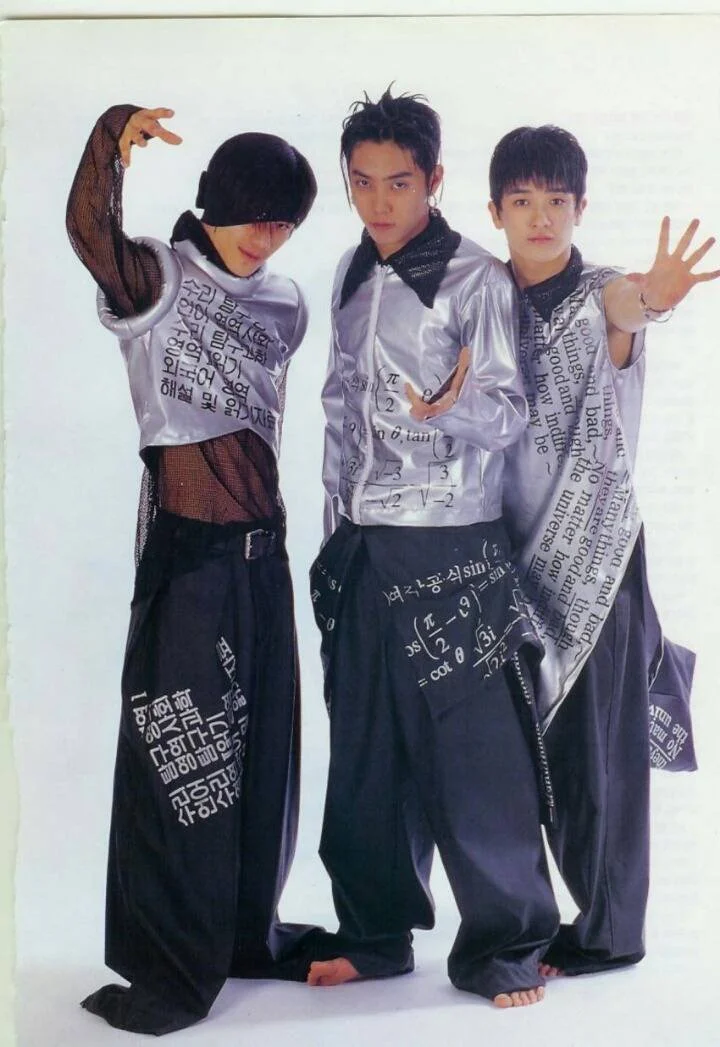
Before K-pop became a global phenomenon, it emerged as a radical experiment within South Korea’s domestic music industry. In the early 1990s, the Korean pop landscape was dominated by ballads and trot, with little connection to the youth-driven sounds shaping global pop culture. That changed dramatically in 1992 with the debut of Seo Taiji and Boys, whose track "I Know” fused American hip-hop and new jack swing with Korean lyrics, introducing a new sonic and visual vocabulary to Korean audiences. Their streetwear styling signaled the arrival of a new youth culture that challenged existing norms in both music and fashion.
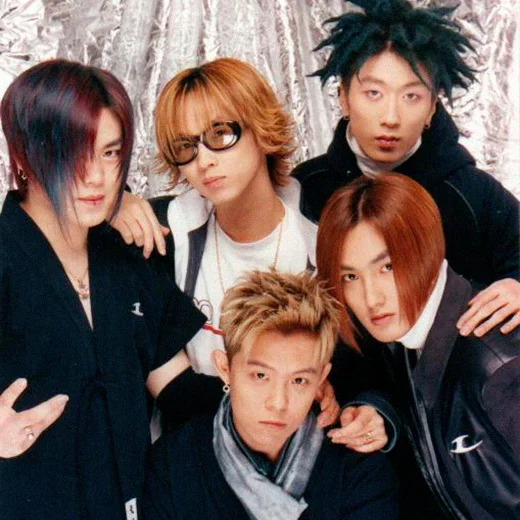
The group’s success reshaped the industry and laid the foundation for what would soon become the modern idol system. By the mid-1990s, entertainment agencies such as SM Entertainment, YG Entertainment, and JYP Entertainment began formalizing trainee programs designed to develop performers across singing, dancing, styling, and media training. In 1996, SM debuted H.O.T., widely considered the first fully realized K-pop idol group. Their synchronized choreography, coordinated styling, and organized fan culture introduced a production model that would define the industry for decades.
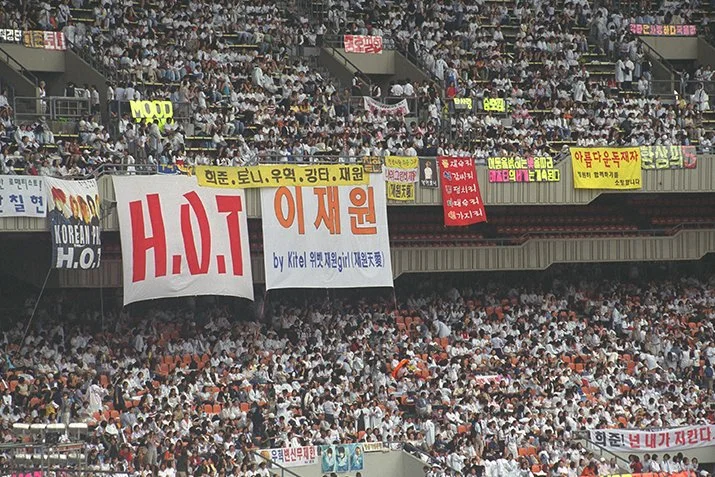
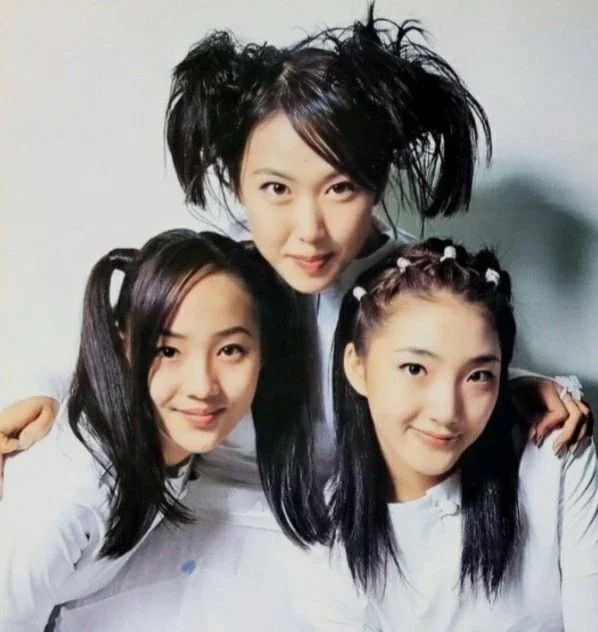
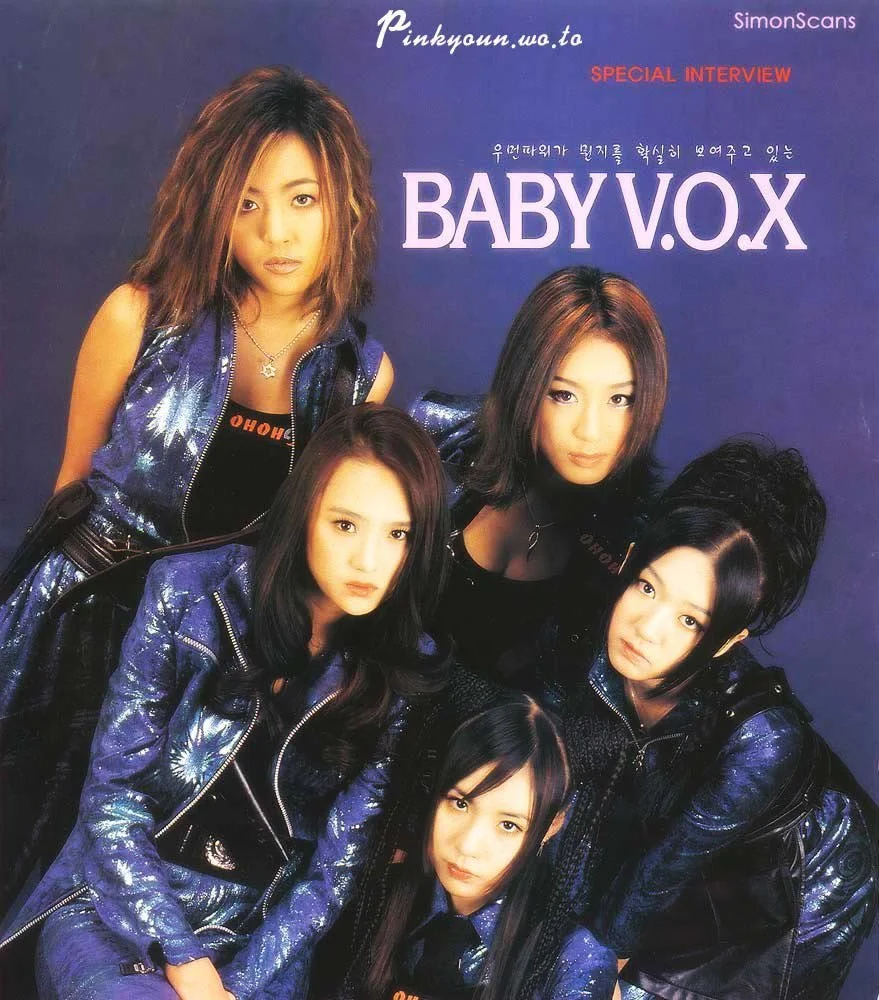
Soon rival groups like Sechs Kies and g.o.d. emerged, many incorporating hip-hop aesthetics and performance-driven concepts that resonated with younger audiences. At the same time, girl groups such as S.E.S. and Fin.K.L introduced softer visual identities while acts like Baby V.O.X experimented with bolder imagery and more provocative concepts.
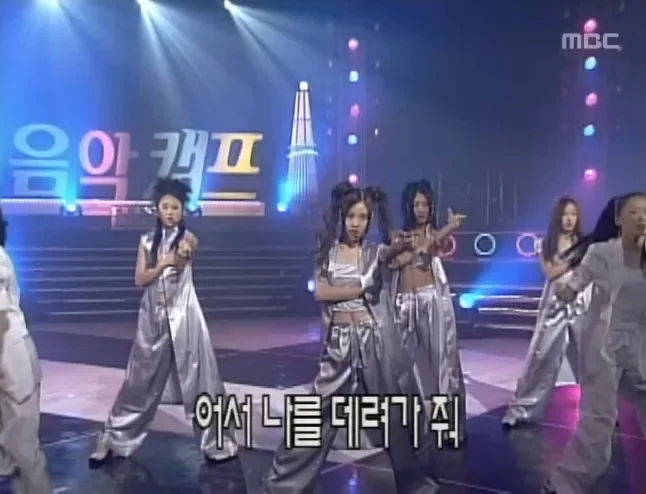
Between the early 1990s and early 2000s, this first generation of K-pop idols established more than a successful music industry. Through the fusion of global musical influences, stylized image-making, and highly organized fandoms, they created the foundations of a cultural system capable of producing not only pop stars but entire aesthetic worlds. What began as a domestic idol industry would gradually evolve into one of the most powerful cultural production engines in global entertainment.
The Export Moment
K-pop’s expansion beyond Korea did not happen simply because certain songs became popular overseas, but because the industry had already begun developing an infrastructure designed to circulate culture efficiently. As digital platforms reshaped how music traveled, Korean entertainment companies adapted quickly, using online distribution to move performances, music videos, and promotional content across borders without relying solely on traditional broadcast networks. For the first time, audiences could encounter K-pop through an ecosystem built specifically for global circulation.
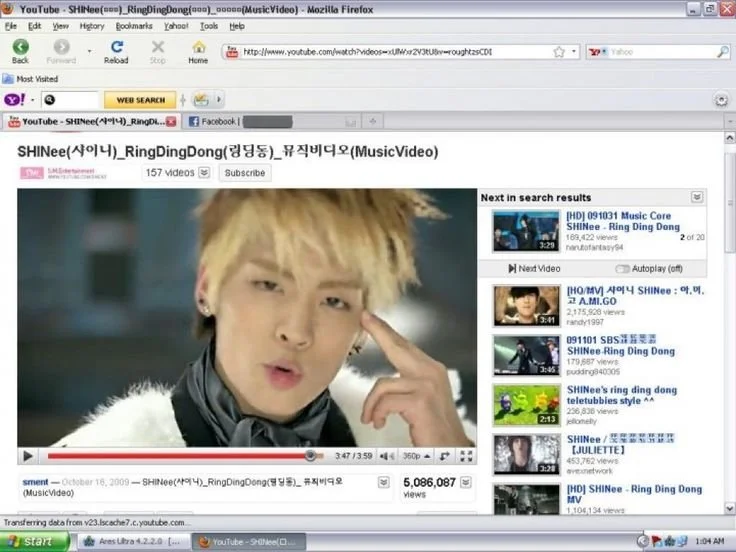
What made this model distinctive was that it exported something beyond music as K-pop releases were constructed as coordinated cultural events in which styling, performance, and visual concepts were integrated into a single rollout cycle.
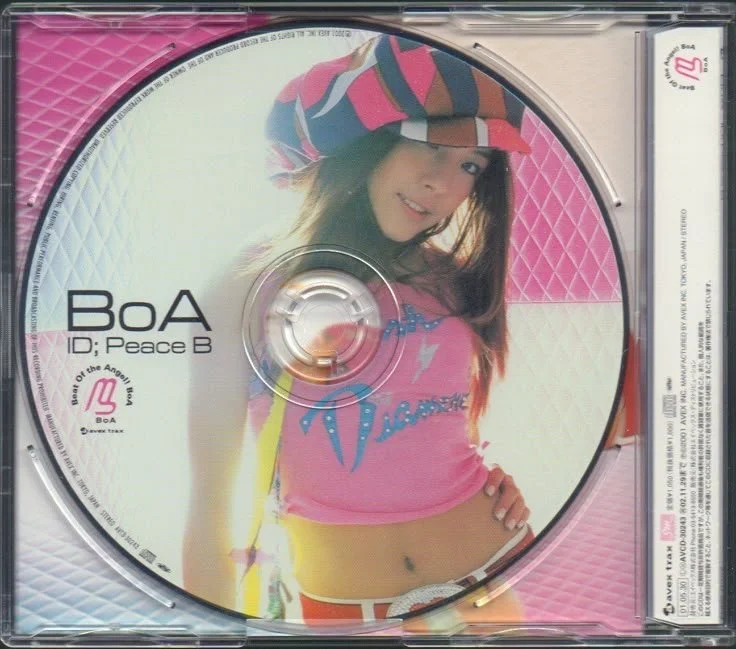
At the same time, the industry cultivated an unusually organized fan infrastructure. Dedicated communities coordinated streaming, translation, and promotion, allowing K-pop to circulate internationally through highly active audiences who helped distribute the culture themselves. This participatory model transformed fandom from passive consumption into a key mechanism of global expansion.
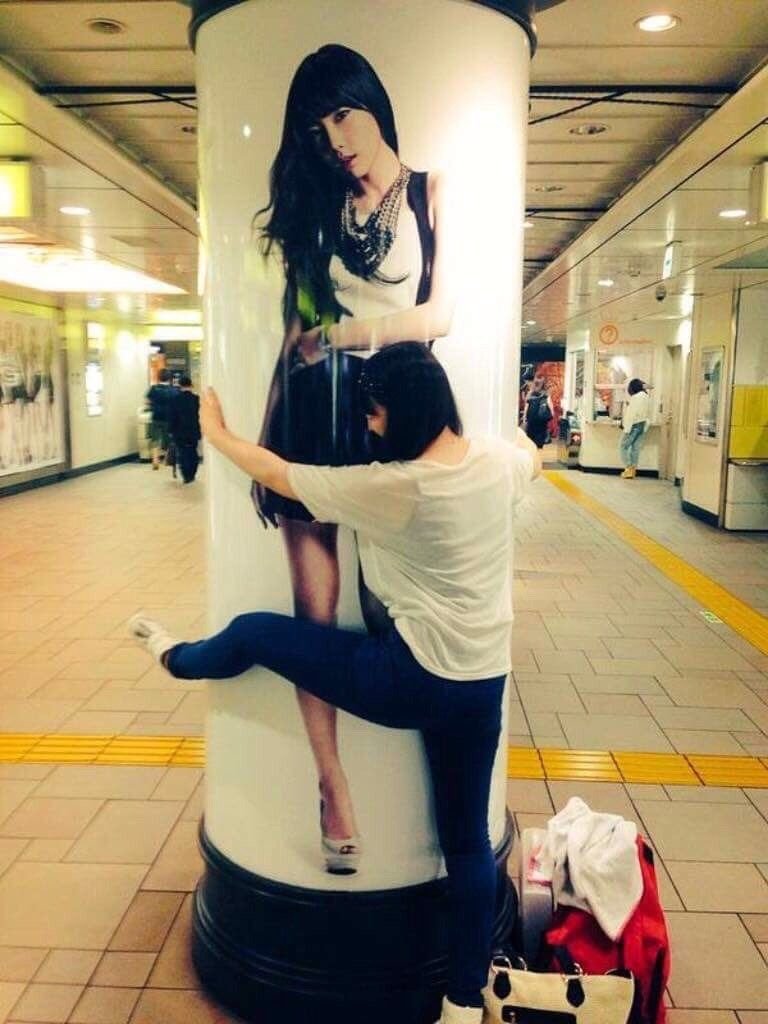
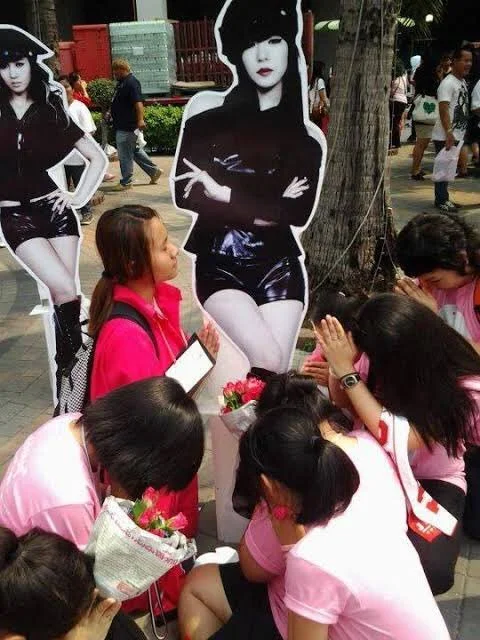
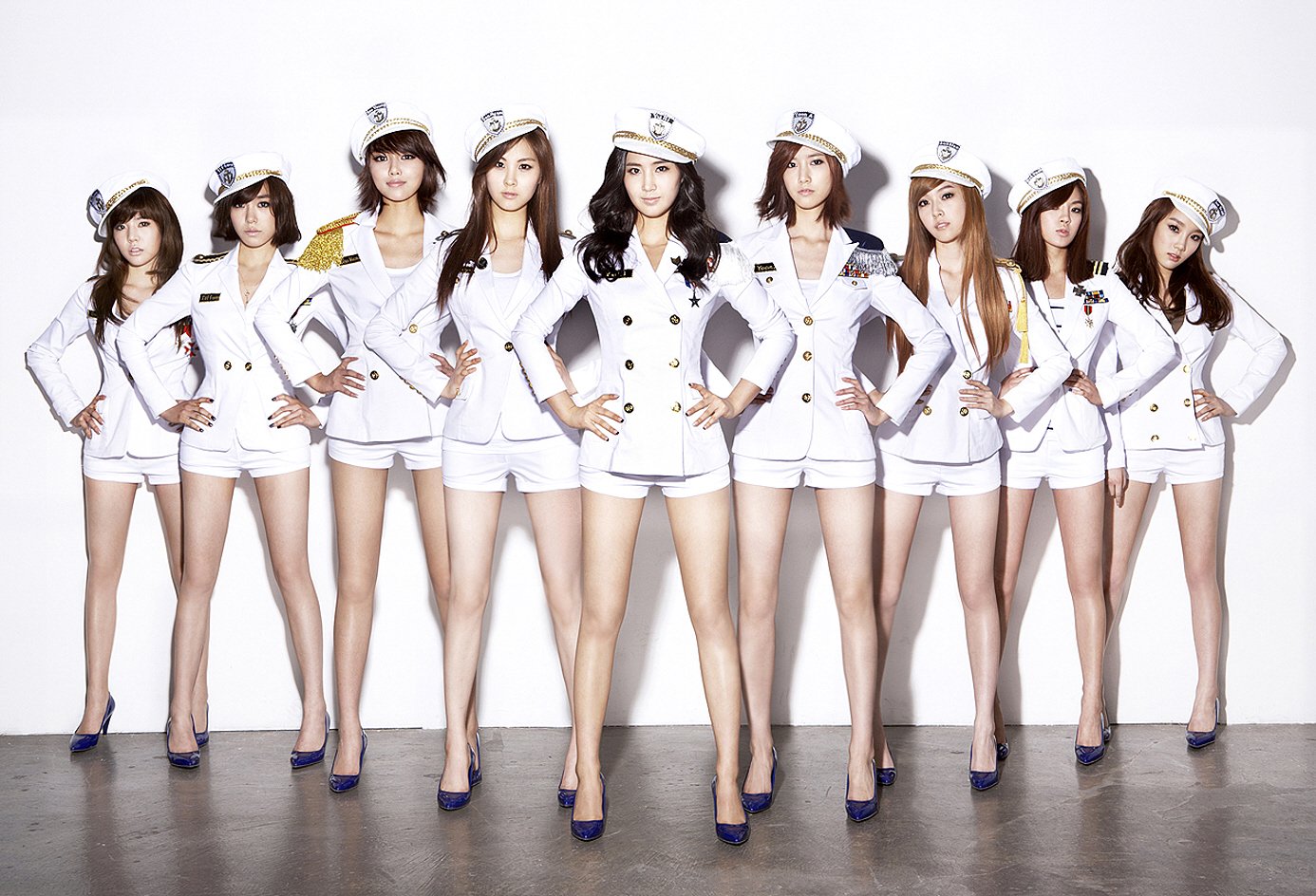
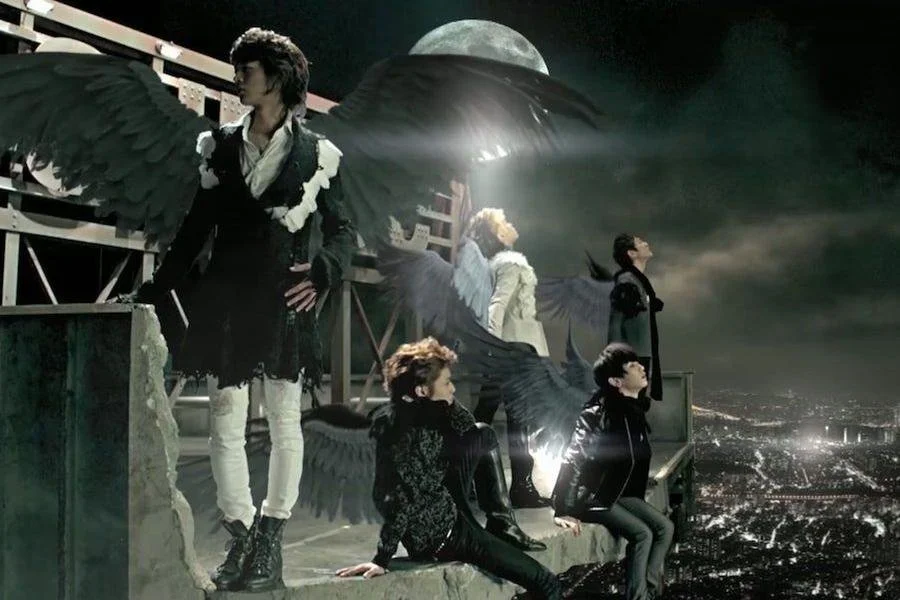
By the early 2010s, the result was a scalable export model with groups like SHINee, SNSD, 2ne1, and BIGBANG announcing the arrival of the 2nd generation. K-pop had developed a framework capable of packaging music, performance, aesthetics, and fandom into a single cultural product that could move fluidly across international audiences. This infrastructure would later evolve into a far more sophisticated system, one that increasingly studies emerging cultural signals across global youth culture and redistributes them through pop productions.
The K-Pop Amplification System
Contemporary K-pop operates through a highly organized production framework that continuously absorbs influences from global youth culture, with entertainment agencies closely observing developments across underground music scenes, fashion subcultures, internet communities, and rapidly shifting aesthetic trends before incorporating them into new releases. One visible example is the growing presence of fast-paced club sounds drawn from Western underground scenes, where the sampling of niche electronic styles has increasingly shaped recent productions, with artists like PinkPantheress influencing parts of the post 2022 K-pop sound landscape.
At the same time, the genre has long engaged with ideas associated with outsider or rebellious identity, with early underdog concepts in groups such as BTS drawing from socially conscious narratives and anti-establishment attitudes that echo themes often present in underground or independent music cultures.
Each comeback is developed through carefully coordinated creative direction, where album conceptualization, narrative themes, visual storytelling, and overall aesthetic direction are planned together so that every release functions as a complete cultural package rather than a single song rollout. Elements that originate within niche internet communities, experimental music scenes, or alternative fashion spaces are refined through this conceptual framework and then introduced to global audiences through K-pop’s highly structured production system.
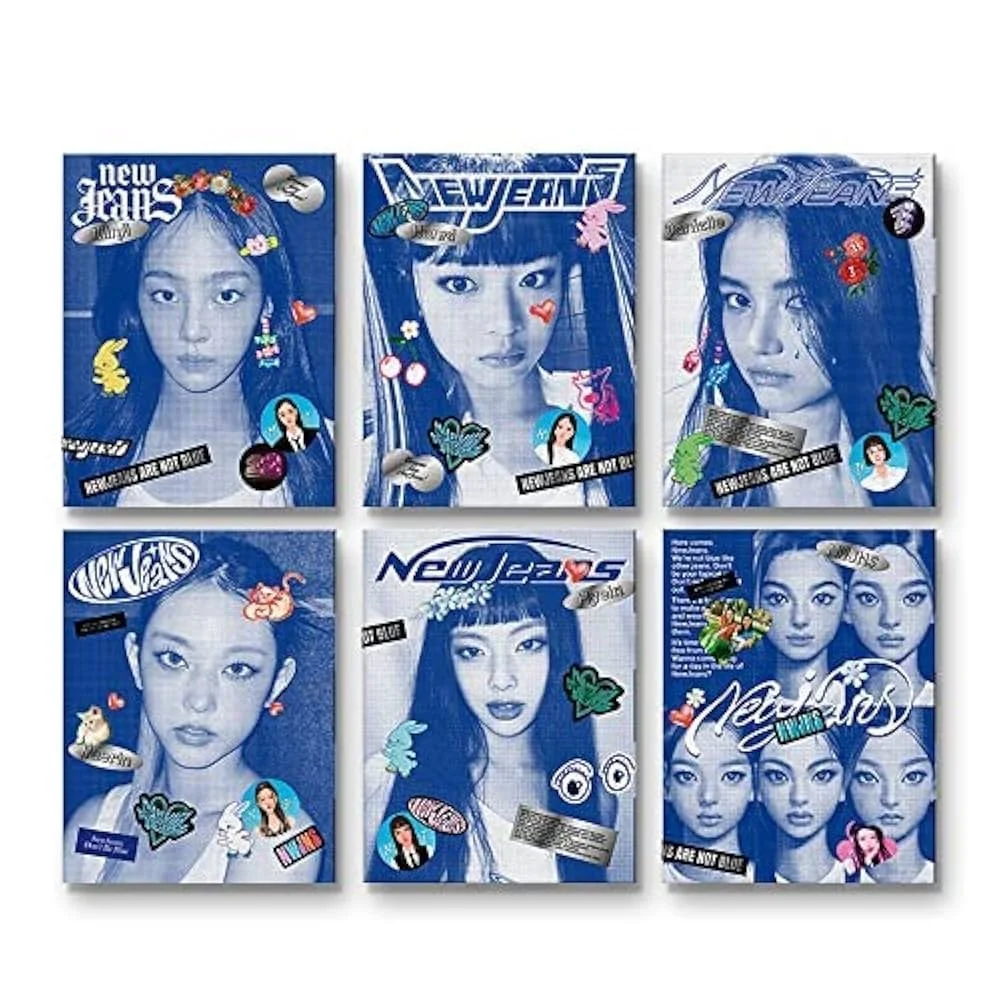

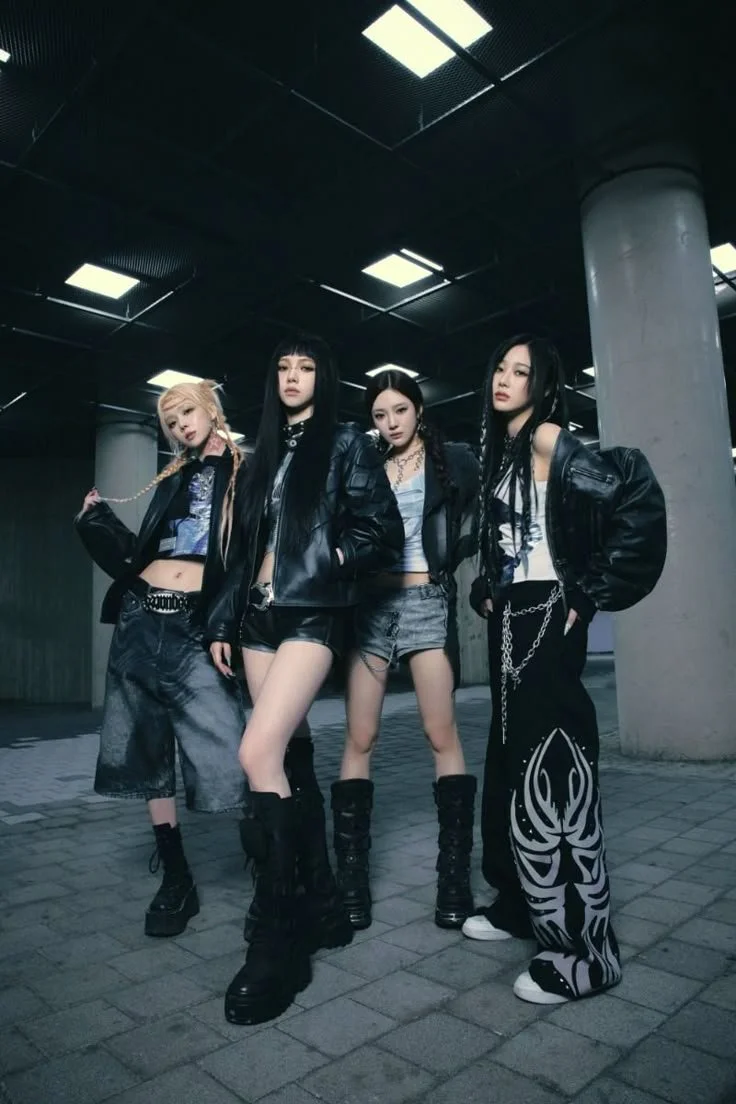
Groups such as aespa, NewJeans, LE SSERAFIM, Katseye, and CORTIS illustrate how this approach operates in practice. Their releases frequently incorporate references circulating within internet culture and global youth style, reorganizing these influences into cohesive concepts that travel rapidly across international fan communities.
Through this process, K-pop has become a powerful engine for cultural circulation. Ideas that once moved gradually between underground scenes and mainstream visibility now travel much faster as the industry absorbs emerging influences and redistributes them through large-scale pop productions.
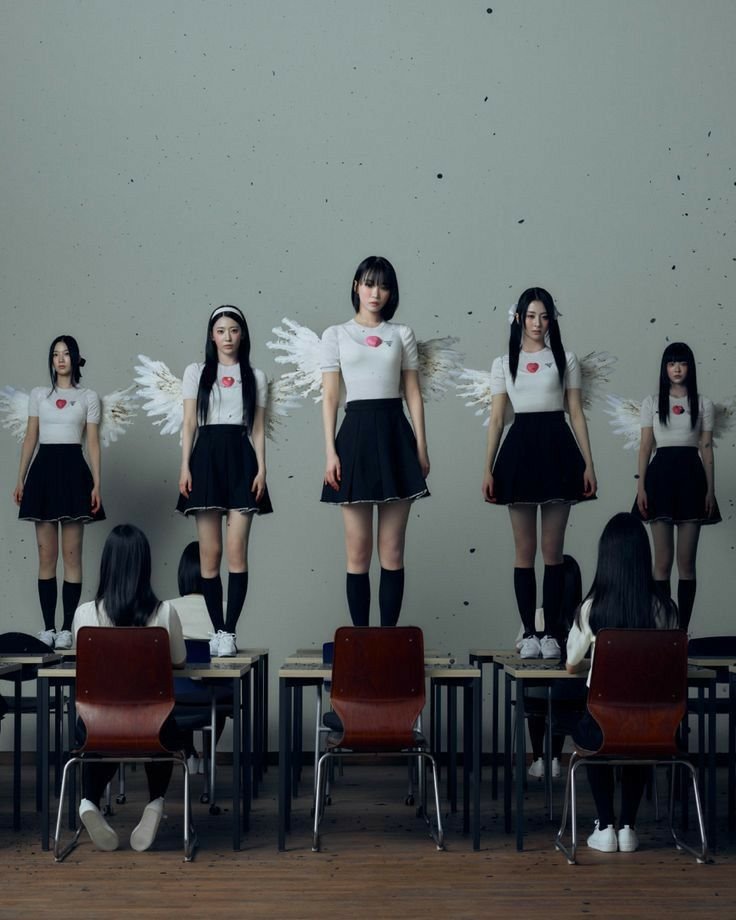
the branding of identity
As K-pop expanded globally, idols began operating as carefully constructed cultural figures whose influence extends far beyond music. Contemporary artists are presented as evolving identities shaped through fashion partnerships, concept-driven releases, and highly curated public imagery.
Fashion plays a central role in this structure. Luxury houses and global fashion brands frequently collaborate with K-pop idols as ambassadors, such as Jennie being the face of fashion houses like Chanel and Calvin Klein, as well as Gentle Monster. Through these collaborations, idols act as cultural intermediaries who introduce emerging fashion ideas to large international audiences
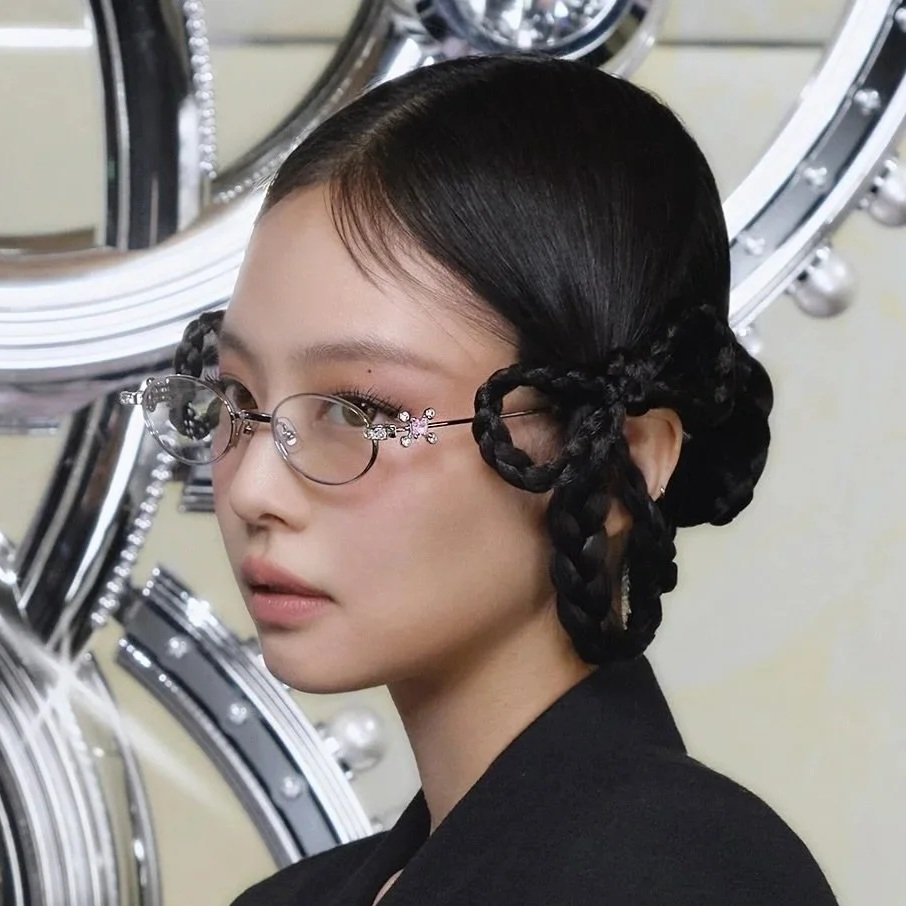
This continuous reinvention turns every release into a moment of identity construction. Styling, stage design, and promotional imagery all contribute to shaping how an artist is perceived during a specific era. Idols move through successive concepts that evolve alongside broader shifts in youth culture, fashion, and online communities.
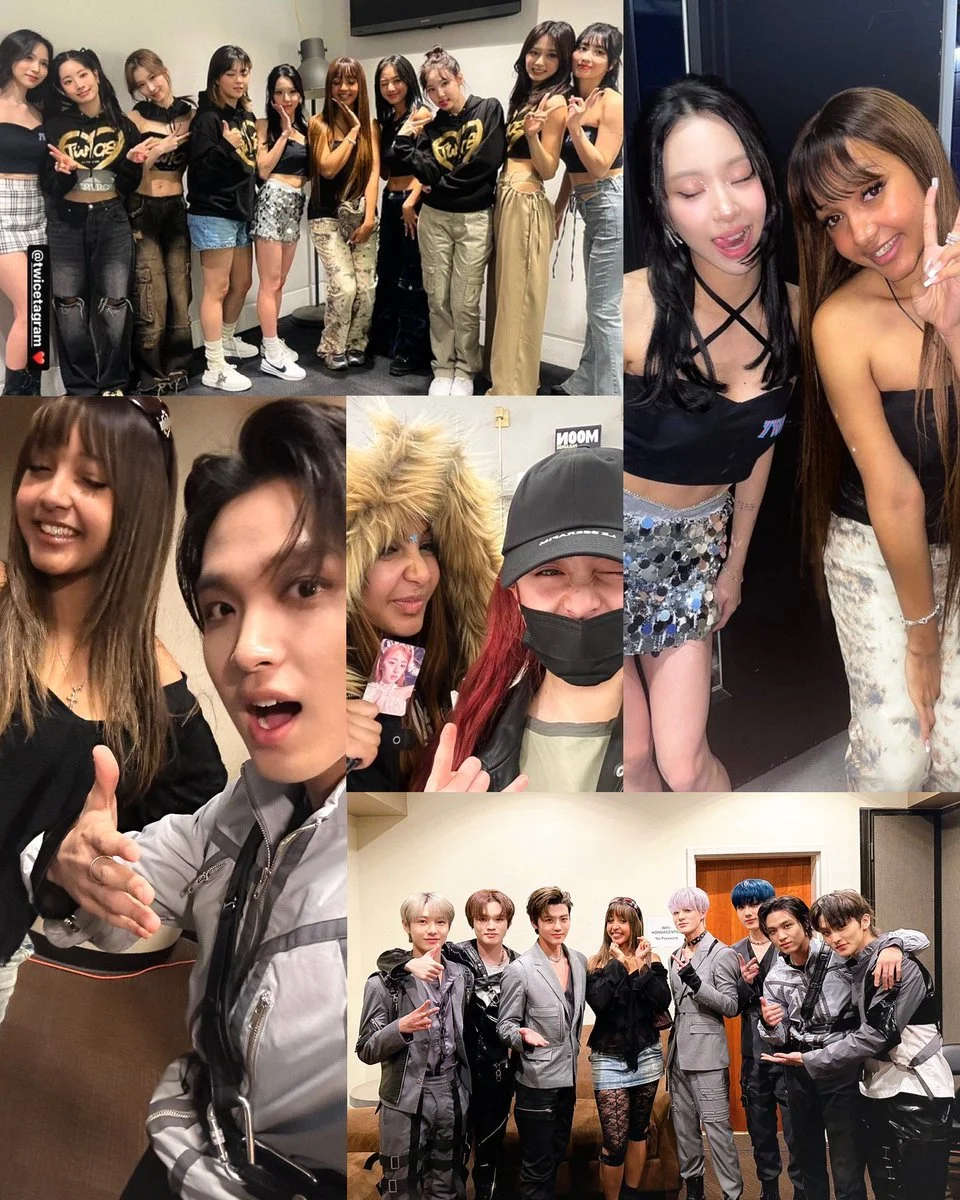
The reach of this system increasingly extends beyond the K-pop industry itself. Moments such as Bladee attending a TWICE concert, which circulated widely online, illustrate how the genre intersects with artists from other music scenes. Producers like Mechatok have openly expressed admiration for K-pop, as he told The Fader that he finds “K-pop like drugs”, while Isabella Lovestory has contributed songwriting to LE SSERAFIM’s Antifragile, demonstrating how creative exchange now moves in both directions.
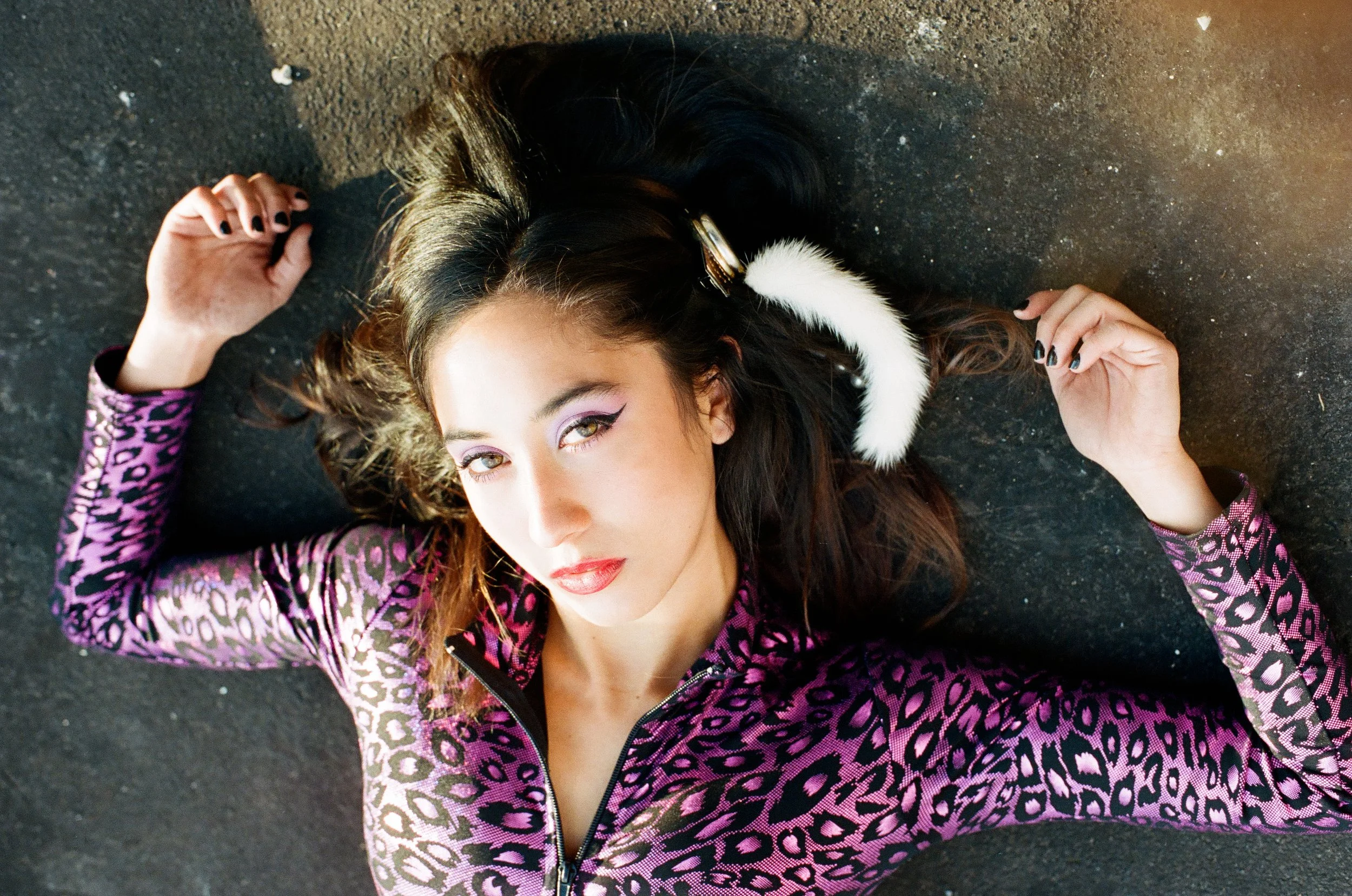
Artists such as PinkPantheress represent another dimension of this crossover. Beyond citing K-pop as an influence, her work increasingly engages directly with the genre’s musical ecosystem. Her project Fancy Some More? includes collaborations with Yves and contributions connected to SEVENTEEN, reflecting how K-pop production and Western club-influenced pop are beginning to overlap. Earlier tracks have also drawn from K-pop sources, incorporating references to artists such as f(x), NCT, and EXID through sampling and interpolation. In her work, elements of UK garage, drum and bass, and Y2K pop sensibilities intersect with K-pop’s melodic structure and production style, illustrating how the genre’s influence continues to shape artists working far outside the Korean idol system.

As the industry continues expanding, its role within global pop culture shifts as well. K-pop increasingly participates in shaping how trends move internationally, drawing inspiration from youth culture across different regions while reintroducing those ideas through highly polished productions. In this process, Korean pop does not simply follow cultural movements but actively contributes to accelerating their circulation.
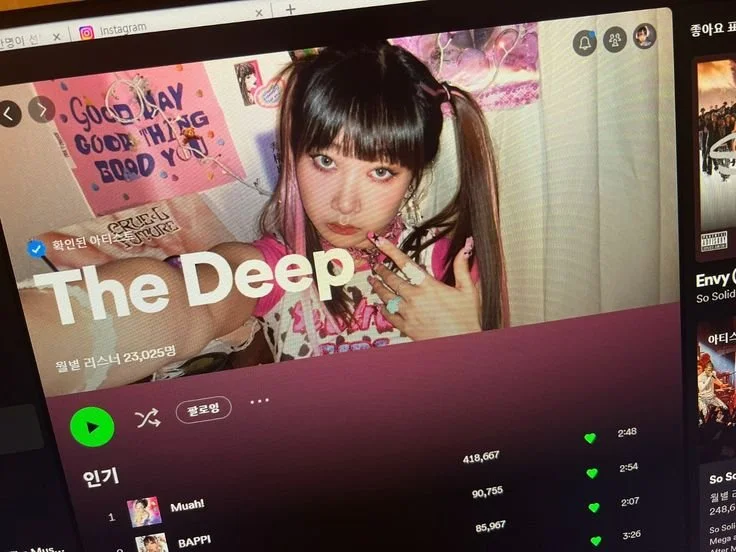
The result is a cultural environment where music operates as only one component of a much larger system. Performance, fashion, identity, and online communities all shape how artists are perceived and how their influence spreads. Today, that presence extends well beyond mainstream pop spaces, appearing across new scenes and audiences around the world, with artists like The Deep carrying elements of that lineage forward. Through this evolving structure, K-pop demonstrates how contemporary pop culture now operates as an interconnected global network where creative ideas move rapidly across borders and industries.

About the Author:
Abeer Salah is a Seoul-based editor, writer, and cultural curator exploring emerging scenes, underground culture, and internet-born subcultures. She is the founder of the collective P.T.S.D.