The Collectives Running the City: A sabukaru Guide to Seoul’s Underground
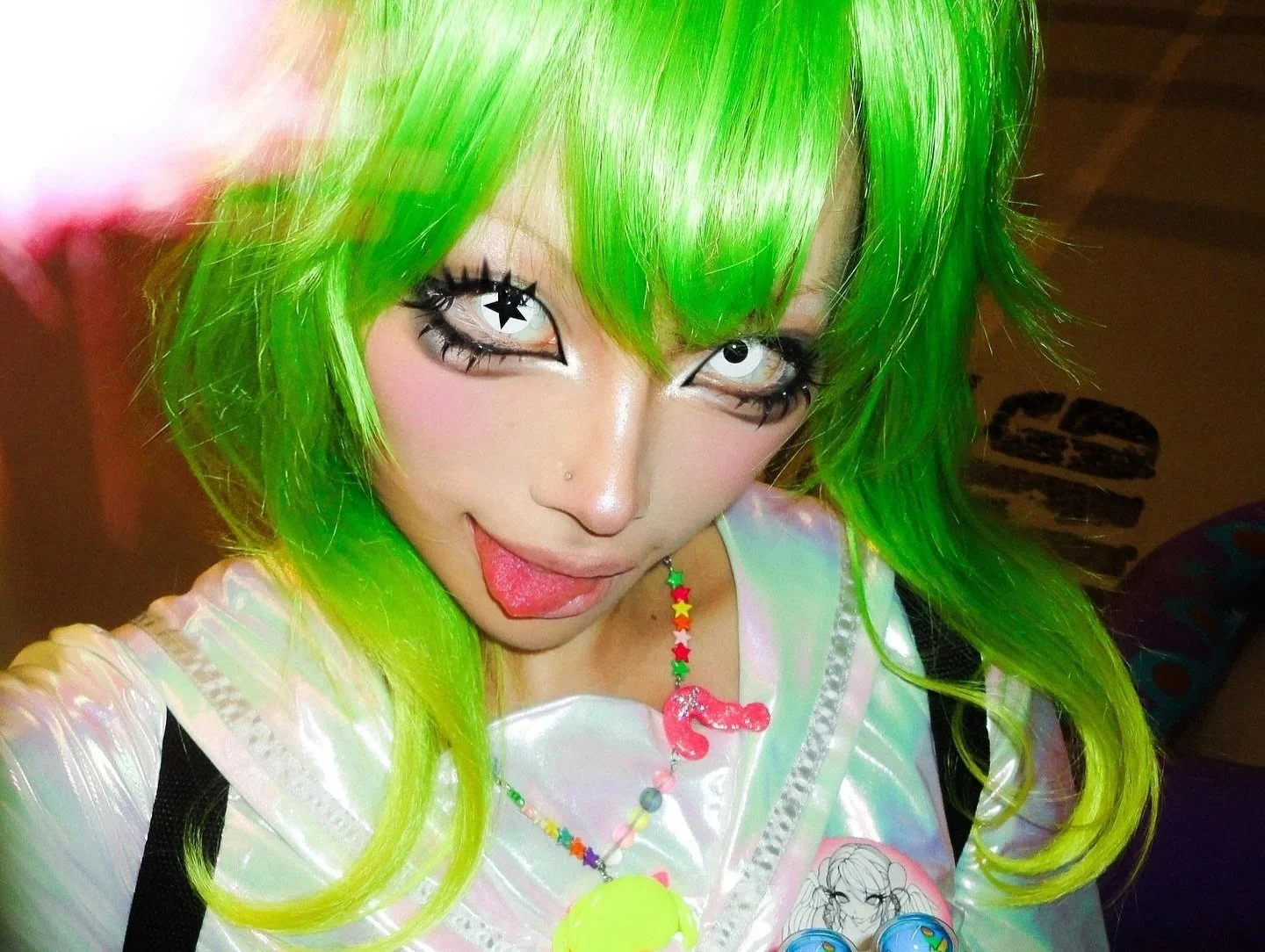
Beyond idols and skincare, Seoul moves through underground collectives that most don’t immediately see, shaping a parallel cultural layer built through parties, self-organized spaces, and tightly connected communities. These groups construct their own environments across the city, where sound, image, and identity collide in real time and reshape how nightlife is experienced.
What forms is a network that runs through proximity, where spaces shift, formats evolve, and each event becomes a temporary world with its own codes. In a city often defined by structure and repetition, these collectives introduce friction, intensity, and unpredictability, creating moments where people step outside routine and into something immediate and shared.
Seoul’s underground continues to move through these collectives, building its identity through accumulation rather than scale, sustained by those who create, participate, and keep showing up. Today, sabu introduces a selection of collectives running the city through their events
Corpse Gyaru Pro Wrestling (CGPW)
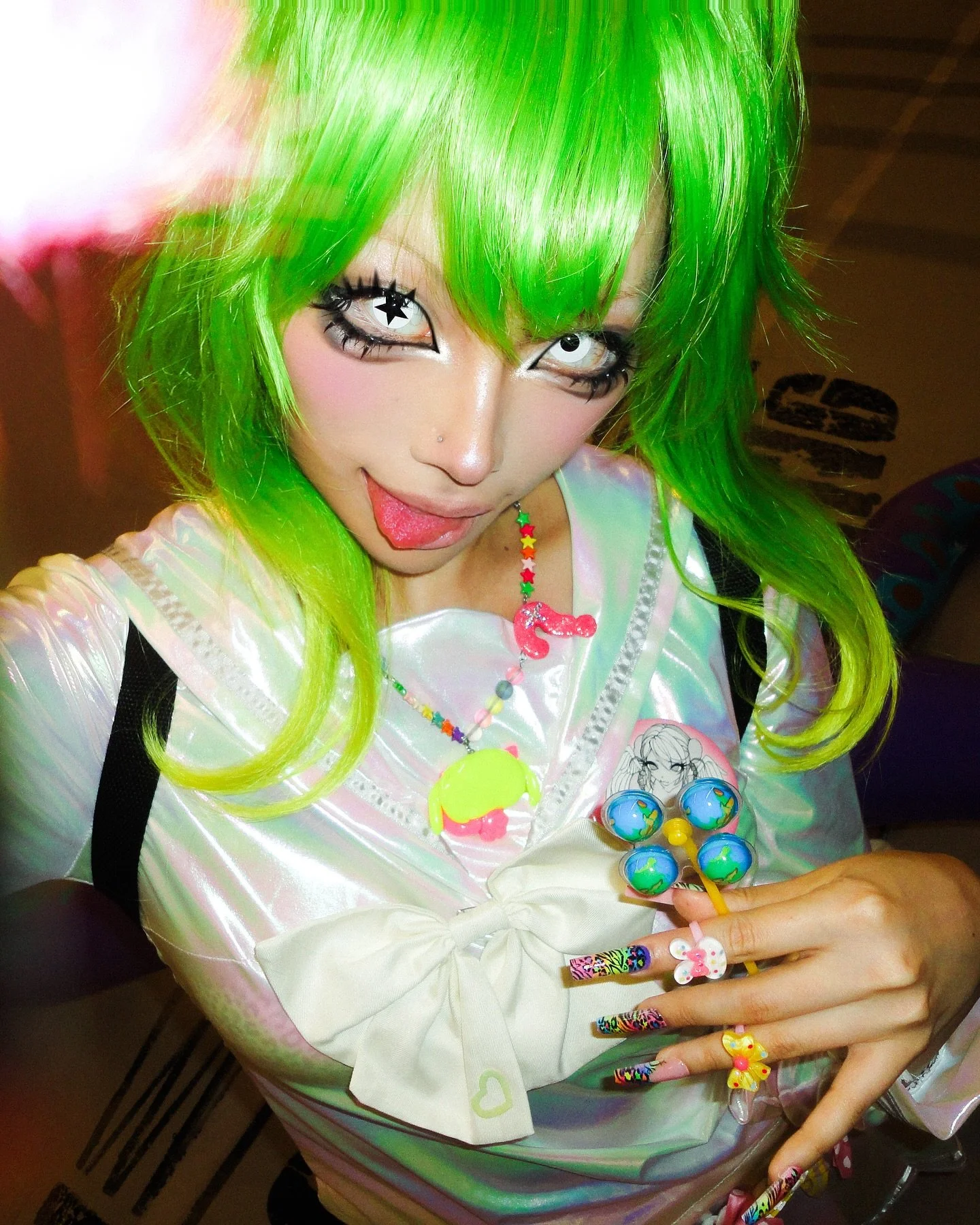
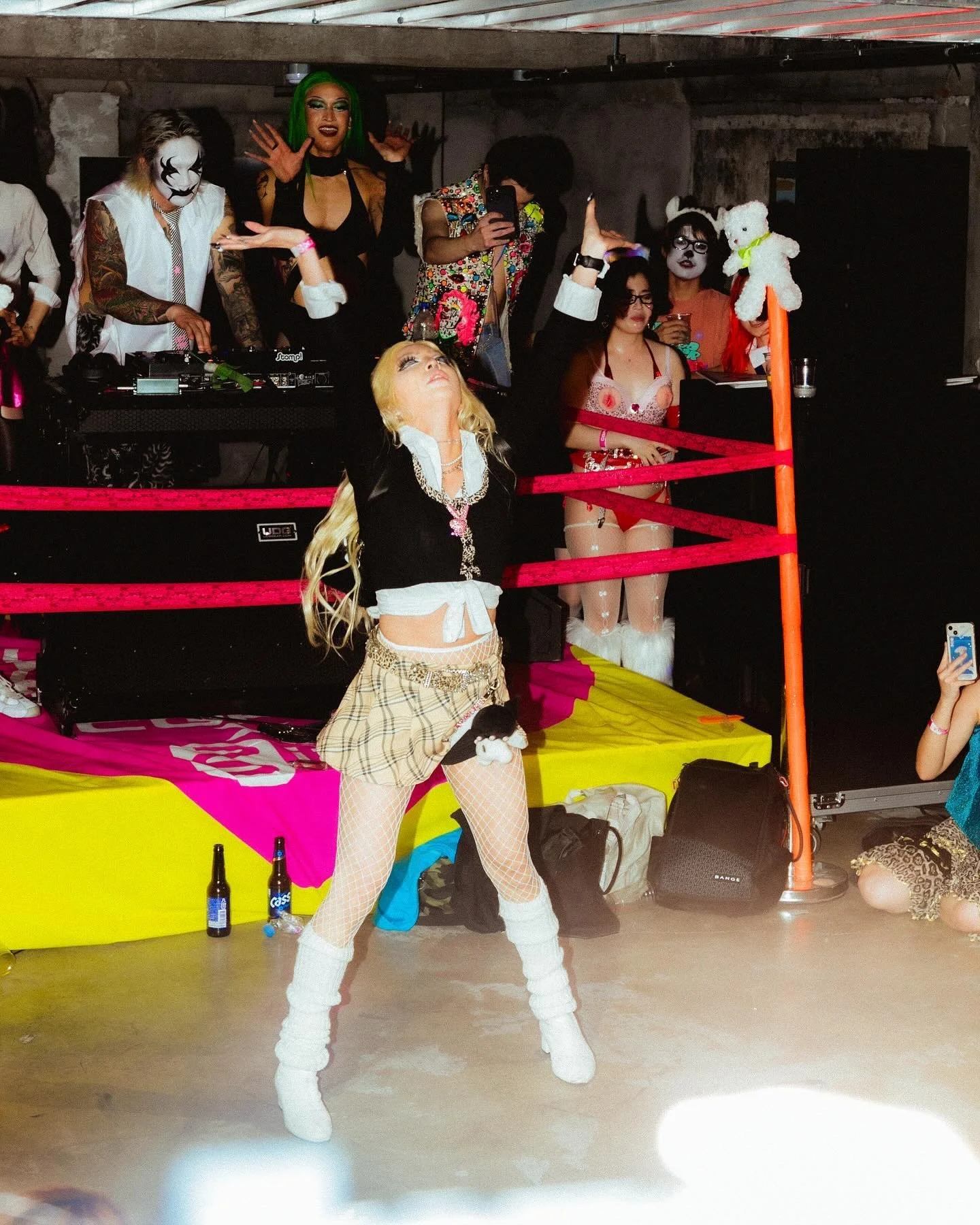
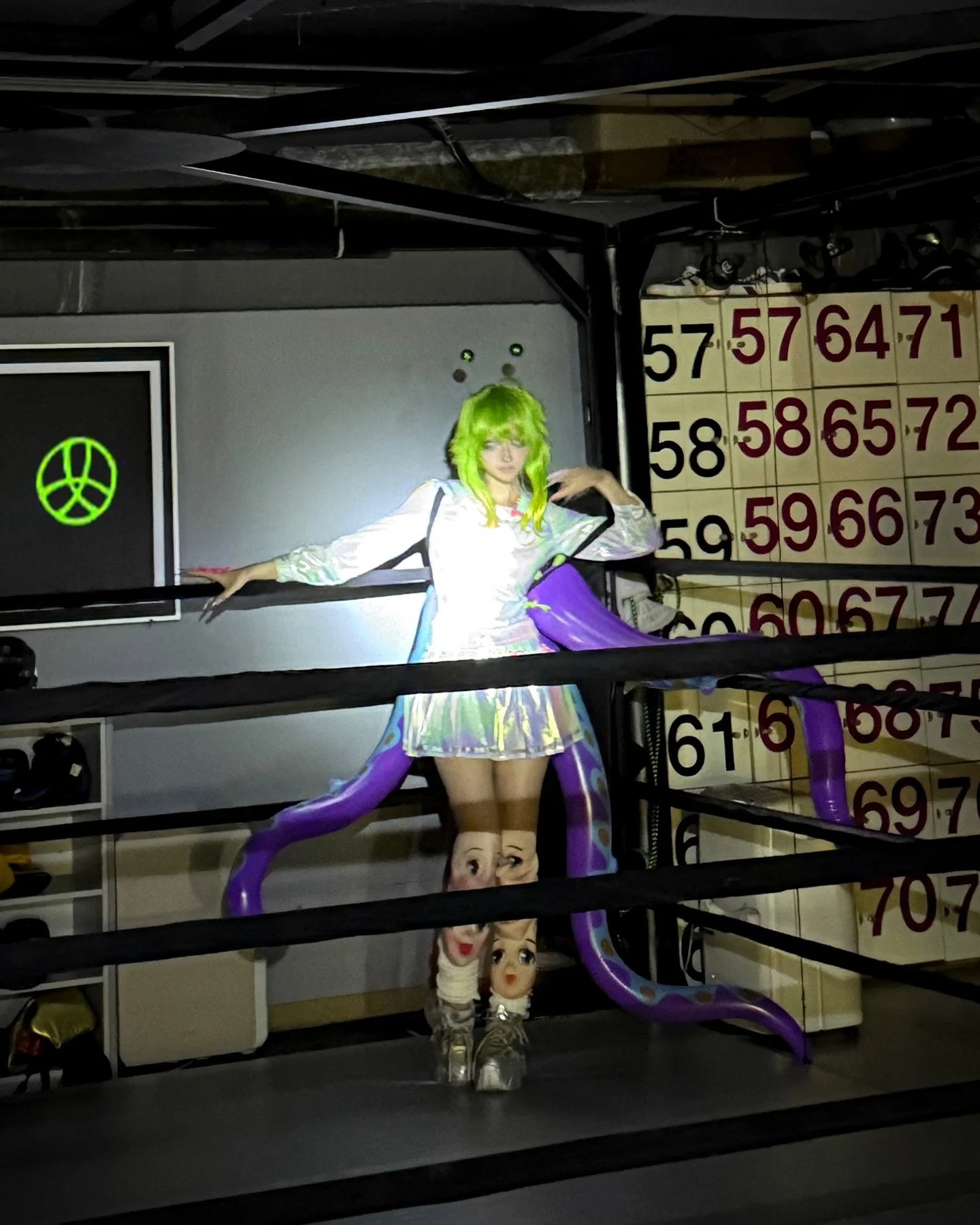
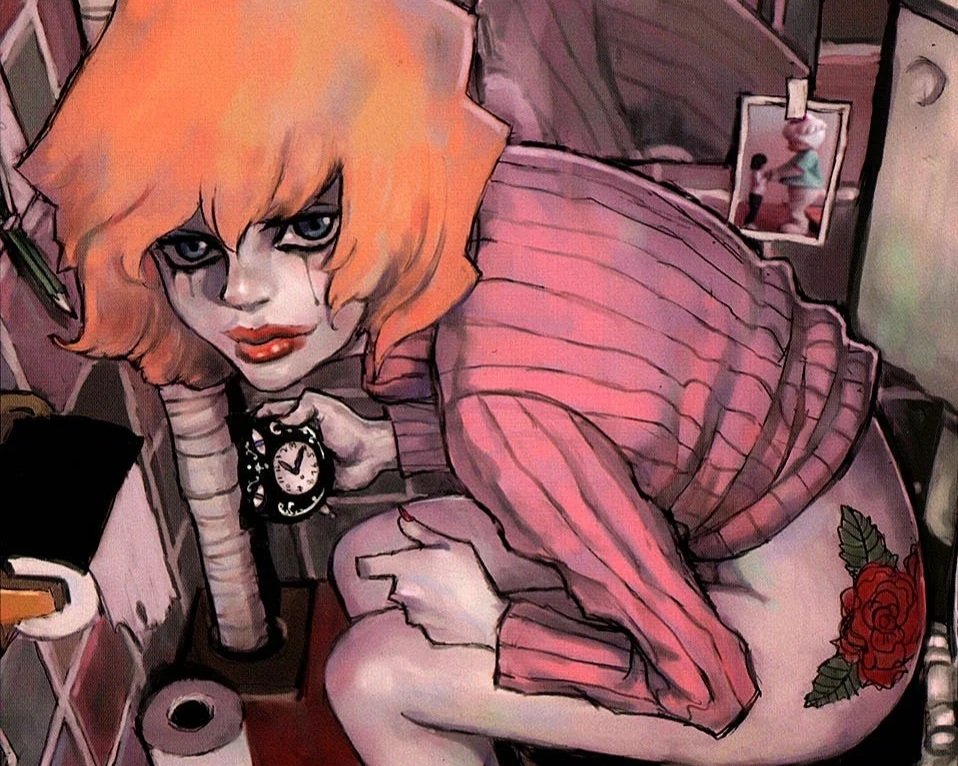
Corpse Gyaru Pro Wrestling started around three years ago out of Seoul’s Euljiro scene, specifically around ACS where smaller parties were already happening. Meeher describes being part of that space simply as someone attending, until one moment shifted direction. Showing Tongjolim an image of Japanese female pro wrestler Ram Kaicho, performing in corpse paint while wearing a Lolita dress, the contrast immediately stood out. Tongjolim suggested building a party around that exact image, and the project formed from there.
That reference continues to define the collective. Their events center on hardcore music, described directly as fast, loud, noisy, and excessive, paired with equally exaggerated visuals. The goal is to create a space where people drawn to alternative fashion and sound can fully engage without hesitation, without feeling observed or out of place. What might feel extreme outside the party becomes natural inside it.
They do not operate from a fixed venue. Each event shifts depending on spatial needs, particularly requiring both a market space and a dancefloor. They have hosted multiple parties in a Sinchon bar where the second floor overlooks the first, creating a structure that resembles a fighting arena, reinforcing the wrestling-inspired atmosphere.
Each edition builds from different references. Vol.4.5 drew directly from Japanese groups like f5ve and XG, specifically their alien-gyaru concepts. Earlier editions were shaped by the rise of emo and scene aesthetics within Korea, influenced by people around them. Their direction remains tied to both global subcultural imagery and immediate local context.
P.T.S.D
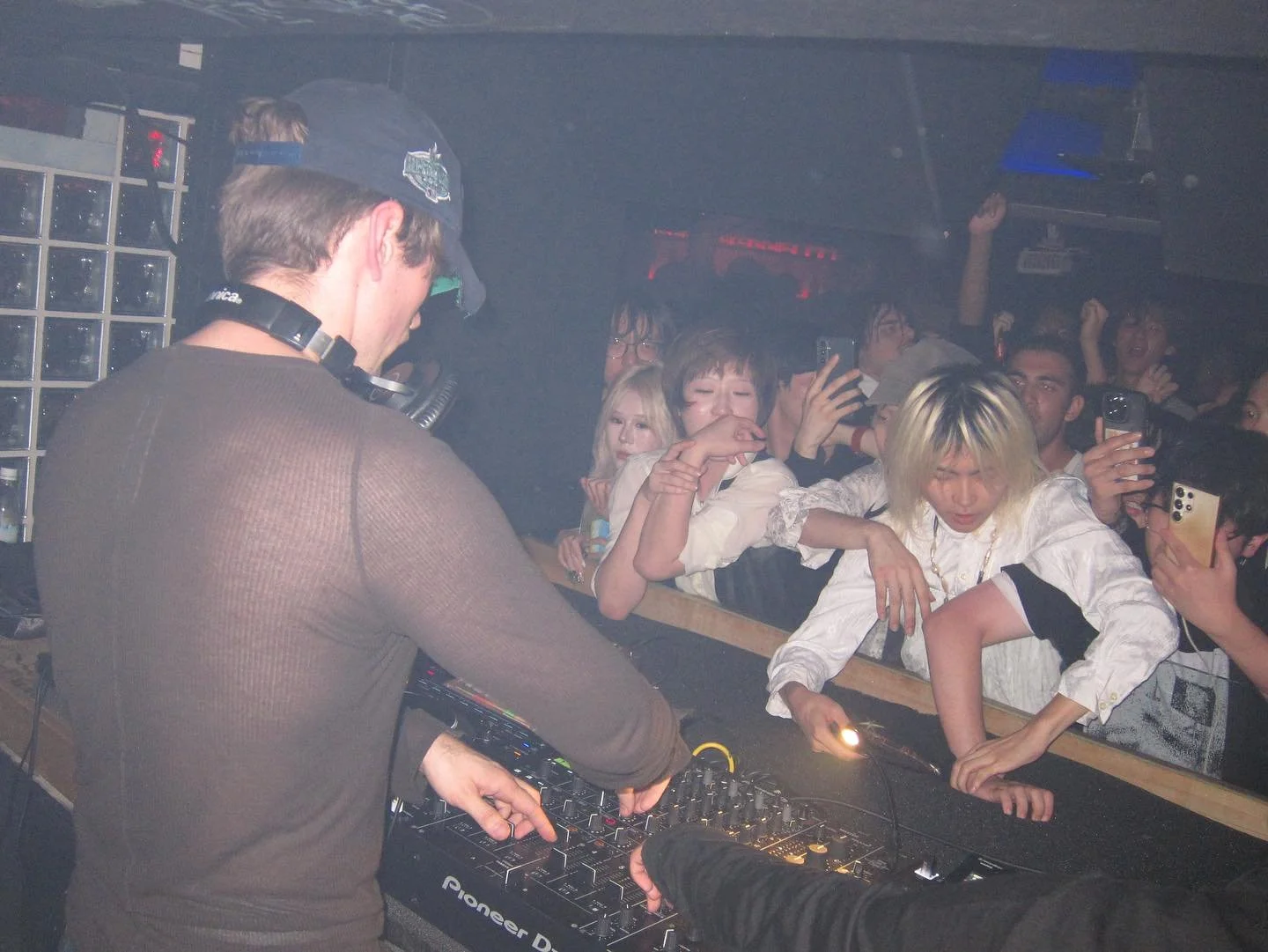
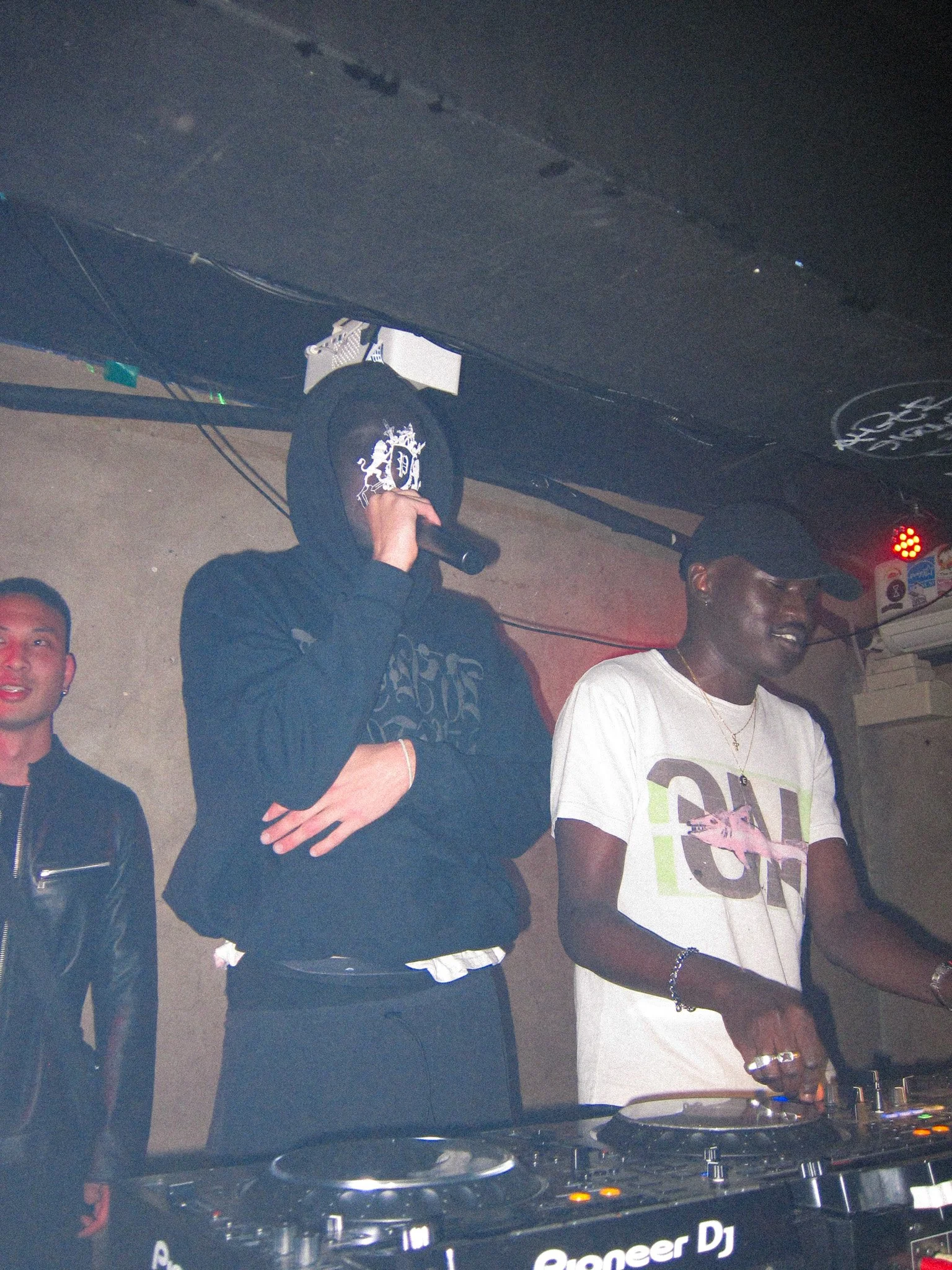
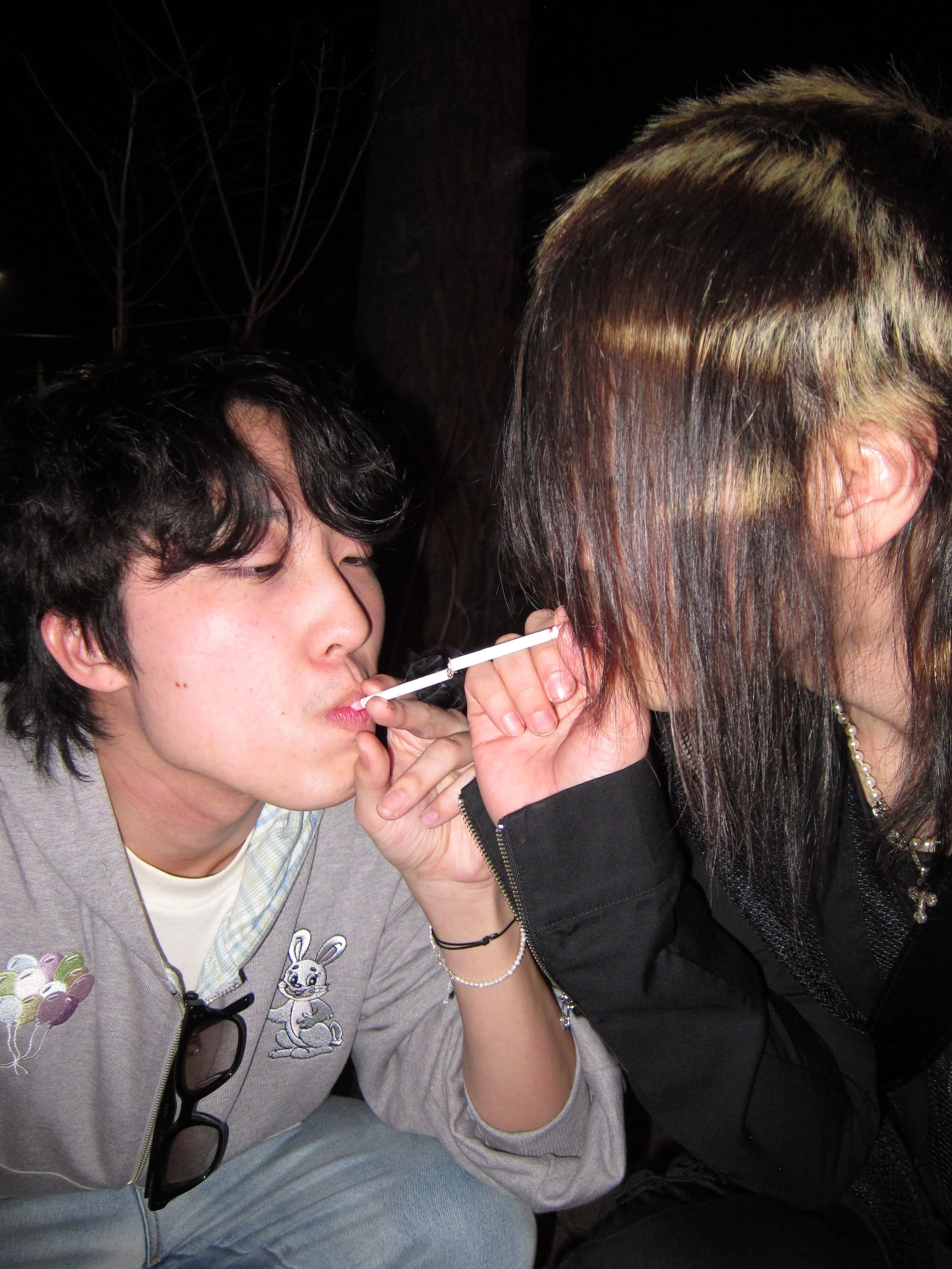
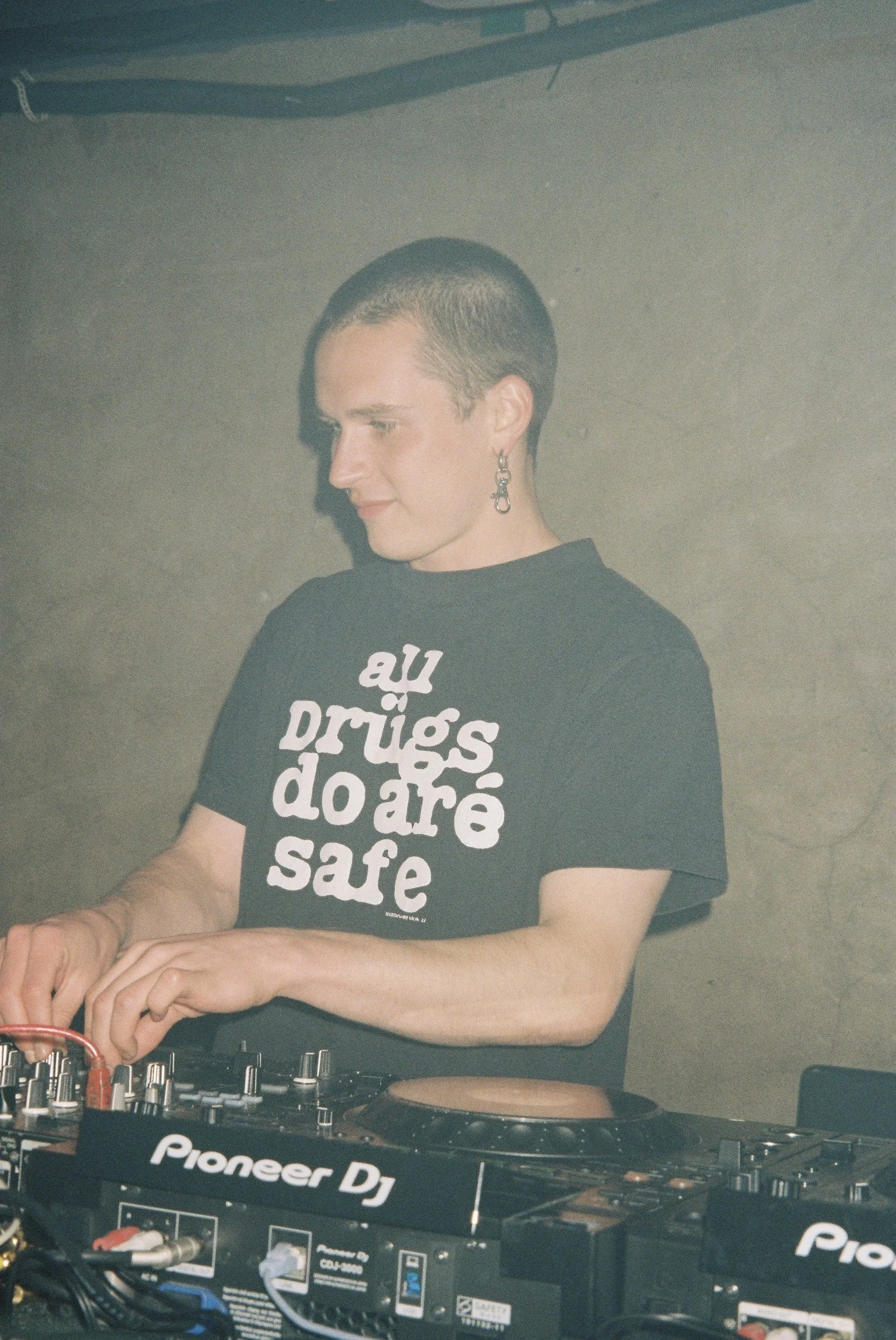
P.T.S.D was born in October 2023 out of boredom, frustration, and satire. The name itself started as a meme within the underground. After a conversation with Cakeshop’s owner about the lack of parties coming out of COVID, the response was simple: “if you’re bored, do something about it.” That moment became the starting point.
From the beginning, there were no parties in Seoul reflecting the sound or aesthetic they were looking for. By late 2024 into 2025, that began to shift, with P.T.S.D directly influencing the city’s soundscape. Many parties now operate on a similar blueprint.
The project is built around authenticity without filter. Their stated mission is to represent Seoul in a way that moves away from commercial and capital-driven structures, while influencing a new generation of underground sound. DJs are given complete freedom, with no imposed direction or rules, the focus is on bringing out each artist’s core.
Sonically, while often associated with drain-influenced sounds, the scope is wider: electronic, cloud rap, electropop, hyperpop, ambient, hardcore techno. The defining factor is not genre, but freedom of selection.
P.T.S.D is a Cakeshop-exclusive party and intentionally remains that way. The basement functions as a consistent home base, removing the need to expand elsewhere.
Their collaborations include artists such as Mechatok, Eurohead, Jack Zebra, and Oli XL, connecting Seoul directly to broader international networks.
Their outlook for the scene is direct: less commercialization, more grit, more edge, and a city that takes itself less seriously.
The Internatiiional 인터내셔널
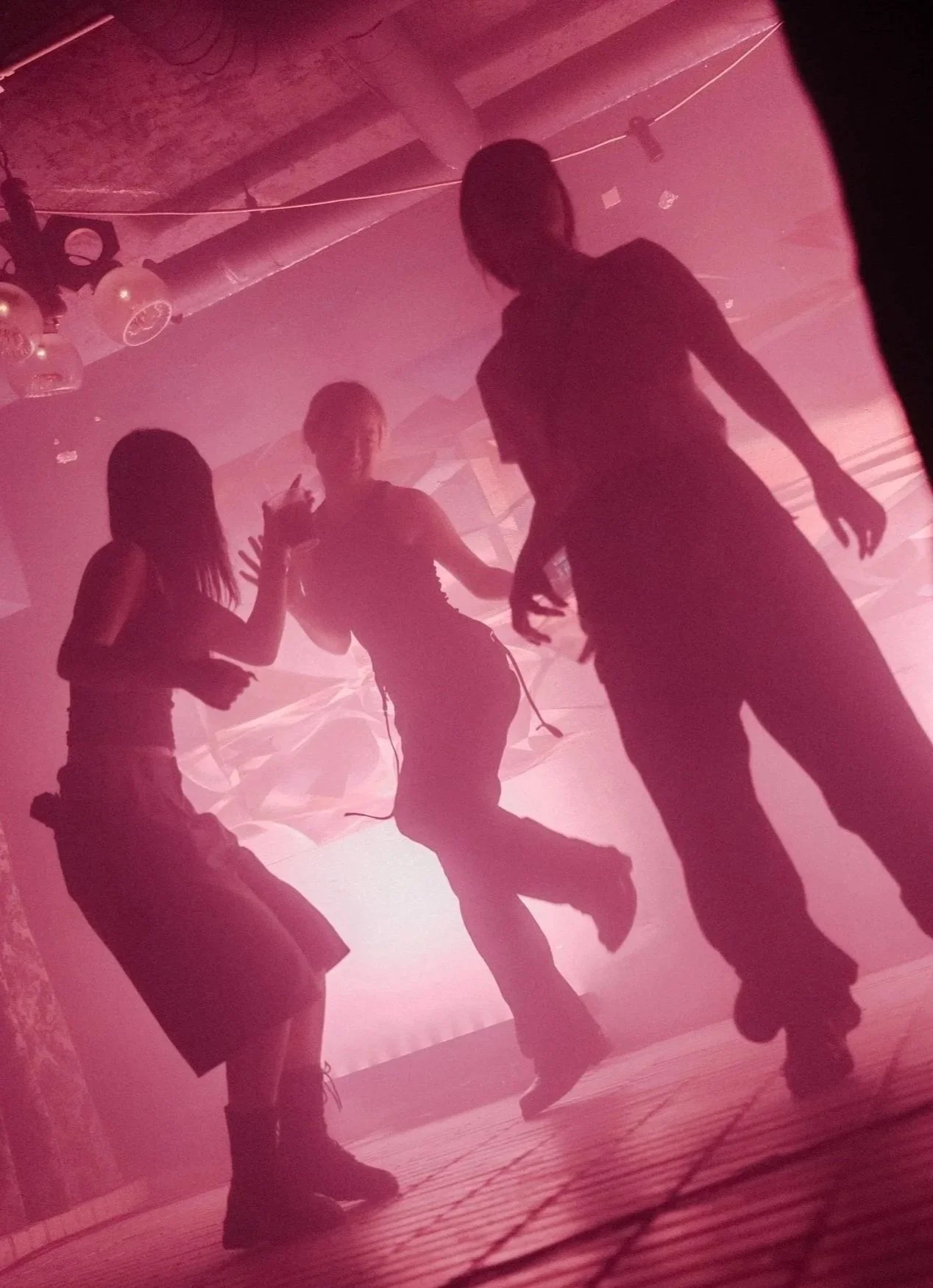
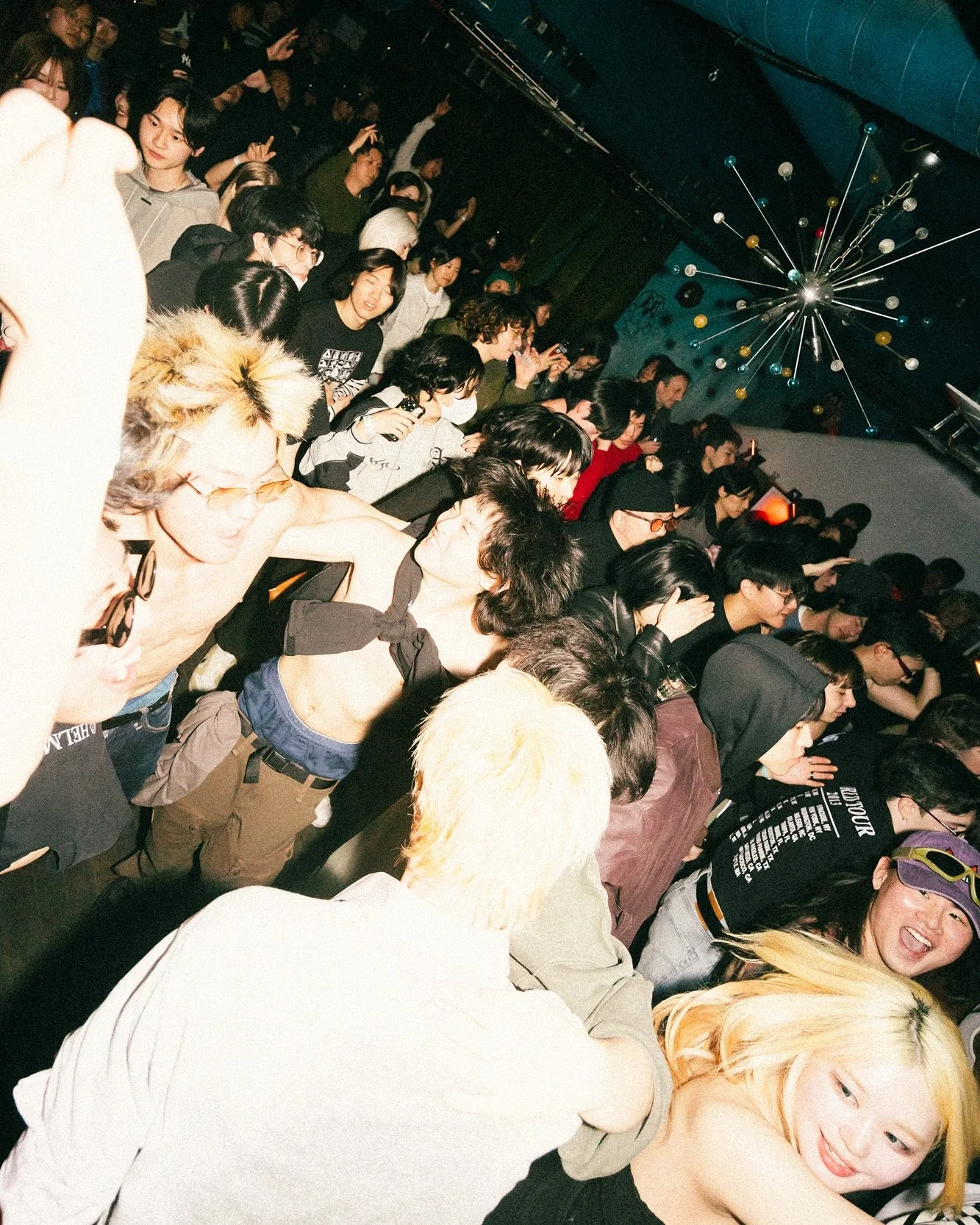
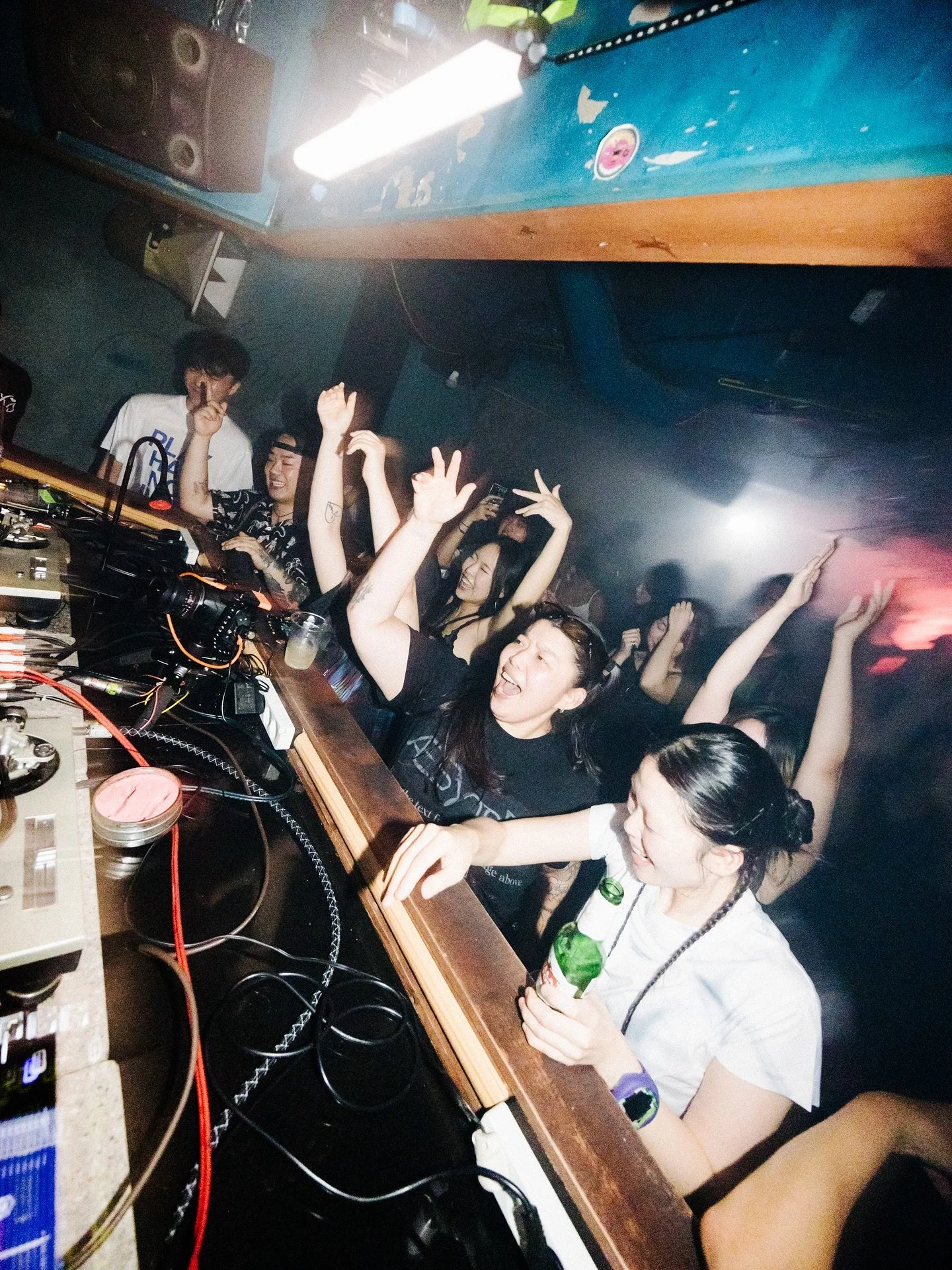
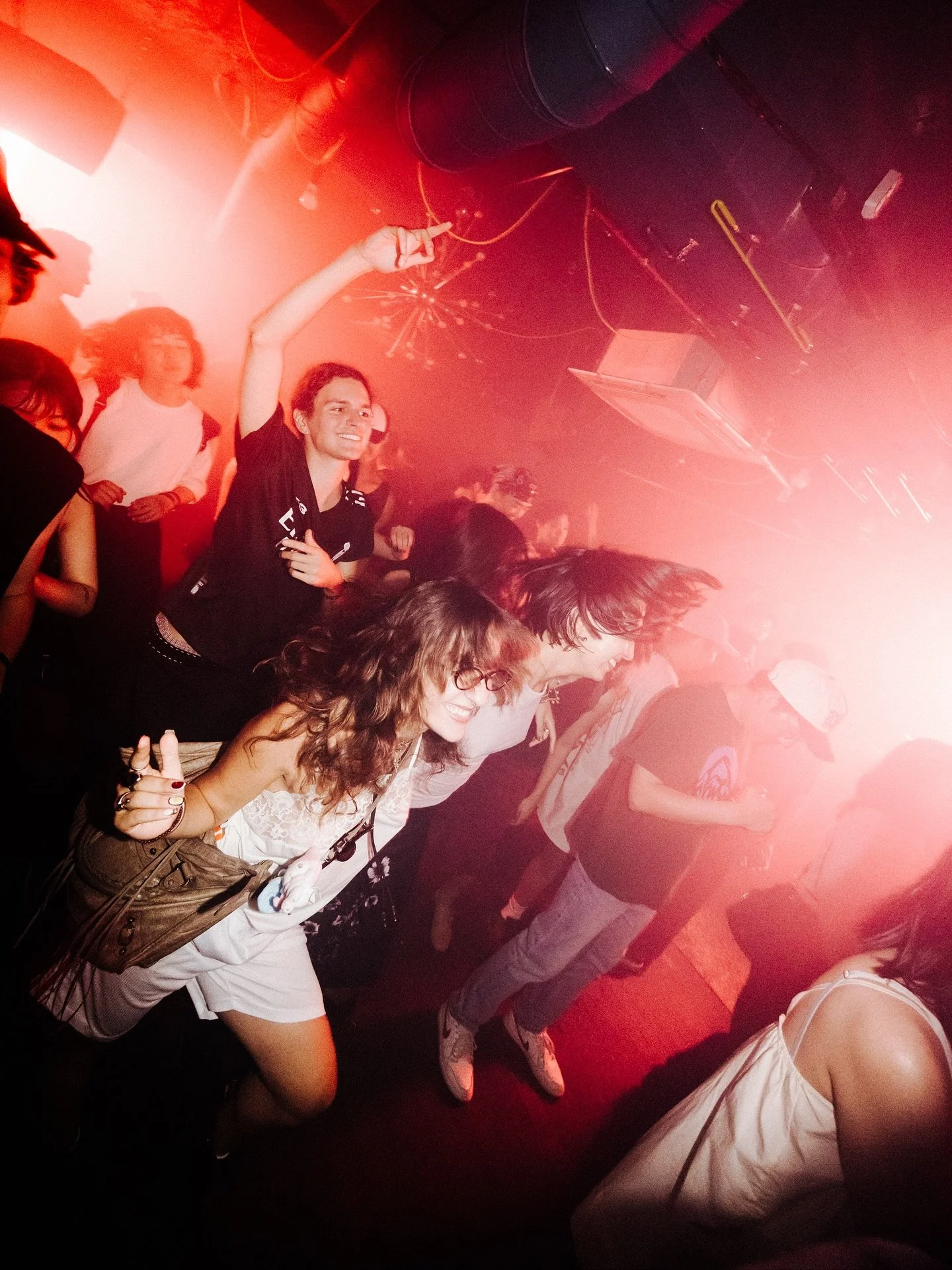
Founded by Sol Lim, The Internatiiional has been active for over a decade, evolving alongside Seoul’s underground. What began as informal party organizing has developed into a platform connecting music, fashion, and visual culture.
Their work extends across Seoul and internationally, building networks between cities and scenes. Events focus on the physical relationship between DJ and audience, emphasizing shared experience through sound.
The project also acts as documentation, capturing shifts within underground dance culture while continuing to expand its network globally.
Unborn Sounds
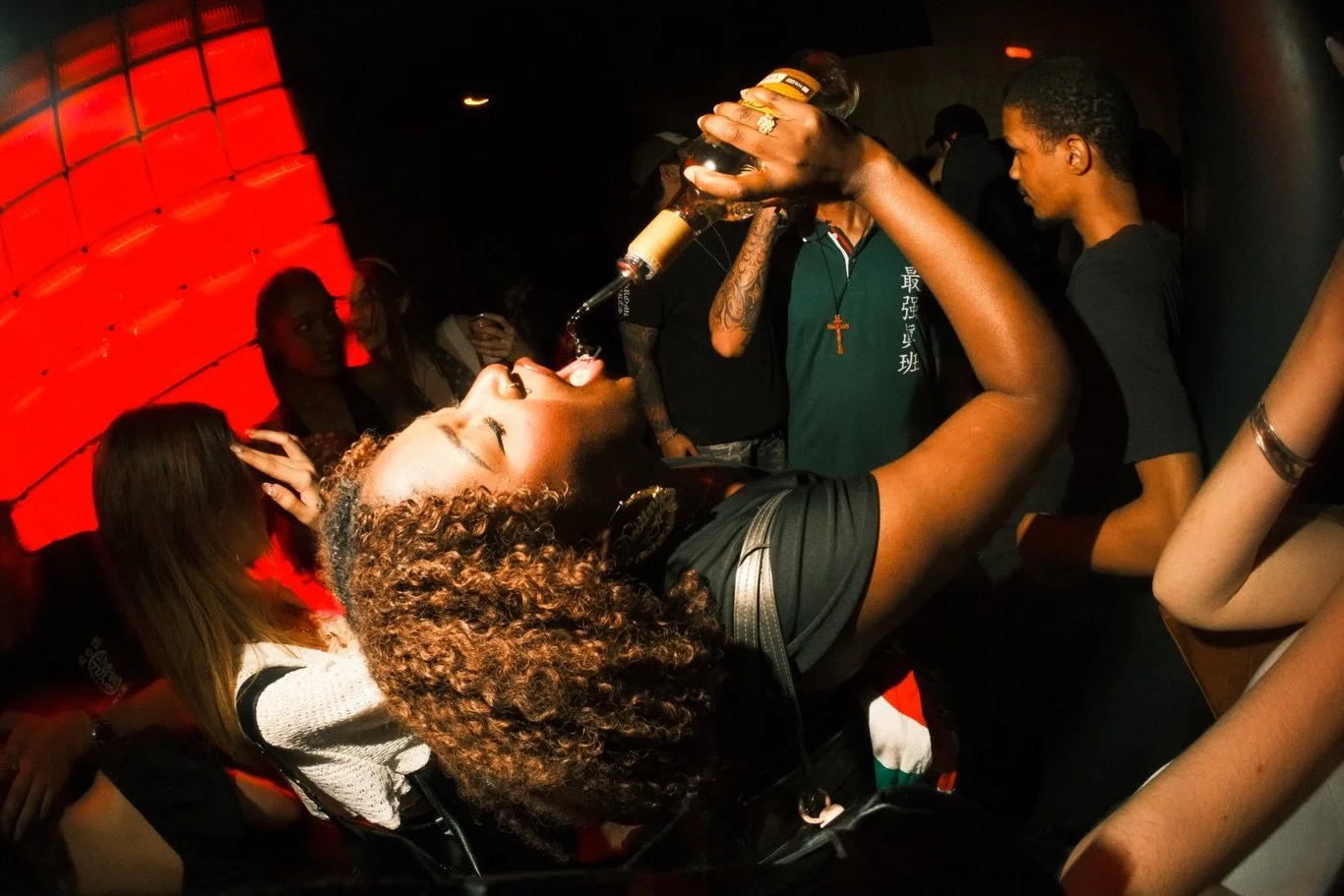
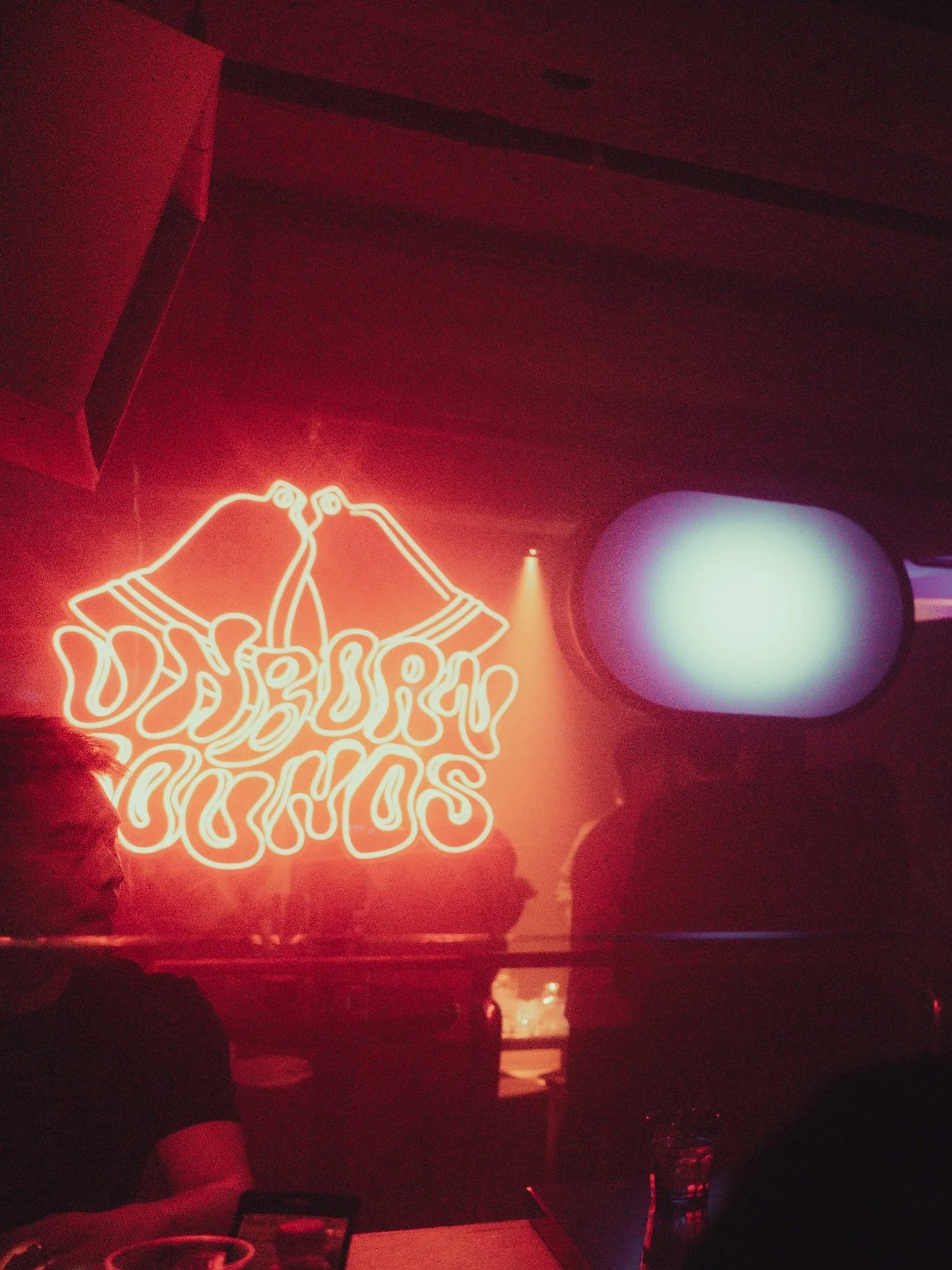
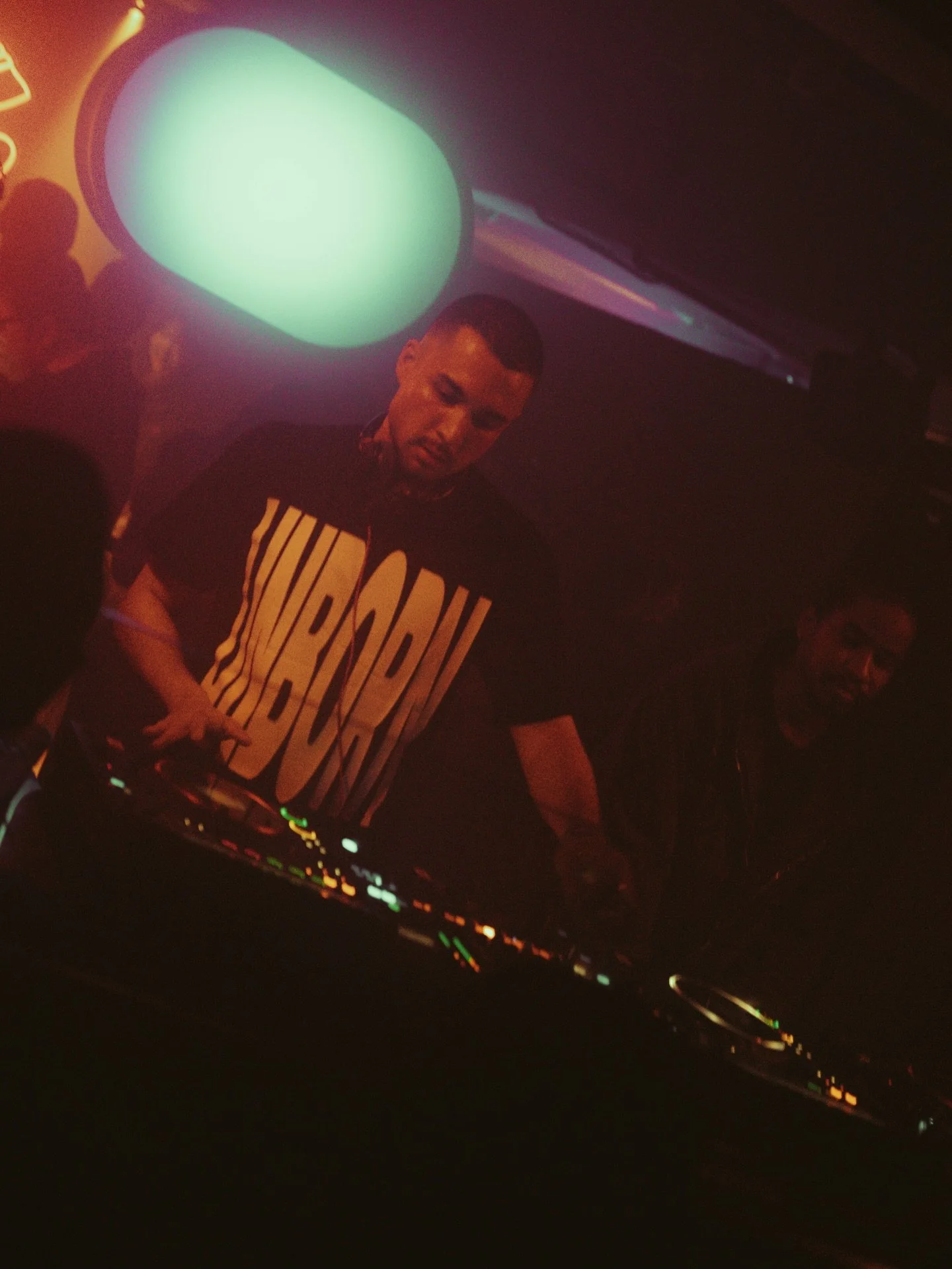
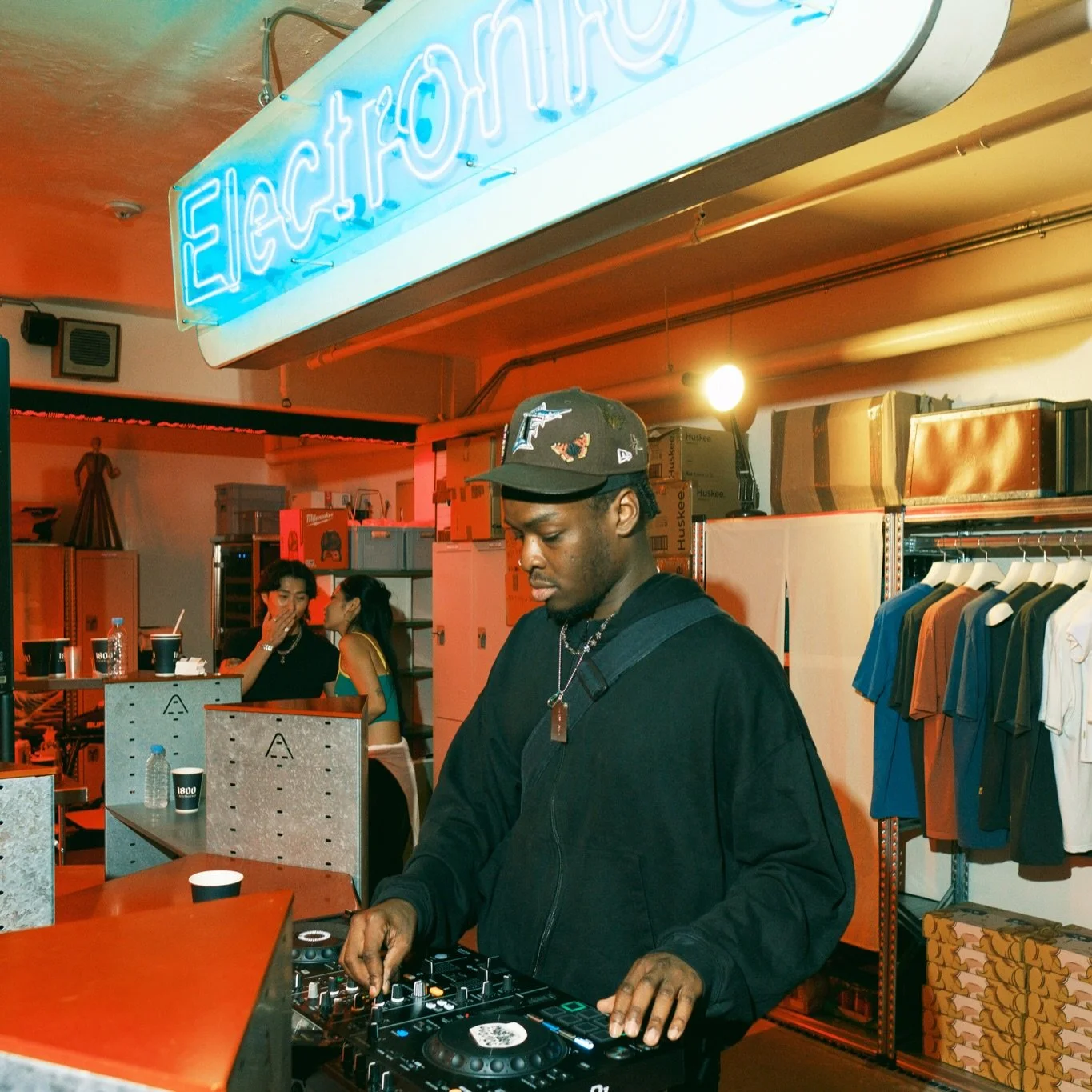
Unborn Sounds officially began organizing events in 2022, founded by Arnold (Yungricain), who also runs the clothing label UNBORN SOCIETY. The project initially started through after-parties tied to the brand’s pop-ups and seasonal releases, inviting close friends to DJ. Those gatherings quickly expanded into something larger.
The collective formed from a clear motivation: addressing the lack of diversity within Seoul’s nightlife. Made up of members from African, Caribbean-American, and African-American backgrounds, Unborn Sounds works to bring broader sonic perspectives into local spaces while expressing their own cultural identities.
Their mission centers on building real connections globally while fully engaging Seoul’s local underground. They describe their approach through clear principles: community over celebrity, honesty over hype, minimalism over excess. The goal is to create something sustainable and tangible, not just temporary moments.
Their presence has expanded rapidly. Starting with Cakeshop in 2022, they now hold residencies at Bolero, Stoked & Stoned, and Courte Café, while also working with Soap, Grain Haus, Times, and even the Mondrian Hotel for curated daytime activations.
Musically, there are no restrictions. Their sets move across hip-hop, baile funk, reggaeton, dancehall, trap, afrobeats, amapiano, techno, house, and more. The goal is openness, allowing people to encounter unfamiliar sounds and gradually find their own connection to them.
Visually, the same approach applies. There is no fixed direction, but a constant evolution shaped by their community. The UNBORN SOUNDS name and two-bell logo remain consistent, while the focus stays on showcasing the people, energy, and movement within their circle.
Their references extend globally, including Seoul Community Radio and VISLA, Tokyo Vitamin, Yeti Out, ENSEMBLE, SSSOUND, Everyday People, Jerk x Jollof, Pangea Sounds, and FAVELAWORLDWIDE.
Their vision for Seoul is clear: more openness, more genre coexistence, more collaboration across communities, and recognition of nightlife as culture rather than just entertainment.
PERMIT
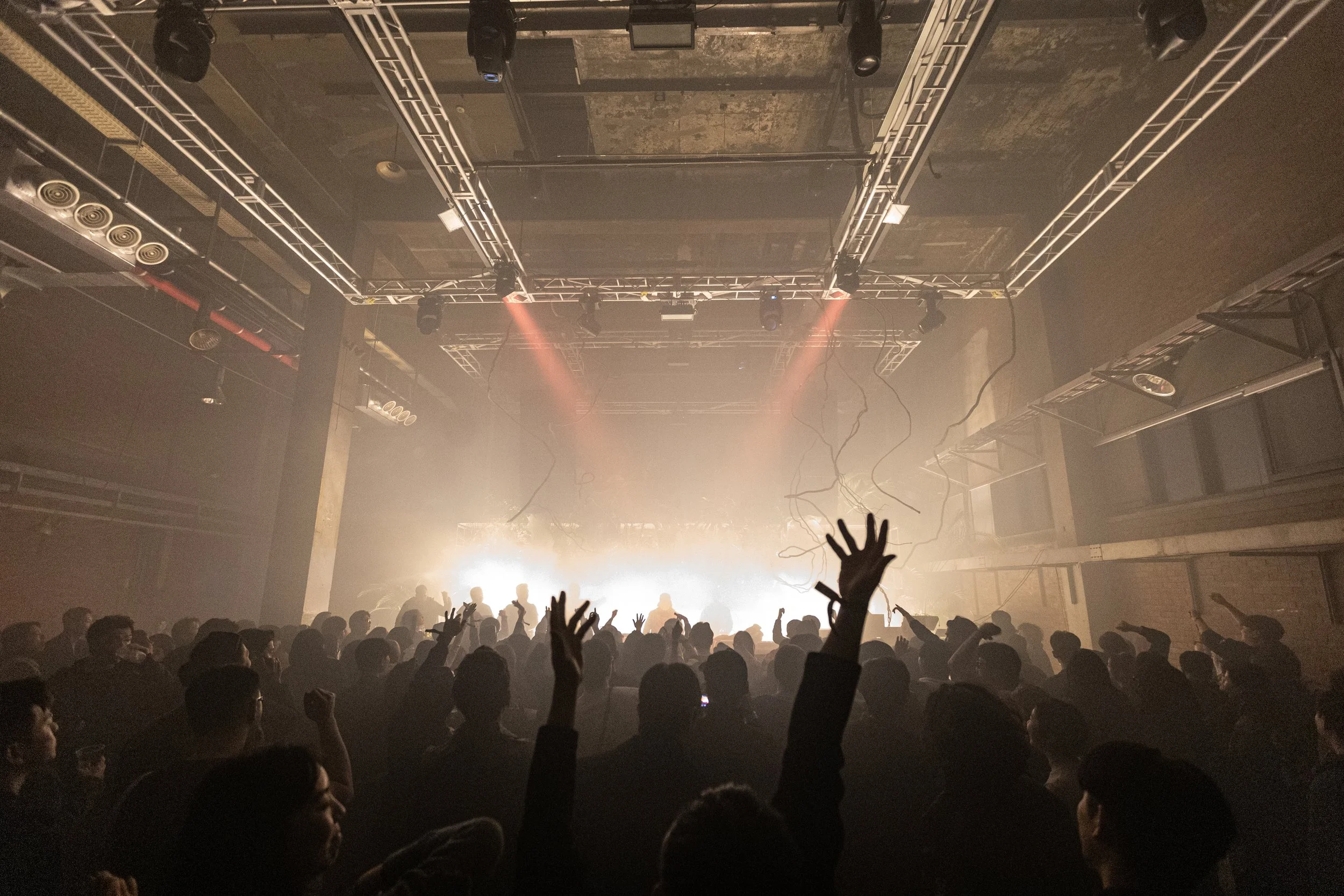
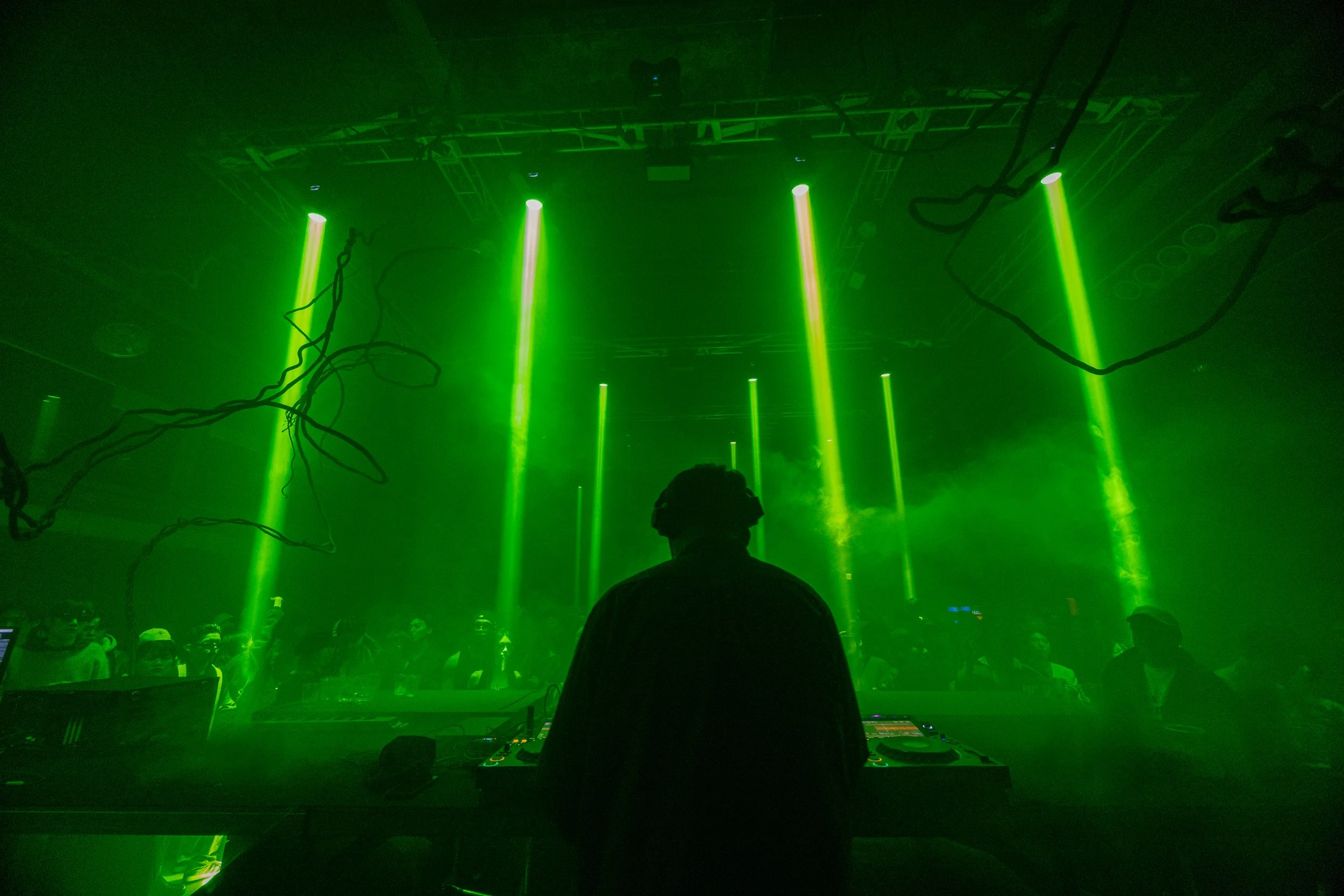
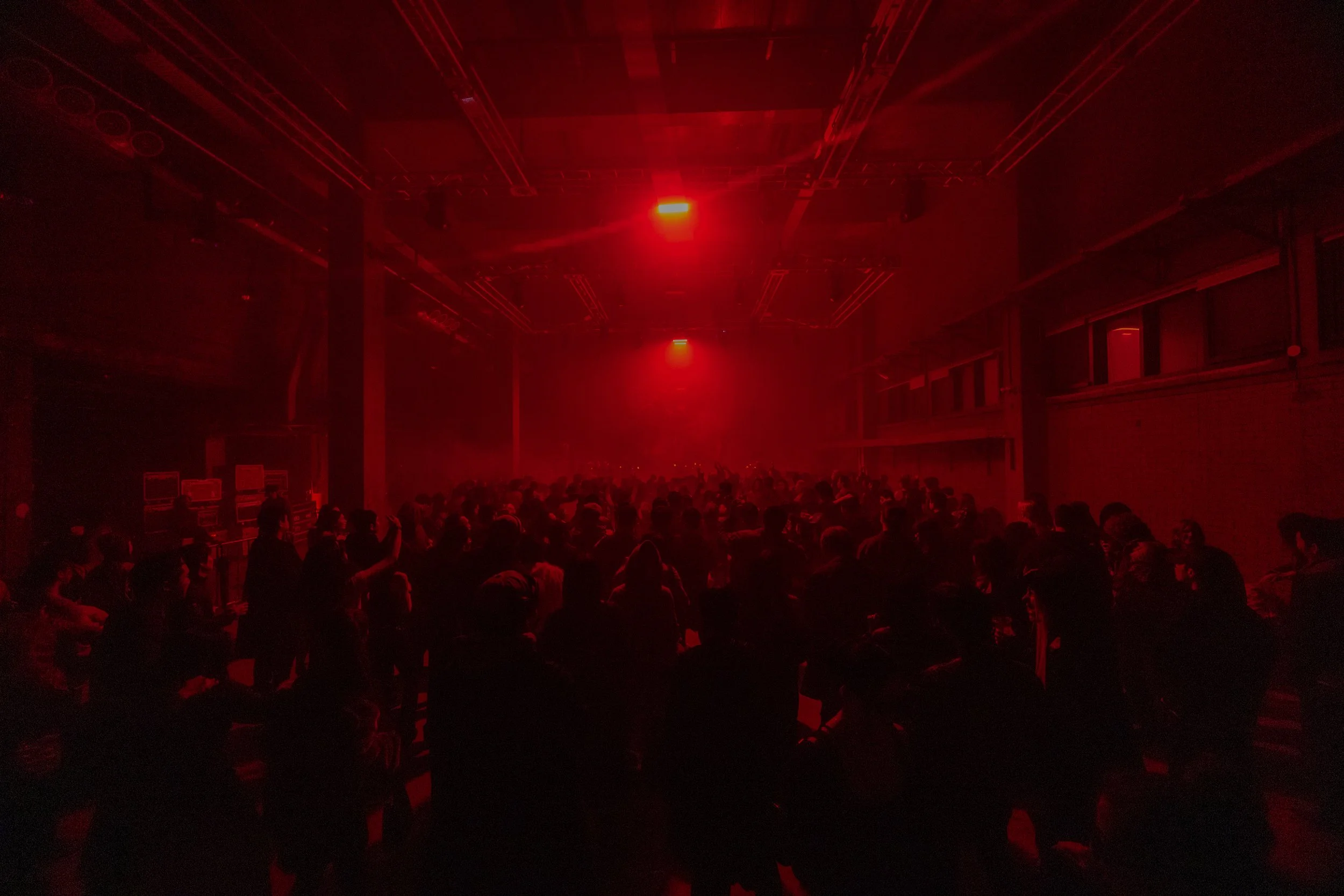
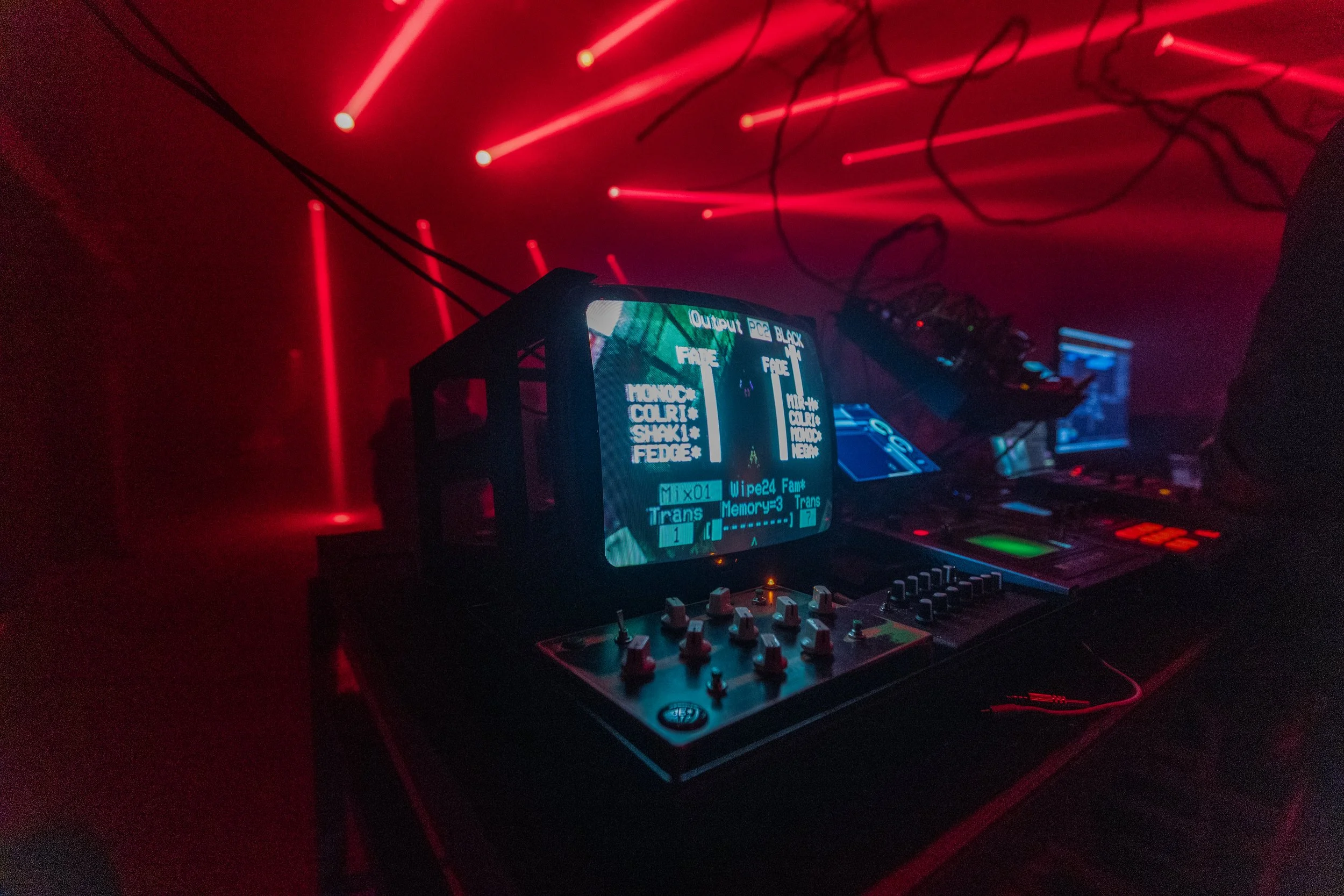
PERMIT began from a need to rethink how dance music exists beyond traditional club settings. Early on, events included elements like massage spaces, workshops, and rest areas, shifting how people interact with both music and each other.
The project emerged during the post-COVID transition, when there was space to explore alternative formats. Their first events took place at an abandoned American military base about 1.5 hours outside Seoul. Attendees boarded buses without knowing the destination or lineup, creating a sense of disconnection from routine.
This approach draws from experiences in the Netherlands, where similar gatherings took place in forests and canals, shared through email lists, lasting until sunrise. The idea connects to Hakim Bey’s concept of the Temporary Autonomous Zone, spaces that exist briefly outside conventional structures.
A strict no-photo, no-video policy has been central from the beginning, allowing people to be fully present without external pressure.
PERMIT operates across multiple formats:
PERMIT: intensity and immersion
ceiling service: rest and introspection
Olympan: large-scale outdoor gatherings
Takeovers: smaller city-based integrations
Their work focuses on designing environments. Sound, light, space, and behavior are treated as one system. The physicality of sound is essential, bass felt in the body, not just heard. Events move through carefully structured progression, from noise to dub techno, to groove, to intensity, to softer states.
Venues range from industrial and repurposed sites like Seoul National University power plant, oil depots, and factories, to controlled takeovers within the city. They also actively manage relationships with surrounding communities, ensuring coexistence with nearby residents.
Their perspective on Seoul is that it is at a turning point, moving from trend-following toward forming its own identity. The future lies in slower development, stronger local voices, hybrid spaces, and deeper collaboration between disciplines and communities.
Doki Doki Torture Club
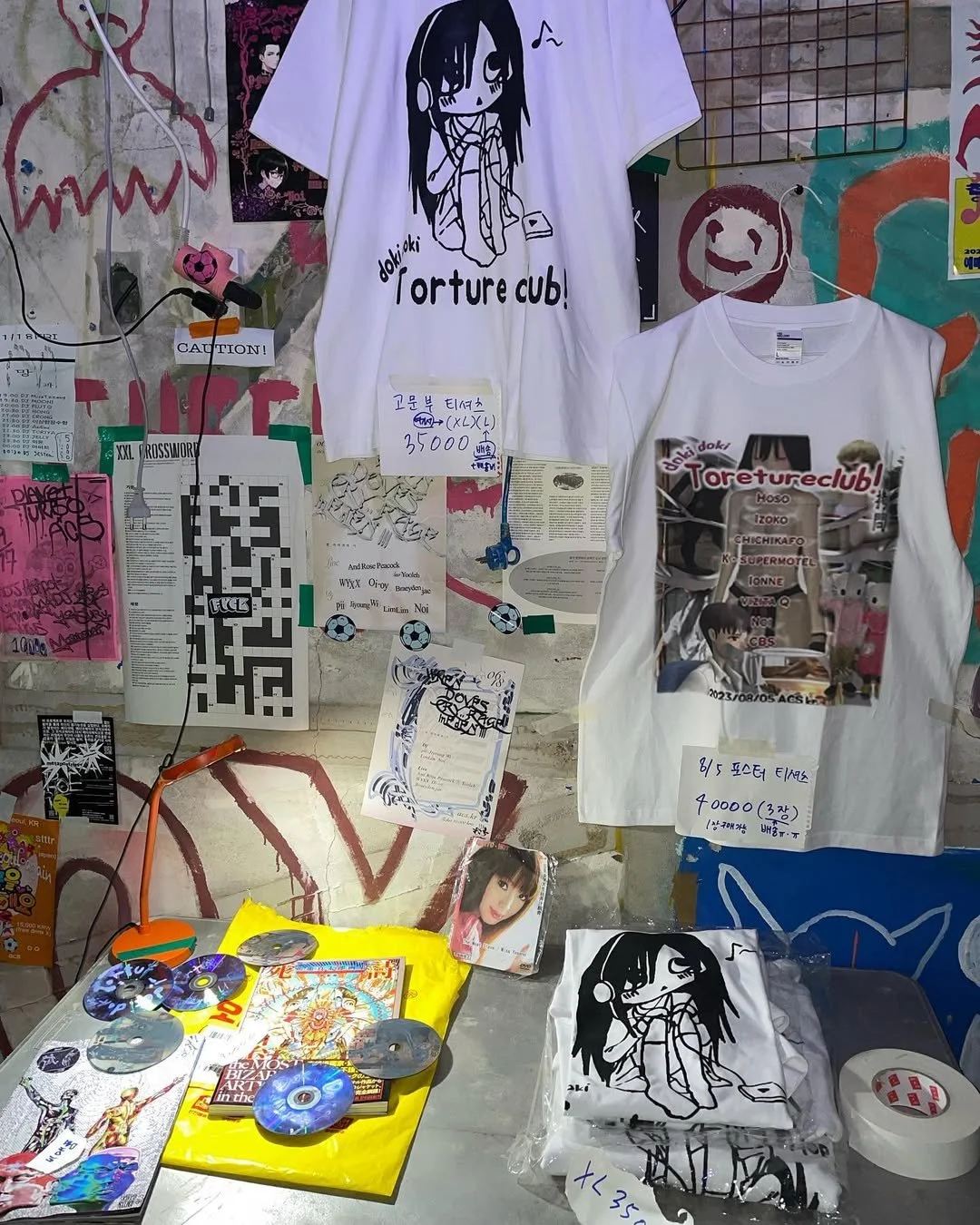
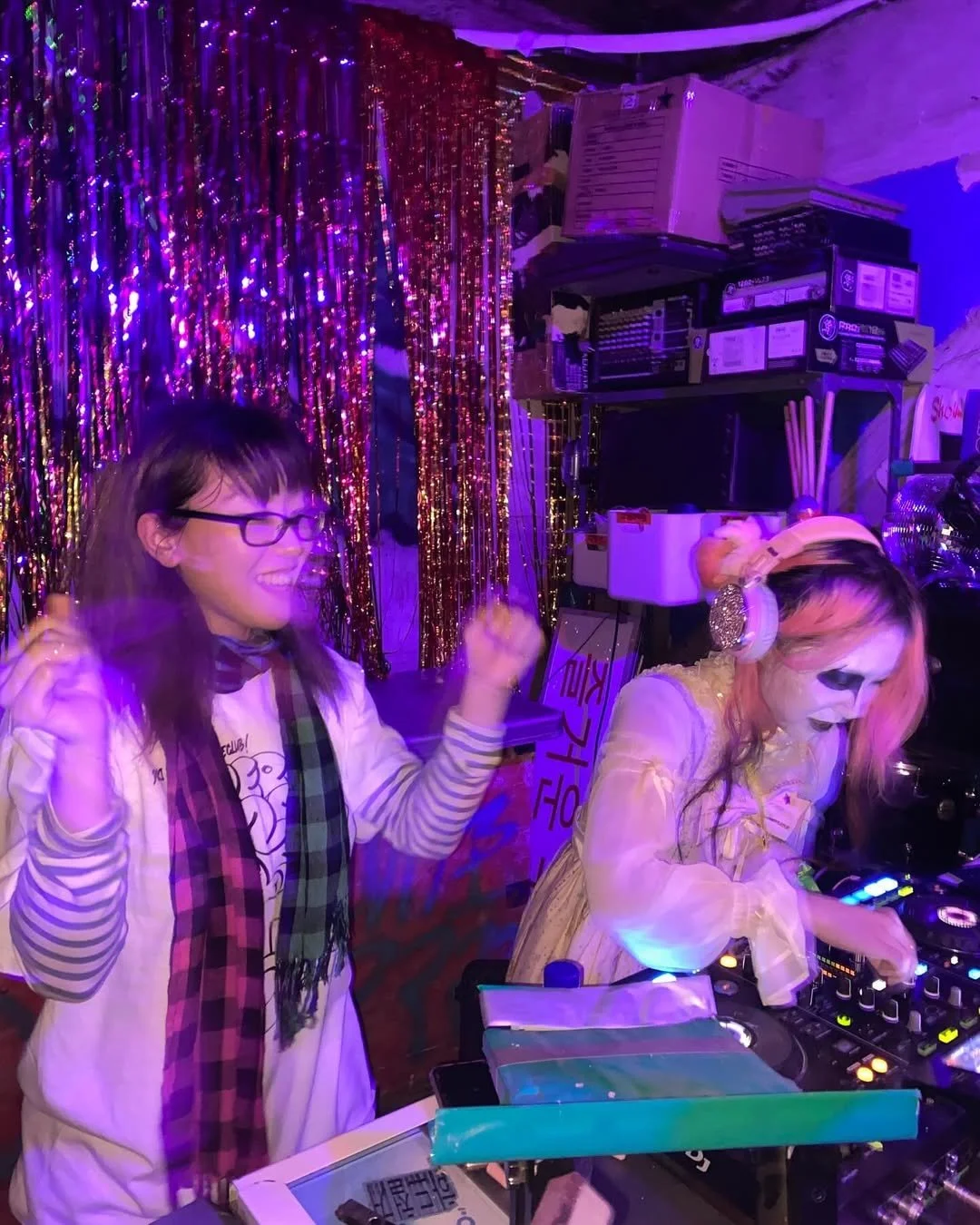
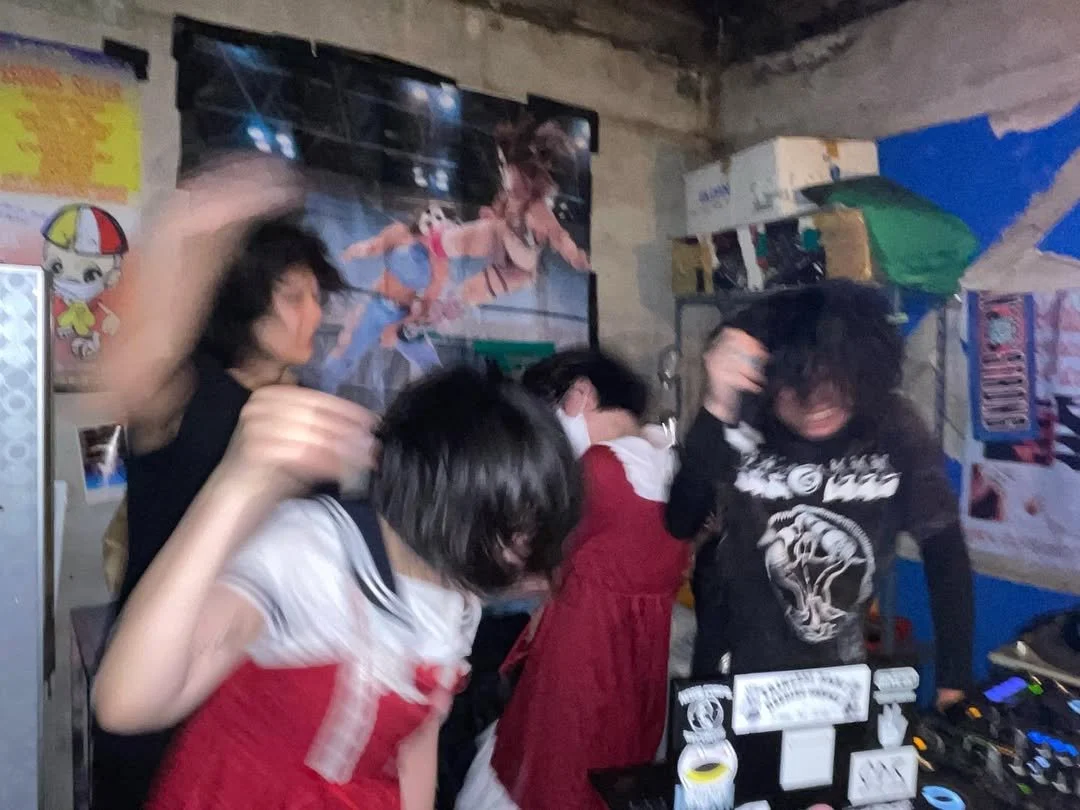
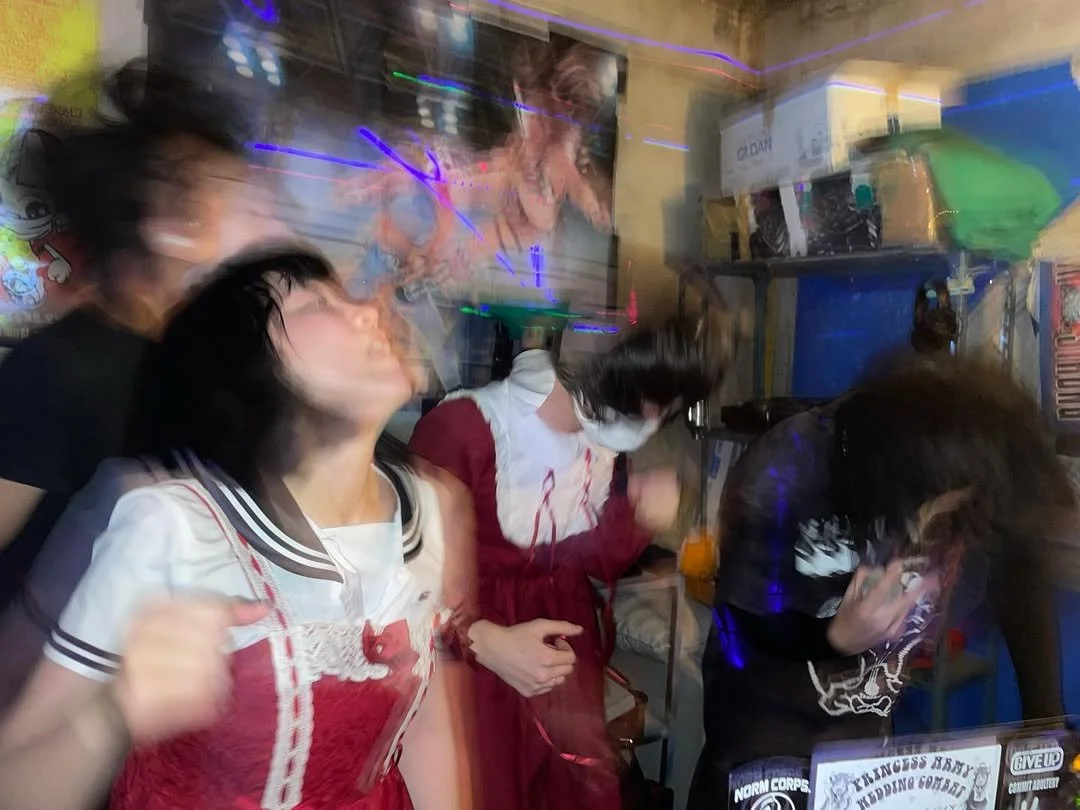
Doki Doki Torture Club formed in 2021, rooted in online scenes connected to harsh noise, breakcore, and global internet-based net-label culture. The goal was to bring that same intensity into physical space within Seoul.
Operating mainly in Euljiro, their events are built around speed, volume, and density, with sound that is intentionally overwhelming. Their visual references draw from early internet aesthetics and otaku culture, maintaining a direct connection to the online environments they emerged from.
The project remains focused on sustaining that raw energy without adapting to broader expectations, keeping a direct line between digital subculture and physical experience.
Soundsupply_Service
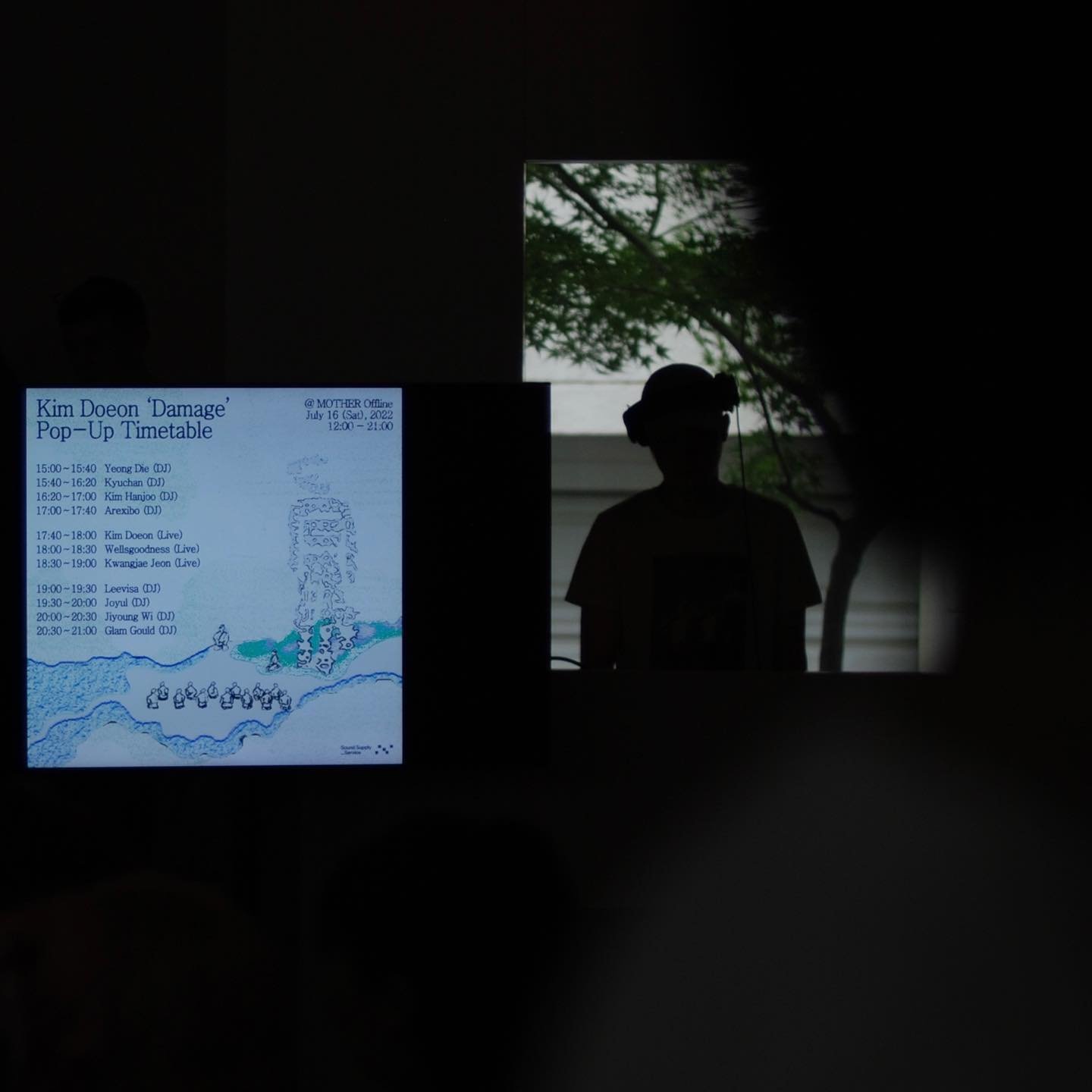
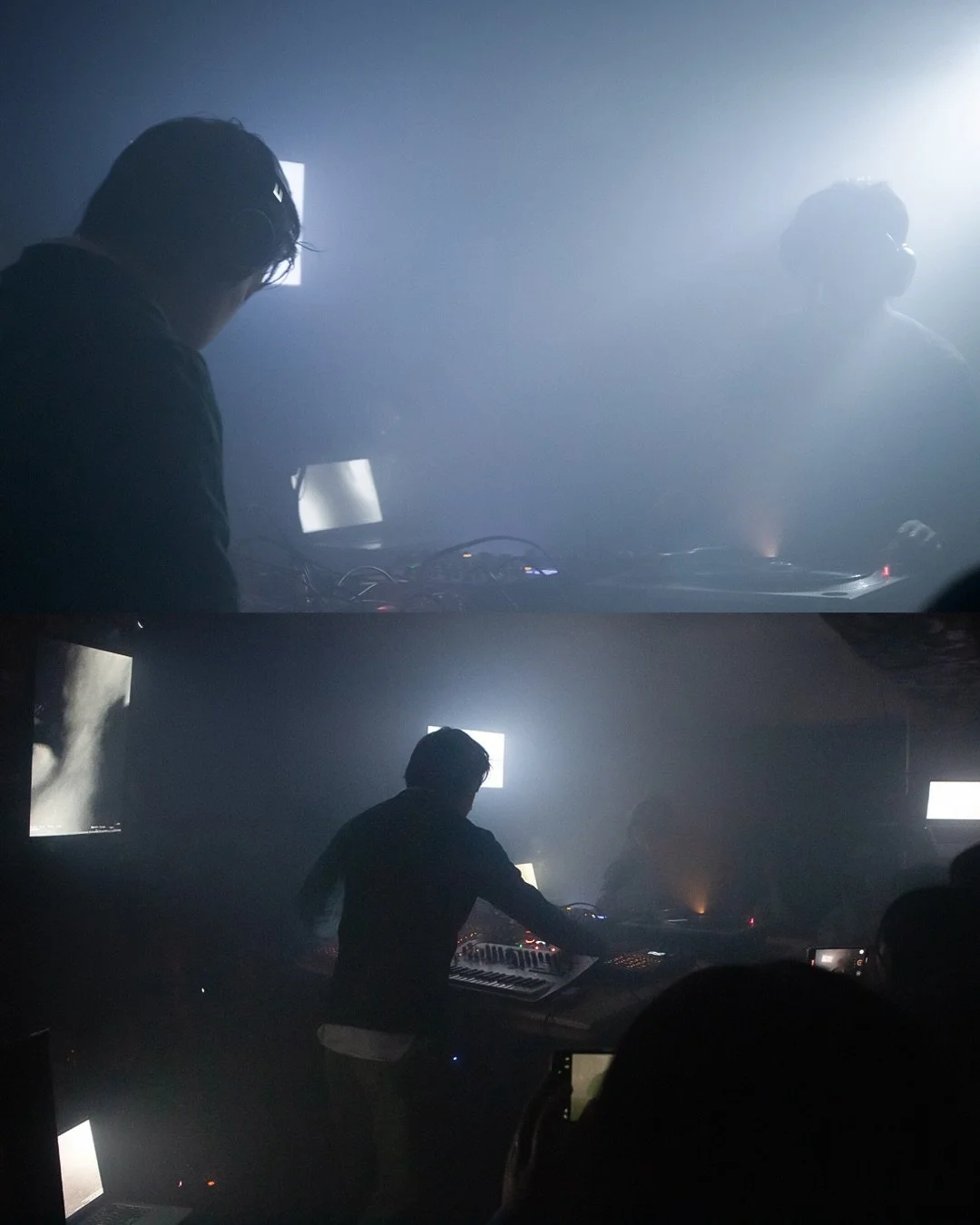
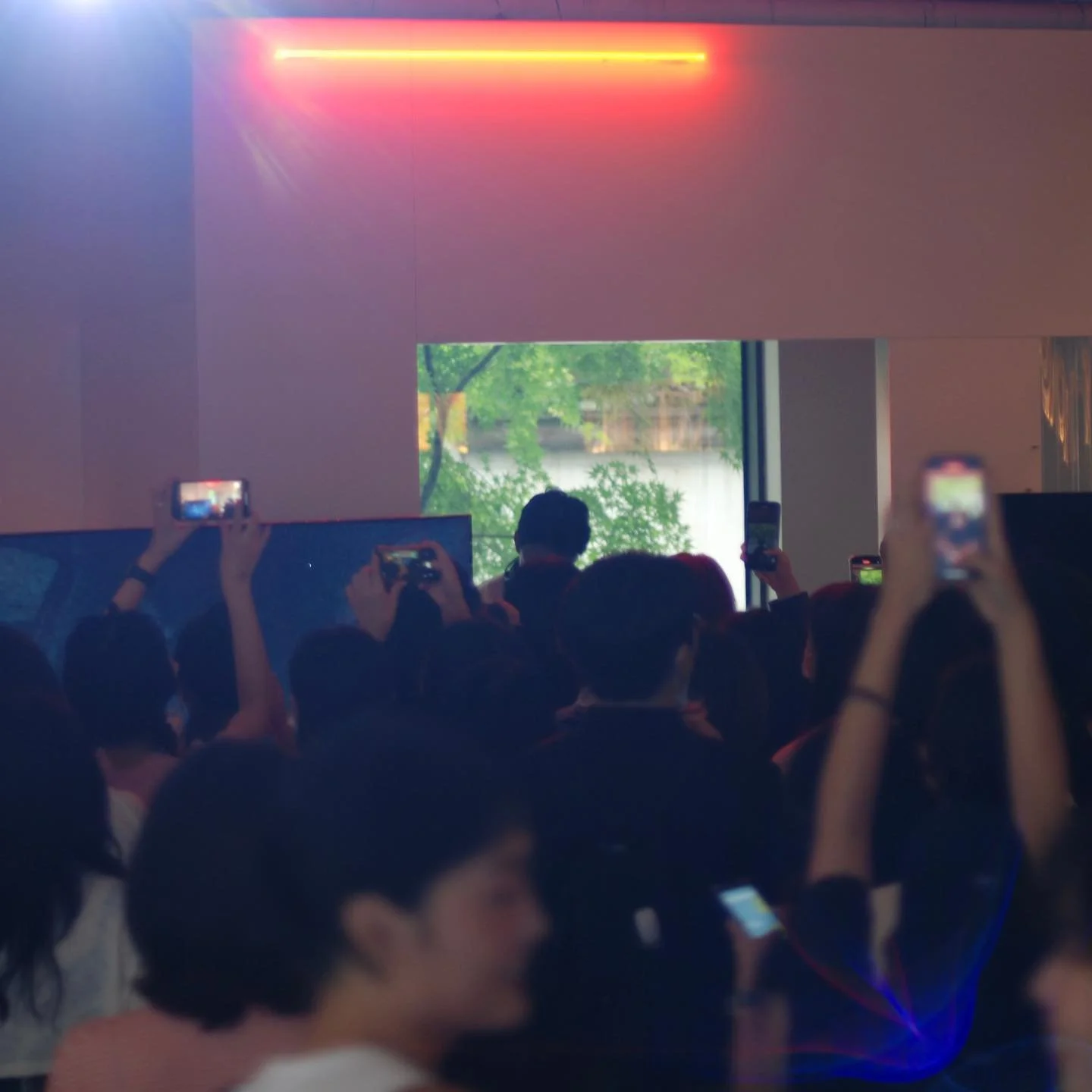
Soundsupply_Service operates as an organizing and distribution point within Seoul’s underground, focusing on how sound, artists, and communities circulate rather than fixing itself to a single identity or format. Their work moves through event curation, lineup building, and ongoing collaboration, connecting different parts of the scene while maintaining continuity across projects.
Instead of anchoring to one venue, they shift across locations depending on context, working with a range of spaces and contributors. Their role becomes visible through repetition and presence, bringing together artists across different pockets of the scene and allowing those interactions to build over time.
Their approach centers on maintaining flow, between DJs, audiences, and spaces, keeping momentum within the scene through consistent activity rather than isolated events.
SOAR
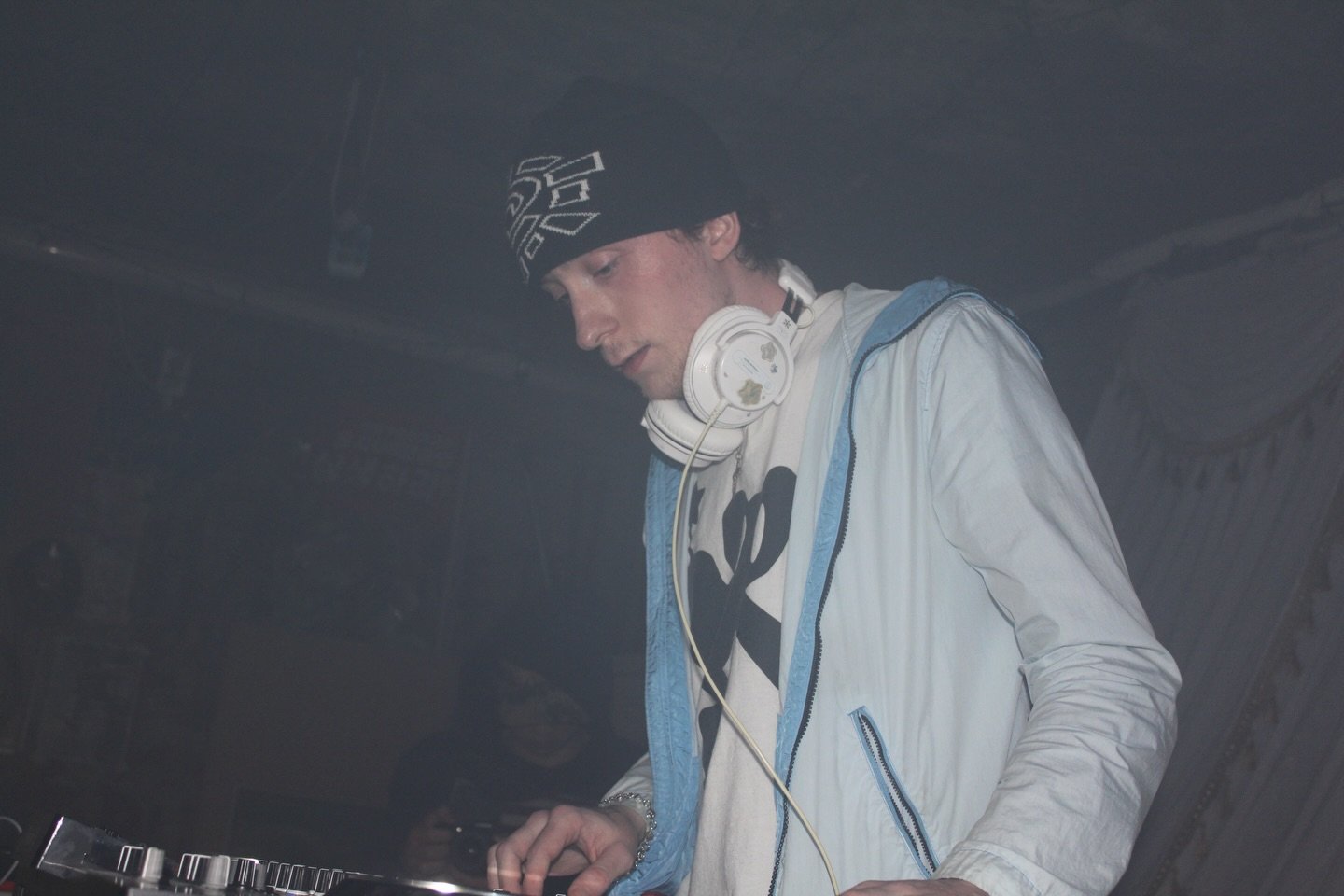
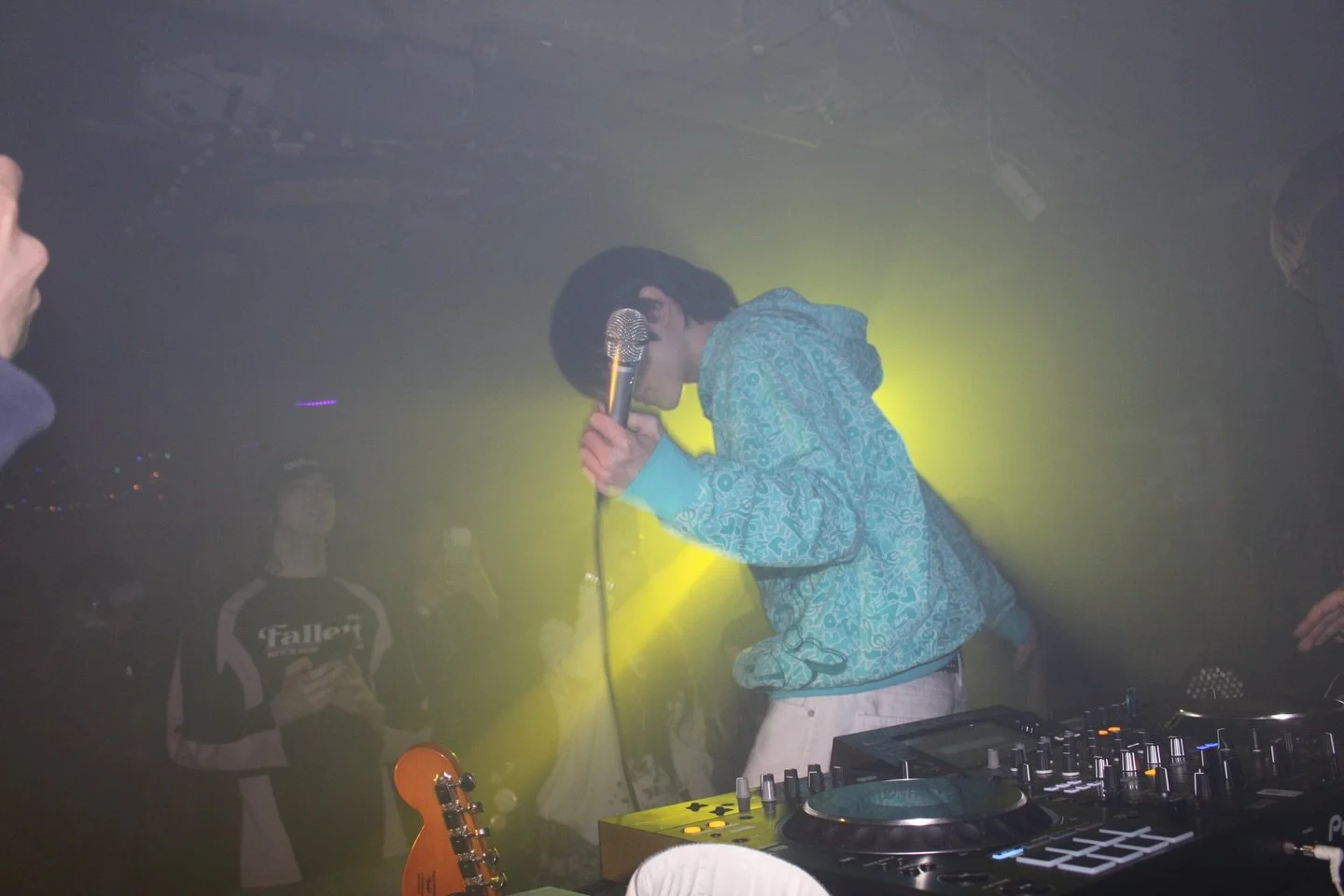
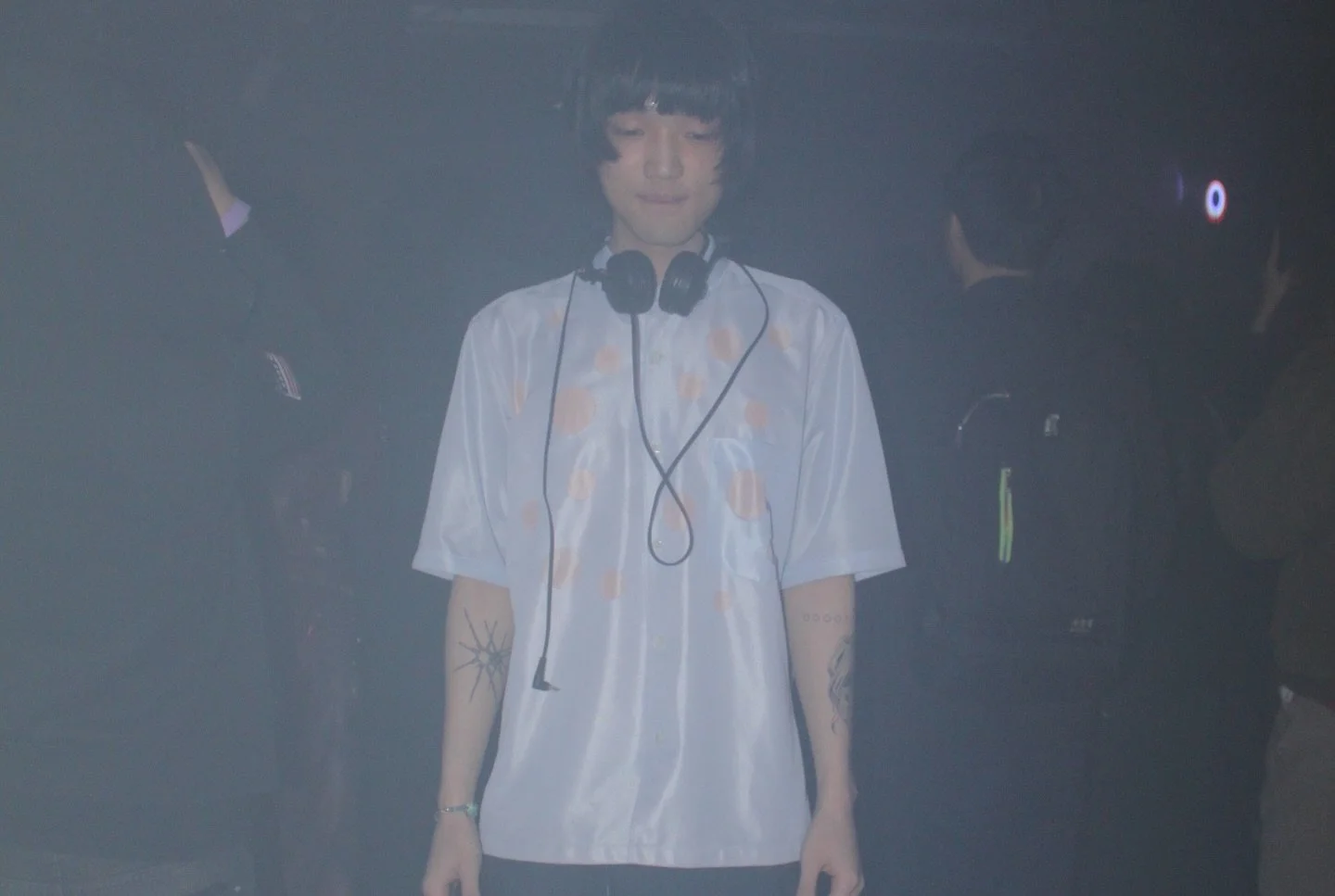
SOAR began from a single independently organized event in March, when its founder booked Azrel, a Japan-based producer and DJ they had been following. That first event was self-organized out of necessity and led to continuing the project.
The core idea is to introduce unfamiliar music into Seoul’s club environment, giving audiences what the founder describes as a “fresh shock.” The focus extends beyond sound into atmosphere, bringing together emerging artists and shaping each event as a distinct experience.
SOAR has worked across venues like ACS, Cakeshop, and upcoming events at Pistil, adapting each event to the space. The atmosphere shifts depending on the venue, with each location shaping the energy differently.
The sound moves freely, from ambient to euphoric and intense club music, often carrying a floating emotional quality. Visually, the project draws heavily from video game aesthetics, including winged female knights, armored figures, and mechanical characters.
There is also a direct connection to game design. Sider7777, who contributed to early planning, developed a game featuring the knight character used in SOAR visuals. The collective has used this game’s leaderboard system for ticket events, and artist tracks have appeared as in-game background music.
Each event is structured like entering a new level, a new world built through sound and visuals.
Their vision for Seoul is simple: more openness to new sounds, more willingness from venues to embrace experimentation alongside existing genre-focused spaces.
Together, these collectives reflect a city in motion, where culture is built through ongoing activity, shared spaces, and the continuous exchange of ideas shaping how Seoul’s underground evolves.
About the Author:
Abeer Salah is a Seoul-based editor, writer, and cultural curator exploring emerging scenes, underground culture, and internet-born subcultures. She is the founder of the collective P.T.S.D.