Underground Is the New Mainstream: How Niche Culture Took Over
For the first time since 1990, no mainstream rap songs appeared in the Billboard Hot 100’s Top 40. The statistic arrives at a moment when hip-hop’s influence still dominates fashion, internet aesthetics, and youth culture worldwide, yet traditional charts increasingly struggle to capture how cultural momentum now spreads. A strange paradox defines the current landscape, where culture has reached a point at which everyone seems to be trying to out-niche each other at the same time.
What once defined underground scenes now moves through algorithmic feeds where obscure references travel globally within hours, creating an environment where the boundary between underground and mainstream grows increasingly unstable. Scenes expand through platforms as opposed to geography, circulating through timelines, comment sections, and recommendation systems that accelerate the movement of sounds, aesthetics, and ideas far beyond the communities that first produced them.
Generation Z and the Cultural Currency of Niche
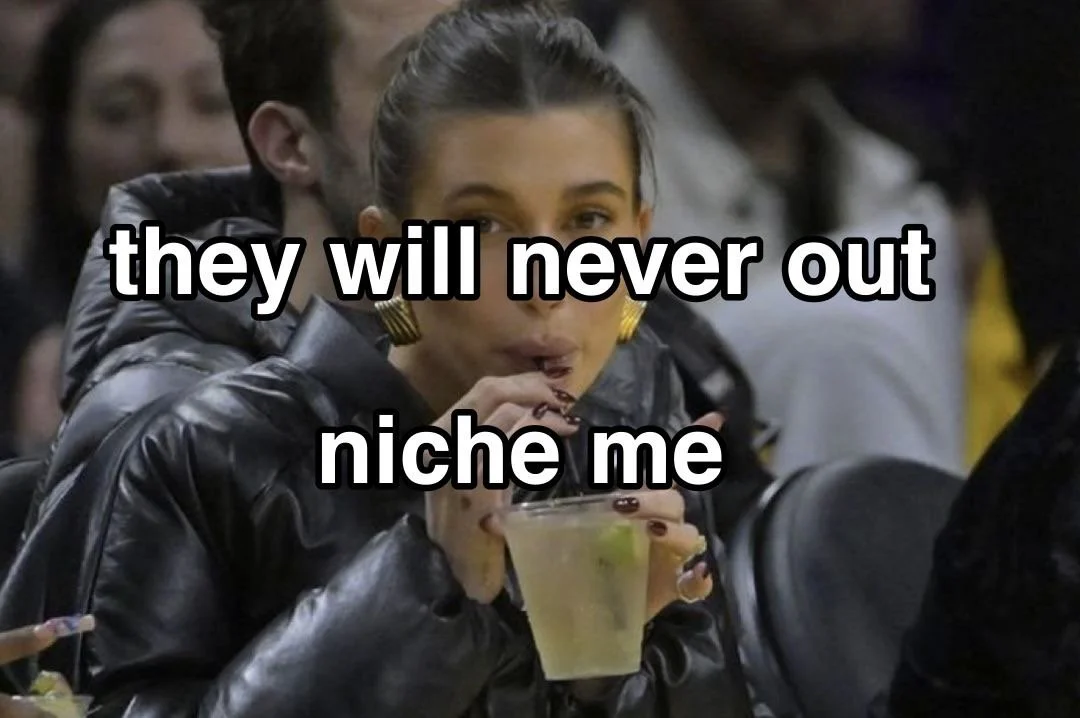
Across timelines and comment sections, niche knowledge has quietly become a form of cultural capital with memes built around phrases like “you can’t out-niche me,” “niche references,” or reactions such as “holy niche knowledge” that appear under posts that test how obscure someone’s cultural awareness can get. These jokes are often seen on “underground music iceberg” charts, where artists are ranked by levels of obscurity, turning comment sections into informal competitions over who recognizes the deepest layer. What appears casual on the surface reveals something deeper about how cultural participation now operates online, where recognizing increasingly specific references signals belonging within particular micro-scenes.
This behavior reflects a broader shift in how younger audiences interact with culture as discovery becomes a form of identity performance. Instead of rallying around a single mainstream canon, attention moves through smaller clusters of references where familiarity with particular artists, aesthetics, or sounds signals proximity to a scene. Hyper-specific jokes operate almost as coded language between communities that understand the same signals, allowing recognition itself to function as cultural currency.
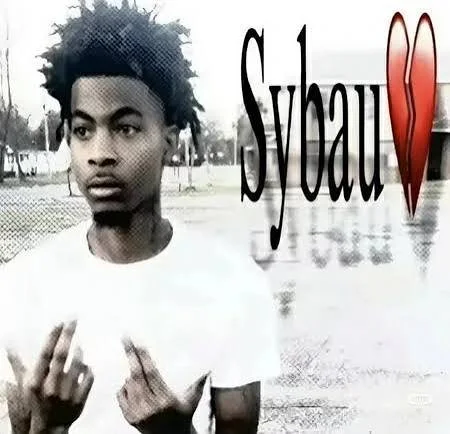
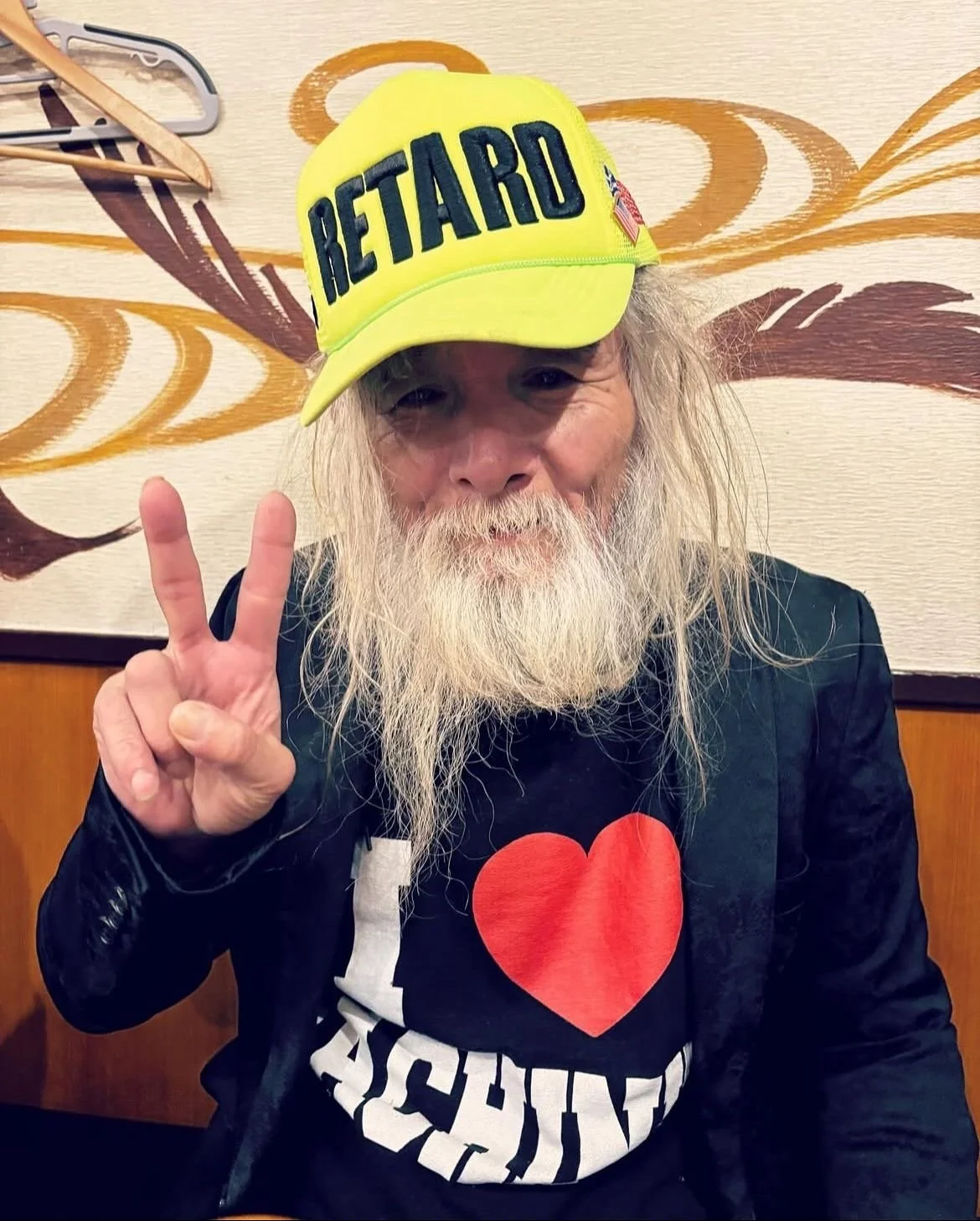
Short-form platforms accelerate this dynamic because sounds, images, and references circulate together inside the same visual environment. A track can emerge inside a relatively small online scene and quickly appear across thousands of short clips, where repetition embeds the sound into everyday scrolling. Songs such as Jeans by 2hollis now drift through Instagram reels attached to meme edits and fashion posts, while LV Sandals by Esdeekid, Fakemink, and Rico Ace spreads across TikTok, where users film dance clips and fit checks around the track, allowing the music to travel through visual culture as the same sounds repeat across thousands of posts. At the same time, underground figures are exposed daily to wider audiences through meme circulation, with artists like Lazer Dim 700 going viral through memes like “sybau,” while figures such as Joeyy and Fujimoto-san increasingly appear across meme edits and timeline jokes that push niche scenes into broader visibility.

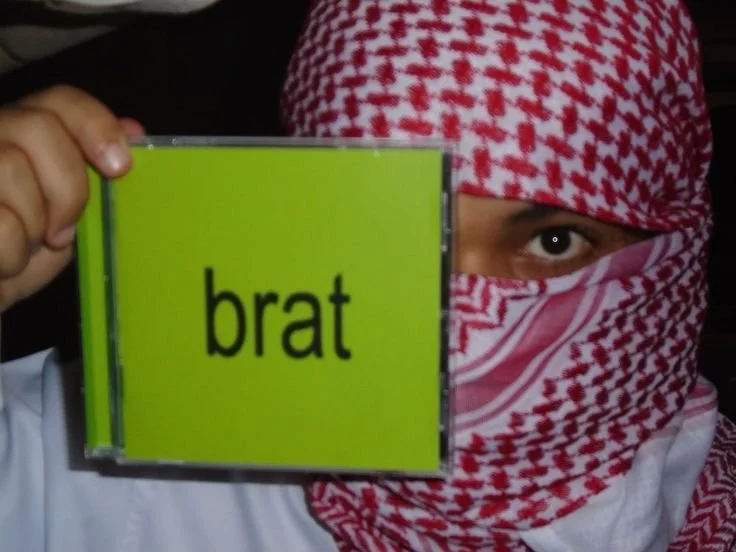
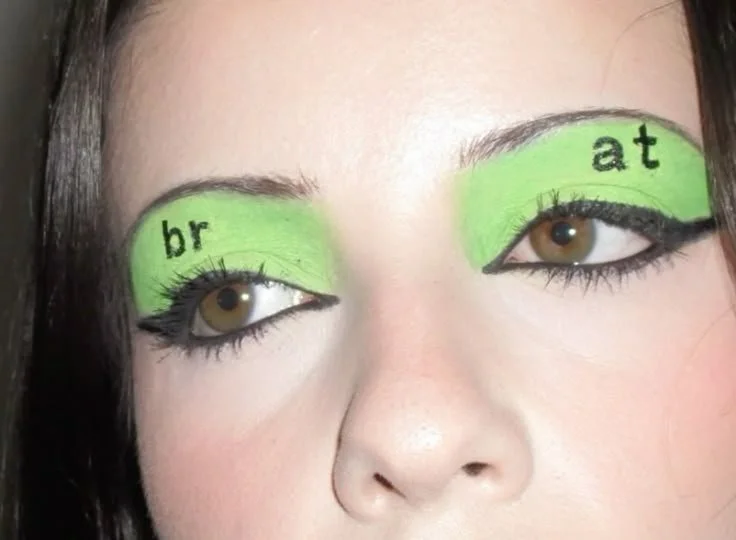
Streaming services reinforce this process by continuously mapping listening habits and feeding increasingly personalized recommendations, with Spotify generating song radios, automated playlists, and artist-curated lists that guide listeners deeper into specific stylistic pockets. A single track can branch into dozens of adjacent discoveries as recommendation systems assemble highly individualized listening environments, producing audiences that inhabit entirely different musical ecosystems while using the same platform. Within this fractured landscape, songs can quietly build momentum inside tightly connected listening networks before suddenly appearing everywhere at once, a pattern visible in how Oklou’s choke enough spread rapidly across charts and timelines, while the viral momentum surrounding Charli XCX’s Brat illustrates how algorithmic circulation through niche communities can propel a project into broad cultural visibility.
Moments of visibility can also arrive through unexpected amplifiers that extend underground scenes into broader attention. One early example appeared when Drake brought out Fakemink Wireless Festival in 2025, a moment that pushed the previously underground artist into wider visibility and quickly circulated across timelines, eventually placing him in rooms with figures like Frank Ocean. Similar attention shifts occur through cultural co-signs from K-pop idols like aespa to when North West publicly supported underground rappers, including Che, OsamaSon, Nettspend, and 2Slimey, these gestures spread instantly through timelines and reposts, bringing new listeners toward artists who previously circulated mostly within niche internet communities while reinforcing how cultural signals now travel through networks of attention instead of traditional promotional channels. Streaming culture adds another layer to this circulation as creators like Plaqueboymax introduce underground figures to massive live audiences, bringing artists such as Xaviersobased and Fakemink to millions of viewers and demonstrating how scenes now travel through networks of attention rather than traditional promotional channels.
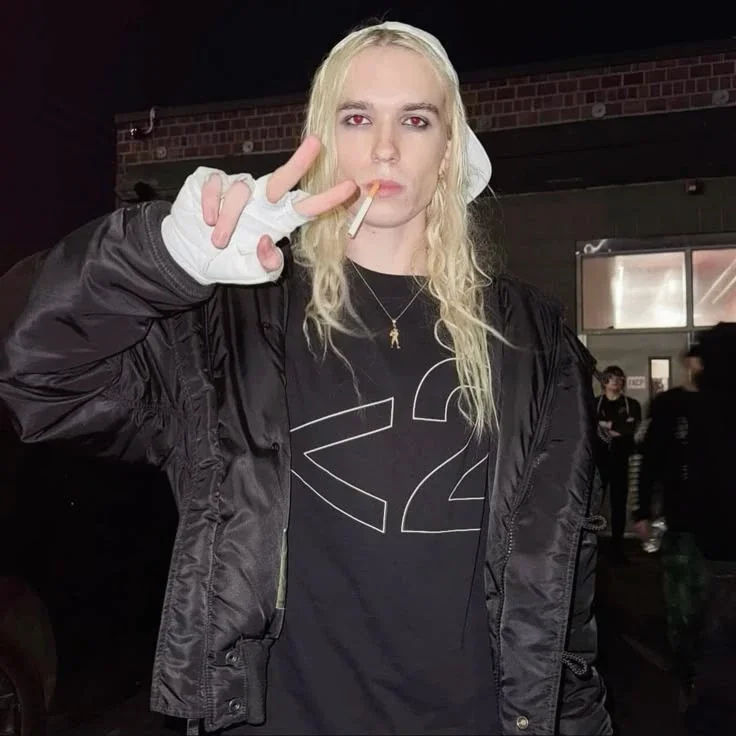
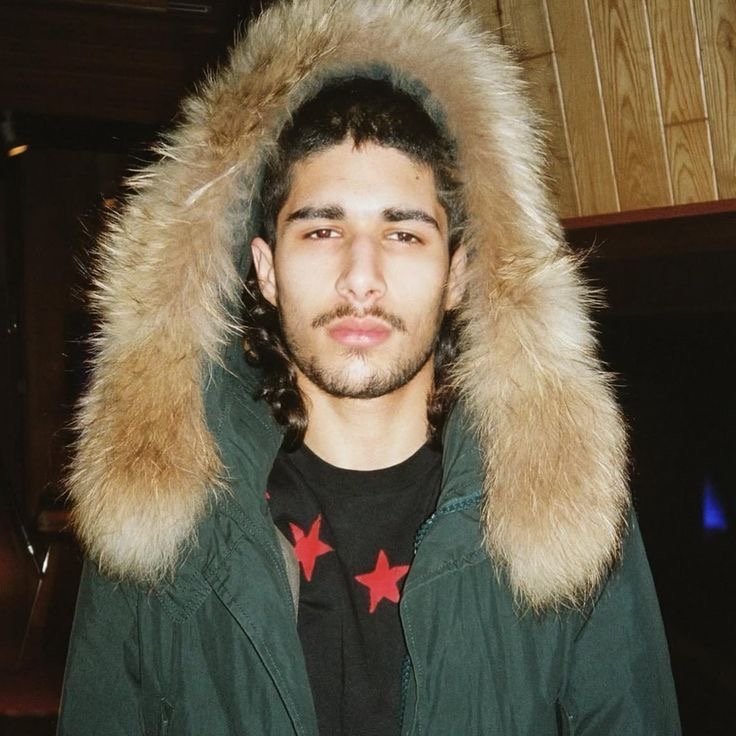
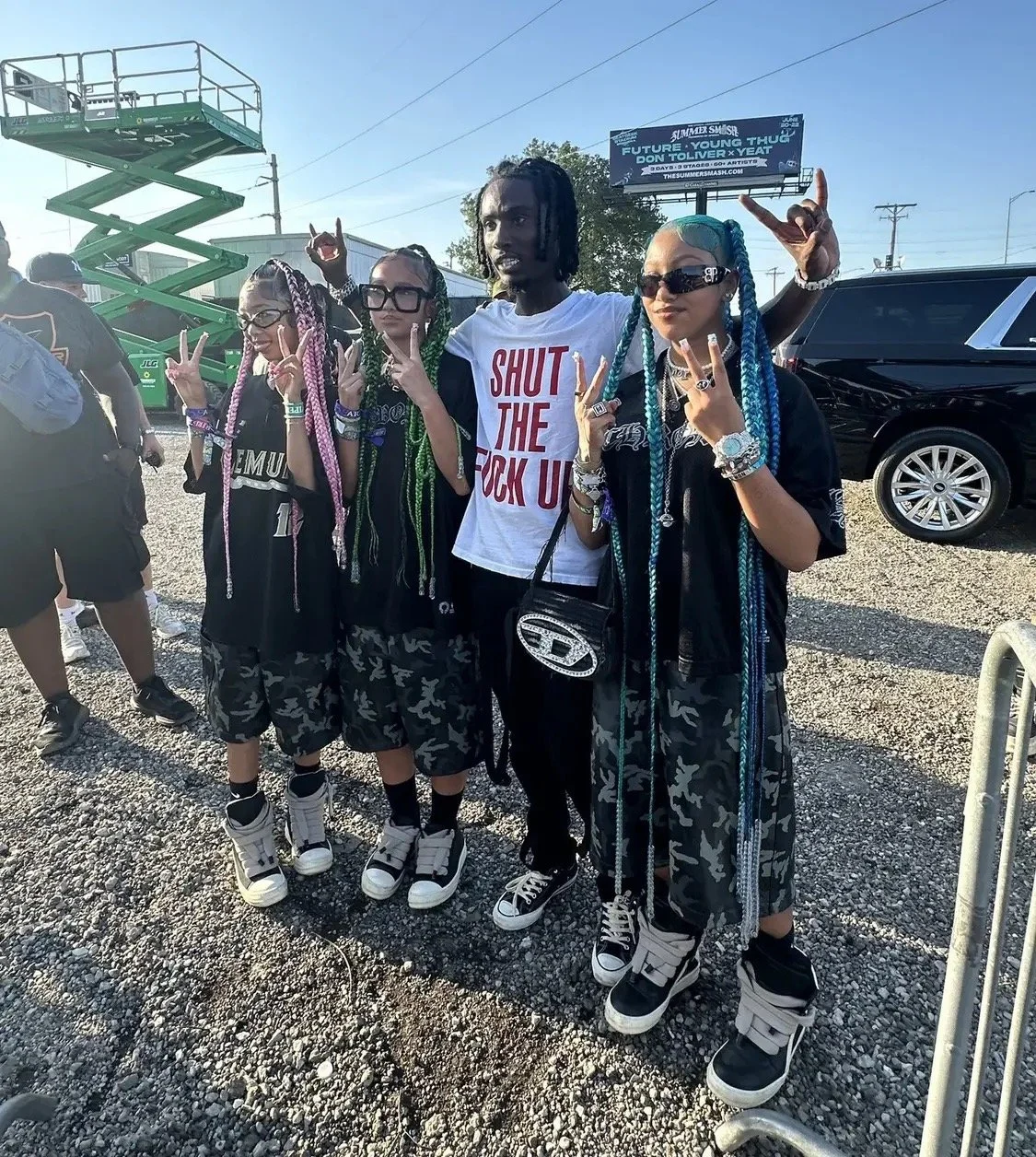
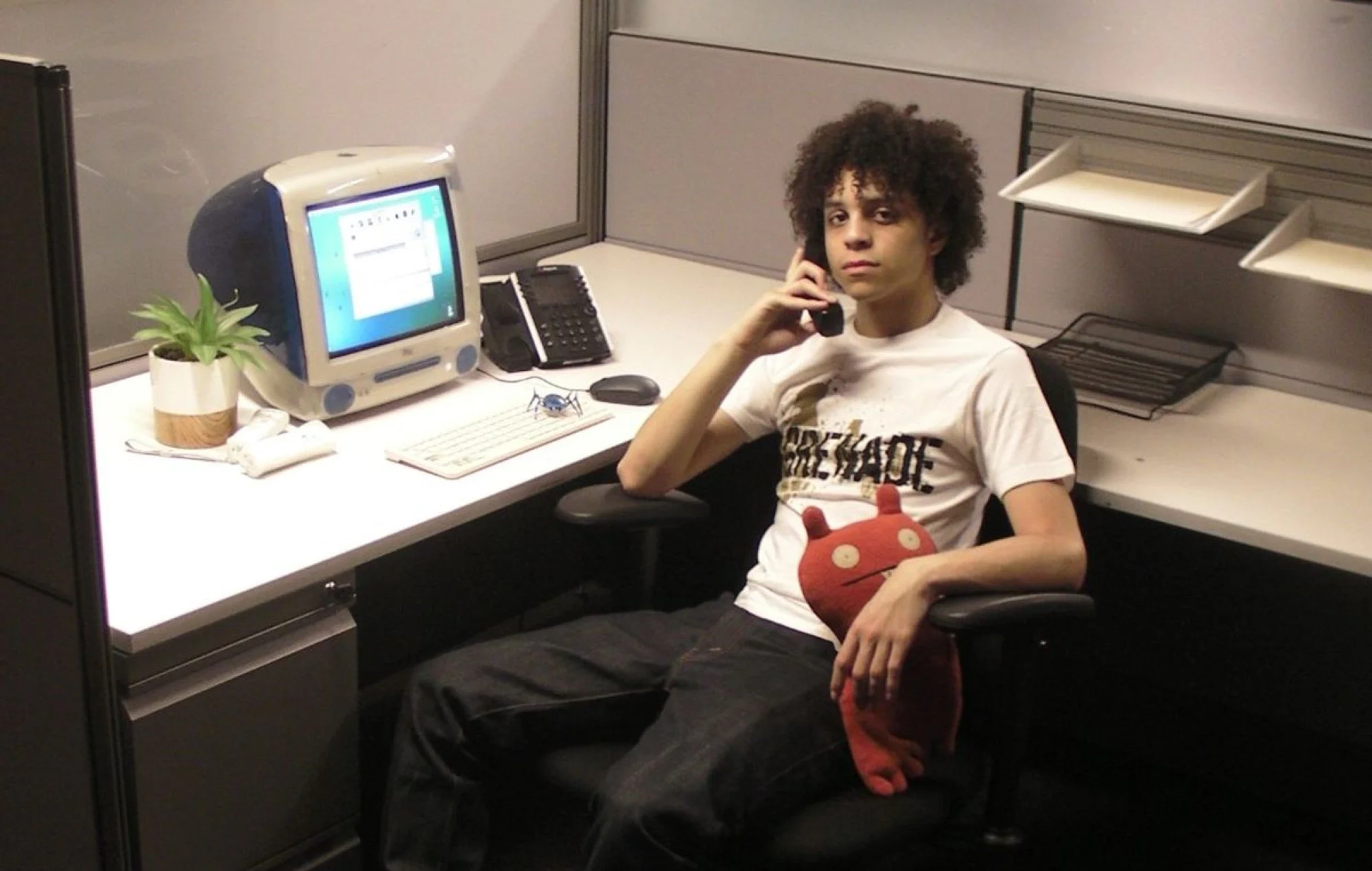
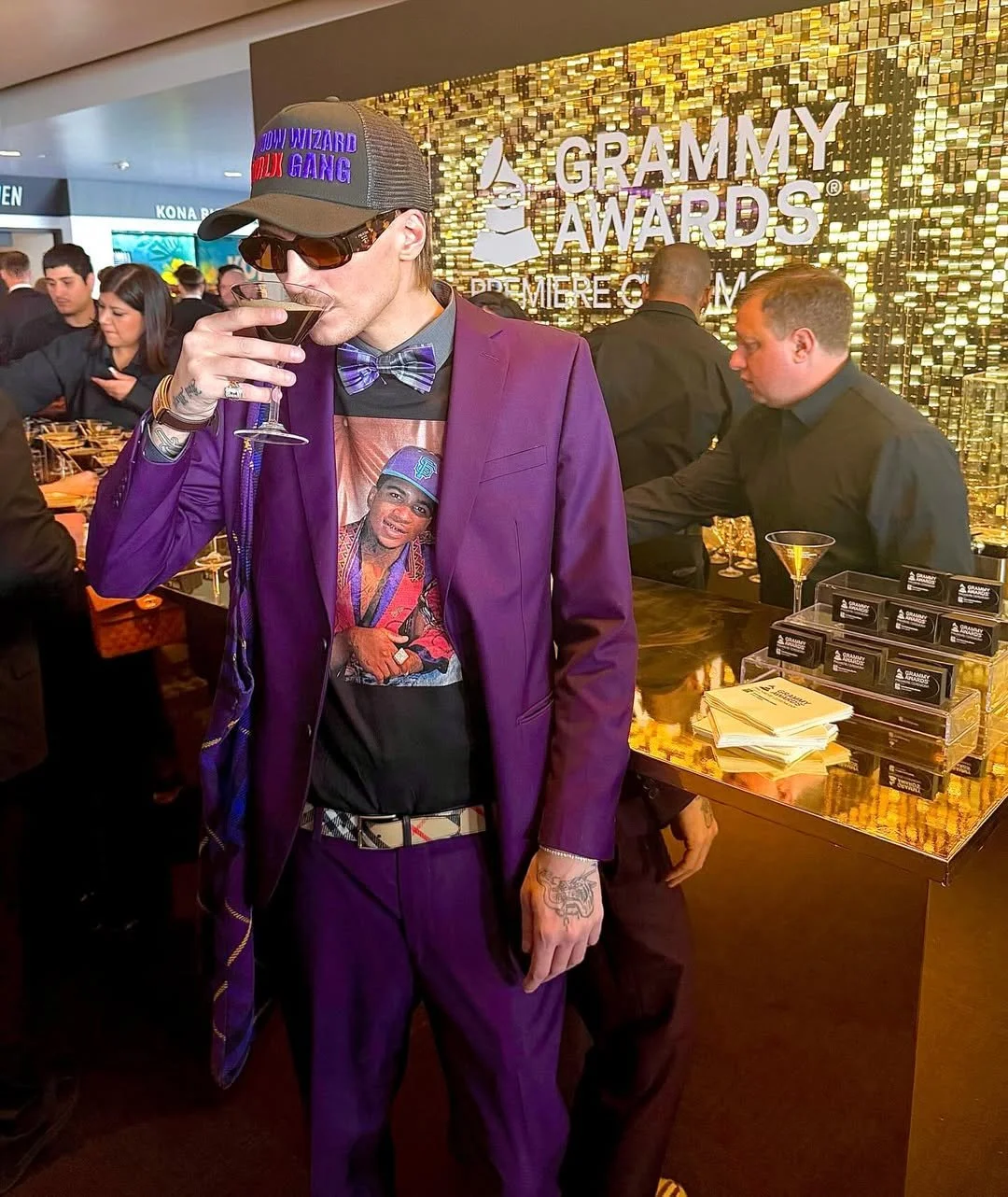
Even established producers now move directly into these ecosystems, as Skrillex collaborated across the album Fuck U Skrillex You Think Ur Andy Warhol but Ur Not!! with underground names including Swedem, DJ Smokey, Shadow Wizard Money Gang, and Whitearmor, moments that signal how the boundaries between underground and global recognition continue to dissolve as these collaborations push niche scenes toward wider visibility, even landing the project multiple Grammy Award nominations, including Best Dance/Electronic Album.
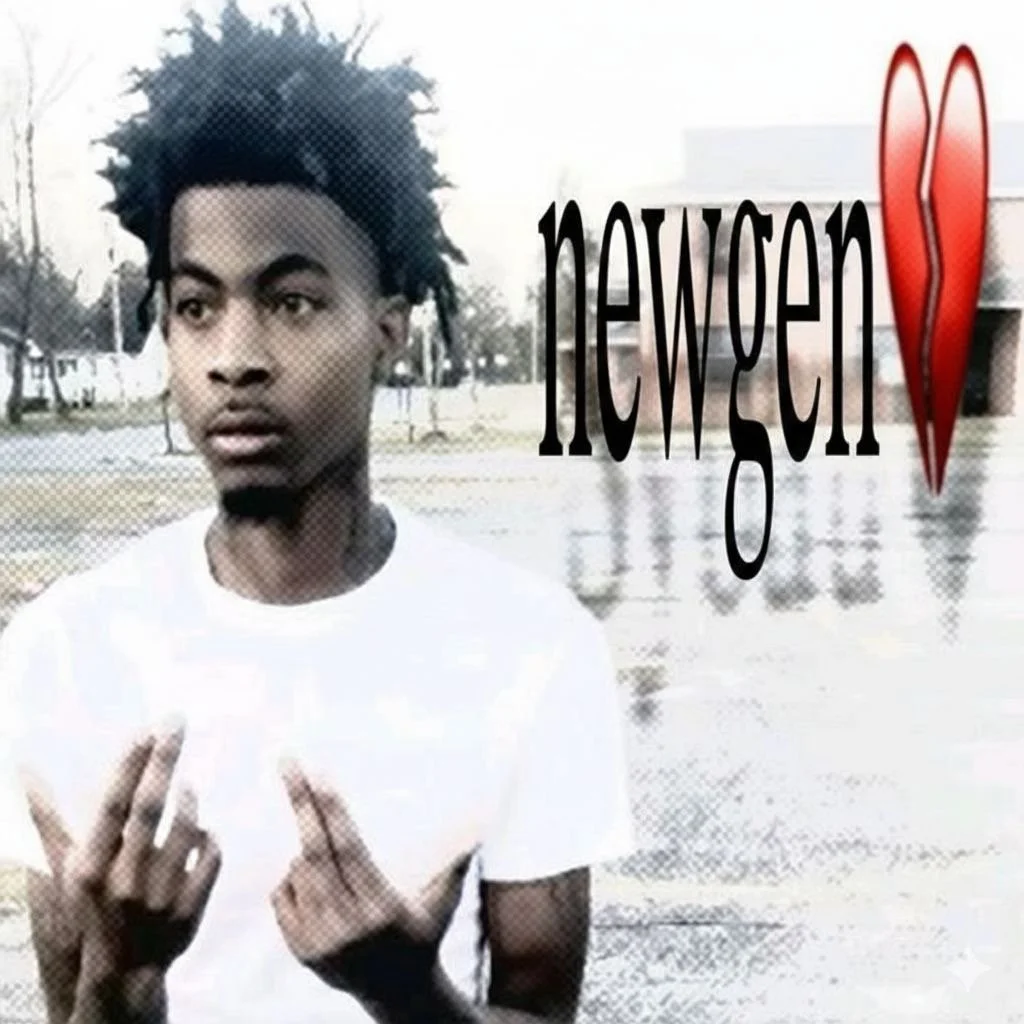
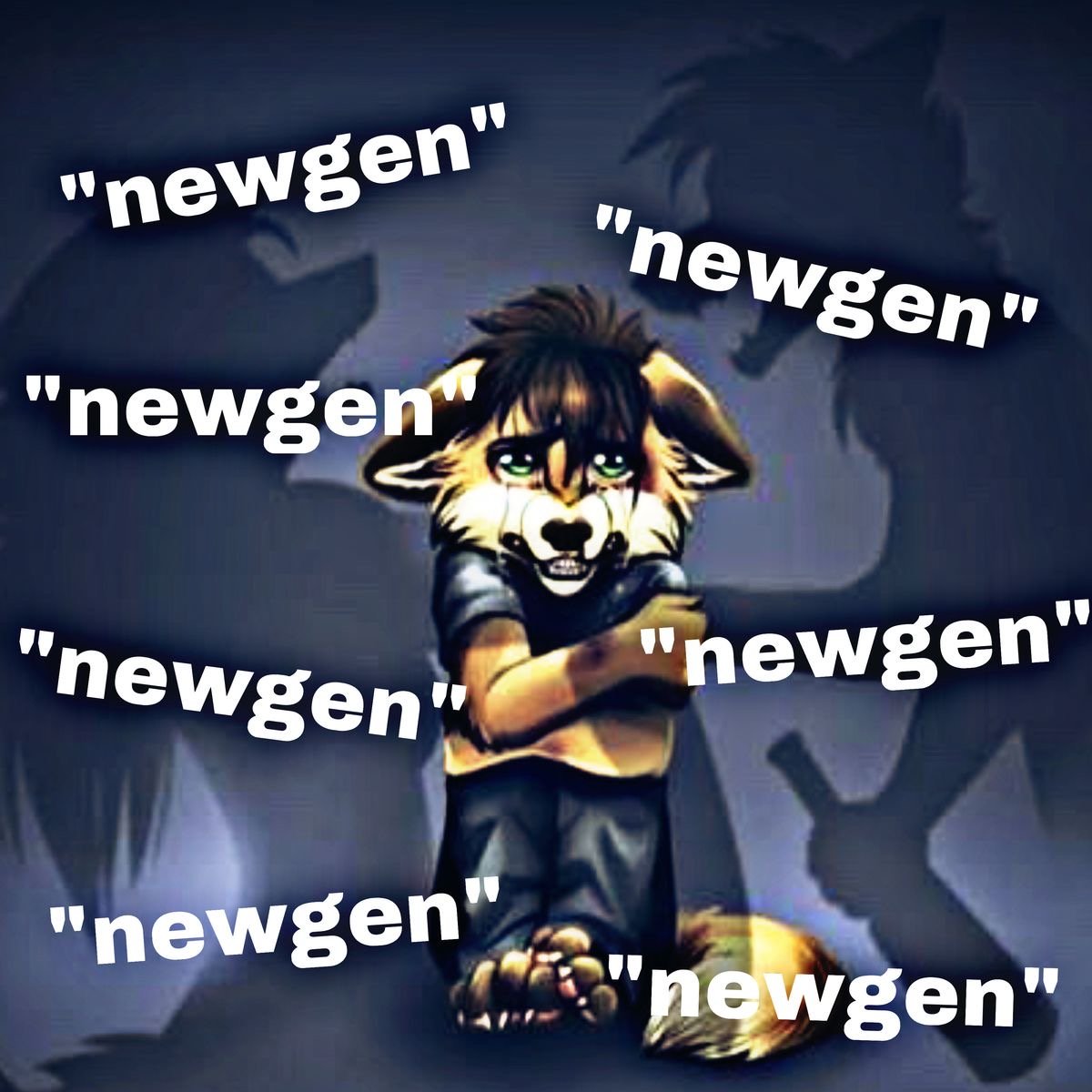
This logic also appears in what online communities have begun calling the “Newgen discourse,” a recurring argument across comment sections that revolves around who counts as genuinely part of a scene and who arrived after it gained visibility. Under nearly every Instagram post from artists like Esdeekid, comment sections quickly fill with users calling one another “newgens,” accusing others of discovering the music too late or through algorithmic exposure as opposed to through earlier underground circulation. The accusation operates as a form of cultural gatekeeping where longevity and early recognition function as proof of authenticity. What looks like casual internet banter reveals a deeper tension within digitally accelerated scenes, where music spreads rapidly through platforms while communities simultaneously attempt to preserve a sense of insider identity.
The Digital Afterlife of Subcultural Aesthetics
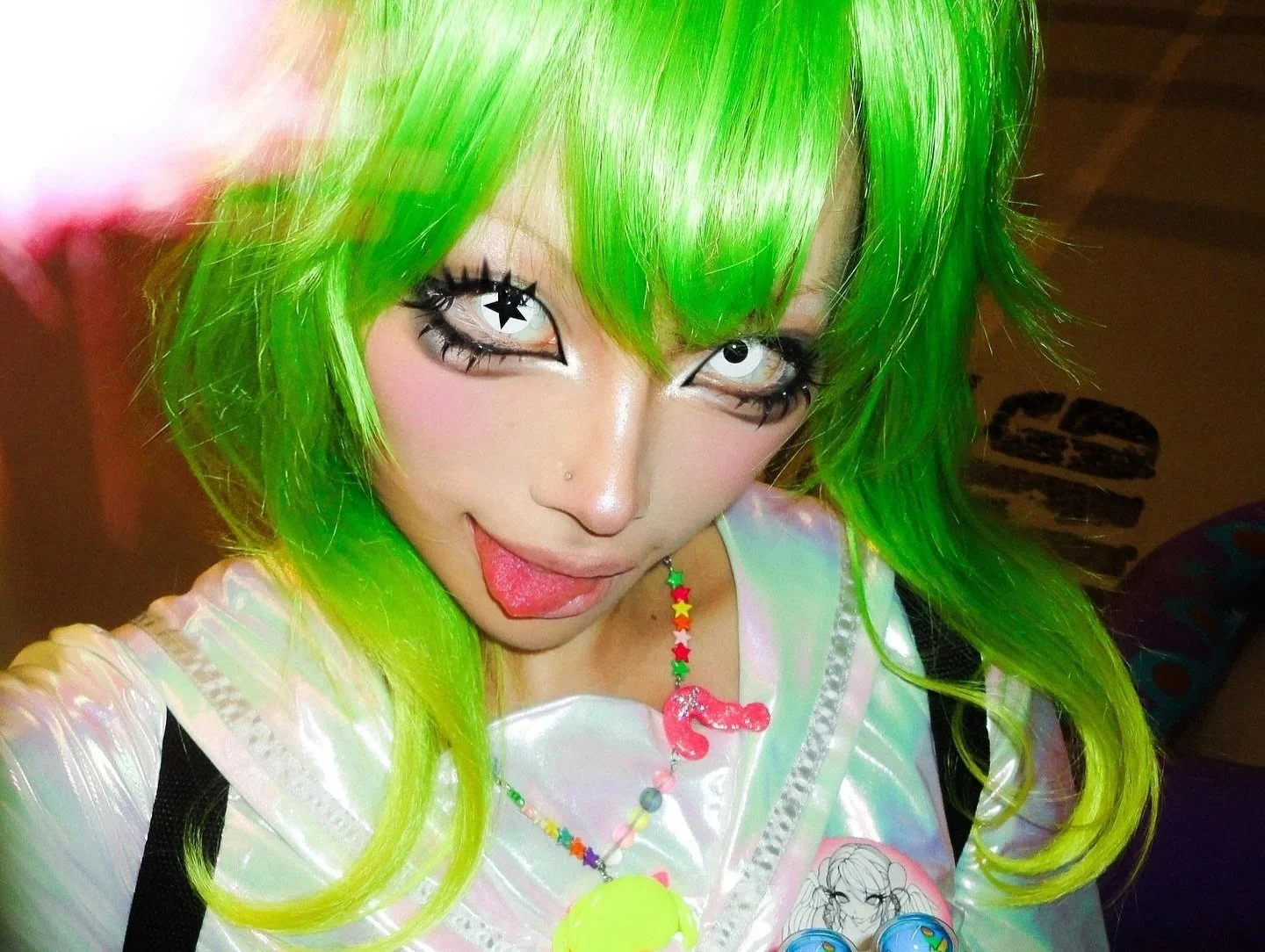
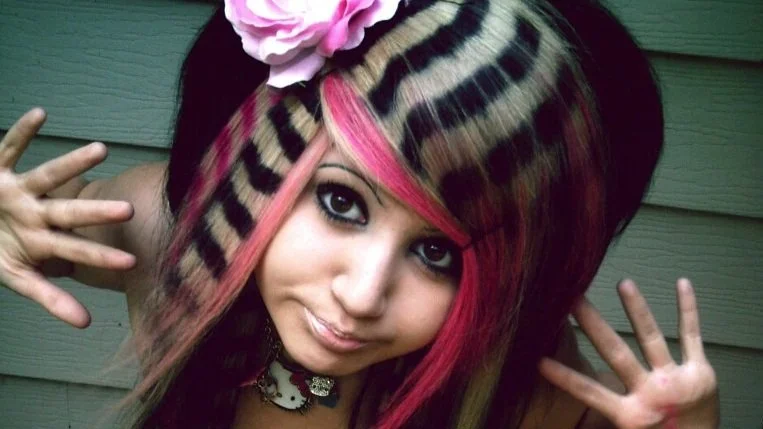
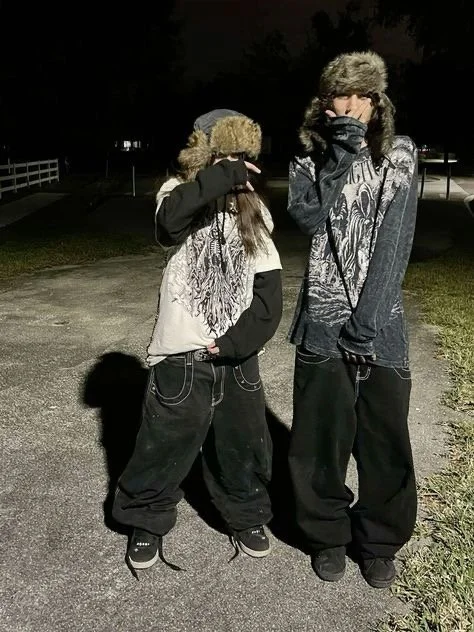
Anyone who has opened Pinterest recently has likely encountered the same aesthetic loop circulating through mood boards and styling guides where oversized pants, layered belt tutorials, fur hats, and washed-out digicam photography appear across endless outfit references tied to underground music scenes. What once existed within small fashion communities or niche internet circles now spreads rapidly through curated boards where users collect fragments of style and reconstruct them into personal formulas. Fast fashion platforms have also quickly adapted to this circulation as well, with sites like Shein and AliExpress rapidly reproducing these “edgy” aesthetics and even organizing dedicated sections aimed at Gen Z consumers, turning underground visual codes into purchasable trends almost as quickly as they appear online.
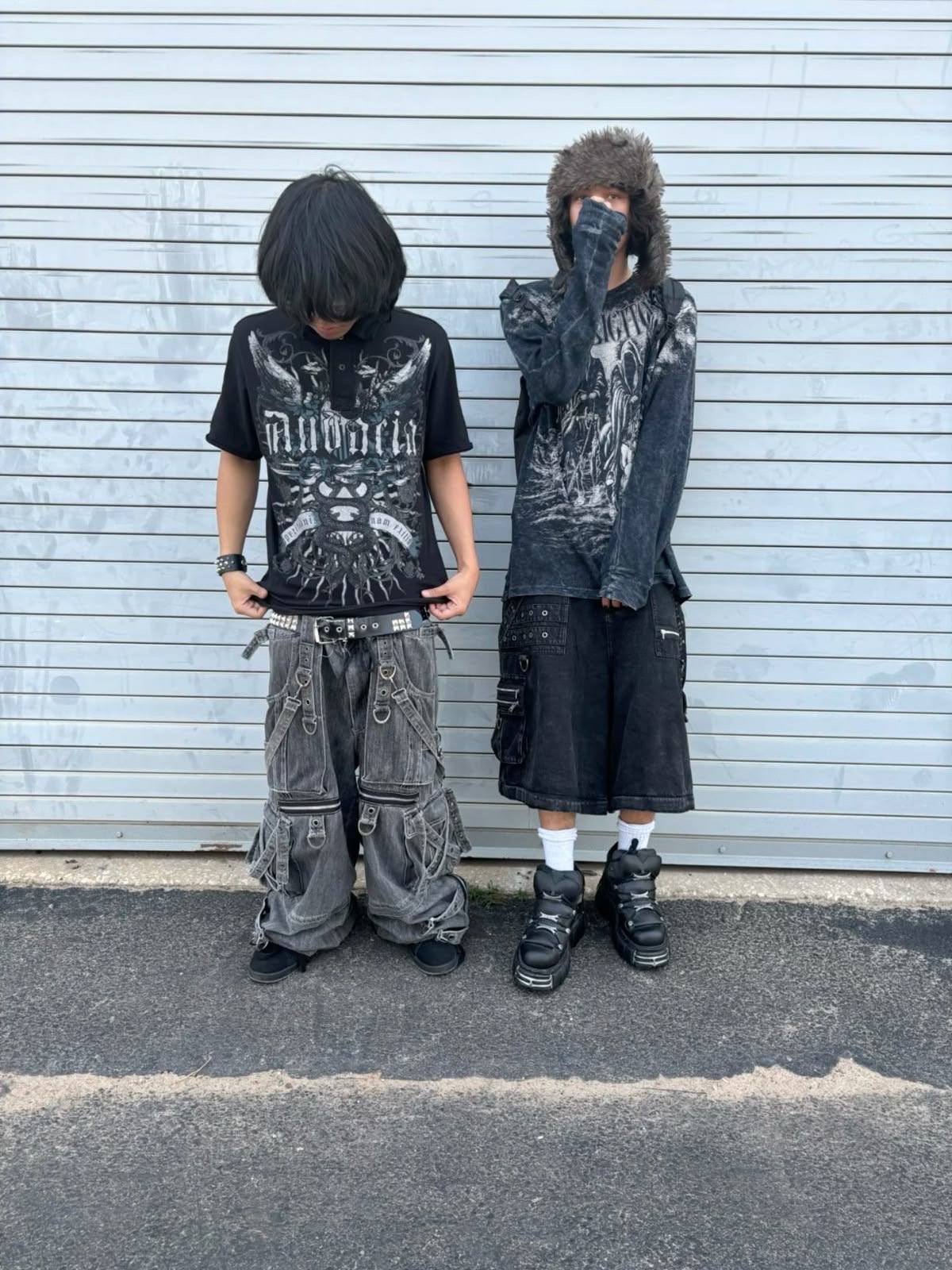
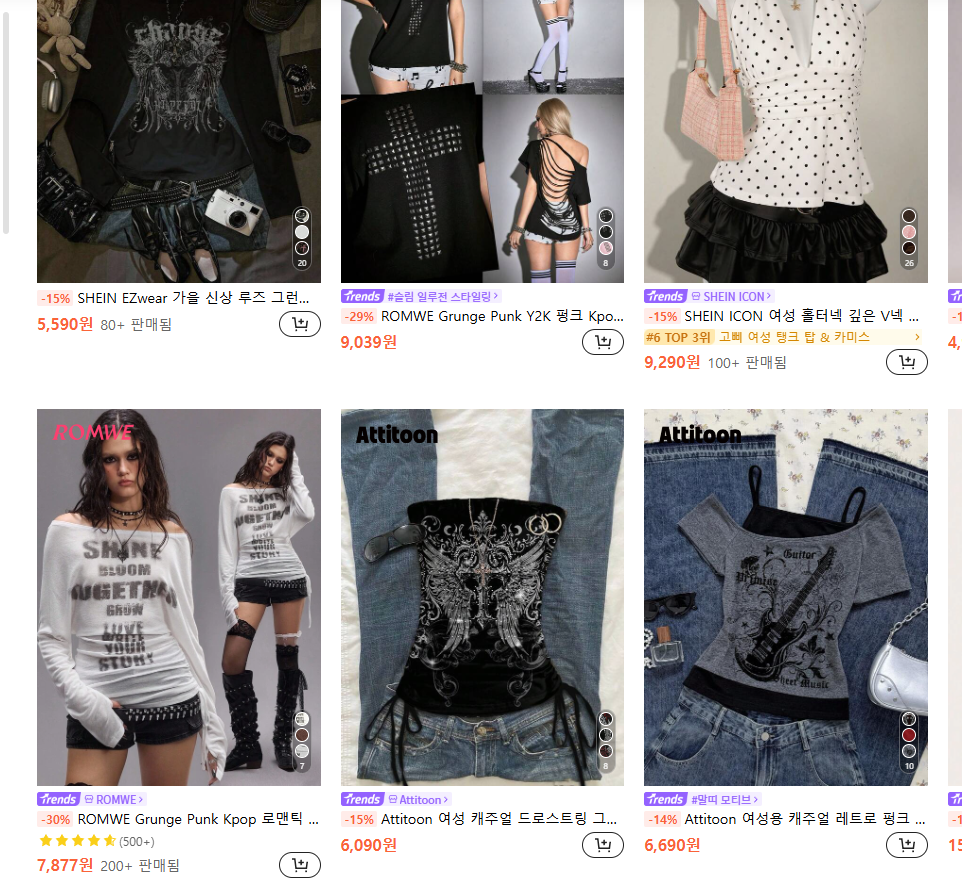
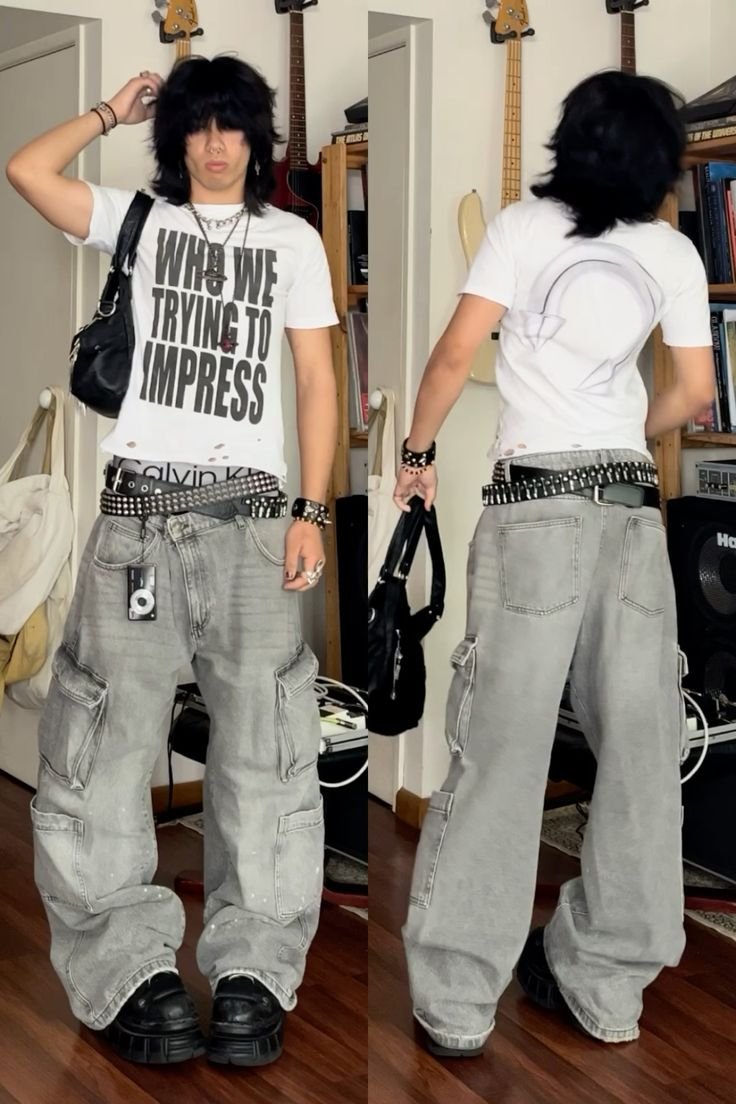
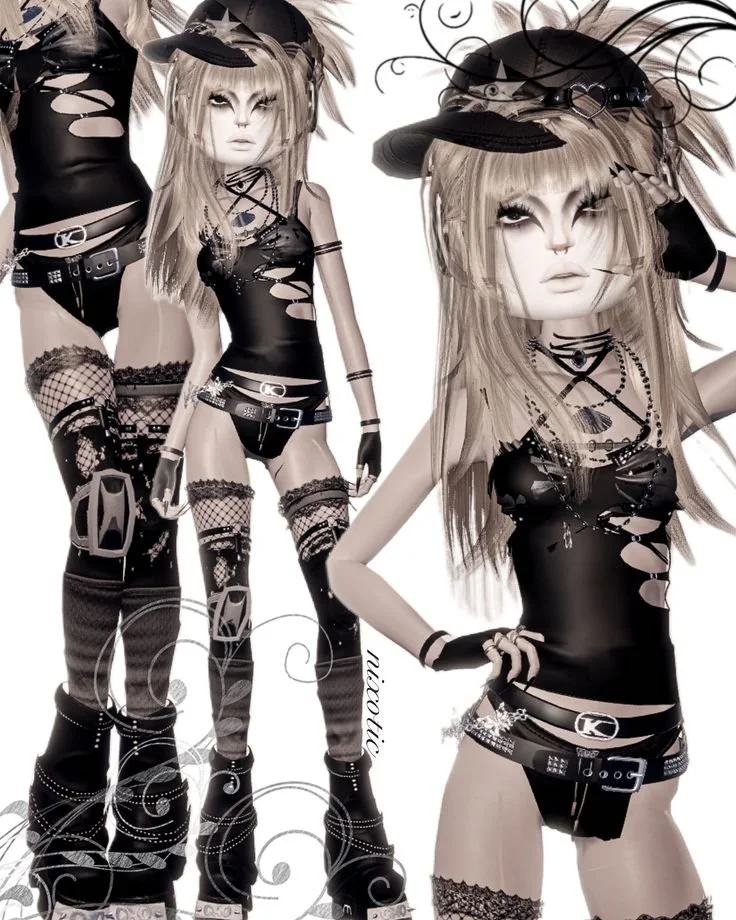
The speed of this circulation becomes especially visible in digital environments where younger audiences reinterpret underground aesthetics through virtual identity. On platforms like Roblox, avatars increasingly appear styled in oversized silhouettes, alternative outfits, and layered accessories that mirror the same underground fashion references circulating across social media. Elements associated with Discord e-girl and e-boy aesthetics, alongside broader alternative internet style, have begun shaping how younger users construct their avatars, which reveals how quickly stylistic signals move across platforms until even virtual spaces begin reflecting the same underground influences shaping contemporary fashion culture.
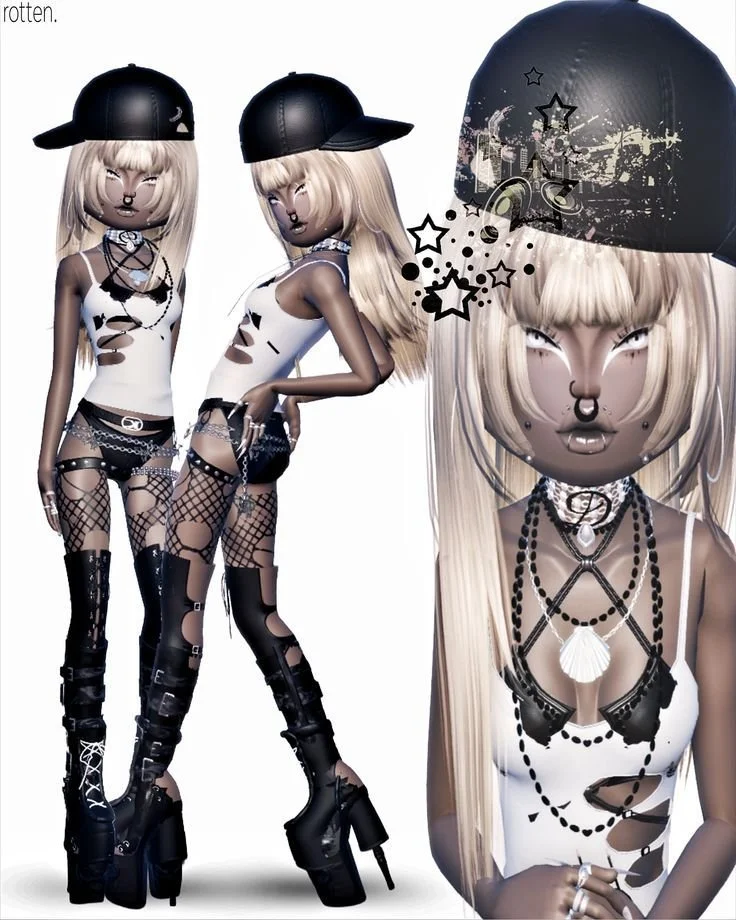
Subcultures may circulate globally now, yet the aesthetics themselves still tend to originate within specific urban environments that function almost like informal research labs for style. Cities such as Tokyo and London continue to produce distinct aesthetic vocabularies shaped by nightlife, youth fashion, and music scenes that generate visual codes later absorbed online. What changes is not where these aesthetics begin but how quickly they leave their place of origin. Once elements of these scenes enter digital circulation, they are archived across mood boards, outfit posts, and algorithmic feeds where users extract details, reinterpret them, and rebuild them within entirely different cultural contexts. The result is a strange dynamic where local scenes continue to produce new stylistic codes while the internet immediately redistributes those signals across a global audience that studies and remixes them in real time
The Collapse of Mass Appeal and the Rise of Micro-Cultural Authority
Just days ago, 2hollis, who sabukaru also interviewed before, appeared as a cover star for Dazed alongside other experimental artists discussing the future of pop. In the interview, he described the shift happening across music culture in unusually direct terms: “I think we’re witnessing the idea of music change in front of our eyes. Maybe this isn’t the right way to word it, but I think pop music never existed. It was just what was popular, but it feels like we’re witnessing a change in what the ‘masses’ enjoy.” The comment captures a growing realization within contemporary culture that the concept of a single unified mass audience is beginning to dissolve. What once defined pop culture relied on the idea that a large collective audience consumed the same artists, trends, and media at the same time. Today, that collective center is fragmenting into smaller networks of listeners, viewers, and communities whose tastes develop through algorithmic discovery and social circulation as opposed to broadcast dominance.
This fragmentation intensifies the appeal of authenticity, which increasingly functions as a form of cultural currency. In an environment saturated with mass production and corporate marketing, audiences gravitate toward signals that feel personal, specific, and connected to real creative processes over large-scale industrial production. Vintage clothing and second-hand markets have expanded not simply because of nostalgia, but because garments carry histories that cannot be replicated through standardized manufacturing, allowing people to construct identities through objects that feel discovered and not dictated by seasonal trend cycles.
DIY culture amplifies this shift, pushing creative production back into the hands of individuals rather than institutions. Bedroom studios, personal laptops, and small-scale production setups now generate music that moves through global networks without passing through traditional industry pipelines. PinkPantheress, for example, recently received the 2026 BRIT Award for Producer of the Year after building much of her early catalog through self-taught production methods, recording UK garage and pop tracks at home with GarageBand on an iPad and even a Nintendo Wii karaoke microphone. The trajectory illustrates how tools once considered amateur have become central to contemporary music production. Similar origins appear across underground rap scenes, where artists begin in improvised home studios long before reaching larger audiences. Before he was known as fakemink, the artist recorded music as 9090gate in a bedroom packed with blackout curtains drawn, experimenting with sound in the same private environments that increasingly shape the early stages of modern music careers.
About the Author:
Abeer Salah is a Seoul-based editor, writer, and cultural curator exploring emerging scenes, underground culture, and internet-born subcultures. She is the founder of the collective P.T.S.D.