Translating Between Fever Dreams and Internet Memes: An Interview with Li Xianglong

Had Albert Camus managed to live long enough to doomscroll through Instagram and XiaoHongShu, he would have become deeply intrigued by the work of Li Xianglong.
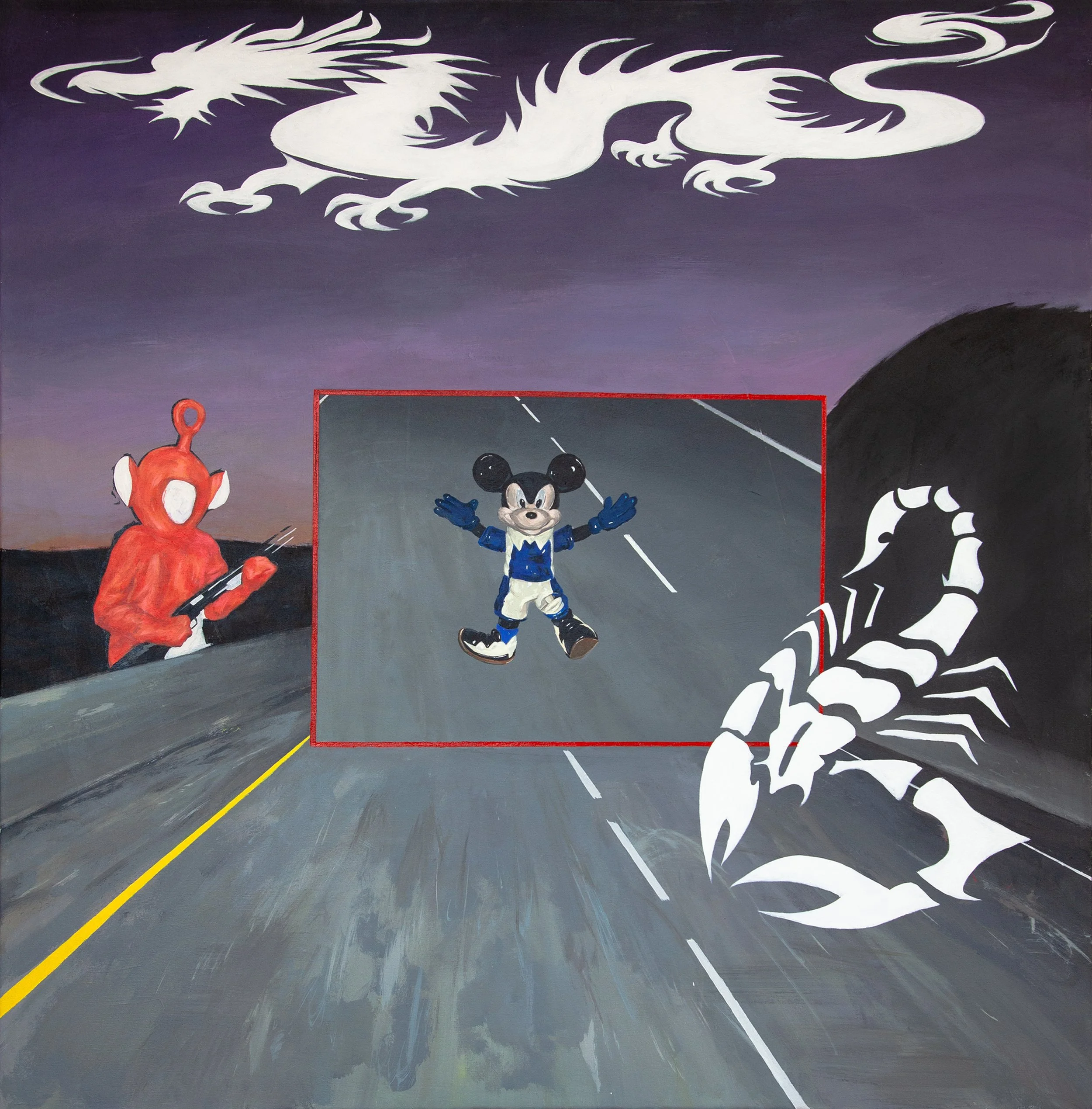
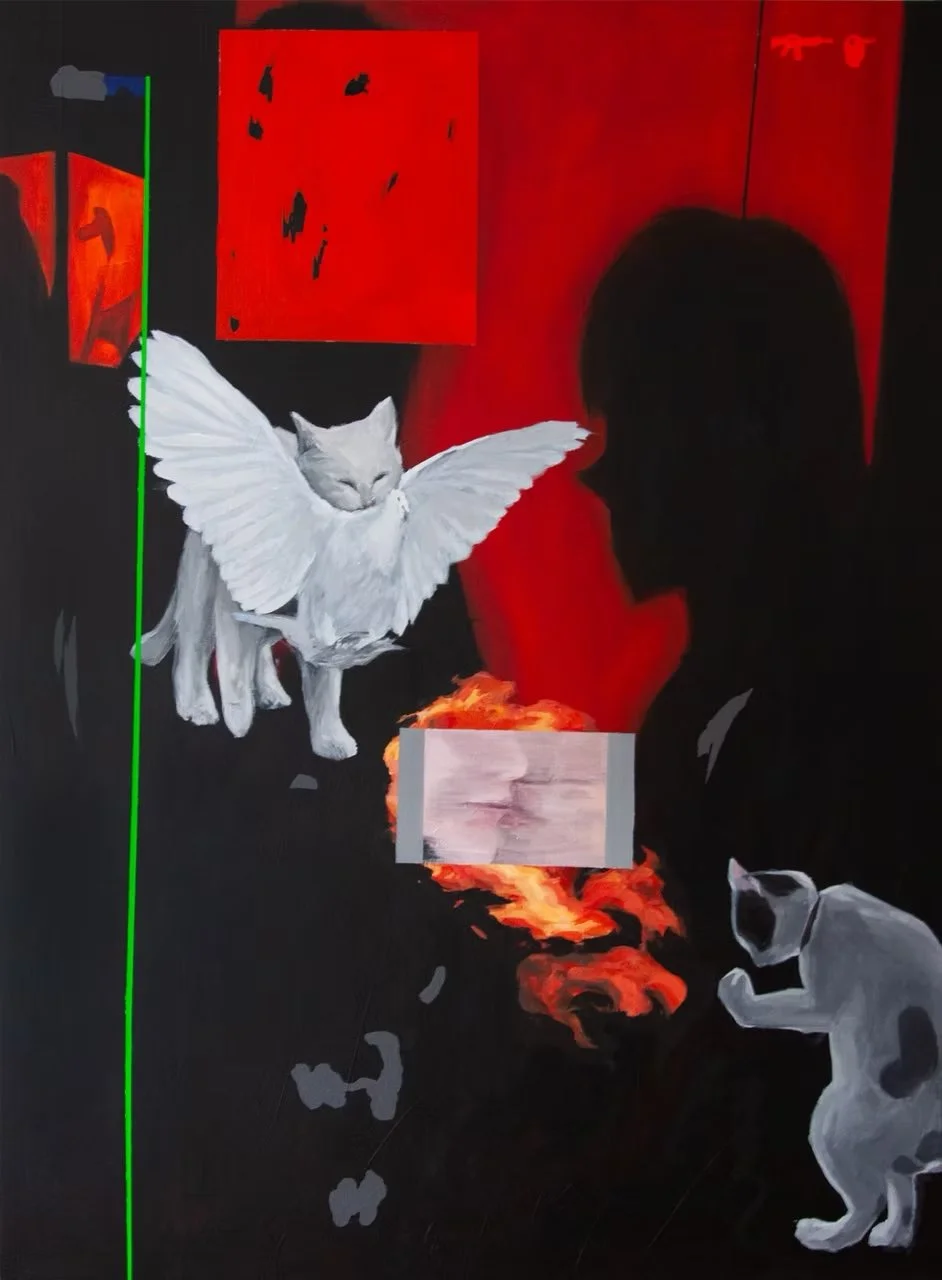
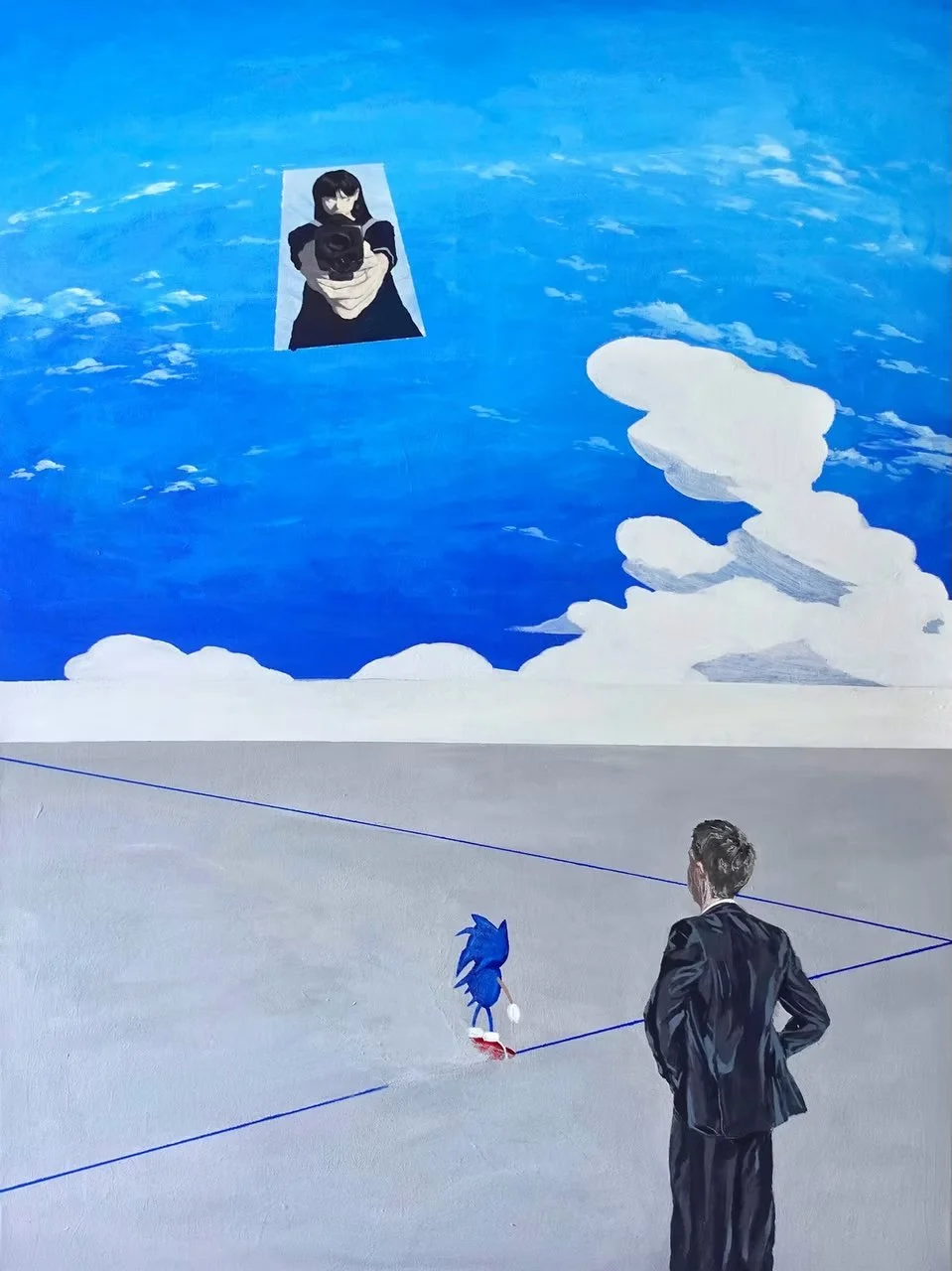
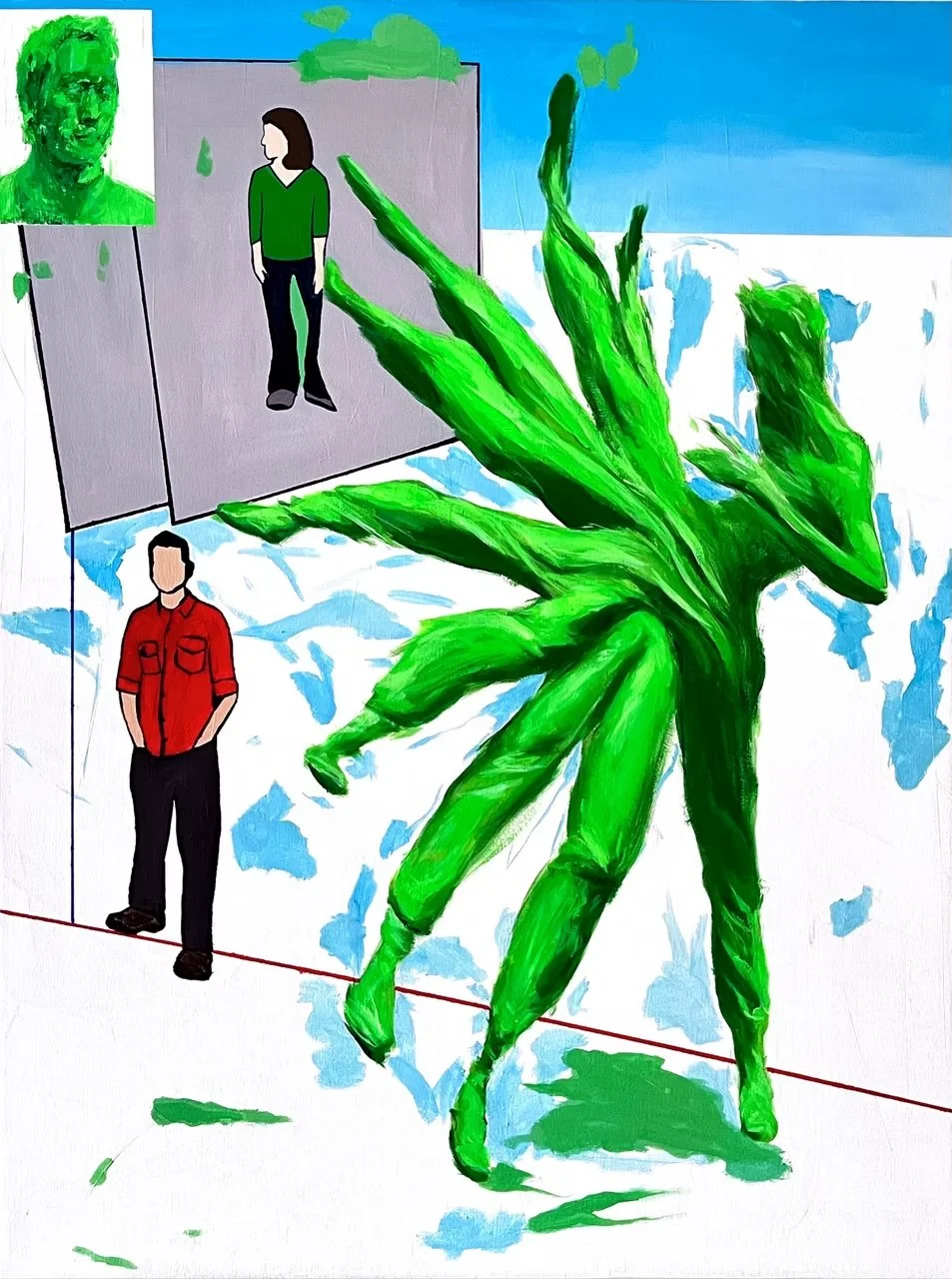
Born in China and based in Brooklyn, Li’s paintings incorporate familiar characters from popular reaction images or beloved movies, only to place them in playfully unsettling moments. Reminiscent of half-remembered fever dreams and eerily relatable memes, Li’s artwork is undeniably absurd yet incredibly approachable, carrying traces of both Chinese and Western pop culture.
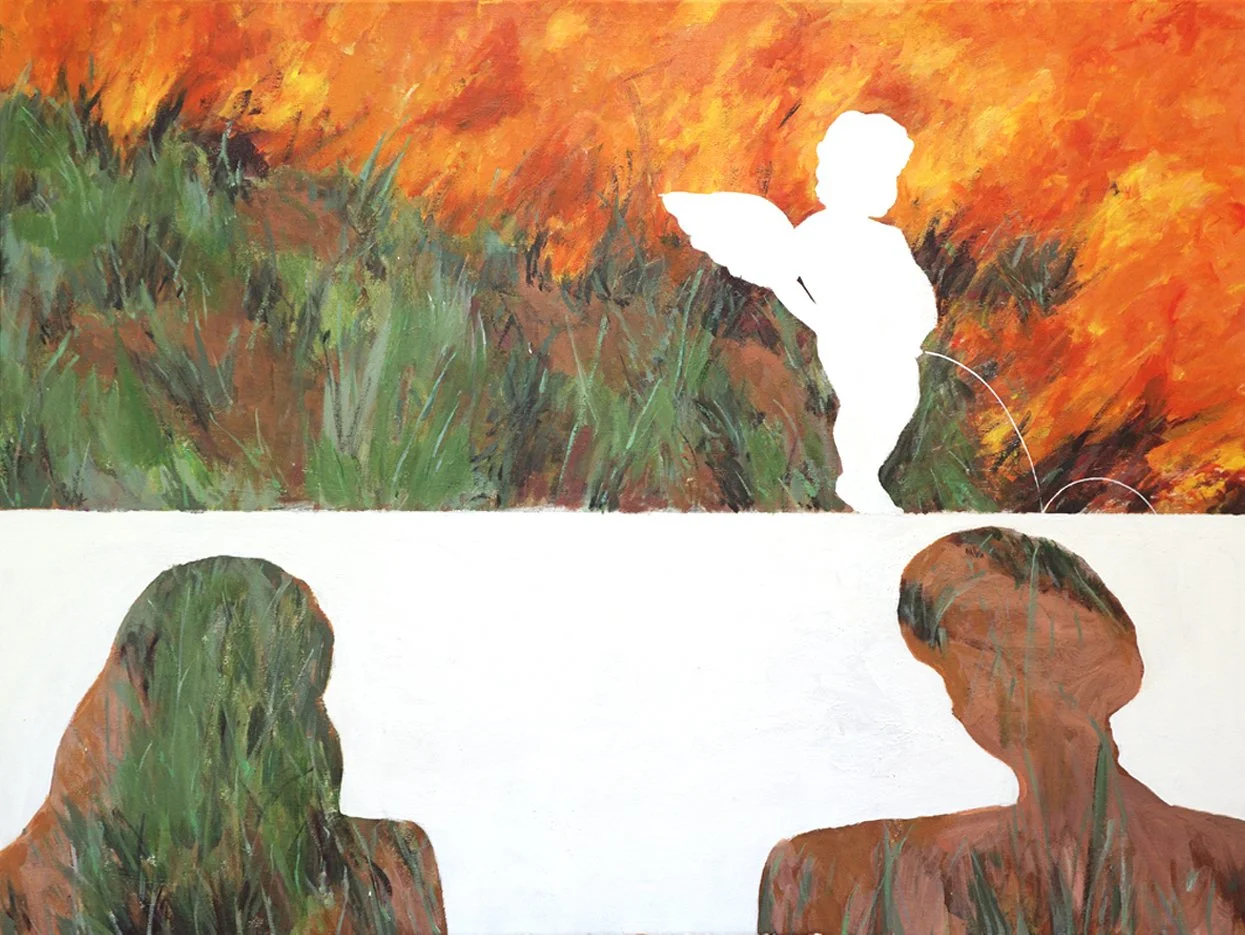
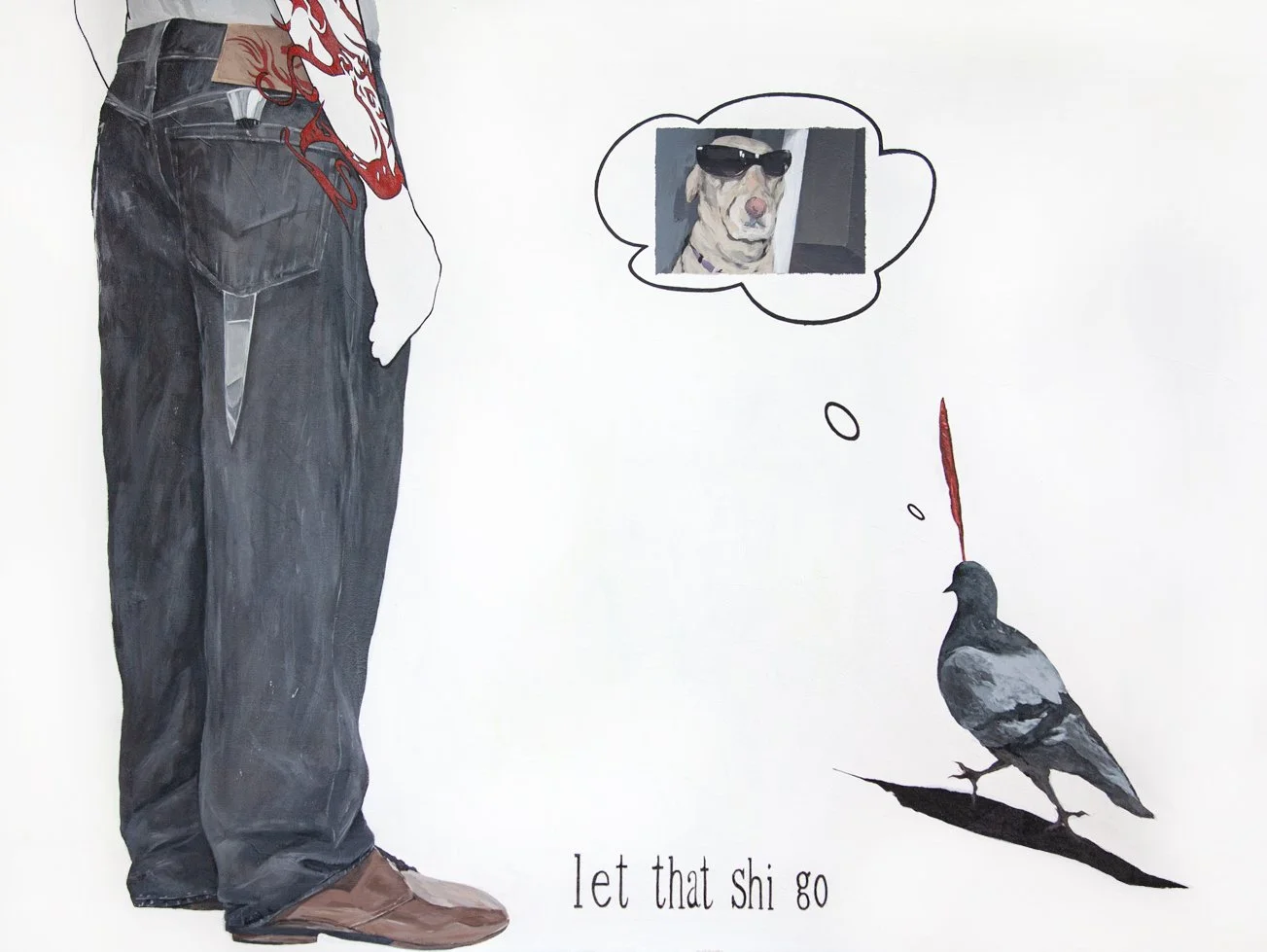
Although contradiction, distortion, and mistranslation cast an inescapable shadow over these images, Li's unique style of observation and humor skillfully draws his viewers deeper into this strange world.
This interview has been edited for length and clarity.
Colleen Dalusong: A few years ago, you had a video series called Learning Chinese in which you use memes to explain Chinese idioms to English speakers. When I watched Learning Chinese, I could see how it echoes the compositions and subject matter in your paintings. Can you talk about how this series came about?
Li Xianglong: I was painting a lot when I started the MFA program at the School of Visual Arts [SVA], but our cohort was really unlucky because that was the year of the COVID-19 pandemic. We weren’t allowed into the studios or any of the SVA buildings, so I thought, “Okay, what else can I do in my small apartment?” I had my laptop there, so I learned how to use 3D software like Sketchup to make weird animated versions of what I normally would paint on canvas. It was an unfamiliar tool, but I thought it was a good experience for me as an artist because I learned a lot about my own visual language. The concepts and logic in my videos are very similar to what’s in my paintings.
CD: On the topic of visual language, you tend to use internet memes in your paintings from both Chinese and Western social media. When I’ve shown your work to my white American colleagues, a lot of them mentioned how approachable it is. You’re using imagery that’s very recognizable, but it’s not kitschy or stereotypical, and most importantly you’re not necessarily commanding the audience to feel a certain way. At the same time, your paintings do function like memes because it’s familiar yet completely open to interpretation, so it helps people reach a realization about their own state of mind.
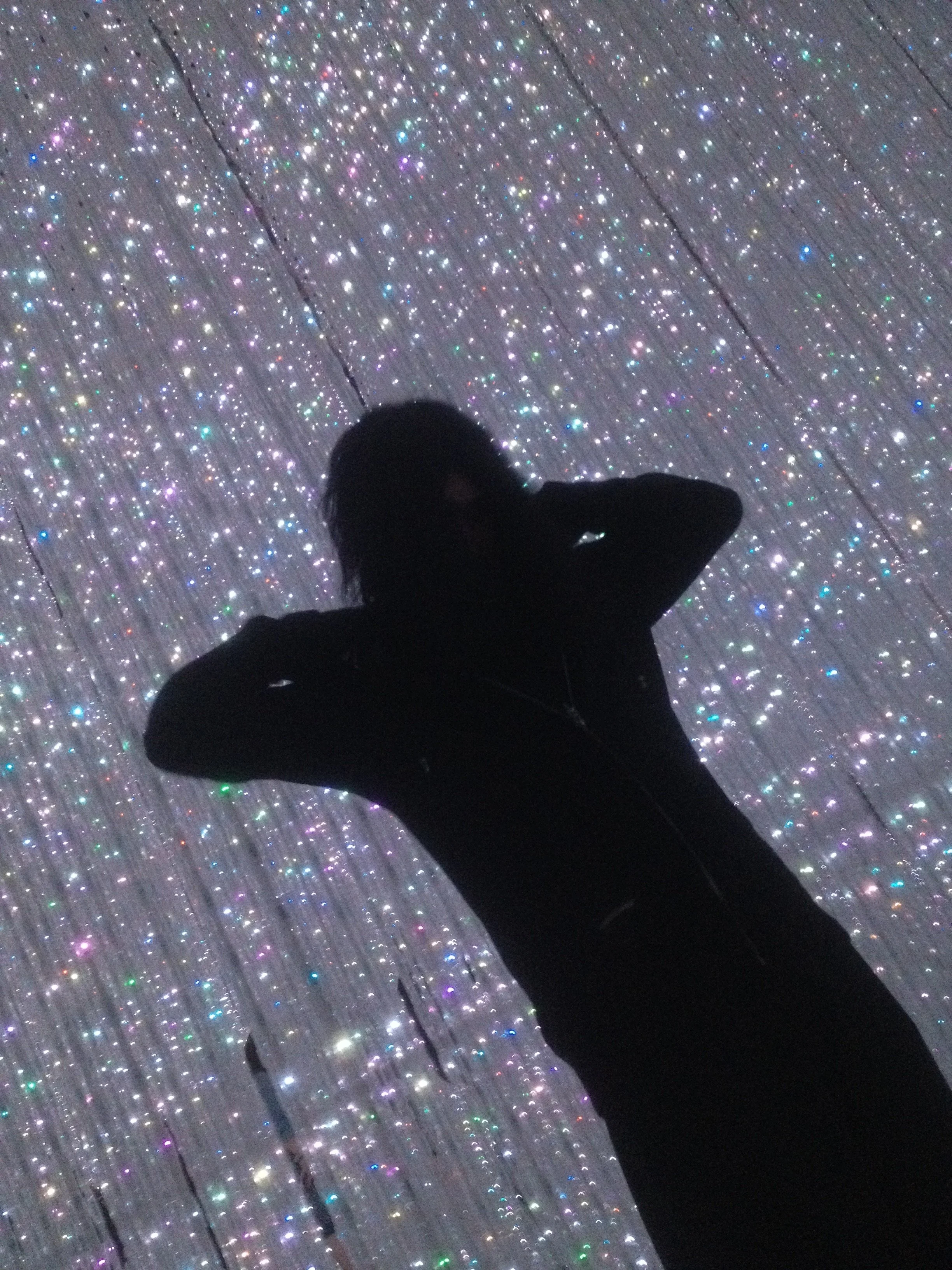
LX: That’s what I want, for people to experience this message when they see my painting. I feel like I’m always putting on an act when I go out into the real world. There’s Xianglong the painter, Xianglong the gallerist, Xianglong the boyfriend, and Xianglong the coworker; but who is Xianglong? Does a person’s real self only come out when they’re alone, where there’s nobody to hear or see them? I’m always asking myself this question whenever I’m alone because I want to figure out who I am. I don’t have an answer to this, so I try to figure it out through painting. I want to make my paintings more readable but dreamlike so that more people can resonate with the image and start to think more about the question of “who am I?”
CD: So you feel like there’s a core self that is untouched by all of these labels, and you’re trying to get to the center of your identity?
LX: Yes, I’m trying to find another side to myself.
CD: Out of everyone I’ve met so far, you have one of the more pragmatic outlooks on being an artist. I remember the first time we met, you said that artists should try to make a living beyond selling their art, and that having a non-art industry job always helps. It’s not a romantic thing to say, so it’s not really what most people would want to hear, but it feels true if you want to stay in New York and financially support yourself.
LX: I honestly don’t really care if my paintings are a huge success sales-wise. As long as I enjoy myself while I’m creating something, that’s what’s most important. And I try to tell my other artist friends to try getting a real job and make friends who aren’t in art because when you’re only around other artists your worldview becomes so narrow. Your art suffers because you’re too immersed in one kind of environment and don’t know anything else about what’s going on in the world.
CD: I know what you mean. There’s definitely some people who need to get their heads out of the e-flux articles and actually learn how to hold a real conversation. That being said, you do sell a lot of your paintings. When I wanted to include Guardian Spirit in an exhibit last October, you told me it had already sold to a collector in China so I had to pick a different painting.
LX: Oh yeah, my dealer told me that my main audience seems to be from Guangdong. I think it’s because my paintings are very readable to them since I get so much inspiration from Hong Kong movies. I’m always revisiting my favorite movies, and each time it’s like I’m watching something new. Maybe it’s because I’m now at a different age, or because I gained new knowledge or experience since the last time I watched those movies.
CD: Your paintings remind me of tattoos in the sense they function as emotional bookmarks. I know a lot of people who have tattoos that they got when they were younger, and they say they wouldn’t pick that specific design now, but they’re still glad they have the tattoo anyways because it’s a visual reminder of how they felt at that point in their life. Your paintings seem to serve a similar purpose for you and your own experiences. But while we’re on the topic, what’s your favorite movie?
LX: Ah, I don’t know the English name… it’s called 无间道.
CD: Oh, Infernal Affairs! Wow. That’s so you, I’m not surprised.
LX: You think so?
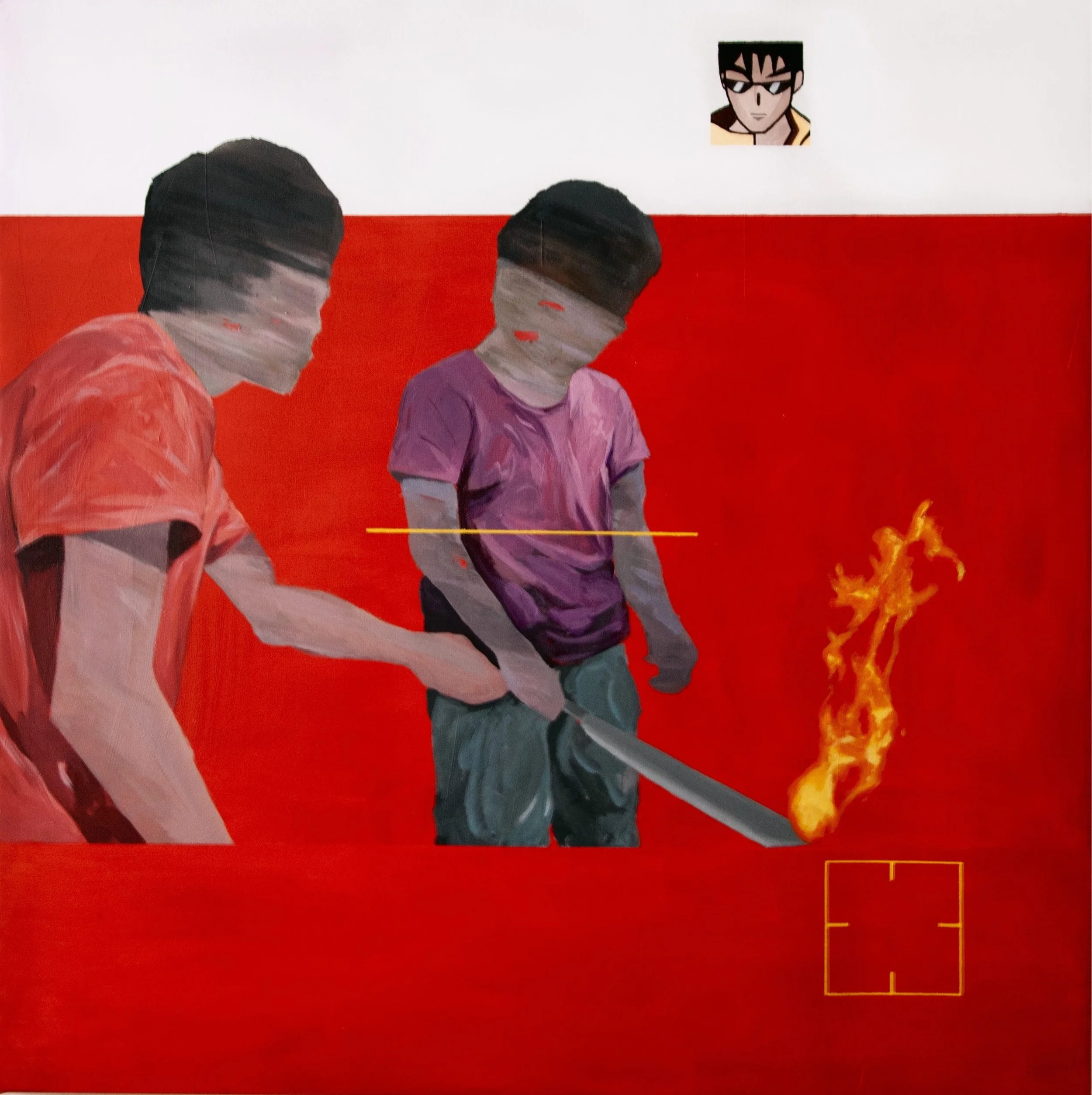
CD: So many of your paintings have machetes and fire and gangster characters in them. I can’t believe I didn’t piece it together until now. Okay so in that case, can you break down the story behind Swim Around?
LX: The story behind this is pretty crazy. The reference photo is from when I was in high school in China, and my friends and I were playing with a machete in front of the school. In the back you can see the school ranking.
CD: Oh, they do the same thing in the Philippines. They show pictures of who the top students are, right?
LX: Yeah! So then there are these good students who are going to have a prosperous future, and they’re just in the background watching us. Then there are the bad students playing around without really caring about what happens next. I took the photo because it just felt so absurd to me. It must have been over 10 years ago now.
CD: You told me before that your favorite writer is Albert Camus. I can definitely see how absurdism influences your paintings, even in more recent ones like The Moment. Can you talk more about that specific work?
LX: There’s Vegeta from Dragon Ball as a businessman, and he’s really happy in the moment. But he doesn’t realize that behind him is a UFO on fire that could crash into him when he’s not expecting it. You can see the two aliens in the UFO, and the reference picture is from when my girlfriend and I were dancing at a rave during New Year’s Eve. So the businessmen and the aliens are both happy and enjoying the moment, even though there’s a chance that all three of them could die at any time. I just wanted to capture this absurd but joyful moment. Life is strange, but you should just enjoy yourself whenever you can.
CD: You seem to include a lot of your friends and loved ones in your paintings. Do they ever give you feedback?
LX: I have this one friend who has a 9-5 job working for a big company. One night after we drank together he said that he can really feel the message I’m trying to express through my paintings.
CD: And how did he interpret the message in your paintings?
LX: He said it made him think about how everyone has two sides — there’s the side that wants to act like a good, law-abiding citizen in society, but there’s the other side that wants to break the rules and get into dangerous situations. That’s what he told me, at least.