
America is More Cultured Than You Think: The Southern Gothic Movement
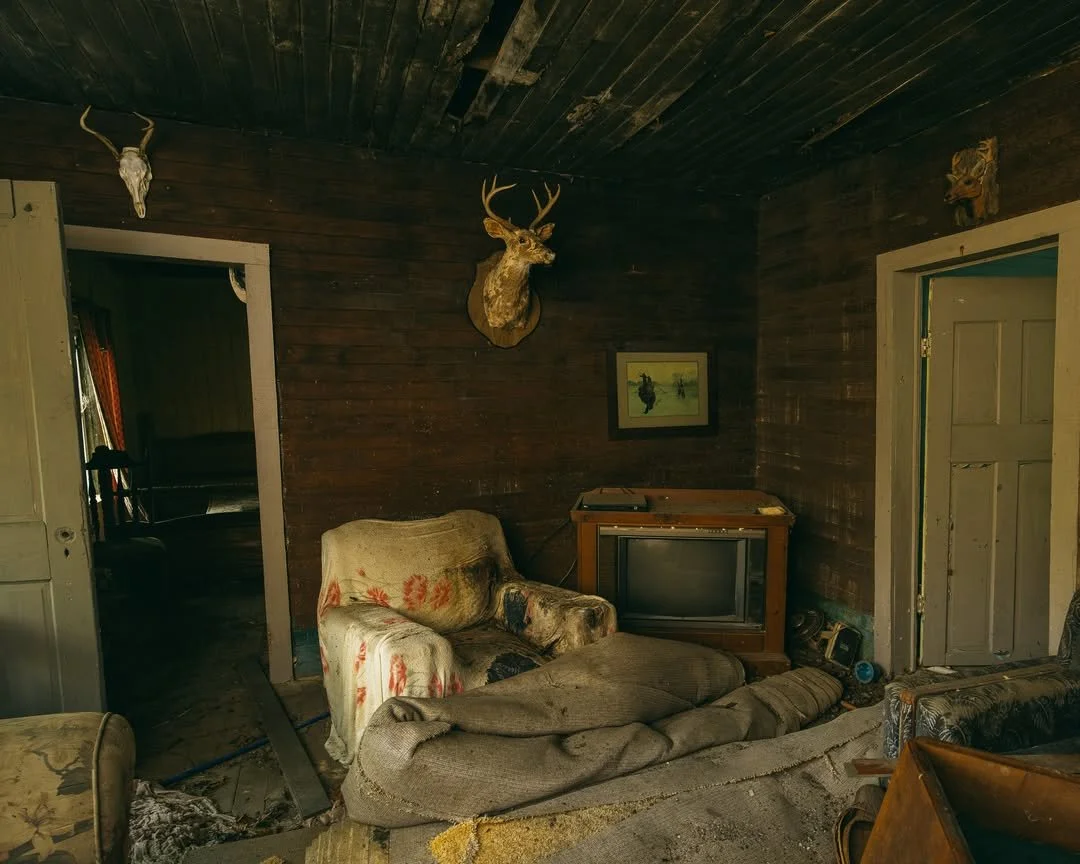
American. Images of rich, coastal elites from New York City or Los Angeles and an amorphous “rural” American person follow not far behind the word that elicits scoffs in the international community. Obnoxious, disrespectful, loud, there are all adjectives that have become synonymous with American. Yet, which Americans are you meeting? Marianne from the Louisiana bayou or Brad from NYC whose trust fund could solve world hunger? The subsection of Americans that possess the means to travel or go the most viral on social media are not representative of the entire American populace. The Southern Gothic literary movement that began in the 19th century is a prime example of the deep culture America holds beyond fireworks at July 4th parties, pickup trucks, and McDonalds.
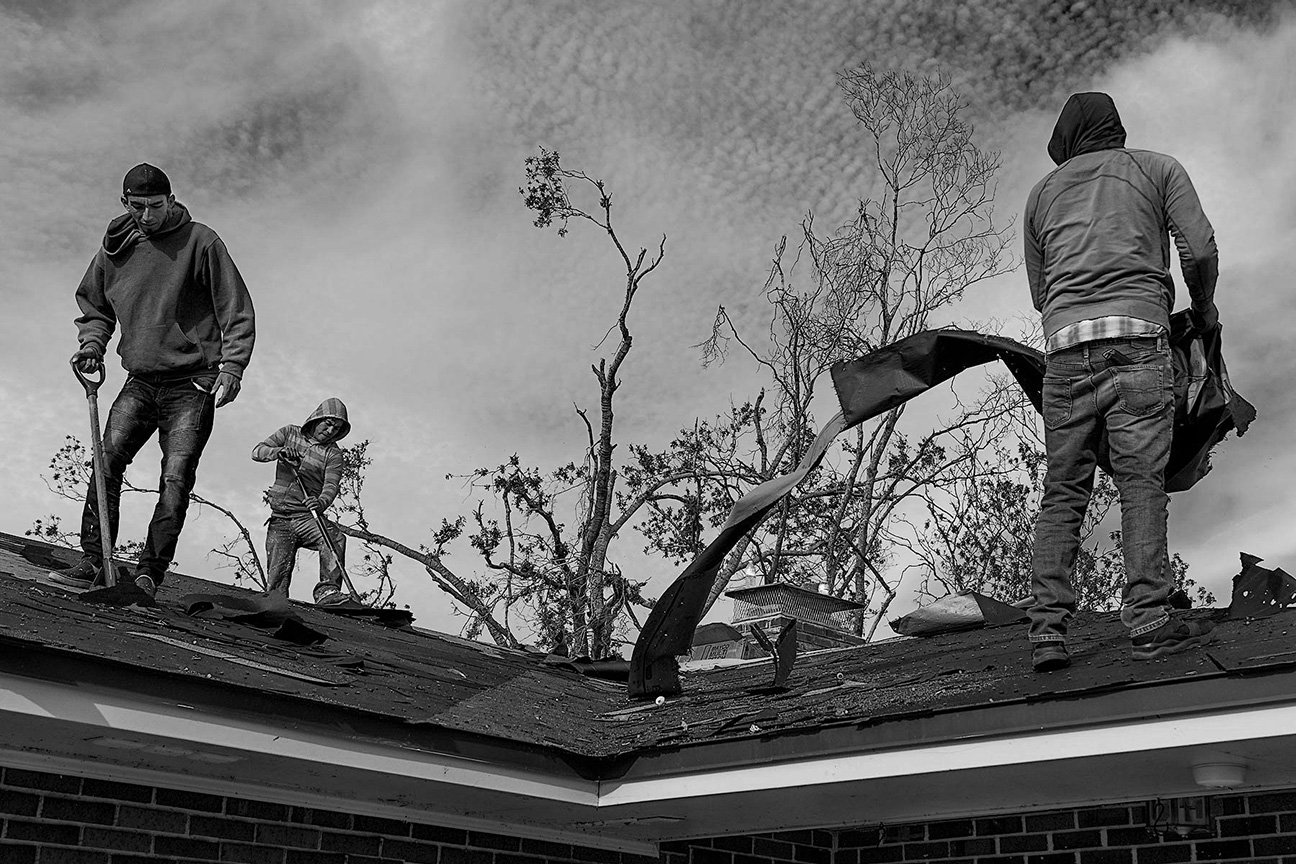
Photo Credit: Chris Calohan II
Navigating through decay, the ugly repercussions of the past such as chattel slavery, and the racial and class divide, great literary authors like William Faulkner formed the Southern Gothic movement. Further developed by To Kill a Mockingbird by Harper Lee, modernly explored by Toni Morrison and Octavia Butler, and presently evolving through the works of Jesmyn Ward, it is a burgeoning source of culture. Bizarre, supernatural elements, critiques of southern aristocracy and dated social order, and the enduring impact of Christianity in the South of the United States, these themes strike a chord often not shown in the mainstream of American literature.
The Southern Gothic movement extends itself to a multitude of art forms beyond literature. Looking particularly at music, pioneers like Robert Johnson and Billie Holiday stand as some of the most important musicians ever. Robert Johnson, a black man from Hazlehurst, Mississippi, explored the dark, supernatural folklore of the crossroads and the macabre of the South, playing blues in graveyards. Billie Holiday, a black woman from Baltimore, sang about the injustice of the Jim Crow South and the brutality of lynching in “Strange Fruit.”
More modern versions like Lucinda Williams and Ethel Cain started to pop up. Lucinda Williams, a white woman from Lake Charles, Louisiana, portrays the grit, empathy, and honesty of Southern women and their storytelling like Southern Gothic great Flannery O’Connor. Hayden Anhedönia, aka Ethel Cain—a trans-woman from Perry, Florida—recounts religious trauma, familial trauma, and the economic decay the South faces today with decrepit churches and abandoned industrial factories.
To get inside Ethel Cain’s headspace, she said in an interview with Hero Magazine that what’s truly American to her is “the poor people, the people who have been the most affected by the government, by the system.” She’s a Southern Baptist that will always be a Southern baby with the fear of God. This goes back to the larger themes of the Southern Gothic movement: suffering.

Photo Credit: Brendon Burton @burtoo
Suffering is a significant part missing in the characterization of the American traveler. Often wealthy, they’re divorced from the battered experience of low- and middle-class Americans who lack the power dynamic wealthy Americans possess. This power dynamic is rooted in a colonialist framework of tourism: flocking to the most “exotic” places and overconsuming and exploiting these destinations. Half of Americans can’t travel outside of the country because they don’t have a passport. This isn’t even considering individual states in the South like Mississippi in which only 20% of their residents own a passport. The true grit of America never made it out of the country.
The Southern Gothic movement is culturally relevant for America as a whole rather than just the Southerners who’ve lived through the experience the movement speaks of. Genres like witchhouse formulated by Salem showcase this. Originating in the Midwest in Michigan and eventually moving to Louisiana, Salem’s themes of the beauty in decay speaks to the allure of the Southern Gothic movement for outsiders. Especially the music video for their song “Starfall,” the Southern landscape helpless to the power of tornadoes surprisingly stuns with beauty rather than fear.
That duality of elegance and decay has pushed the Southern Gothic movement into the zeitgeist. Harley Davidson motorcycles zipping by decrepit crosses; rotten houses draped in moss; and weathered tombstones riddled with history; this visual language is spreading across the internet like wildfire. Beyond discussion of aesthetics, the literary genius and musical atmosphere clearly hold a chapter of cultural history unique to the South.
The next time you meet an American, remember the decay of the bayou and sun-bleached grass. As the long-term effects of slavery continue to go unaddressed with class consciousness—the enemy of big media and those in power—pushed aside again and again, the Southern Gothic movement is more important than ever. Americans are hardworking, honest, and kind chefs cooking up Cajun food; sweet, caring, and loud aunties serving up Key Lime and Banana Cream pie; and tough, diligent, and wise farmers getting food on everyone’s plates. Americans are poetic, captivating, and intelligent songwriters strumming guitars; determined, stubborn, and strong construction workers grinding until the sun doesn’t shine; and unsung, attentive, and tireless janitors looking after us all. Remember history and listen to people, not stereotypes.
Banner Photo Credit: Brendon Burton
Words: Josh Moore