What The Fuck is a Wasian?

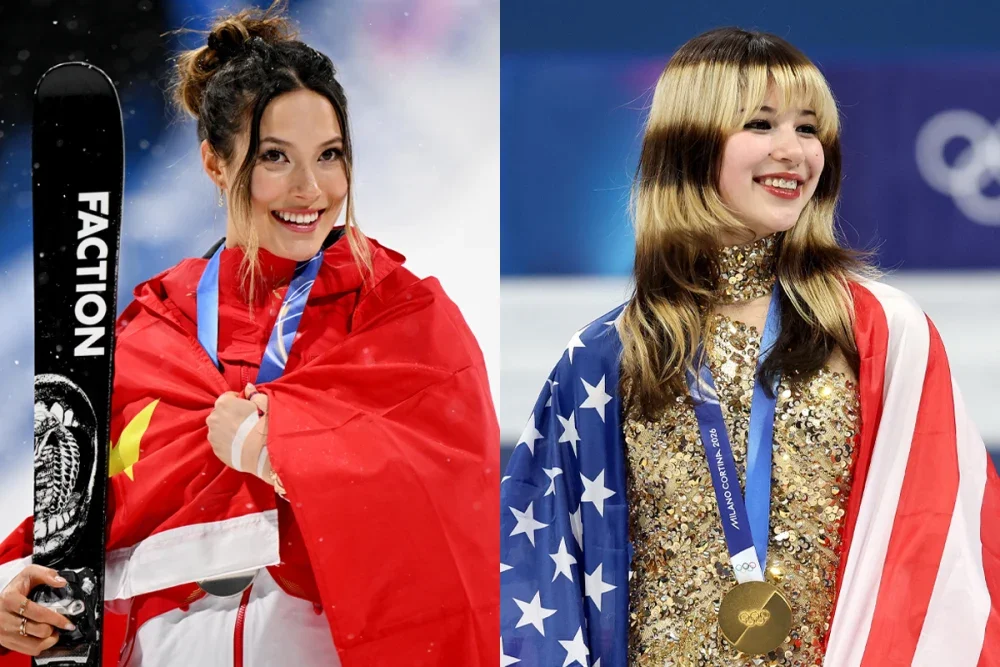
Wasian refers to a mixed-race person of White and Asian descent. It’s not simply a categorization. Before, we were shunned by both sides. Now, it’s a game of tug of war, with Asian and White people alike painting with broad strokes on what race Wasians “really” are. Looking through the lens of public discourse surrounding the Olympics, misconceptions of Wasians possessing a split identity, outside manipulation of Alysa and Eileen’s identities and agency when it’s convenient, and the pervasiveness of harmful stereotypes appear more clearly.
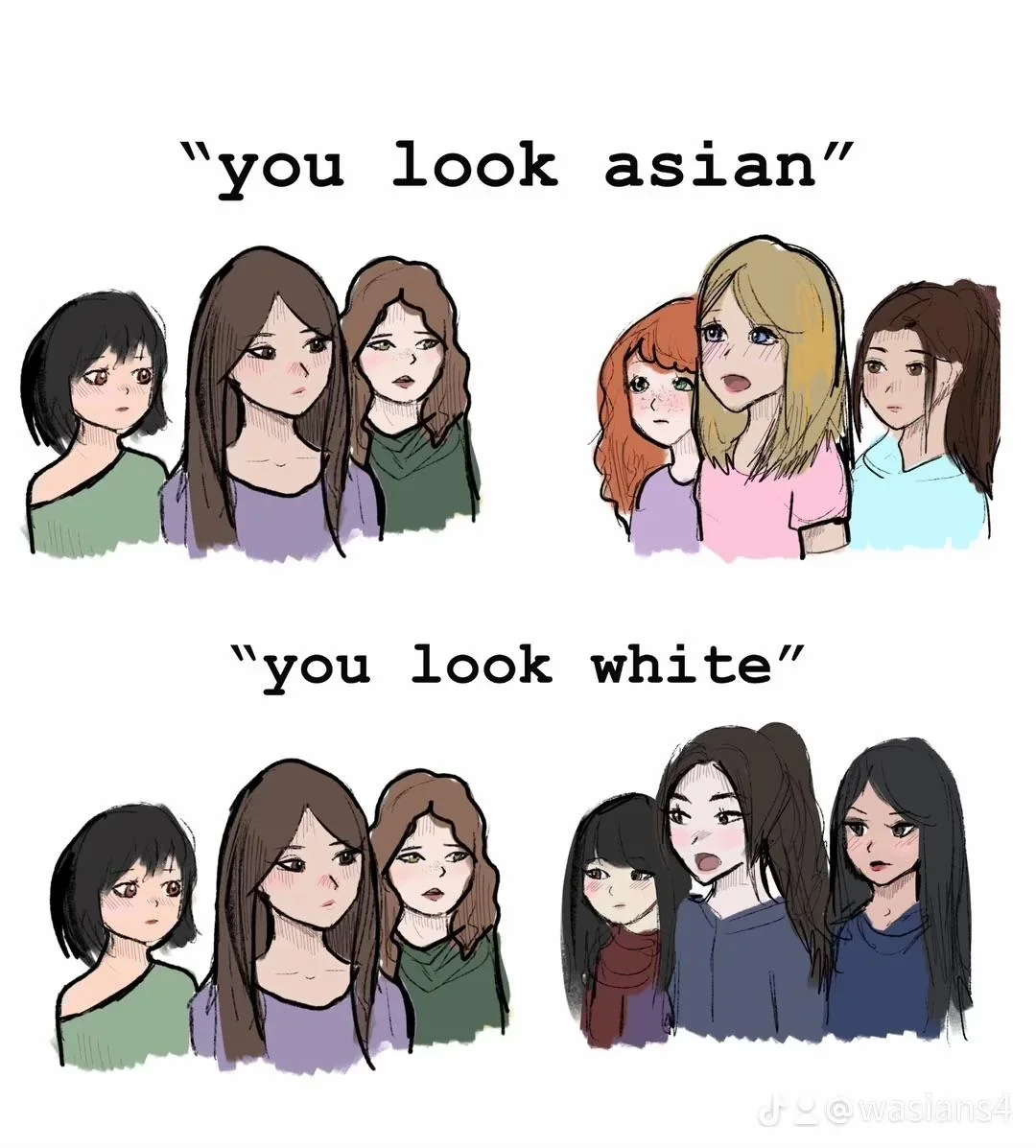
With Alysa labeled a patriot and Eileen a traitor in American discourse, the unstated perspectives of these stances come into question. Alysa represents America and is seen as acceptable when it is convenient. She’s bringing gold home to American soil. Yet Eileen’s decision to represent China faces backlash and questioning of her appreciation for the “opportunity” to grow up in America. With heavy public discourse and unlawful violent action by ICE (Immigration and Customs Enforcement) in America, immigrants and those deemed “non-American” are under attack.
Both Alysa and Eileen possess the agency to compete for whichever country they feel represents them best. A question of nationality, not ethnicity, they both should be respected in whatever decision they make. With Alysa’s father’s history as a student activist who protested in Tiananmen Square in 1989 that resulted in him fleeing for America while Eileen spent a great deal of her childhood summers in Beijing, these decisions hold more nuance than the public gives. They’re instead framed in static chains, discounting their agency as individuals. White Nationalists believe Alysa reinforces American ideals. A patriot; an American; a “good” minority. Yet Eileen is a traitor; un-American; a “bad” minority. It stems from the harmful White Nationalist ideology that those who do not fall under their White ideology must at least be controlled. Once their fetishization and objectification of Asian women falls flat, they become enraged. No longer are women like Eileen submissive, instead they stand powerful and defiant to White Nationalist ideology.
What is often misconceived is that Alysa is contrary to a particular political belief. People from all sides of the political spectrum can praise her. What is happening is that both Alysa and Eileen are being shrunk. Shrunken down to what is convenient for those in power. In this case, Alysa is a patriot in which her ethnicity or political beliefs supposedly don’t matter, while for Eileen both supposedly do matter. Alysa is just an “American” girl that stands for us all; while Eileen is part White and should be grateful for what she has been given. Both takes are problematic because they objectify both of these individuals, with both of their voices not being heard. Race is not something you can take off. At every moment both of these women are Wasian; that will never change. The watering down and emboldening of their identities when it is convenient harkens back to the discourse around Wasian identity.
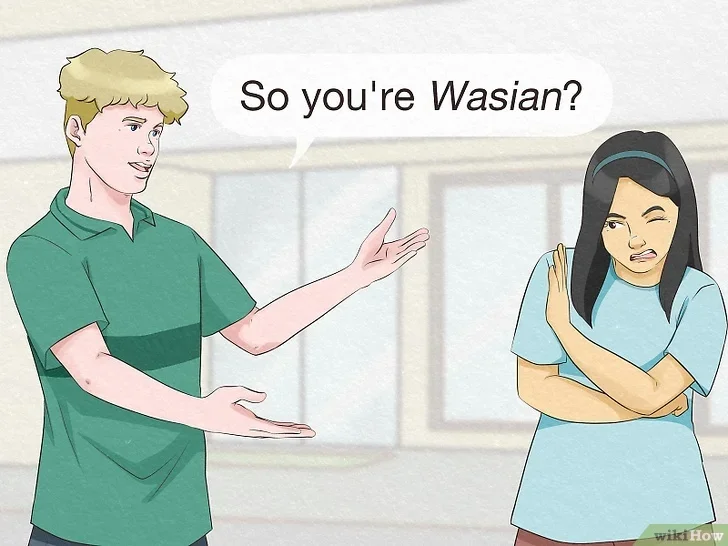
For those who are Wasian, we are often seen in two split identities. Yet this is impossible. We are both at once. It’s a completely unique experience that often begins as a chameleon. I shape myself to mirror what’s most convenient. In one scenario I’m simply Thai; in another, I’m Irish-American. When in reality, I’m just mixed. I’m hapa (a pidgin term derived from the Hawaiian word hapalua which refers to mixed-Hawaiian individuals and later grew to an umbrella term of mixed-asian individuals that some native Hawaiians contest as appropriation). As I’ve matured, I’ve learned to accept both sides, letting them merge into one, multidimensional identity. Returning to the examples of Alysa and Eileen, they are simply hapa. It’s a unique identity that can’t be solely quantized into an Asian or White experience.
Instead of us being treated as political tools or some means to an end, Wasians are a wholly unified identity that holds intersectionality and thus a unique experience. This hunger to reduce nuance rather than accept difference illuminates the problem at hand. Wasians aren’t two halves: we’re one multidimensional person.
Written by Josh Moore