Paint the Screen Red: The Post-Punk Design of Suda51
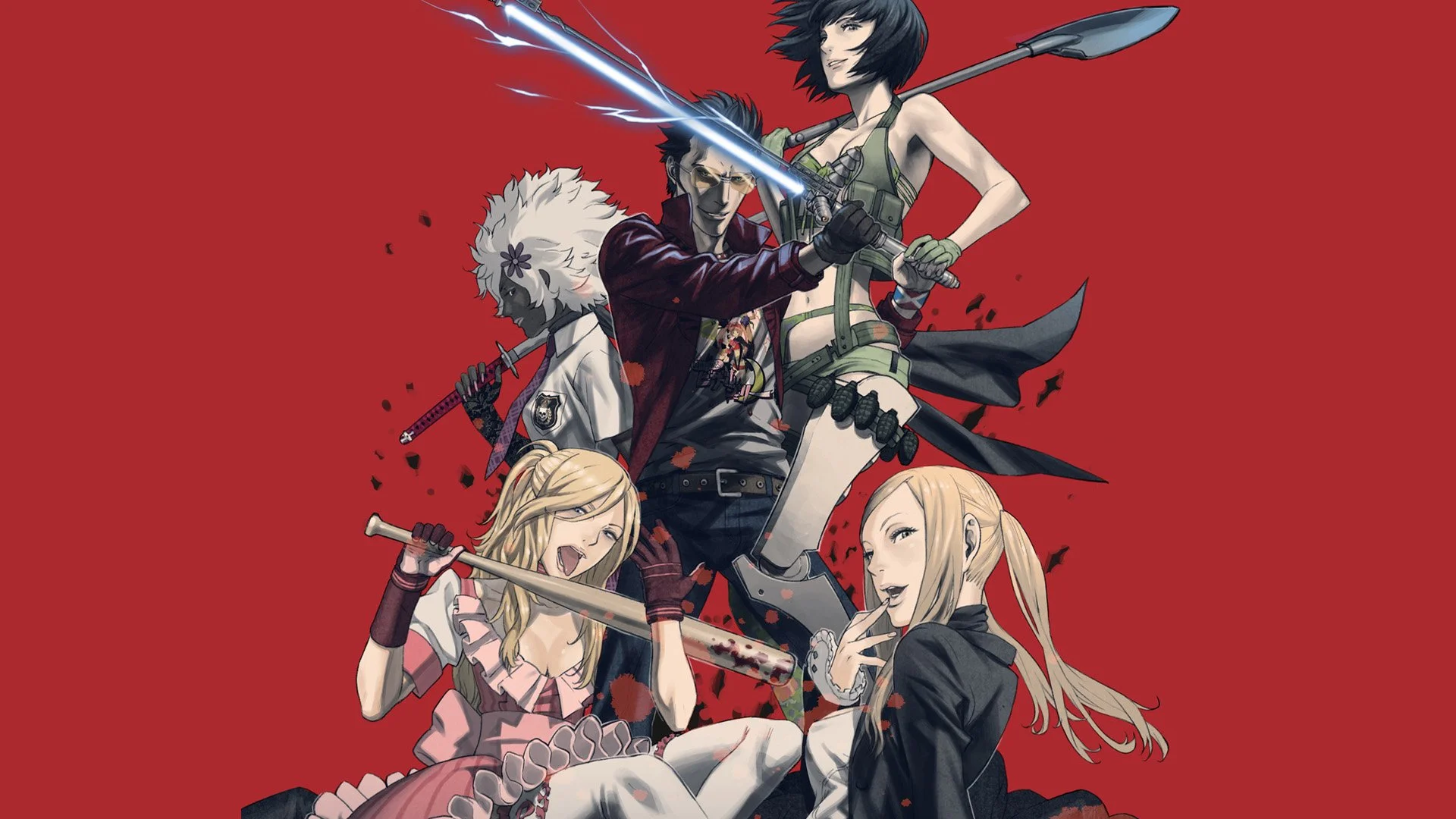
Sex, ultra violence, and killing the past.
Just when the industry starts to feel stagnant, a new Suda51 title arrives to challenge gamers’ imagination. Through a frantic pulse of stylised ultra-violence, zany pop-culture humour, and a singular post-punk attitude that breaks the walls of traditional game design. Championing a visionary, off-kilter auteur rare in today’s games industry.
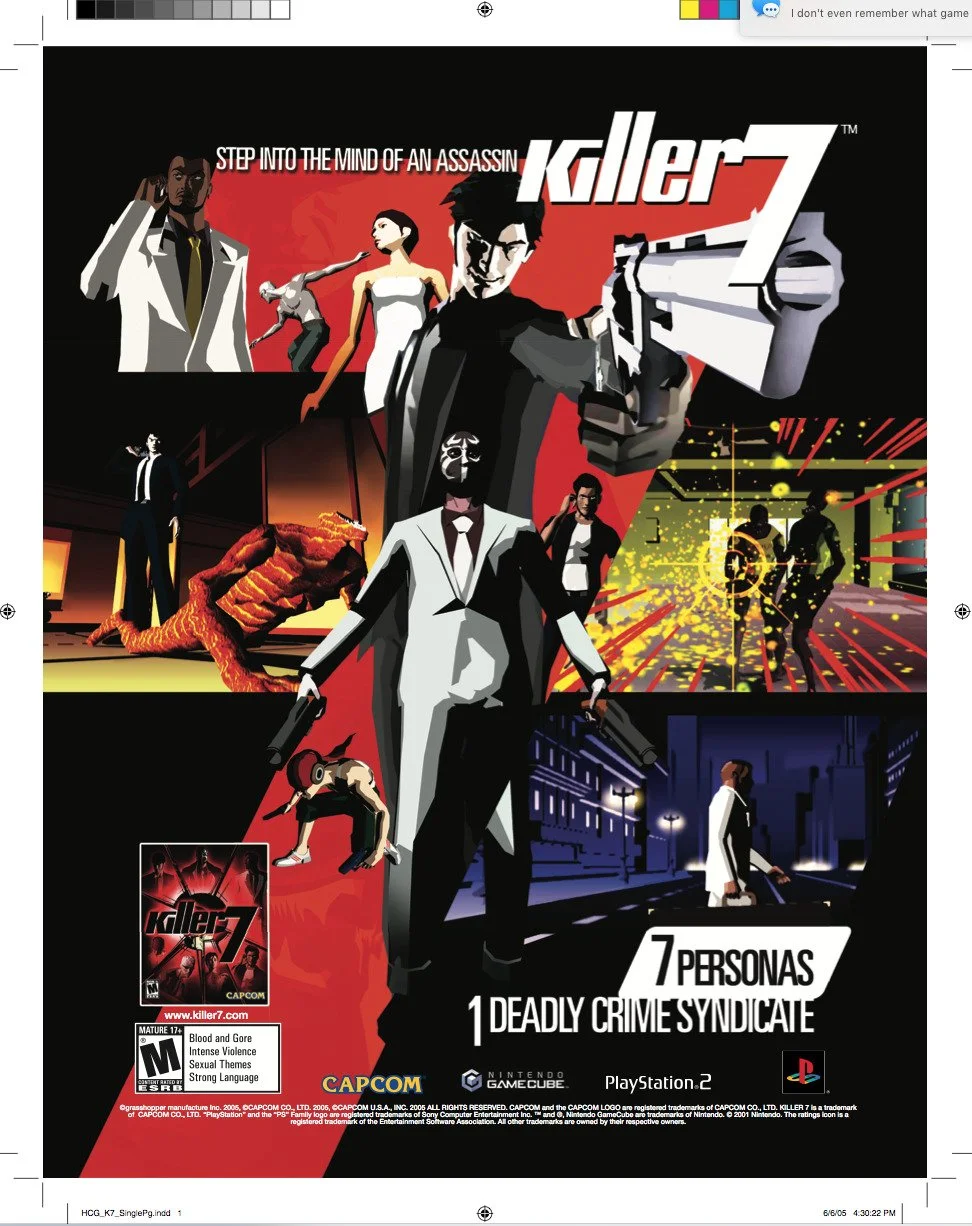
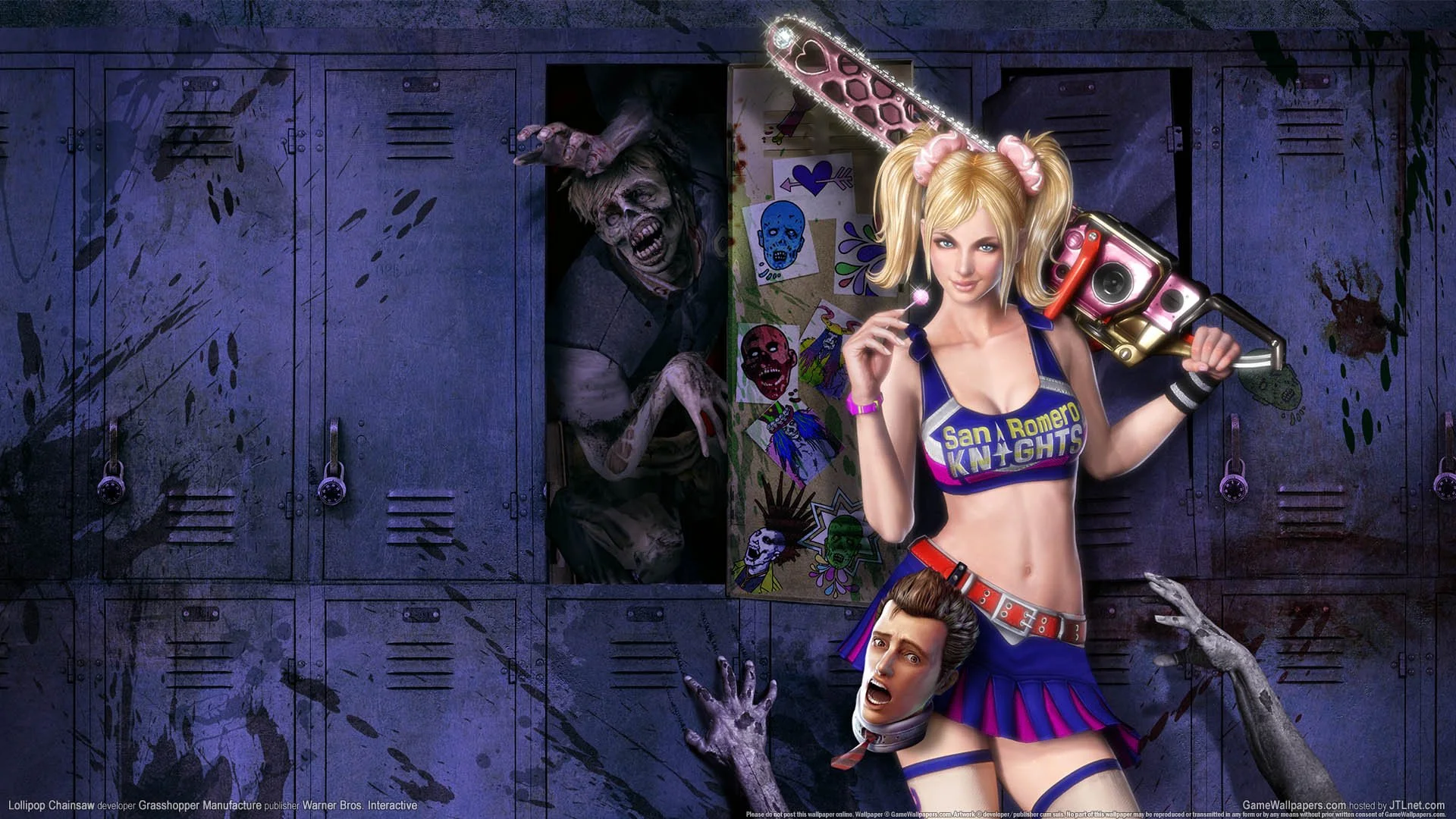
Creator of No More Heroes, Killer 7, and The Silver Case, these genre-blending titles span everything from gripping visual-novels to blissful hack and slash carnage, featuring eccentric oddballs and bloodlust assassins with no greater desire than death. Such as the chainsaw wielding cheerleader, Juliet Starling, or gaming’s favourite otaku loser, Travis Touchdown. In Suda’s world, outsiders take on the threat of corporate corruption. With an apathy to death influenced by his time as an undertaker.
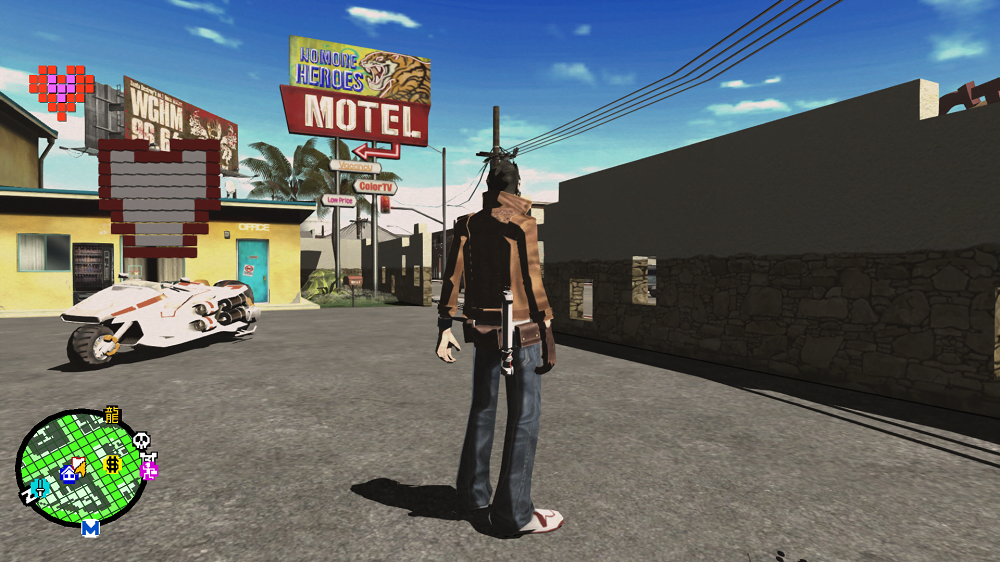
The surreal nature of Suda’s work heightens a visual delight in gory ultra-violence that gamers have come complacent with. Often broken up with a barrage of 4th wall breaks, Mexican wrestling, and nods to gaming’s past, such as 8-bit mini-games and riffing on iconic indie favourites. Many of these titles connect in some way, with recurring characters and themes crossing into the next game, forming a Suda-verse that fans have collectively named the “Kill the past” timeline. These trademarks make him considered an auteur within the gaming space, as fans eagerly await to see how his next project callbacks to his past.
Suda projects a punk-attitude in all aspects of his game design, drawing from his love of early UK bands and their anti-establishment, DIY revolt to mainstream practice. It explodes onto the screen with a flurry of vibrant colour and highly detailed UI’s, experimenting with an array of art styles, such as cel-shading, pop-art and anime. A game like Flower, Sun, and Rain, permeate elements of Dadaism and challenge the idea of “fun,” as the player treks a mystified island with no transport or idea to go off, repeating the same day ad nauseam. But the clearest example of this punk approach is a refusal to one’s vision in favour of mainstream-appeal. A desire to create unique titles that embrace the nonsensical and provoke new experiences in the player, leading to destined cult-classics.
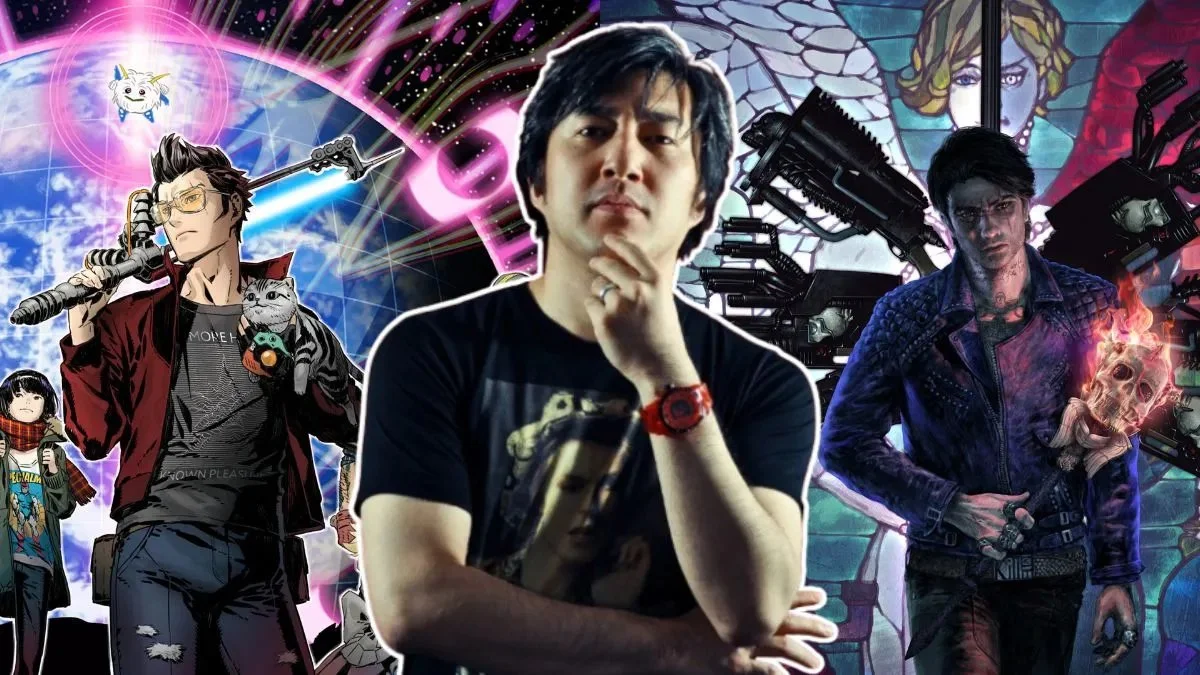
Being a stylised auteur in the gaming industry eventually catches up to you. As the 2011 title, ‘Shadows of the Damned’, not only marked a legendary collaboration of 2 masters (Shinji Mikami and Akira Yamaoka), but Suda’s first partnering with Triple-A publisher, EA. The creative rift during its development is a classic example of an independent developer’s vision being compromised, as the game went through countless rewrites, an overhaul to cater for western audiences, and a stripping back on the Kafkaesque direction.
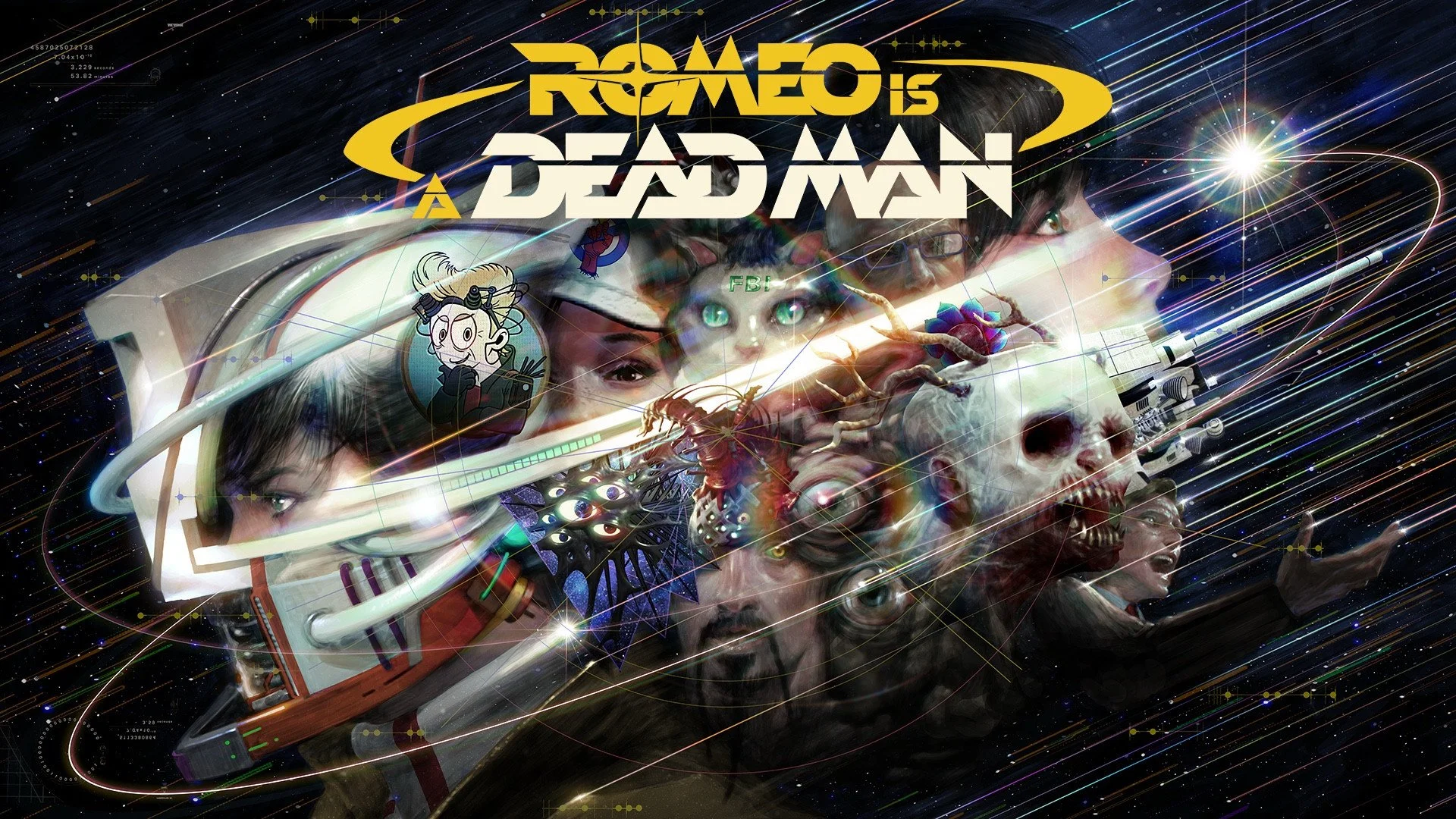
After its release, however, Suda and his studio ‘Grasshopper Manufacture’ ensured greater control with future works, with their new release Romeo is a Deadman’ being their first fully self-published title. Which is what ‘Kill the past’ is all about, a philosophical mantra to let-go the burdens of the past and embrace the future.
FOLLOW US ON INSTAGRAM
Writer: Daniel L. Mattock Editor: Xavi Sosa