China’s Long Underground: a sabukaru Guide to Chinese Punk
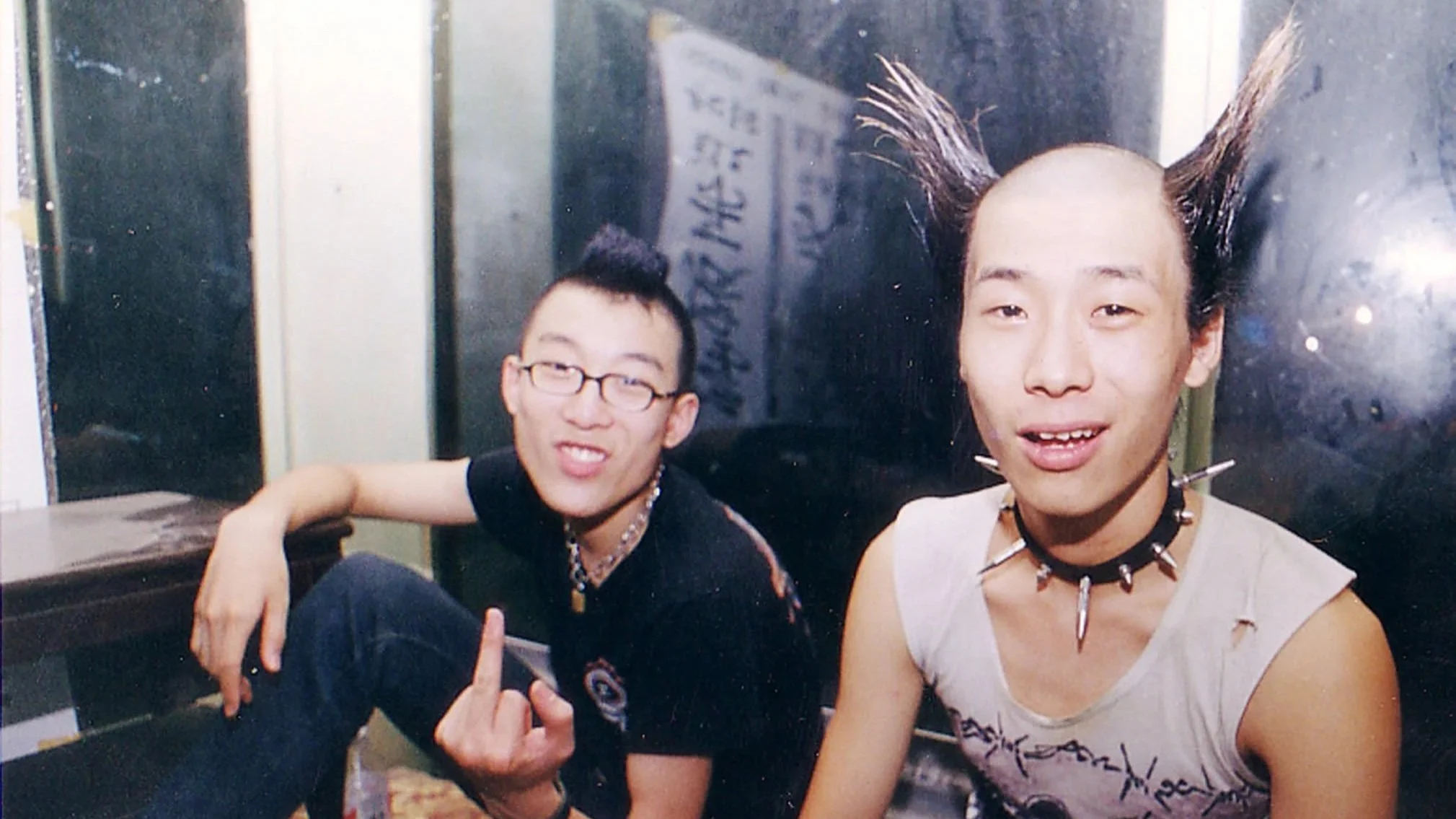
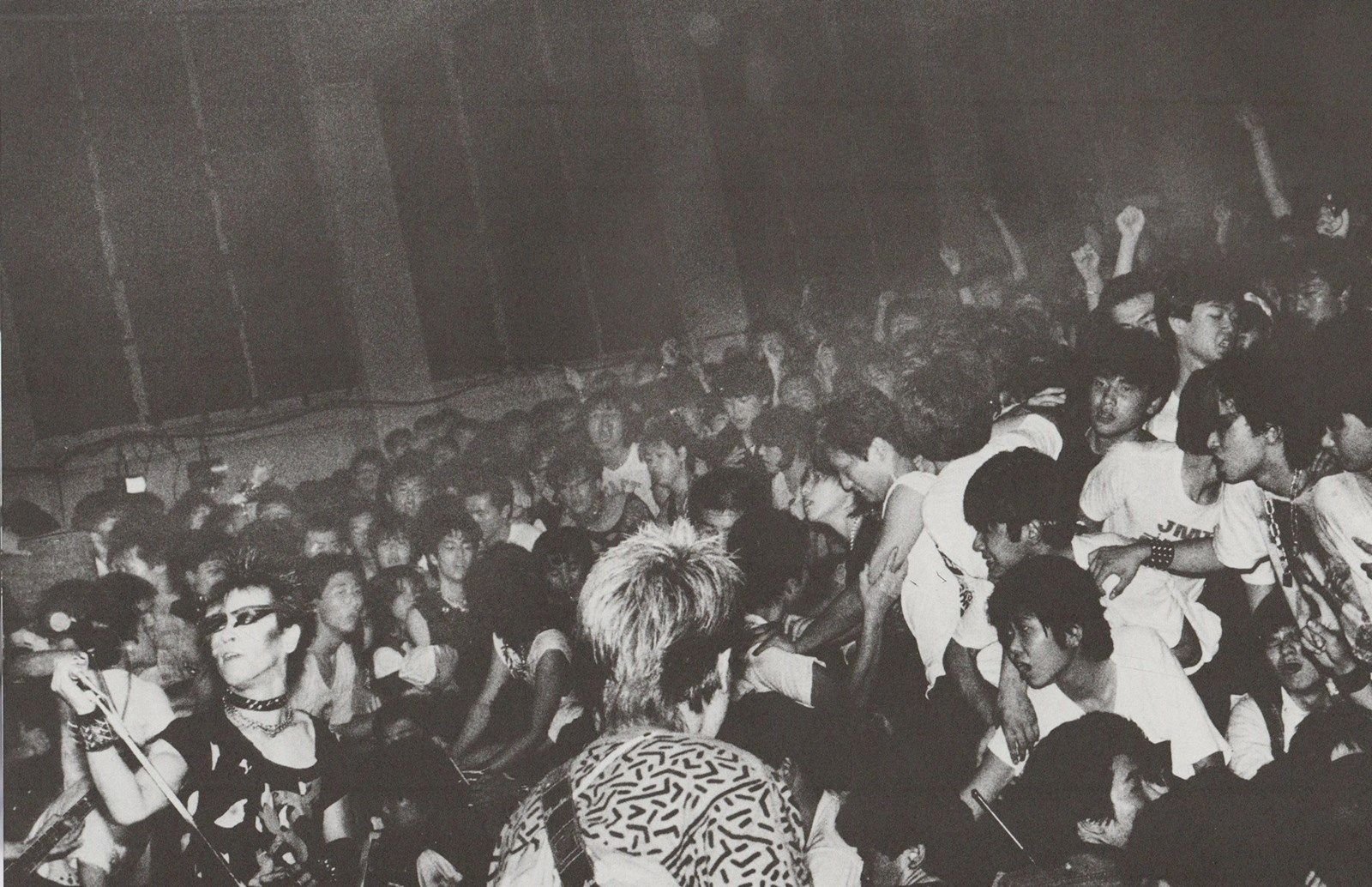
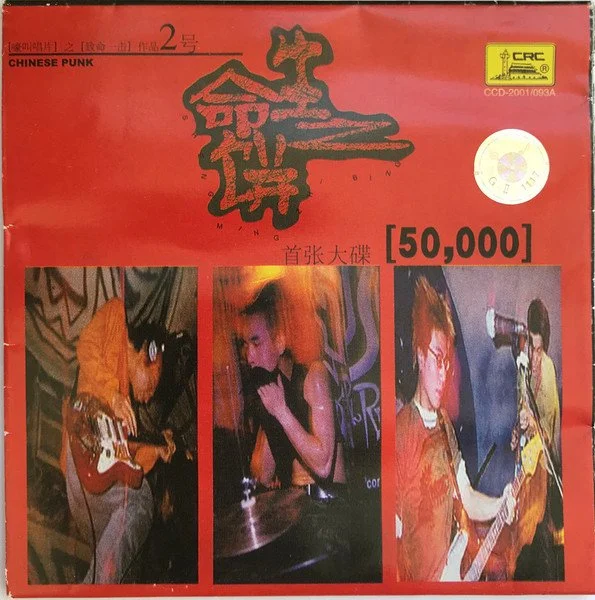
To tell the tale of punk history in China is to unpack a past of how rock began to shape within the country, one that came from defiance and the stubborn insistence on making noise in a landscape that had decided what sound was permitted. From Cui Jian's electric guitar breaking open the 1980s to dakou cassettes carrying Western punk through informal networks into the hands of a generation that had no other way to access it, Chinese punk emerged from conditions of scarcity and social pressure into something that the system never accounted for and could never fully contain. What followed across Beijing and Wuhan, through DIY venues, hand-produced zines and self-released recordings, was a subculture that built itself from the margins and left a mark on Chinese cultural history that official narratives have consistently underestimated.
Before Punk: Chinese Rock in the 1980s
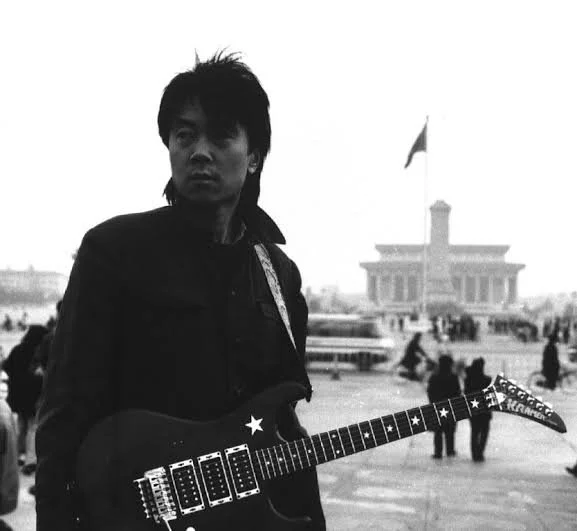
The story of punk in China begins with a man standing on a stage in Beijing in 1986, strapping on an electric guitar and telling an audience that they had nothing. Cui Jian's performance of Nothing to My Name at a charity concert for the Asian Games is the moment most histories use as a starting point, and with reason. It was the first time rock music had been performed publicly in the People's Republic in a way that carried cultural weight, and the reaction it generated, passionate support from young audiences and deep suspicion from officials, established the terms under which Chinese rock would operate for the decade that followed.
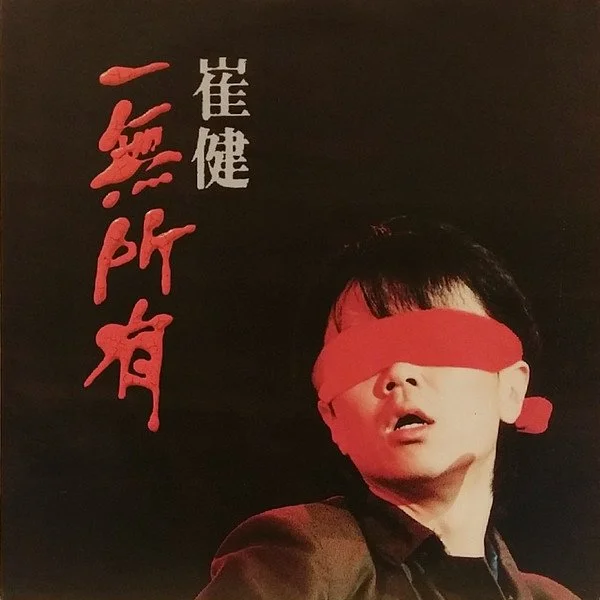
Cui Jian was part of a small ecosystem of musicians drawn to Western influences that arrived through official cultural exchanges, recordings brought in by diplomats and foreign students, and the growing presence of foreign-made music on state television and radio. The sound was fragmentary and access remained uneven, but enough was getting through to inspire a generation of young Chinese musicians who began to recognize possibilities the cultural establishment had yet to account for.
The rock that emerged in the 1980s was melodic, romantic and often explicitly tied to themes of individual longing and national identity, giving it a complicated relationship with political authority. It was tolerated, sometimes celebrated, and occasionally suppressed depending on which way the political wind was blowing. This period established the infrastructure and appetite that would make the next decade possible, building a community of musicians, venues, listeners and attitudes that formed the soil into which punk would eventually grow.
How Punk Entered China: Dakou, Pirate Tapes and Imported Sound
The mechanism through which punk entered China is one of the more structurally interesting stories in the global history of underground music. Much of it arrived through dakou, compact discs and cassette tapes that had been cut or drilled before being exported from Western markets as waste. The damage made them unsaleable through conventional retail channels while leaving the music largely intact. Chinese companies bought these discarded recordings as scrap, and they circulated informally through markets, shops and individual dealers. Throughout the 1990s, dakou became a major channel through which a generation of Chinese musicians encountered Western rock, punk and alternative music.
The dakou generation, as it came to be known, absorbed music from the cutting groove outward, often encountering an album only partially, hearing the end before the beginning and piecing together entire scenes from fragments. Scarcity and difficulty became part of the listening experience. Music encountered under these conditions carried a different significance from recordings purchased through legitimate retail, and the punk and hardcore records circulating through the dakou network held an added charge: they offered access to sounds the system had never intended to make available.
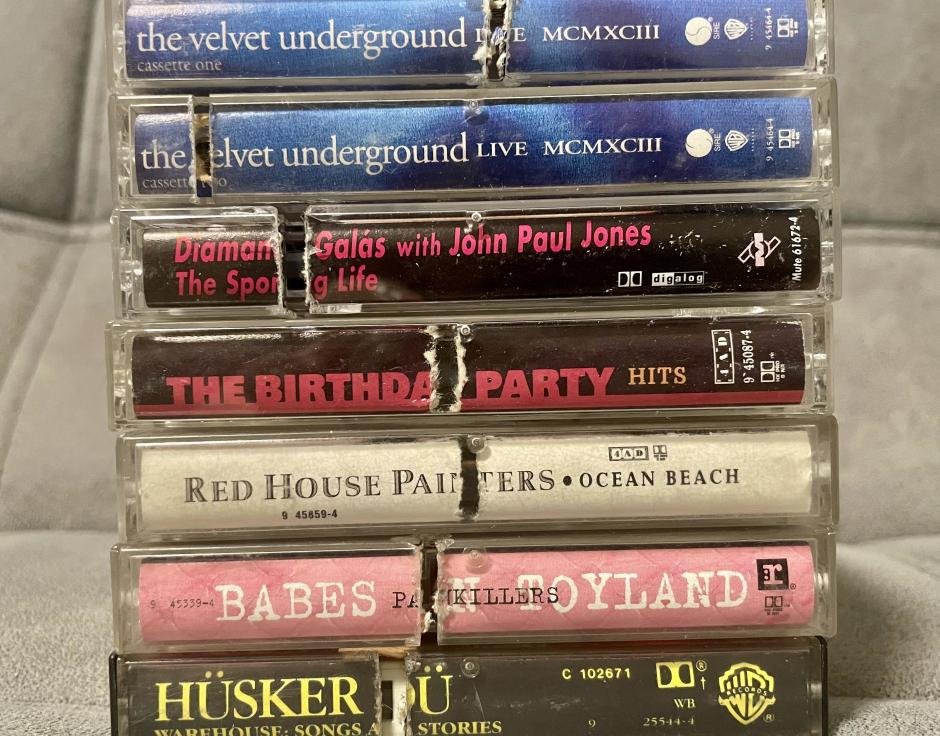
Pirate cassette tapes circulated alongside the dakou circuit, offering cheaper and more widely available reproductions of Western recordings. Their sound quality was often poor, yet they reached cities and towns far beyond Beijing and Shanghai. Together, these informal distribution networks created a shared pool of cultural references that connected young musicians across the country. This decentralized exchange fostered a collective education in Western underground music, allowing ideas and influences to travel across China without the need for a central organization.
The music moving through these channels encompassed a broad cross-section of Western alternative and underground sounds from the 1970s through the 1990s, giving Chinese musicians multiple influences to draw from at once. Punk and hardcore held a distinct place within this exchange. Their direct musical structures made them accessible, while their ideological content, even when encountered through incomplete translations, resonated with young people navigating the rapid social changes of reform-era China.
Beijing Builds on the Rock Underground
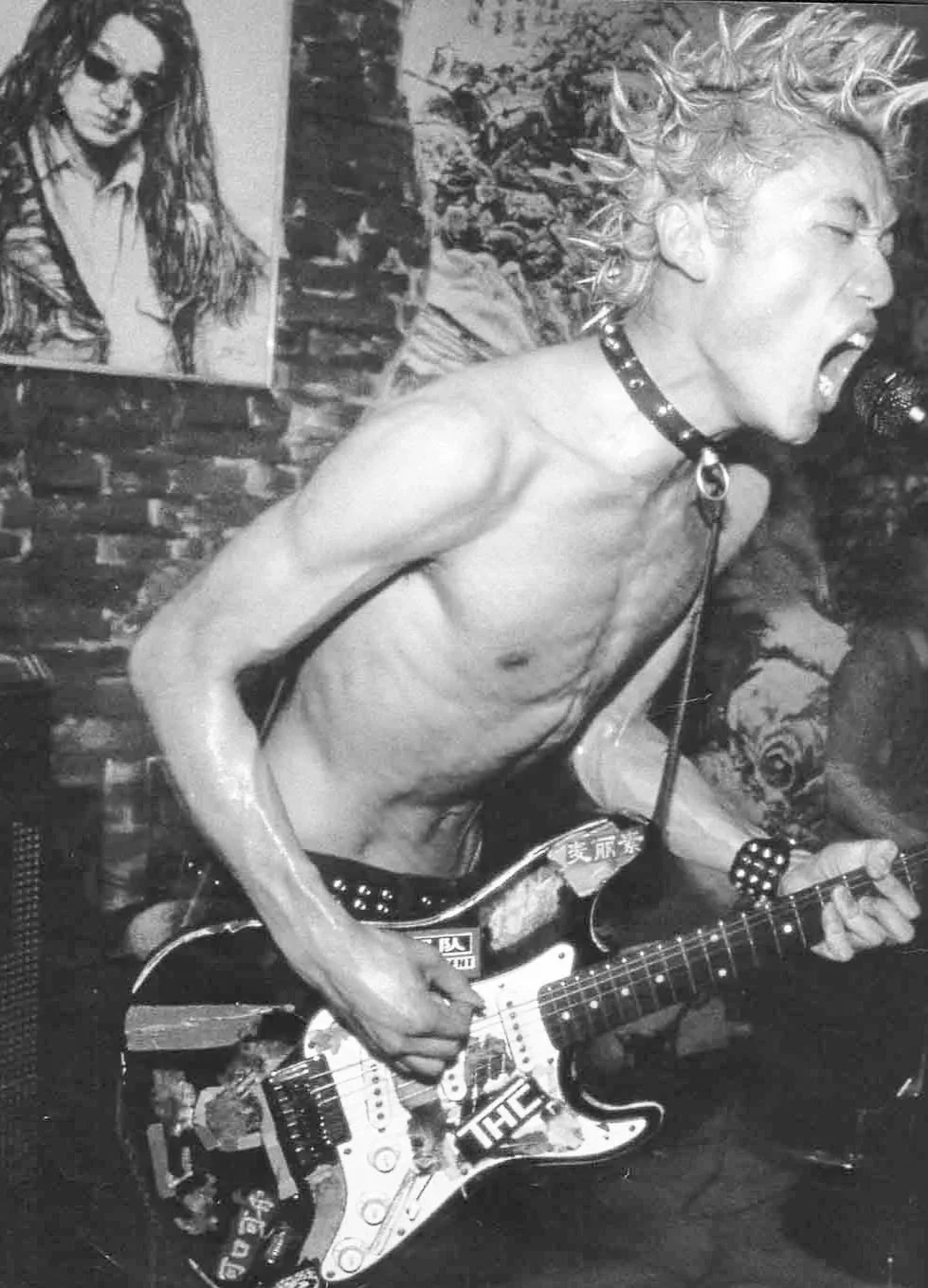
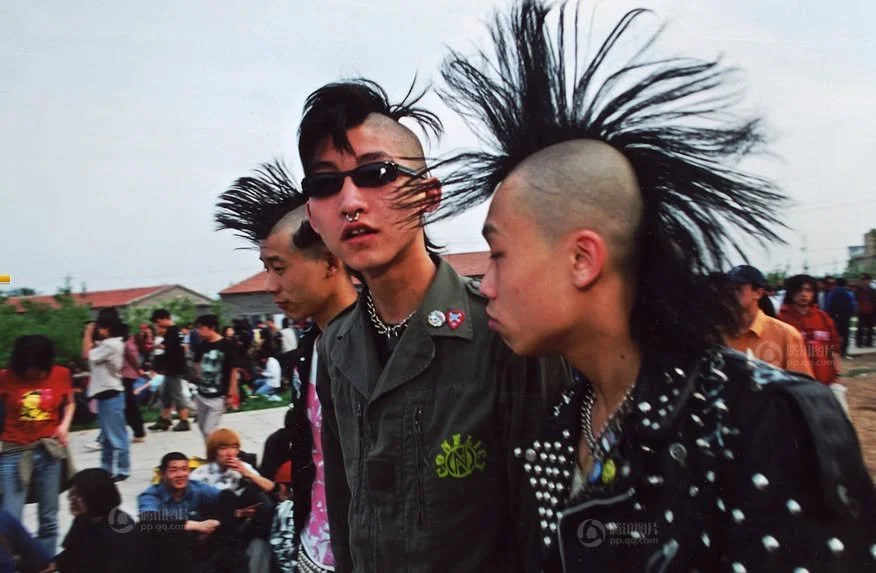
By the mid-1990s, Beijing had developed a rock underground with enough density and coherence to support the emergence of something harder and more confrontational. The infrastructure was modest, a handful of bars and small venues in the area around the university districts and the Haidian neighborhood, a network of musicians who knew each other through shared rehearsal spaces and informal performances, and a growing community of listeners who had come up through the Cui Jian generation and were looking for something with more edge.
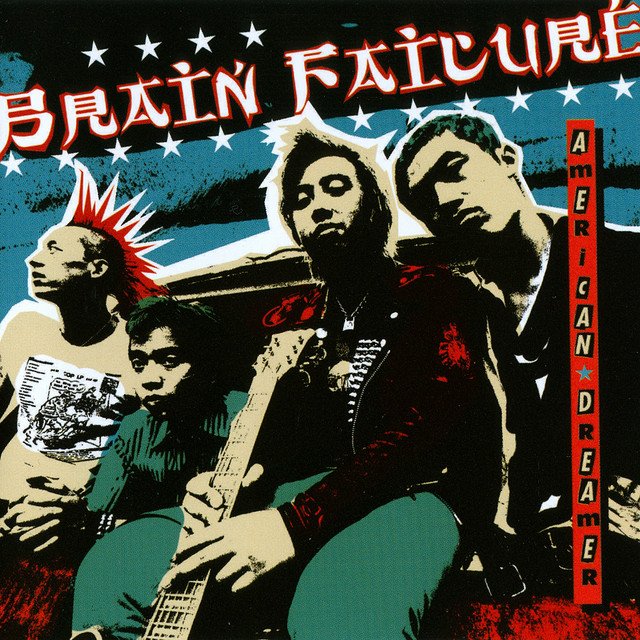
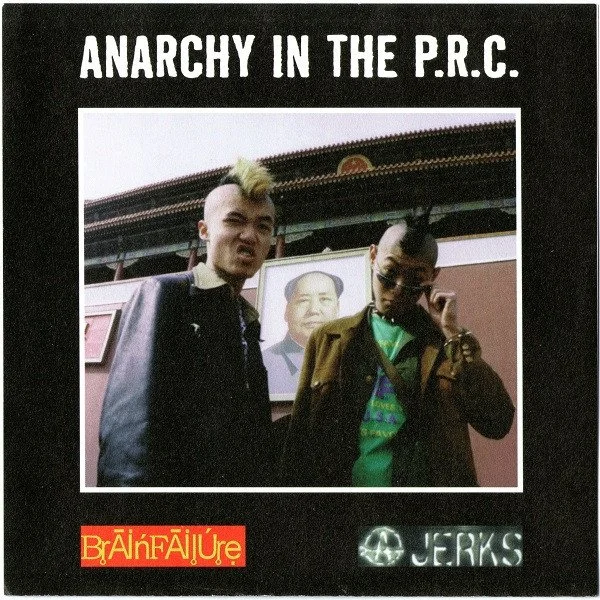
Brain Failure in particular became one of the most important bands in the history of Chinese punk, not only for the quality and energy of their music but for their success in establishing connections with the international punk network. Their relationship with Fat Wreck Chords, the American punk label founded by Fat Mike, frontman of NOFX, brought them international visibility and established their place within the global punk scene. The connection also carried significance for Beijing’s wider punk community, creating a precedent for international engagement that shaped how subsequent generations of Chinese punk musicians understood their relationship with the world beyond China.
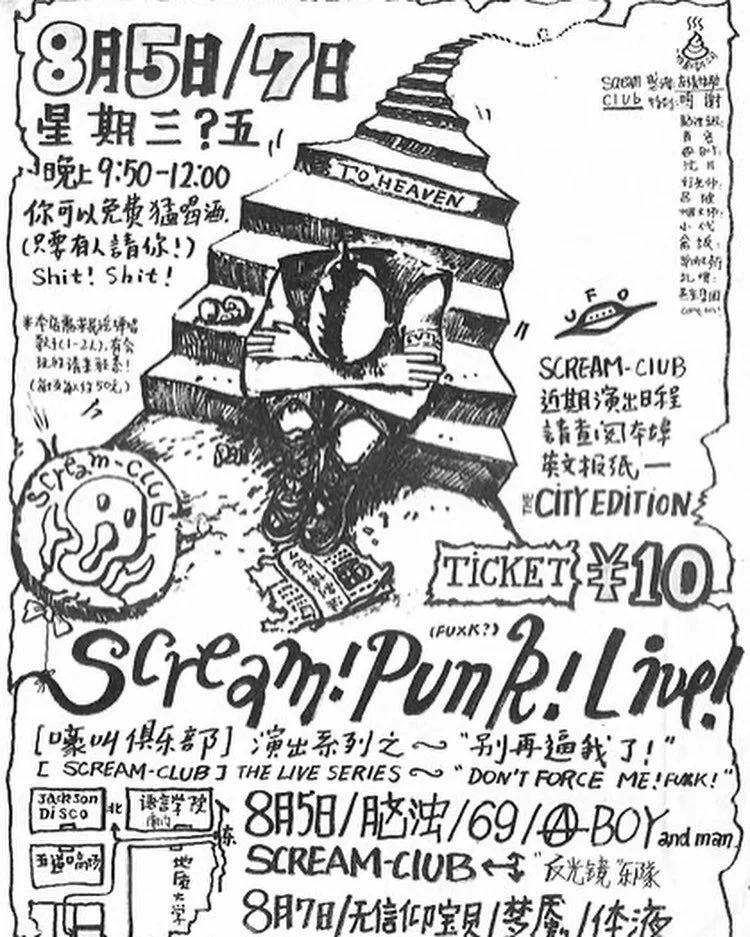
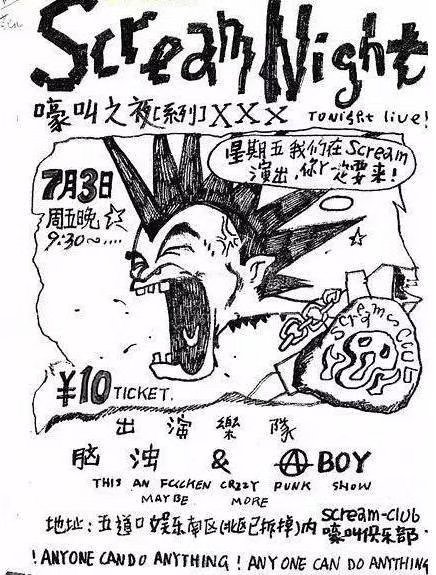
Alongside the music, Beijing’s punk scene developed its own DIY infrastructure through self-released recordings, hand-distributed flyers and shows organized through personal networks and word of mouth. The city became a particularly well-developed hub for these activities, supported by its concentration of musicians, students and creative people, as well as the relative tolerance associated with its status as a major metropolitan center with an established bohemian tradition.
Wuhan Creates Its Own Punk Infrastructure
While Beijing was consolidating its position as the primary center of Chinese punk, Wuhan was developing something distinct. The city had its own rock history that predated the punk moment, with a music scene that had grown up in the university culture around Wuhan University and the surrounding area, and that existing infrastructure provided the foundation for a punk scene that would develop its own character instead of simply replicating what was happening in Beijing.
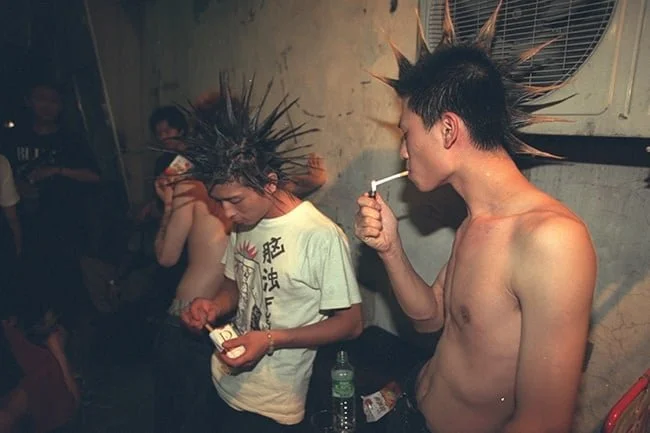
Wuhan's punk scene in the late 1990s and early 2000s was characterized by a particular intensity and a DIY ethic that went even further than Beijing in rejecting commercial ambition. The bands that emerged from Wuhan were often more abrasive, more ideologically committed to punk as a set of values instead of simply a musical style, and more explicitly connected to the hardcore traditions that had been transmitted through the dakou network.
The infrastructure that held the Wuhan scene together was built almost entirely through collective effort, bands sharing equipment, organizing their own shows, creating their own recording opportunities, and distributing music through personal networks. This self-sufficiency was partly a product of necessity; Wuhan was further from the international connections that Beijing had access to, and partly a reflection of the particular culture of the scene, which placed high value on independence and self-determination.
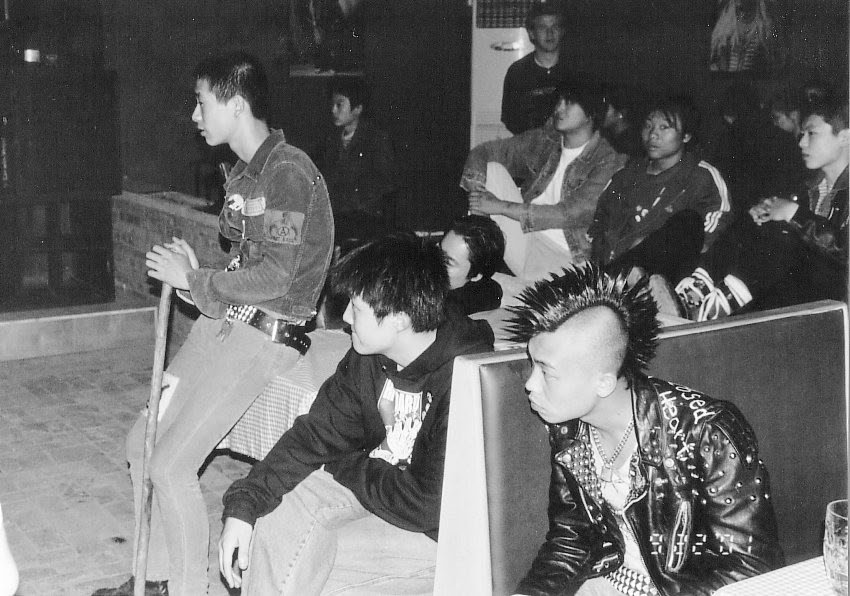
The Wuhan scene also produced some of the most significant Chinese punk recordings of the early 2000s, documents of a scene that was operating at a high level of creative intensity with minimal resources and minimal external support. These recordings circulated through the same informal networks that had brought Western punk to China in the first place, completing a circuit of influence that connected the global underground to a specific local moment in ways that neither side fully anticipated.
Two Cities, Two Punk Identities
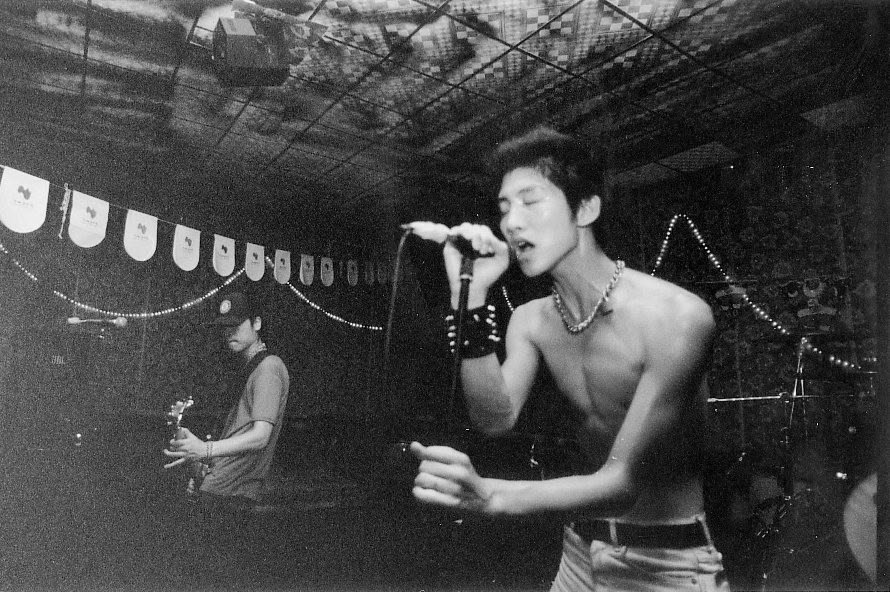
Beijing and Wuhan developed distinct approaches to punk, shaped by their respective networks, resources and local cultures. Understanding the differences between the two scenes offers a clearer picture of Chinese punk as a diverse cultural movement, shaped by different ideas of independence, community and what punk could represent.
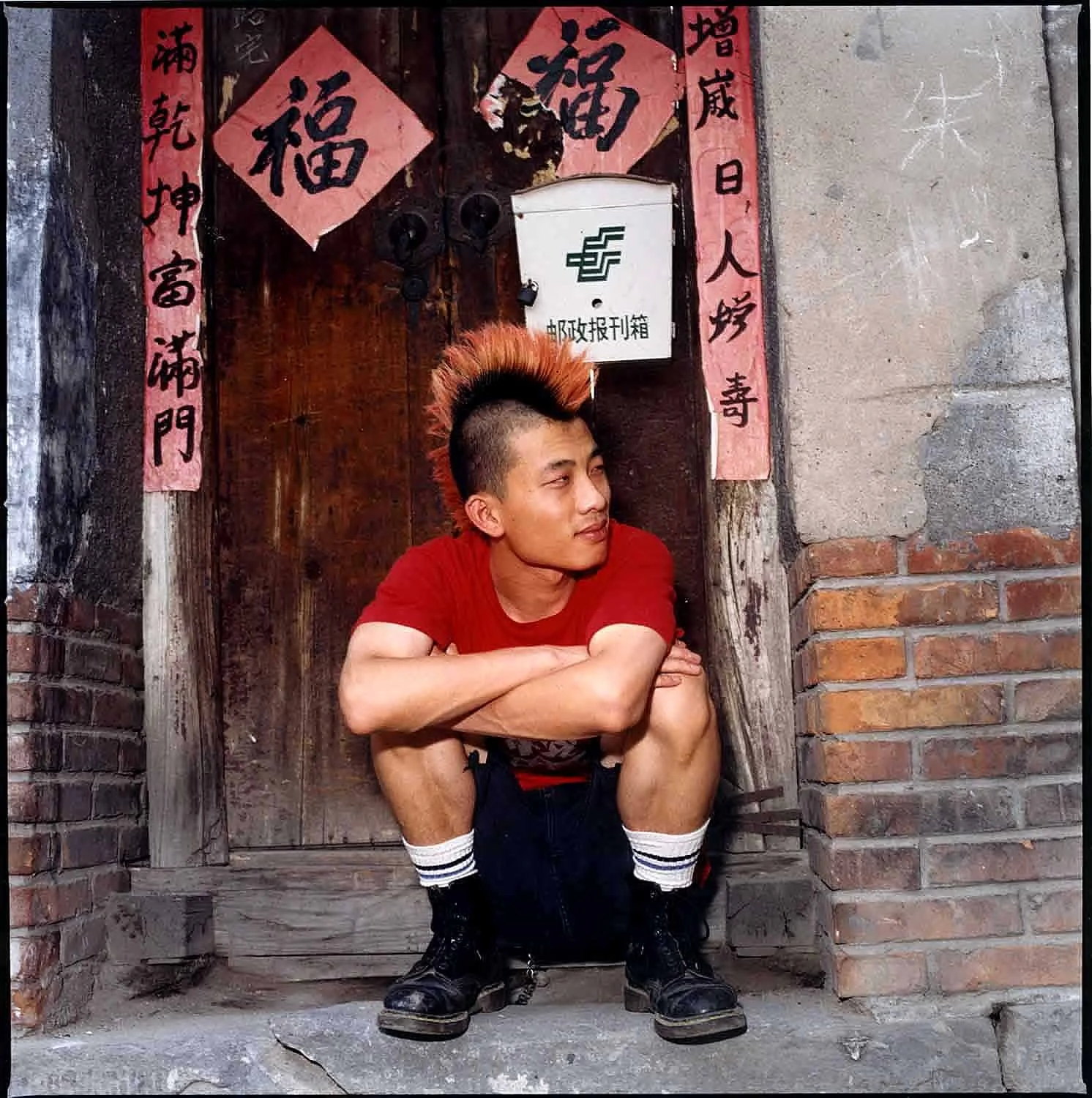
Beijing punk was shaped by its proximity to international connections, its position as the national capital with all the access to foreign visitors and cultural exchanges that implies, and its established bohemian culture that provided a relatively stable social environment within which a music scene could develop. The Beijing scene was more outward-facing, more engaged with the global punk network and more concerned with the question of how Chinese punk related to its international counterparts.
Wuhan punk was shaped by its relative isolation from those connections and its stronger roots in a specifically local culture. The Wuhan scene was more inward-facing, more concerned with building something sustainable within its own community and less preoccupied with how it appeared to the outside world. This produced music that was often rawer and more uncompromising, less polished by the awareness of an international audience and more directly expressive of the specific conditions of young people in a Chinese city that was undergoing rapid industrial transformation.
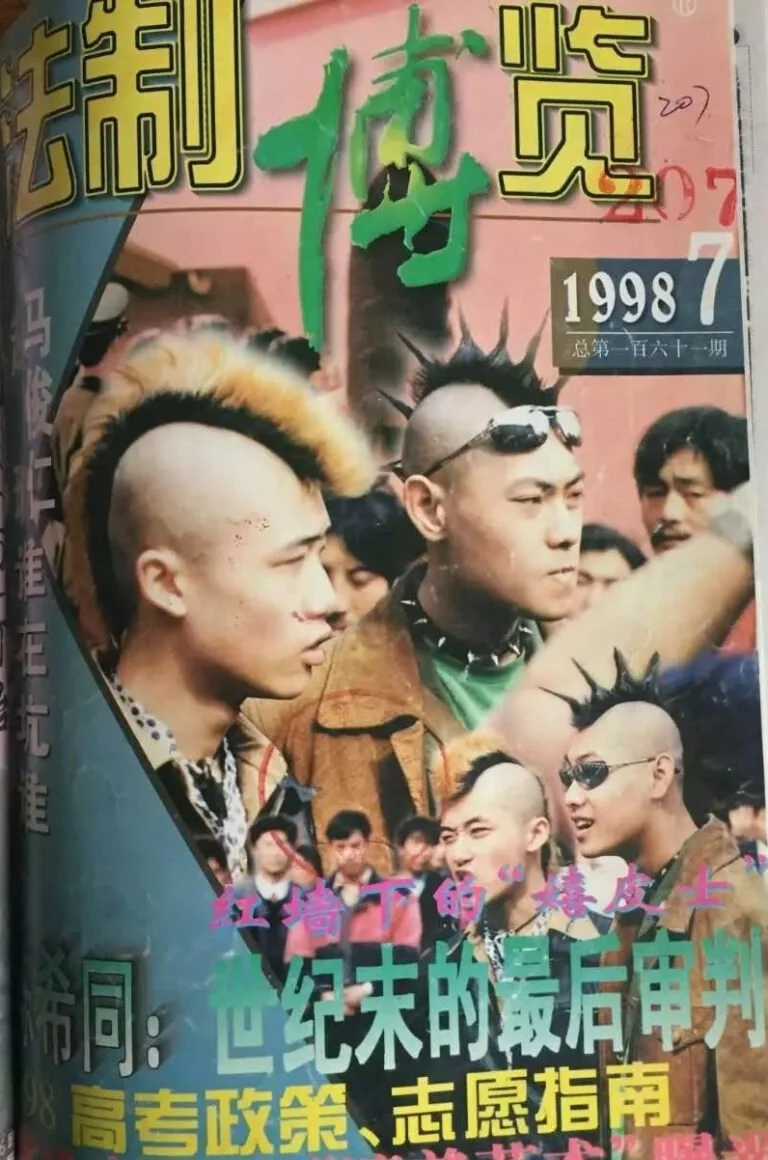
Together, these scenes revealed the diversity of Chinese punk, with each developing its own response to shared social and cultural conditions. Their common origins gave way to distinct expressions shaped by local circumstances, producing a culture that sustained itself across multiple cities and generations. This diversity allowed Chinese punk to evolve through different communities, each contributing its own ideas and approaches to the movement.
Women and the Expansion of the Scene
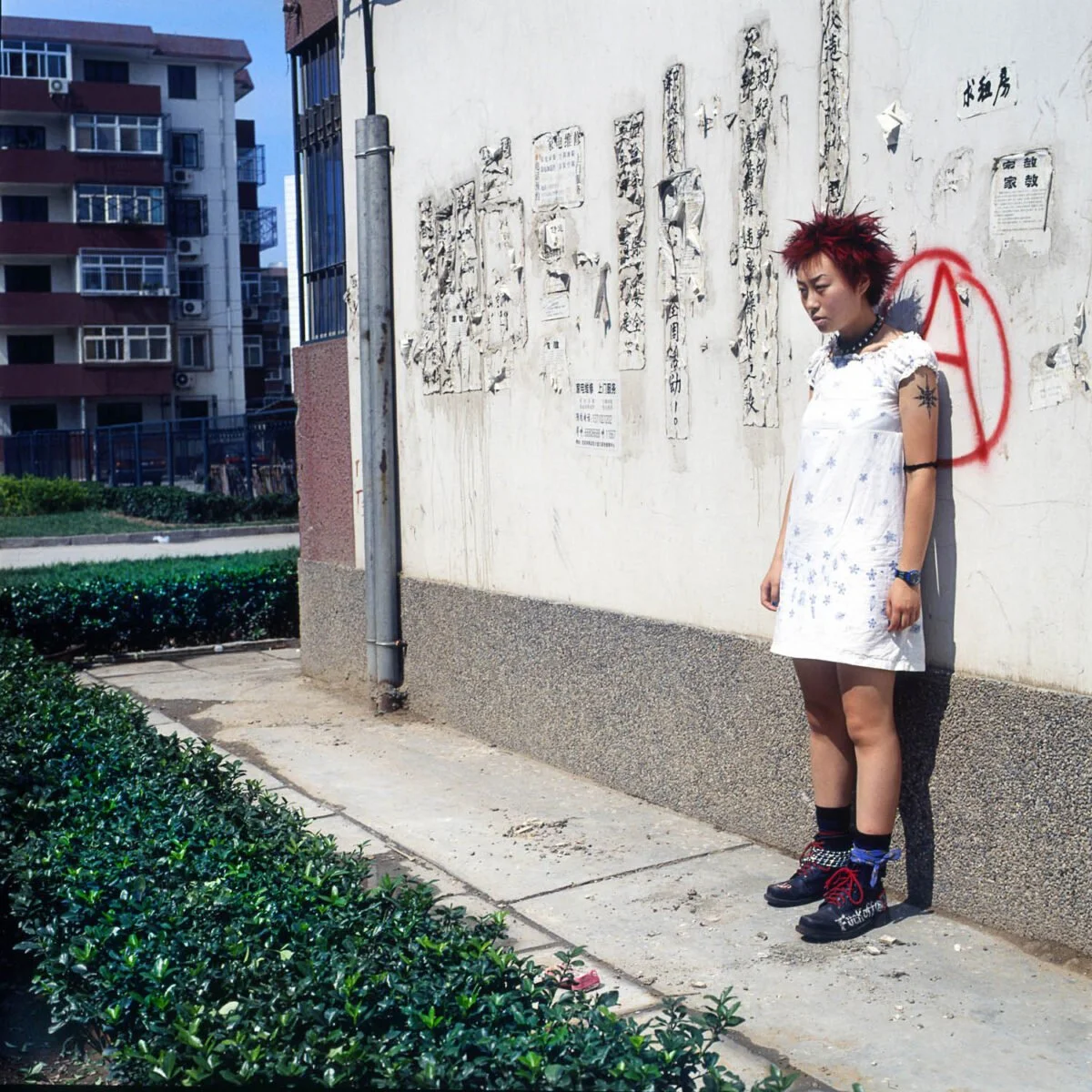
The history of punk in China, like the history of punk in most places, carries its own gendered undercurrents that complicate any straightforward account of a scene defined by its rejection of social norms. Women were part of Chinese punk from its early stages, contributing as musicians, organizers, zine makers and audience members. Their involvement helped shape the scene, even as historical accounts have often centered on the male-fronted bands that gained the greatest visibility.
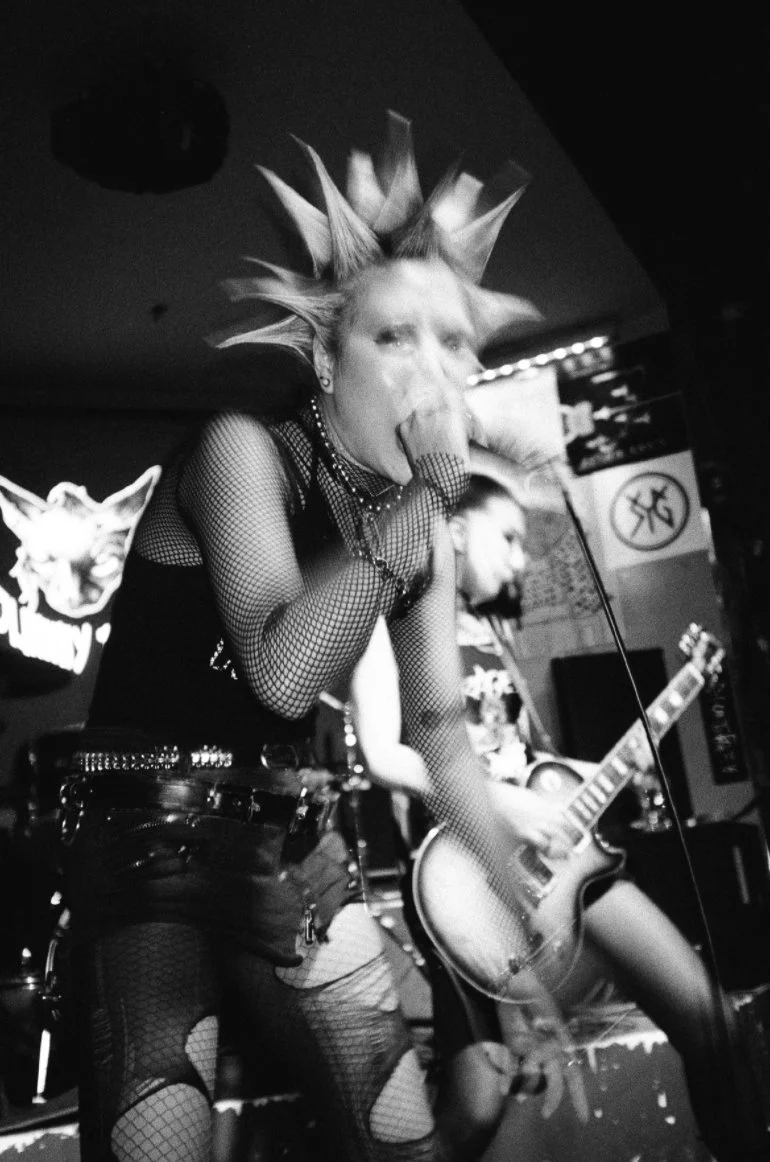
The scene was progressive in its politics in some respects and unresolved in others. The DIY ethic and the rejection of mainstream social norms created theoretical space for women to participate on equal terms, and some did, forming bands, running independent labels and occupying organizational roles that gave them real influence within the scene's development. At the same time, punk spaces, like underground music communities elsewhere, reflected the broader gender dynamics of the society around them. Women in the scene often navigated the gap between a community that claimed to welcome their participation and practices that did not always uphold that ideal.
As the scene expanded beyond Beijing and Wuhan into other Chinese cities, women became increasingly visible as musicians and organizers, and the expansion of the scene coincided with a broader shift in how Chinese punk understood its own relationship to questions of identity and politics. The gendered dynamics of the early scene didn’t disappear, but they became more explicitly contested, and that contestation was itself a sign of a scene maturing into something more capable of examining its own contradictions.
Venues, Zines and the Making of a Punk Culture
The physical and cultural infrastructure of Chinese punk was built through a combination of venues, independently produced print materials and a network of personal relationships that held the scene together across cities and across time. Understanding this infrastructure is essential to understanding how Chinese punk survived and developed through periods when it had no commercial support and no official recognition.
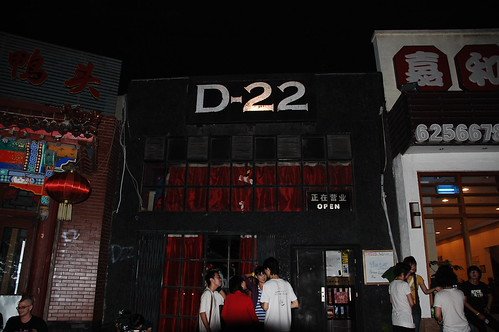
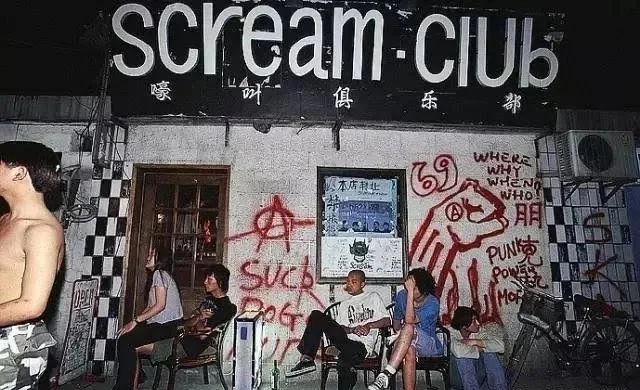
In Beijing, D-22 became the most significant venue of the 2000s punk and indie scene, a small bar in the Haidian district that hosted an extraordinary range of performances and became a gathering point for a community that extended well beyond music into art, writing and political culture. Its closure in 2012 marked the end of an era for the Beijing scene and was mourned as the loss of something irreplaceable. Scream Club operated as another significant space in the Beijing underground, and Mao Livehouse provided a slightly larger platform that brought underground music to a broader audience while maintaining a connection to the independent culture that had produced it.
Zines were central to the development of Chinese punk culture as a self-conscious community with its own discourse and its own history. Hand-produced and informally distributed, they circulated interviews, reviews, manifestos and artwork that gave the scene a sense of its own identity and created a record of what was happening that would otherwise have gone undocumented. The DIY ethic of the zine was continuous with the DIY ethic of the music, and the people who made them were often the same people who organized shows, ran labels and kept the scene functioning through the periods when its commercial prospects were essentially nonexistent.
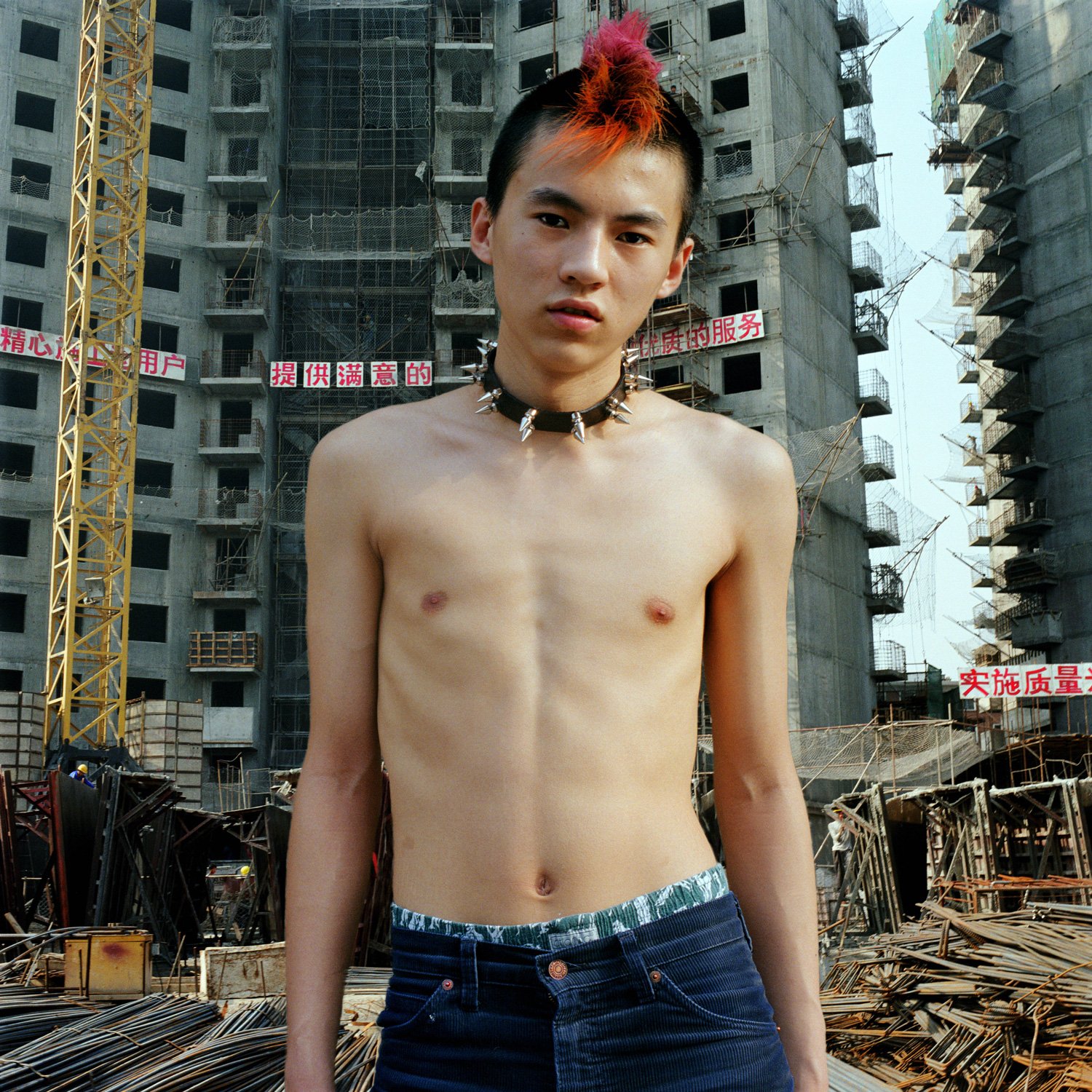
The network of relationships that connected musicians, venues, zine makers and listeners across cities was itself a form of infrastructure, maintained through correspondence, personal visits, shared touring and the informal economy of favors, recordings and printed materials that circulated through the scene. This network was fragile in the sense that it depended on the continued commitment of individuals who had limited resources and no institutional support, and resilient in the sense that it didn’t depend on any single institution or individual and could absorb losses without collapsing.
The 2000s and What Survived
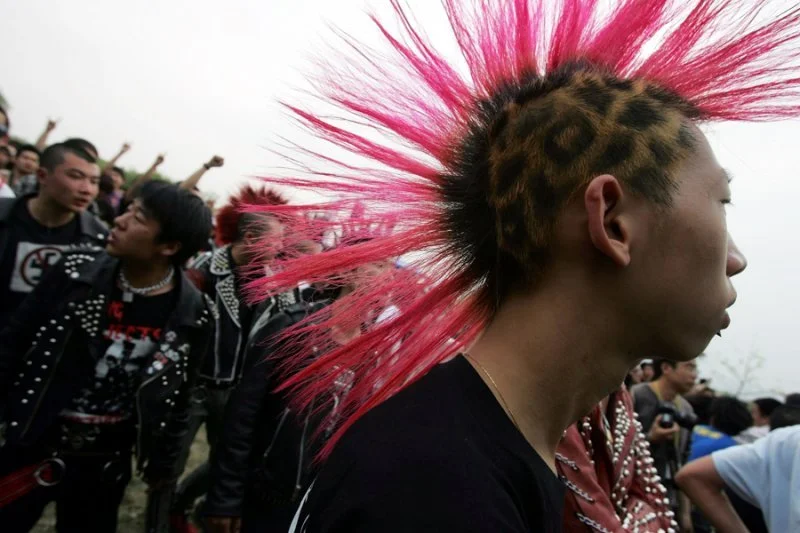
By the early 2000s, Chinese punk had reached a period of consolidation and transition. Beijing and Wuhan had developed a body of music, established networks and a community of people who had spent much of the previous decade building a scene from the ground up. What came next, however, remained an open question as the movement entered a new phase of its development.
The commercial music industry had begun to take notice of the energy that underground music was generating, and some bands made decisions to pursue wider audiences through channels that the pure DIY ethic of the early scene would have rejected. Others maintained their commitment to independence and found that the audience for genuinely underground music, while small, was stable enough to sustain a career on modest terms. This tension between underground independence and mainstream recognition existed far beyond China, but it carried particular weight there, where the divide between underground music and the mainstream was far wider than in countries with a longer history of commercial independent music.
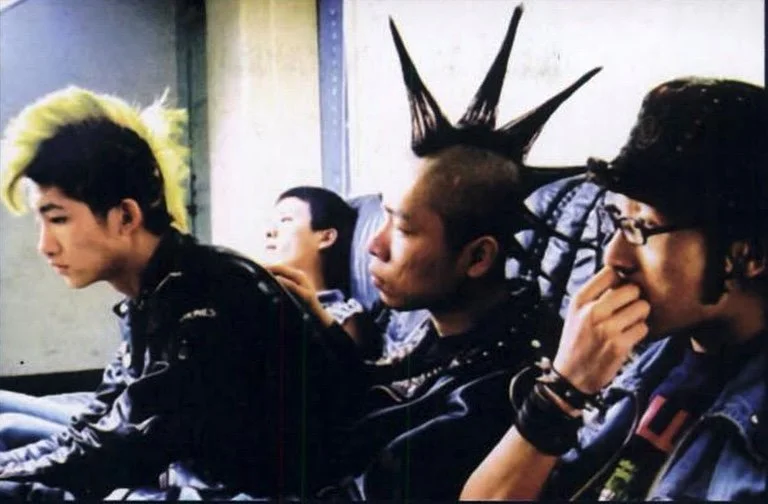
The venues that had built the physical infrastructure of the scene in Beijing began to close or change character as the neighborhoods they occupied were transformed by urban development. D-22 closed in 2012. Other spaces that had been central to the scene in its formative years disappeared under the pressures of rising rents and the gentrification of the districts where underground culture had been able to exist because nobody else wanted to be there.
What endured was less an institutional scene than a culture, shaped by shared values, practices and the experiences of those who had built Chinese punk. As the original networks changed, the people who formed them carried that influence into their subsequent lives and work. Some became musicians in different contexts, some became promoters and organizers who applied the DIY ethic to new projects, some became writers and critics who brought the perspective of the underground to bear on broader questions of Chinese culture. The music they had made in small venues with minimal equipment and no expectation of commercial reward remained as a document of a moment in Chinese history that official culture had neither produced nor anticipated.
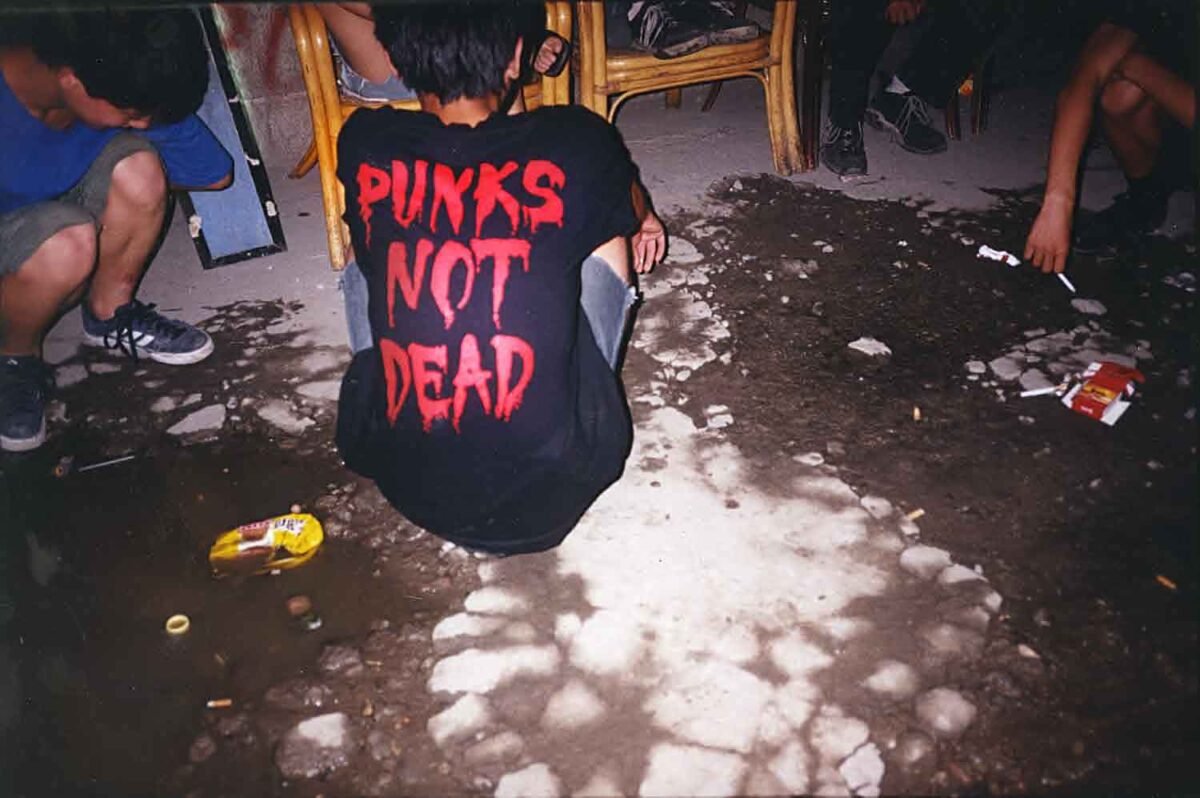
Chinese punk transformed and dispersed throughout the 2000s, continuing in forms that were sometimes less visible but remained just as real. The bands that had defined the early scene became reference points for subsequent generations of Chinese musicians, offering both a model and a challenge. Their legacy demonstrated the possibility of making music outside the system, while their experiences revealed the personal costs of forging that path.
About the Author:
Abeer Salah is a Seoul-based editor, writer, and cultural curator exploring emerging scenes, underground culture, and internet-born subcultures. She is the founder of the collective P.T.S.D.