How Millennials Built Online Subculture & Gen Z Turned It Into the Feed
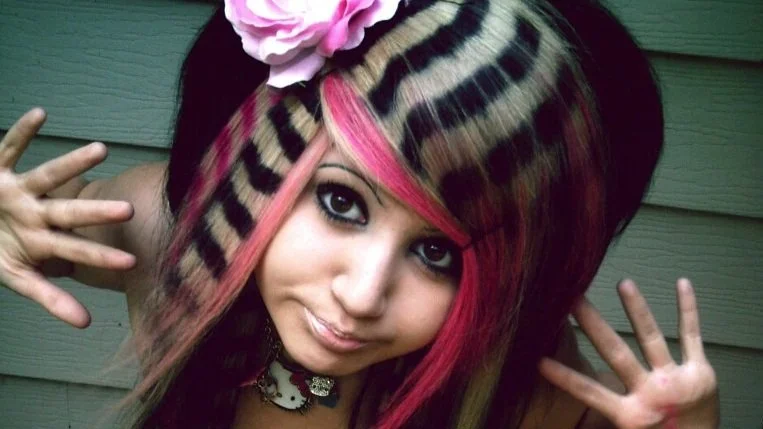
The generational discourse between Millennials and Gen Z gets flattened into surface-level cultural jokes, but underneath that sits something worth actually examining, a genuine divergence in how two generations experienced culture online and what that did to the way subculture forms, spreads, and eventually means something to the people inside it.
Millennials came of age during the specific window when the internet arrived but had not yet restructured everything, which made them the first generation to carry scenes that had previously depended on physical spaces and regional word of mouth into digital ones. Geography stopped being the organizing principle of subculture, and what had once been confined to a local venue or a specific shop became globally networked for the first time. Culture still had weight then because accessing it required effort, and effort produced the kind of attachment that made people want to build something in response to what they encountered. Every major artistic movement in recorded history followed that same chain, one generation absorbing the previous one deeply enough to either extend or push against it, and that friction is what produced something genuinely new.
Gen Z inherited an internet already restructured by recommendation systems, where platforms organize culture through engagement, and historical distance collapses entirely, placing every era in simultaneous reach with equal weight assigned to all of it. The consequence is a generation reacting to everything that has ever happened at once, which sounds expansive but functions closer to paralysis, because when all of recorded culture is equally available and equally weightless, the chain of influence that drove artistic movements for centuries breaks down. Streaming platforms accelerated this by replacing ownership with access, training audiences to consume before moving to the next recommendation, and producing cultural exhaustion at the exact moment they promised cultural abundance. Previous generations built emotional relationships with culture through repetition and physical proximity, returning to the same records and films across years until the work became genuinely part of how they understood themselves. The archive offers everything and encourages nothing to be held onto.
What comes with that is a generation that curates and remixes with extraordinary fluency but inherits culture as something performed through the feed, and the question sitting beneath all of it is whether a cultural moment experienced entirely through algorithmic delivery can leave the kind of mark that makes people want to create something new in response to it, which is the only way the chain ever moved forward to begin with.
Millennials Built Internet Subculture Infrastructure
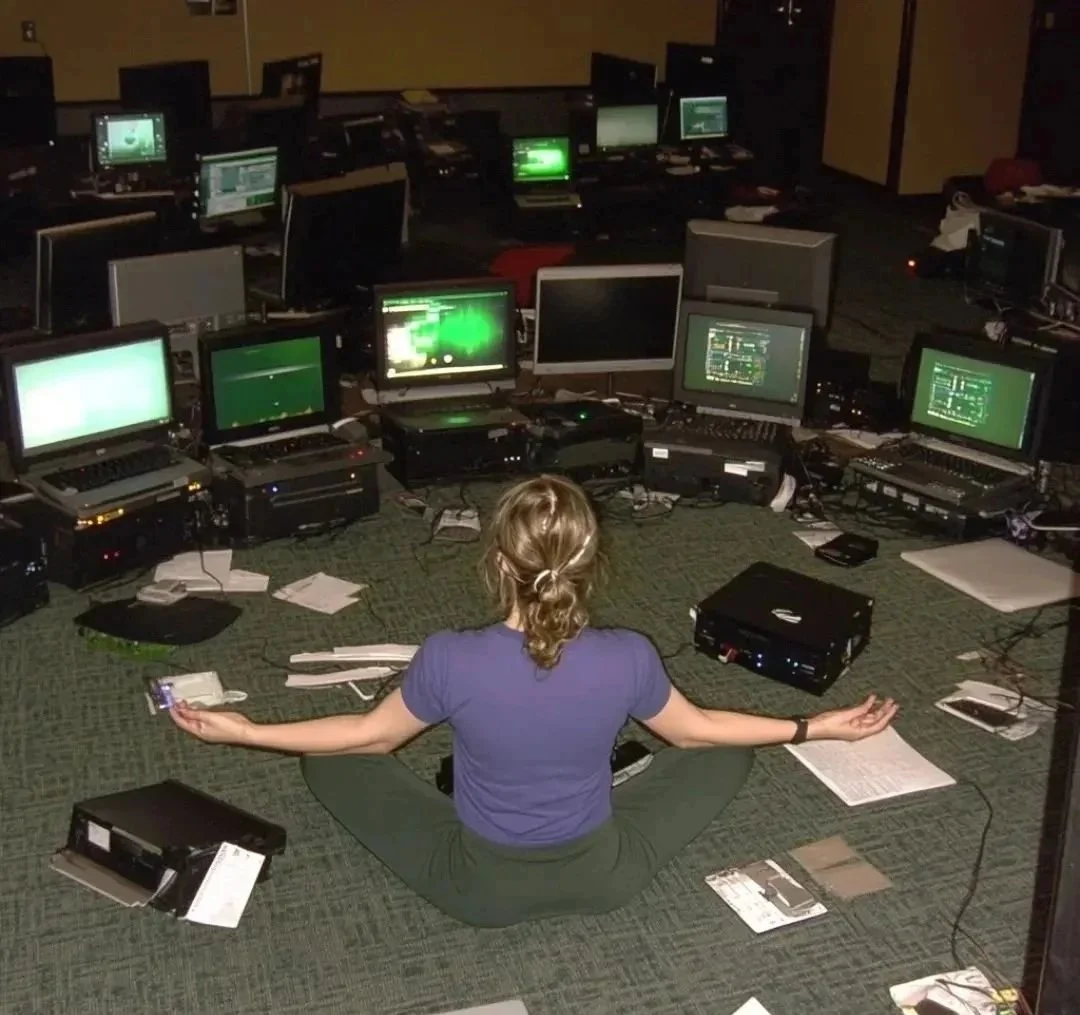
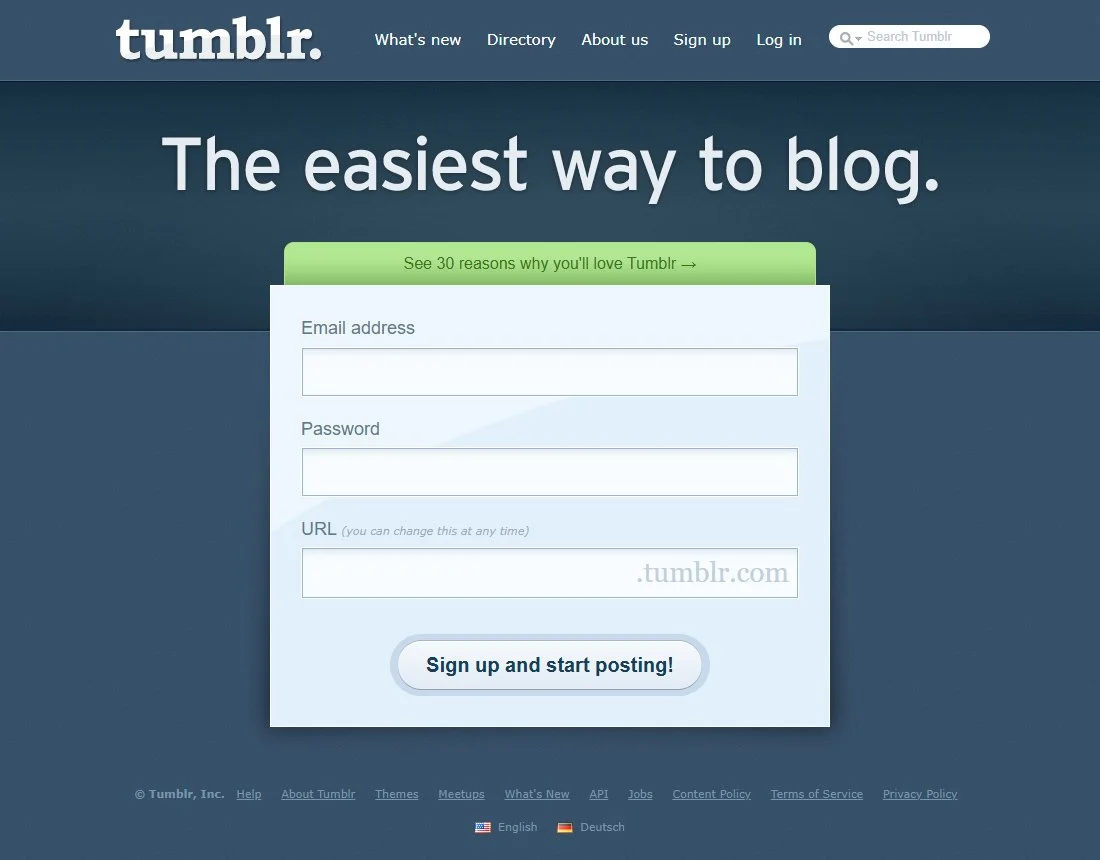
Millennials built the internet's first genuinely identity-driven spaces during a period when being online still carried friction and discovery in equal measure. Platforms like Tumblr and MySpace demanded active participation, and that friction was inseparable from what made belonging to something feel like it actually meant anything. An algorithm had no say in what we encountered, and the effort required to find your people was part of why finding them felt significant.
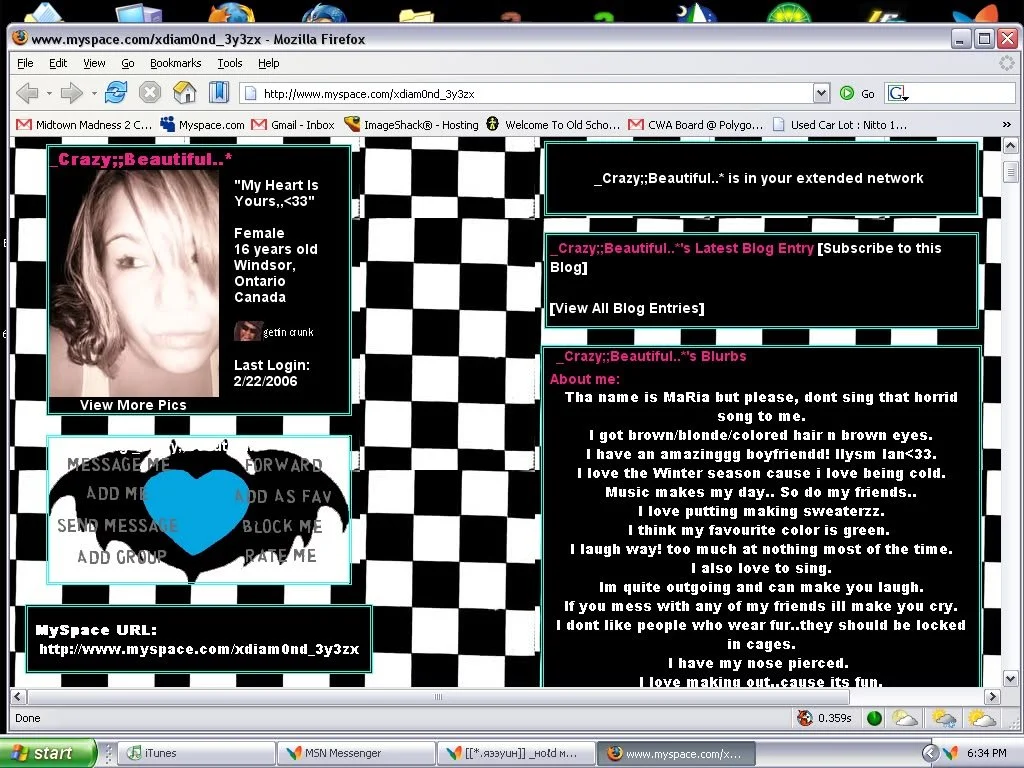
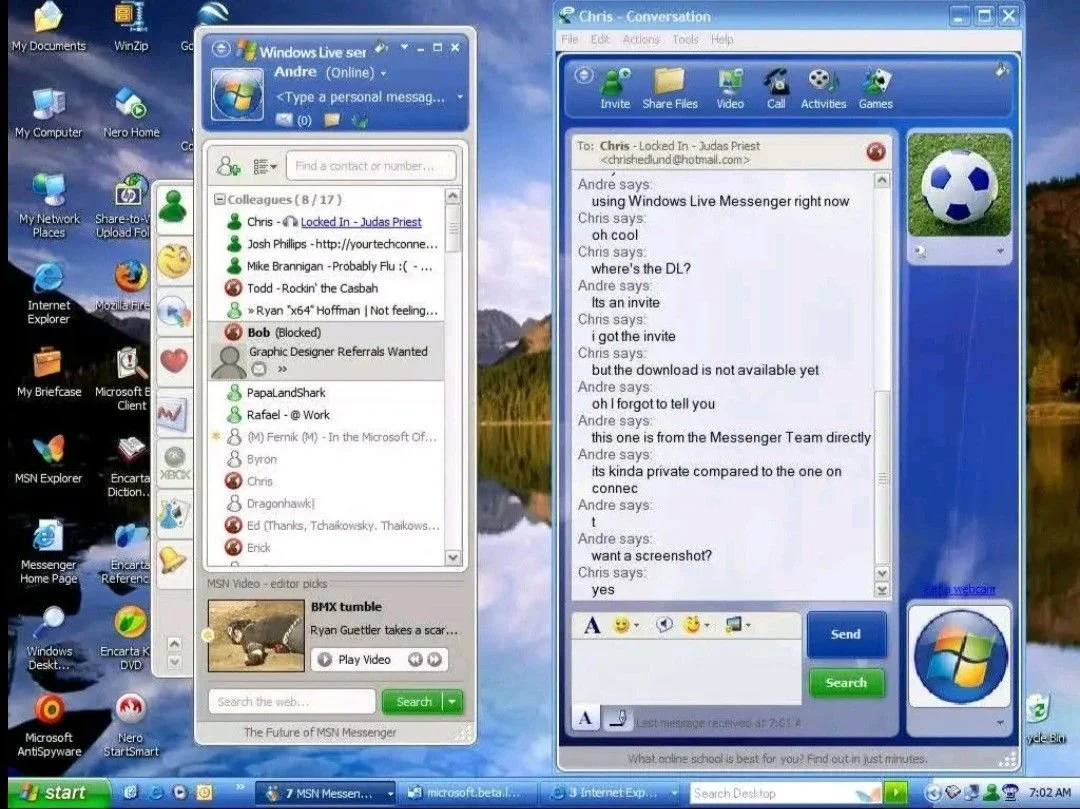
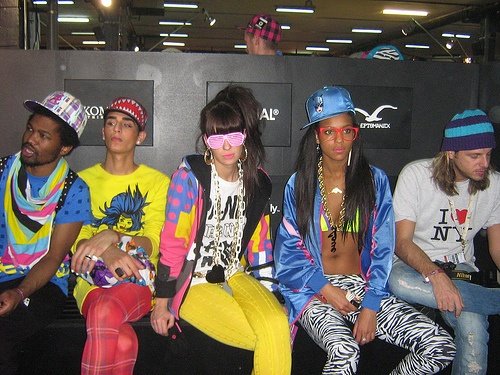
Subcultures were complete ecosystems where clothing, music, aesthetic sensibility and emotional posture were all part of the same package, and entering one meant changing behavior, taste and online presence in ways that took genuine time and commitment. The internet still had borders then, and scenes felt territorial because they formed around niche communities where visibility was earned through proximity.
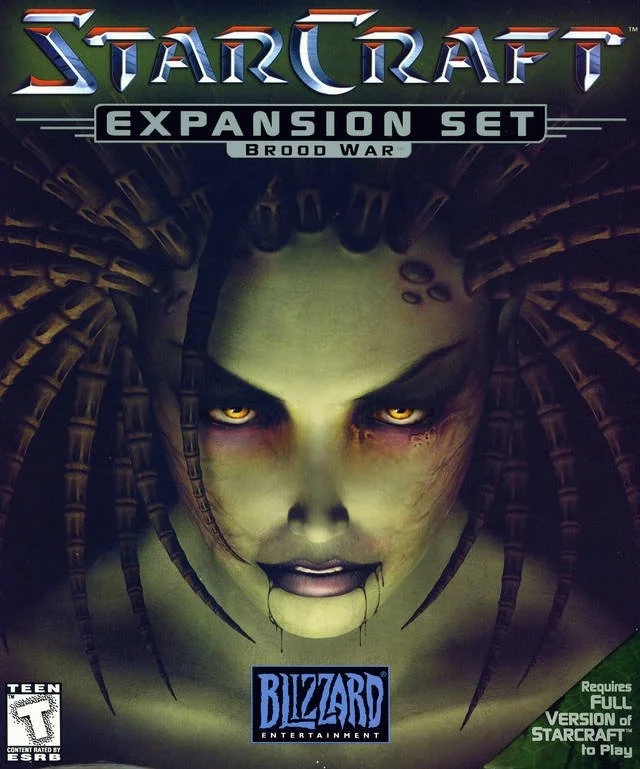
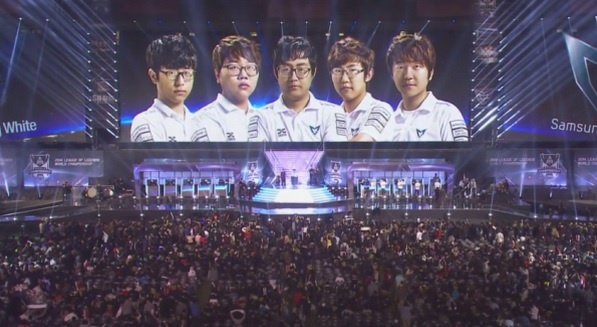
Gaming carried that same architecture. StarCraft established the blueprint for what a game could become beyond entertainment, building South Korea's PC bang culture into the first proof that competitive gaming could generate its own professional scene, broadcast infrastructure and cultural mythology. Millennials grew up watching video games, comic books and anime pulled from subcultural obscurity into mainstream conversation, treated as serious cultural objects by a generation that refused the embarrassment historically attached to them, which laid the groundwork for the entertainment infrastructure built around all three now.
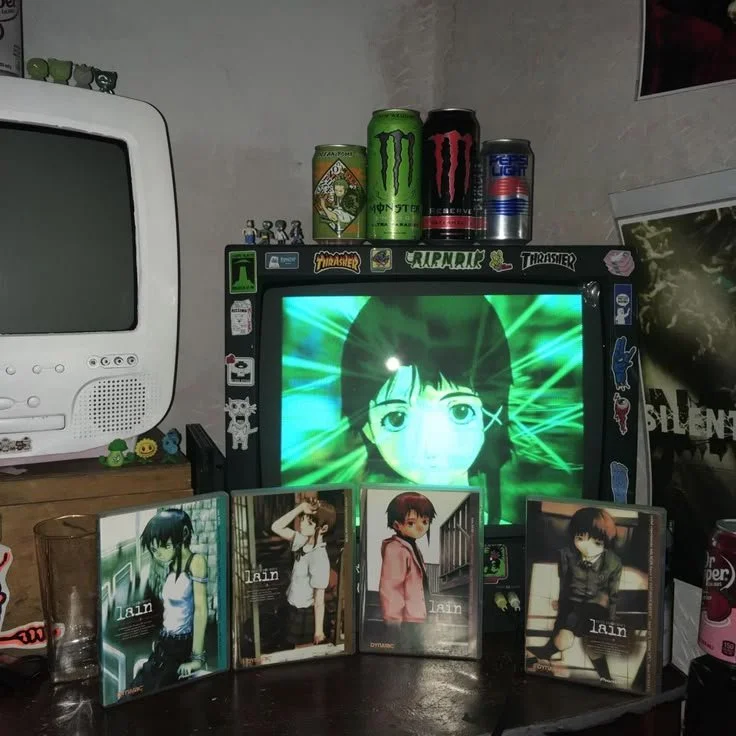
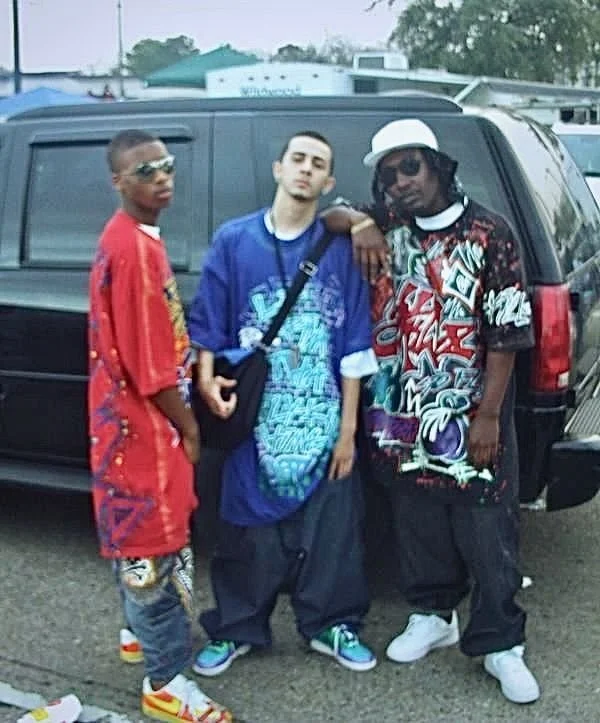
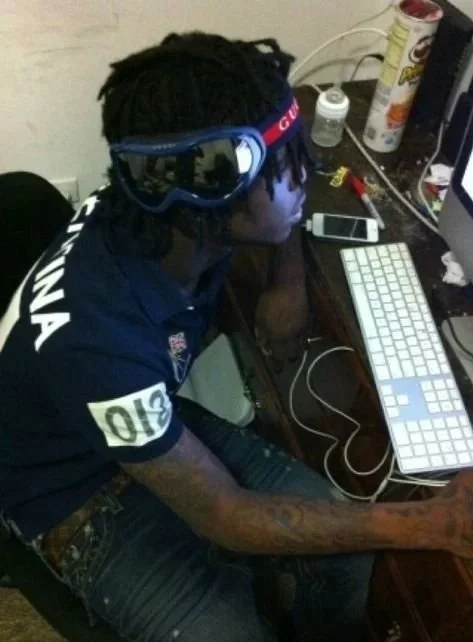
Early 2010s trap, R&B and cloud rap completed that logic by making the internet itself the scene, where artists arrived with entire online mythologies already assembled around them so that the music and the world surrounding it became indistinguishable from each other, and the culture being built around these sounds extended well beyond what was coming through speakers into how people dressed, moved and understood themselves online. Participation in these spaces required genuine fluency and proximity to communities that still felt semi-hidden, and people spent years inside them.
Gen Z Turned It Into the Feed
Gen Z entered an internet that had already been restructured around them, where discovery arrived preselected through feeds designed for speed and engagement rather than something stumbled upon through genuine searching. The shift sounds incremental but the consequences were structural. Earlier internet spaces demanded that users build their own identities through curation, exploration and sustained participation inside specific communities. TikTok, Instagram and Spotify transformed that process into something delivered automatically, so that taste became less a product of searching and more a product of what the algorithm decided to surface next.
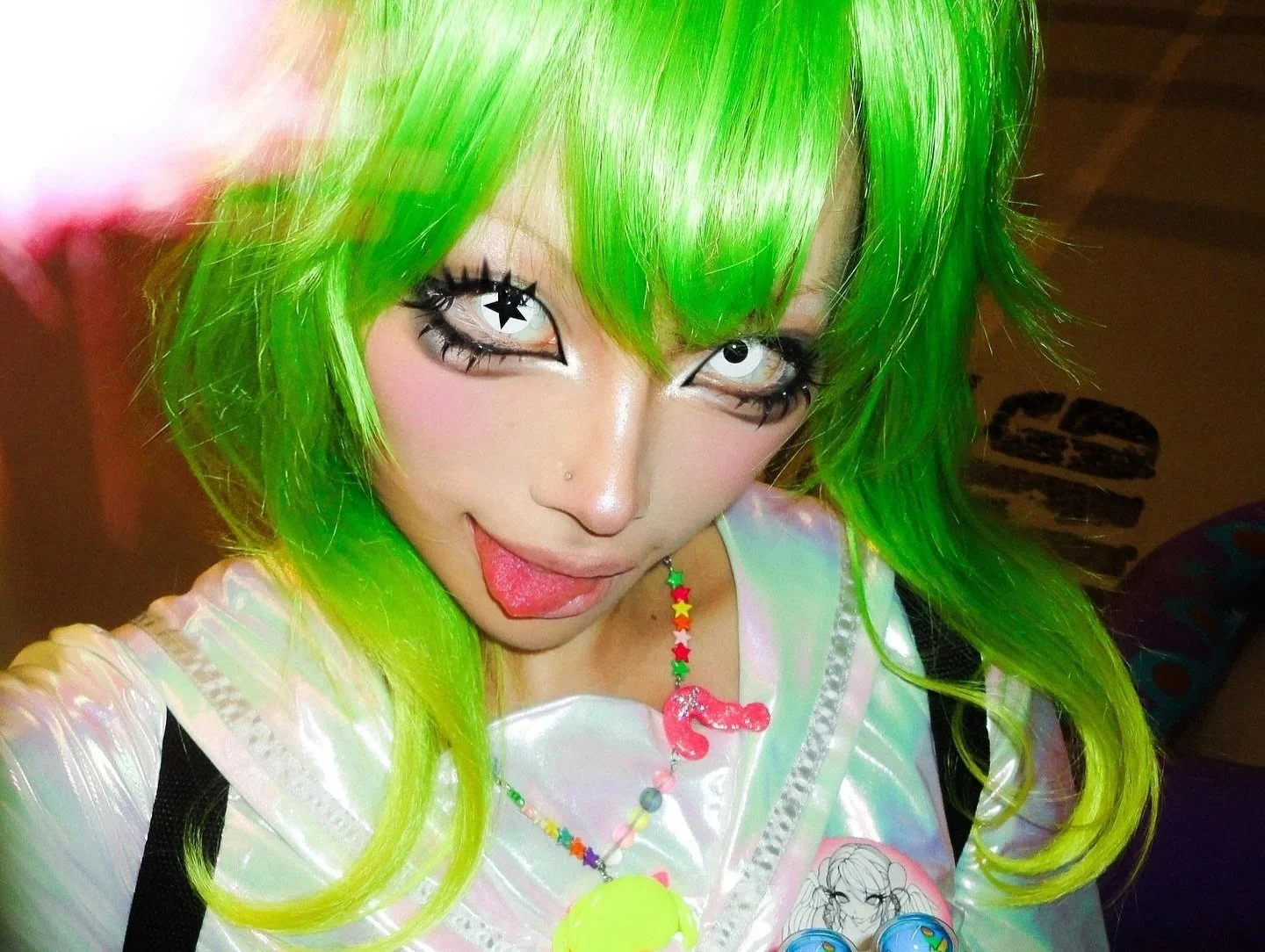
alongside this, the speed at which aesthetics detach from the communities that originally produced them also accelerated. E-girls and e-boys are frequently claimed as native Gen Z subcultures but trace directly back to Tumblr-era Millennial aesthetics, hyper-feminine internet irony and early deviantART communities, repackaged and redistributed through a faster system to an audience with no memory of the original context. This is how trend cycles behave now, scenes that once developed over years inside specific communities appear fully formed and immediately accessible, circulate at high velocity, and get replaced before any sustained culture has had time to form around them.
The internet stopped being a place people explored and became a system that organizes, redistributes and accelerates culture back at them, collapsing the distinctions between scenes that once existed in genuine separation from one another. Music, fashion, humor and politics now move through the same feed with the same weight assigned to all of it, and the result is a cultural environment where everything is available and almost nothing accumulates.
From Subculture to Simulation
Goth, punk and emo did not begin as aesthetics. They emerged from specific economic frustrations, local music scenes, political dispositions and communities of people who shared enough of the same experience to build something with genuine internal logic. The clothing and the hairstyles were legible because the conditions that produced them were real, and adopting them meant participating in something that had consequences for how you moved through the world outside the internet.
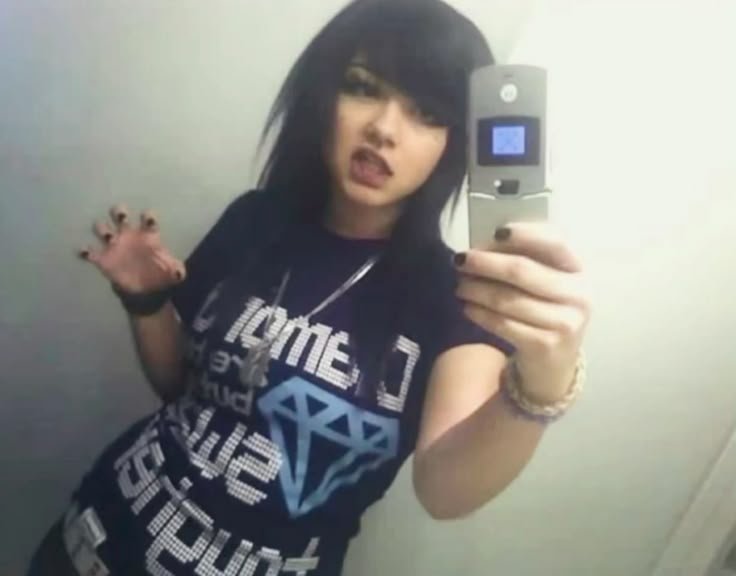
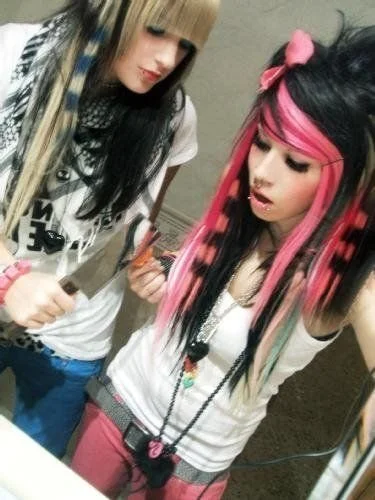
Online circulation separated the aesthetic from those conditions entirely. Platforms built around recognizability and repetition have no mechanism for preserving context, so what travels is the surface, the visual codes, the symbols, the photography style, detached from the histories that gave them weight. A subculture that once required years of proximity to enter now exists as a fully packaged reference available to anyone with a Pinterest board and an afternoon to spend on it, which is not participation so much as consumption wearing participation's clothing.
The picture gets complex however since genuine community did not disappear entirely. Discord rebuilt something closer to the original forum model, spaces where people gather around shared obsessions and stay long enough to develop their own internal cultures, languages and hierarchies. Streaming created its own communal infrastructure around gaming and live content that carries real sustained engagement. The instinct toward belonging survived the algorithmic restructuring of the internet, it just migrated into architectures that are harder to recognize as subculture from the outside.
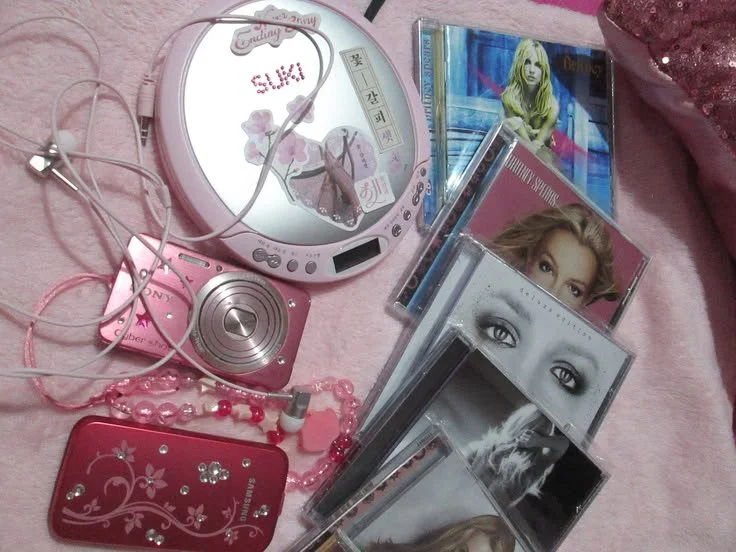
The most fundamental shift is that ideology detached from participation. A person can move between dozens of identities across a single week through feeds, archive pages and playlist algorithms without maintaining any lasting connection to the communities attached to them, and what once functioned as collective identity now moves as curated self-presentation, visible, flexible and ultimately weightless.
Nostalgia as Coping Mechanism
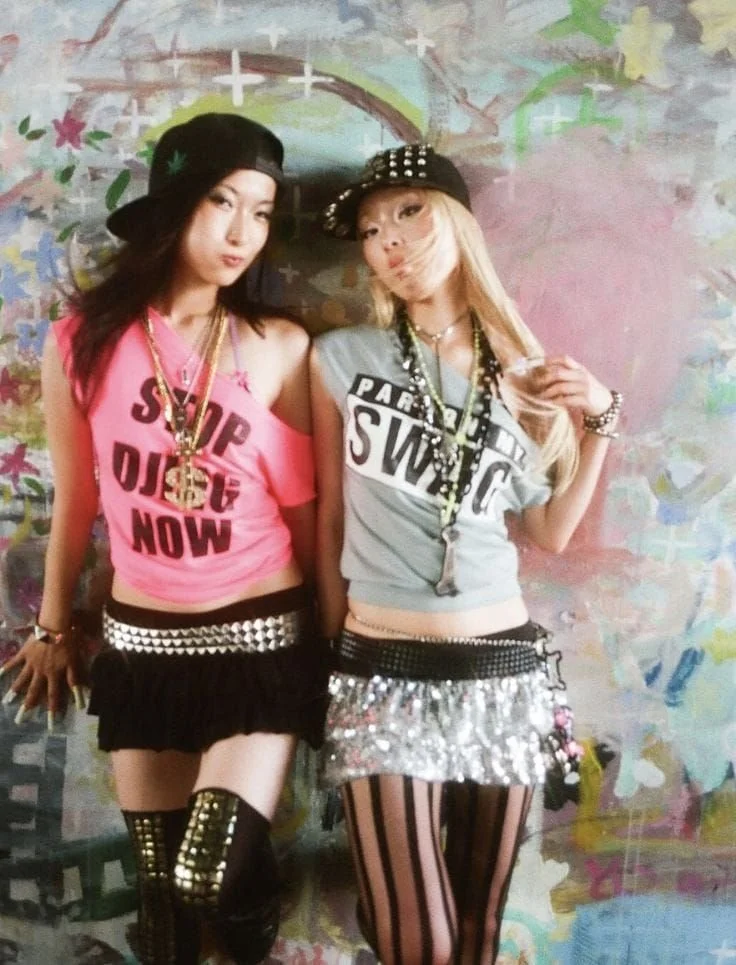
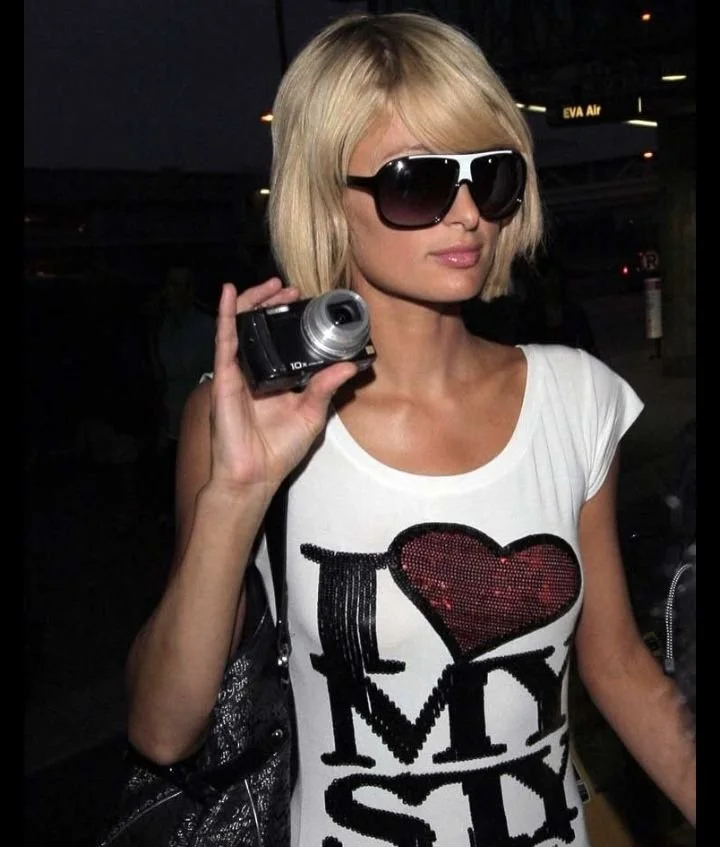
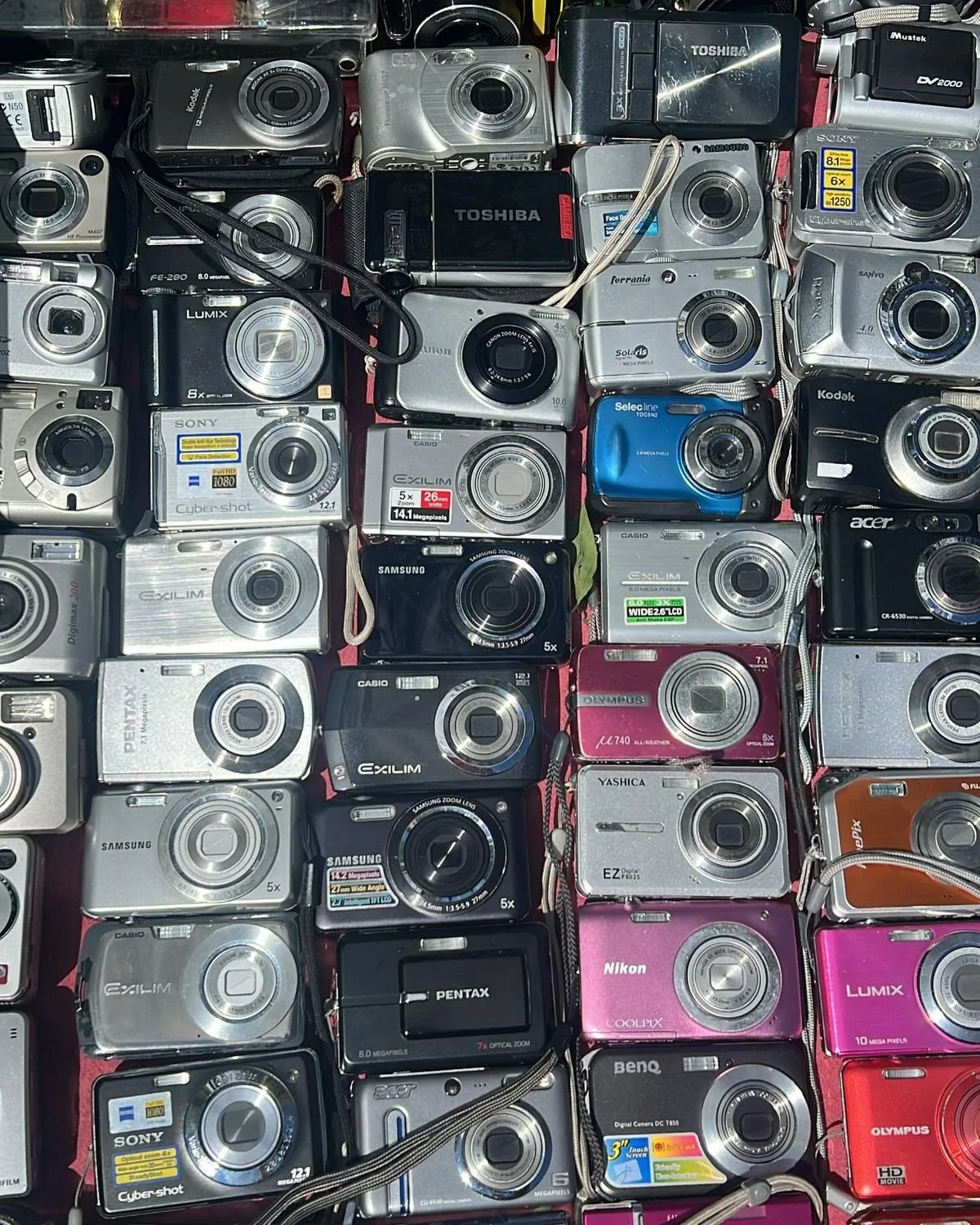
Nostalgia has always existed inside youth culture but what Gen Z is doing with it acts on a different register entirely. The revival of vinyl, film photography, physical media, and early internet aesthetics is not straightforwardly about missing something; it is about reaching for forms of cultural permanence and community that the current internet was structurally designed to prevent. Swag era fashion, indie sleaze, emo scene kid aesthetics, and Tumblr-era photography are all circulating through Gen Z feeds with enough sustained energy to suggest that something more than trend recycling is happening beneath the surface.
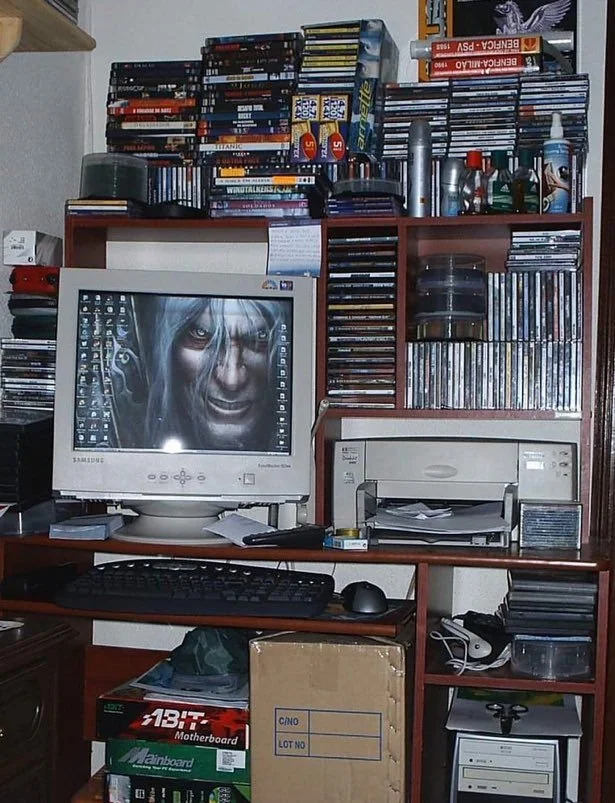
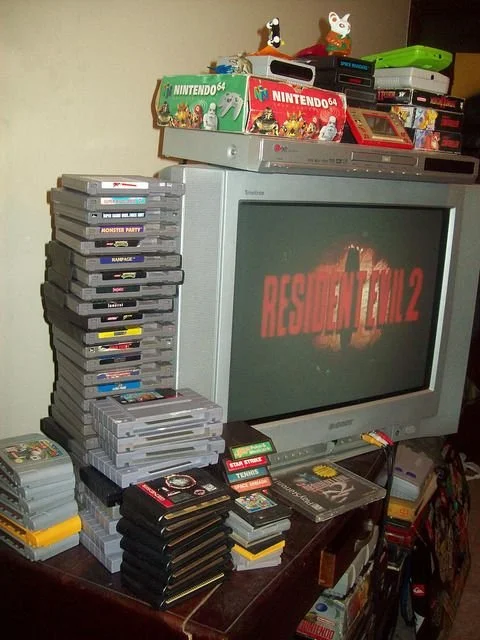
The version of the internet these aesthetics reference appeared slower, more personal, and less optimized for performance, built around smaller communities, local scenes, and fragmented platforms where identity formed through genuine participation rather than visibility metrics. Gen Z inherited a fully monetized feed where identity moves through endless cycles of trend forecasting and reinvention, and the exhaustion that produces has made earlier internet culture look like evidence that a different relationship between people and online life was once possible.
The reason this is more than simple nostalgia is that the appetite driving it is not for the specific cultural content of those eras but for the conditions that produced them, the friction, the community, the sense that culture belonged to the people inside it rather than to the platforms distributing it. Buying vinyl in 2025 is not about the music alone; it is about owning something the algorithm cannot take back. Shooting on film is not about aesthetics alone; it is about producing an image that exists outside the feed entirely. The return to physical media and archived subcultures points to a generation looking for cultural weight inside a system that was built to keep everything moving and nothing permanent.
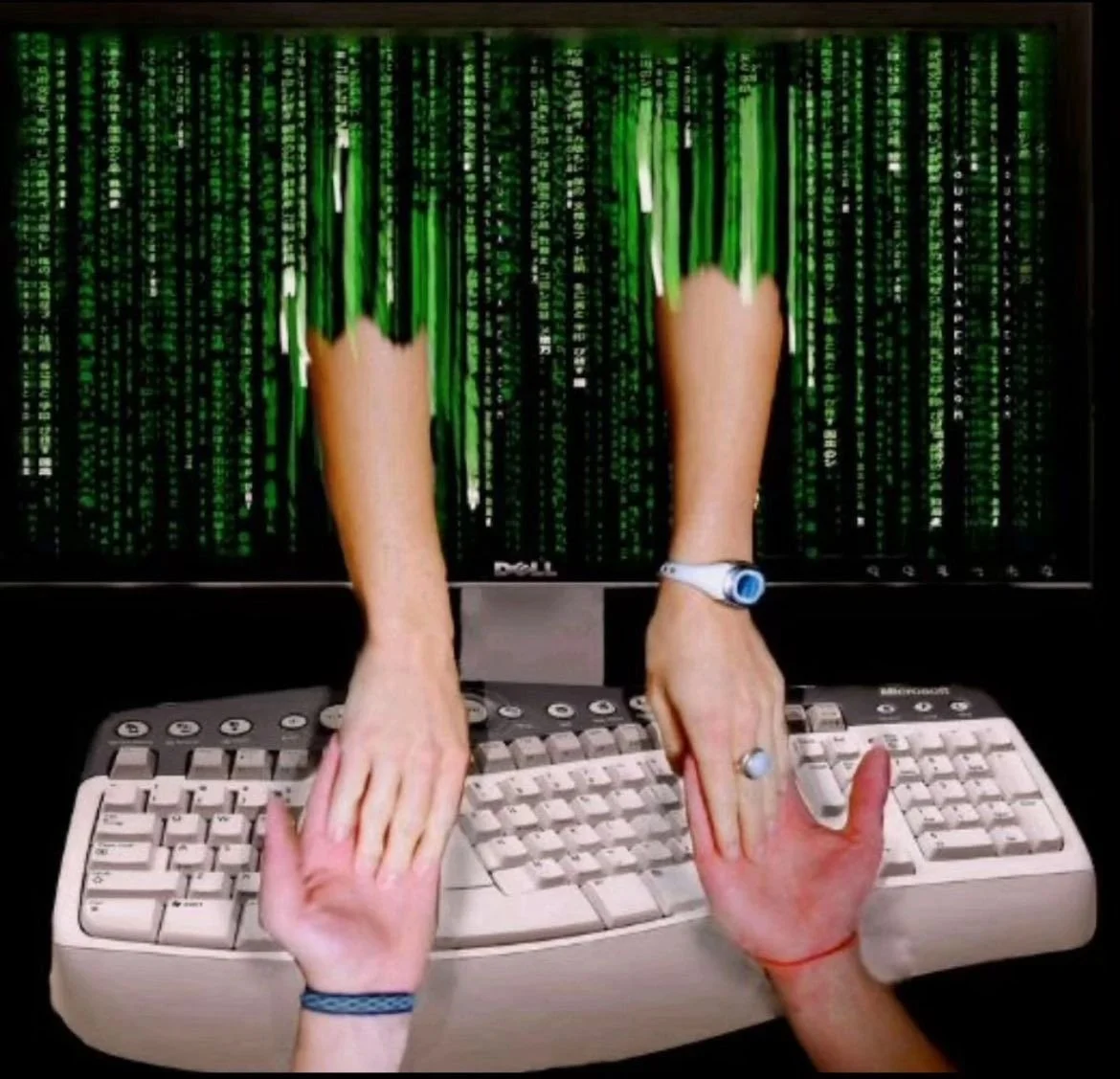
Beneath all of this sits a question that neither generation has fully answered. Millennials built subcultures that left marks on the people who passed through them because sustained commitment over time transformed shared taste into shared identity into something that outlasted the moment it emerged from. Gen Z is operating inside a system where everything is ephemeral by design, delivered and replaced before anything settles long enough to become culture with genuine staying power. Whether that generation can produce subcultures independent of algorithmic circulation, ones that survive long enough to shape the people inside them in ways they will still feel a decade later, remains the most genuinely open cultural question of the current moment.
About the Author:
Abeer Salah is a Seoul-based editor, writer, and cultural curator exploring emerging scenes, underground culture, and internet-born subcultures. She is the founder of the collective P.T.S.D.