FW26 and the Archaeology of Formative Desire: sabukaru Meets Hyein Seo
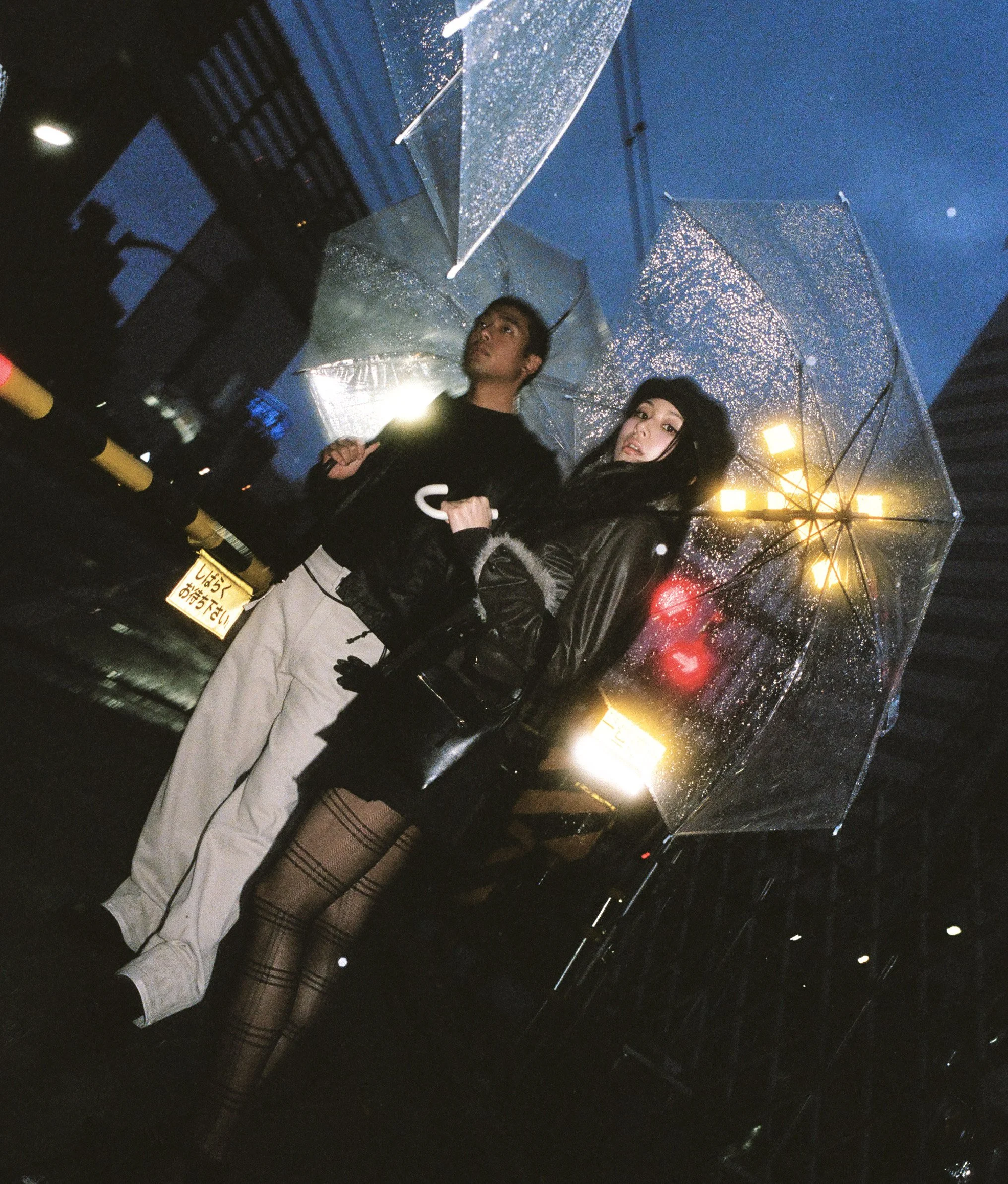
Hyein Seo is one of the most consequential figures in Korean fashion, a Royal Academy of Fine Arts Antwerp alumna whose return to Seoul coincided with a period of profound change in the city’s creative culture. More than a decade into HYEIN SEO, the label has evolved with Hyein’s own changing perspective, allowing each collection to reflect the ideas, references and ways of dressing that feel most relevant to her. FW26, premiering on sabukaru, marks the latest chapter in that evolution.
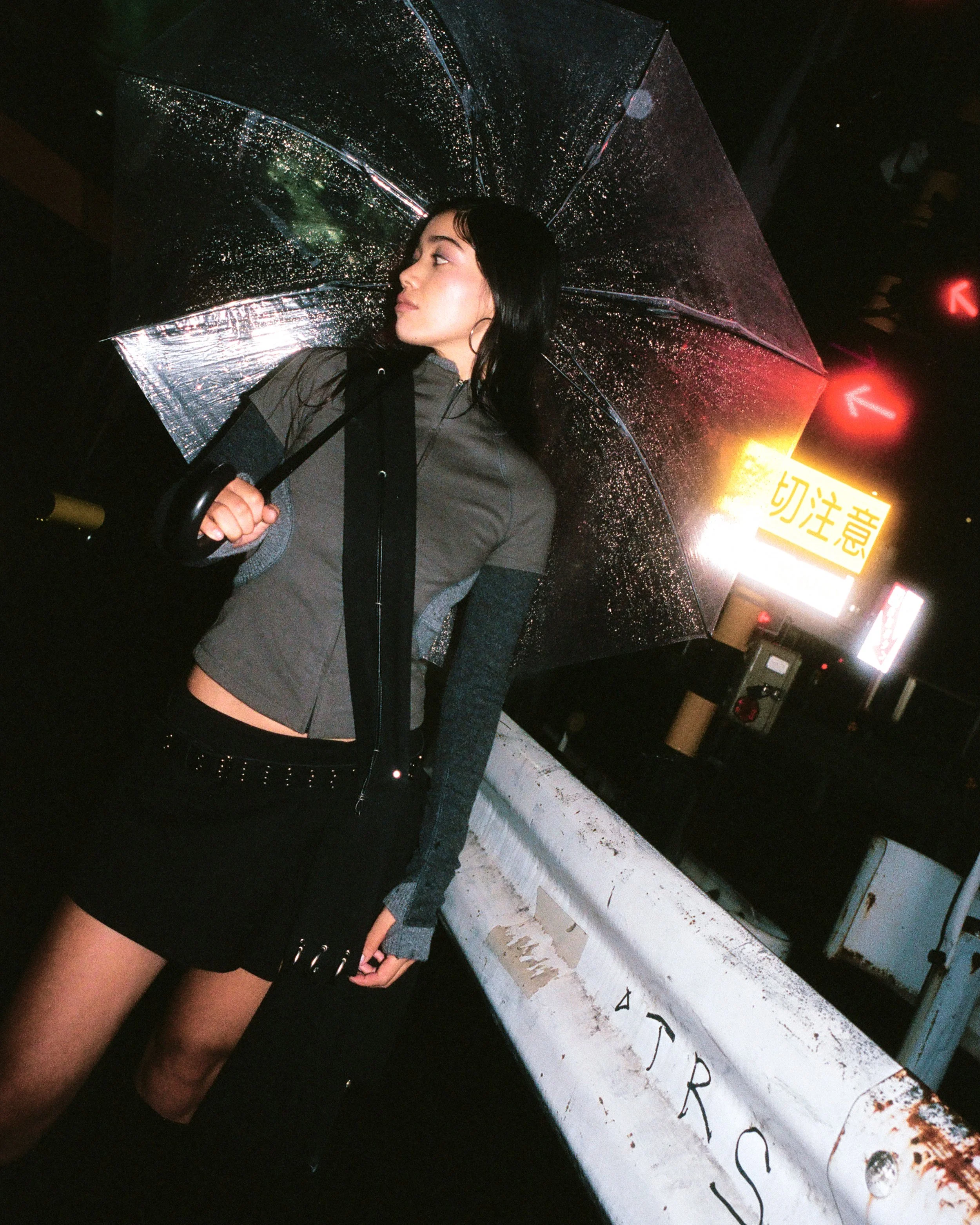
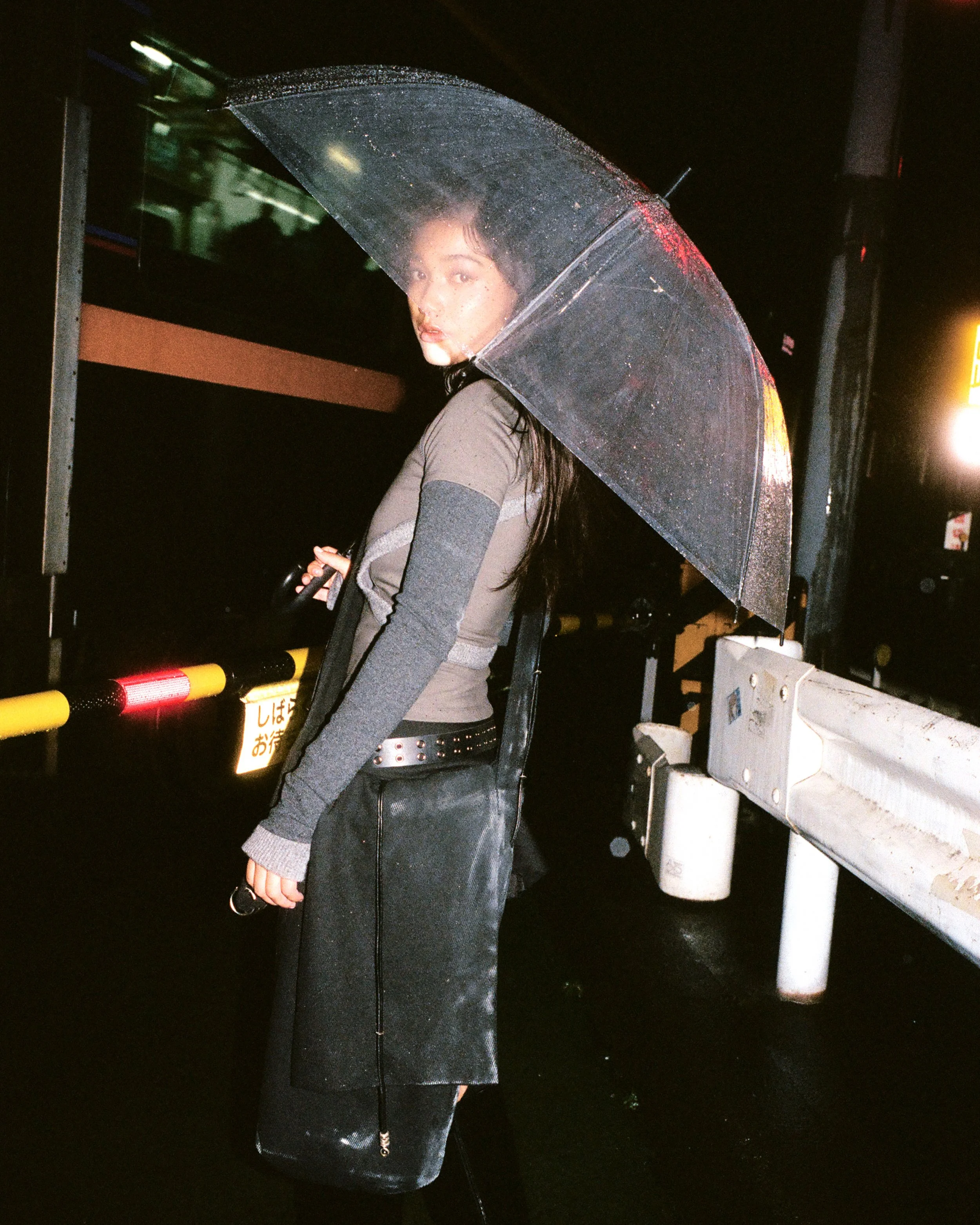
sabukaru spoke with Hyein about the decade behind that shift, beginning with Antwerp, where the Royal Academy taught her to consider the world surrounding a garment and exposed her to radically different ways of approaching the same idea. Her early collections often began with fictional characters because imagining an actual wearer still felt distant. Seoul changed that, giving those clothes bodies, personalities and lives beyond the studio.
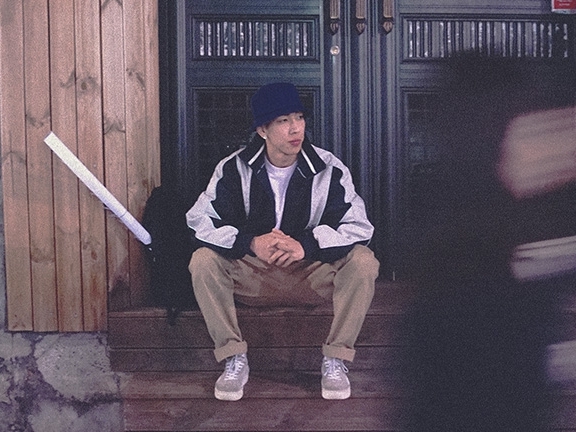
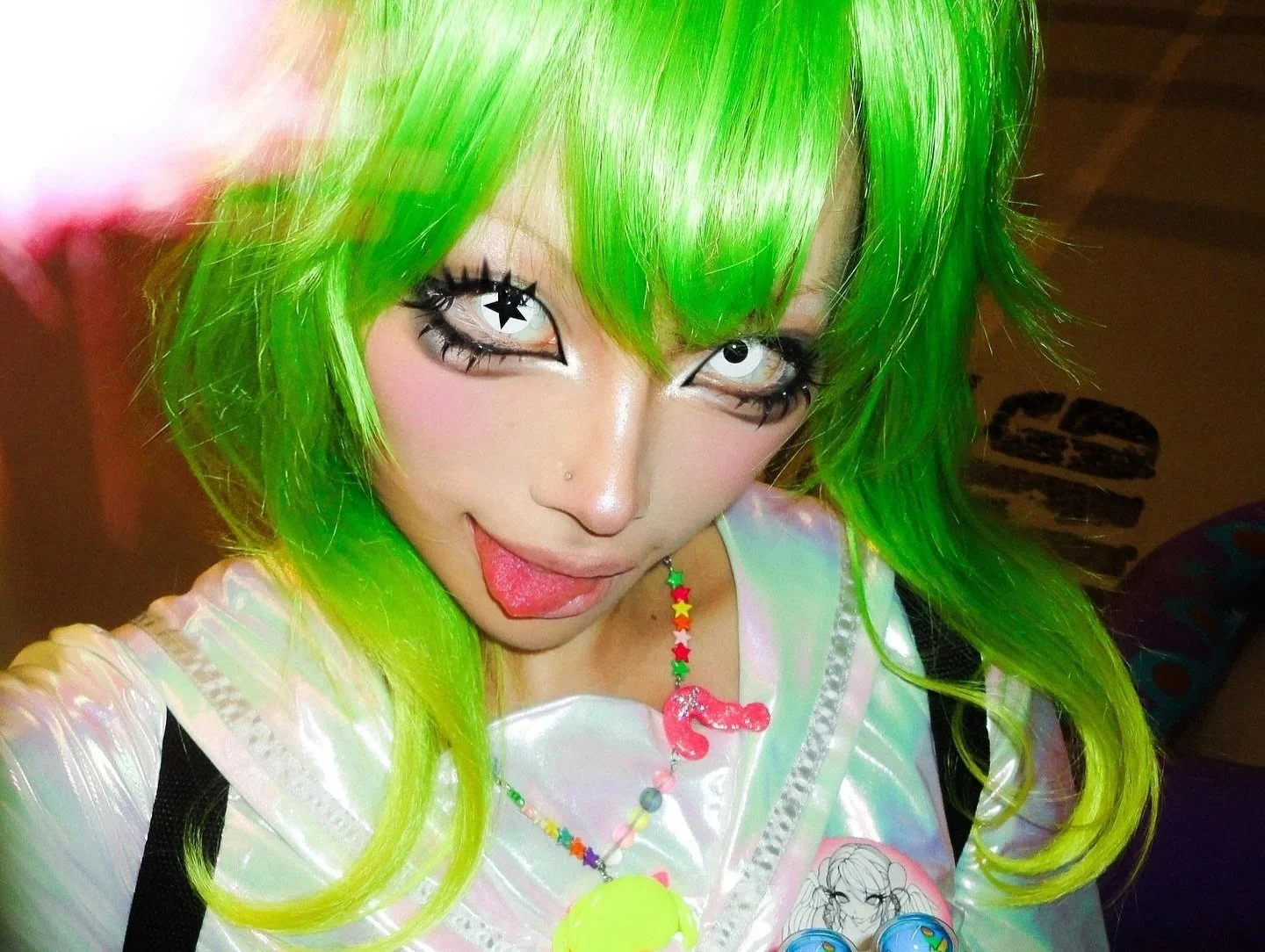
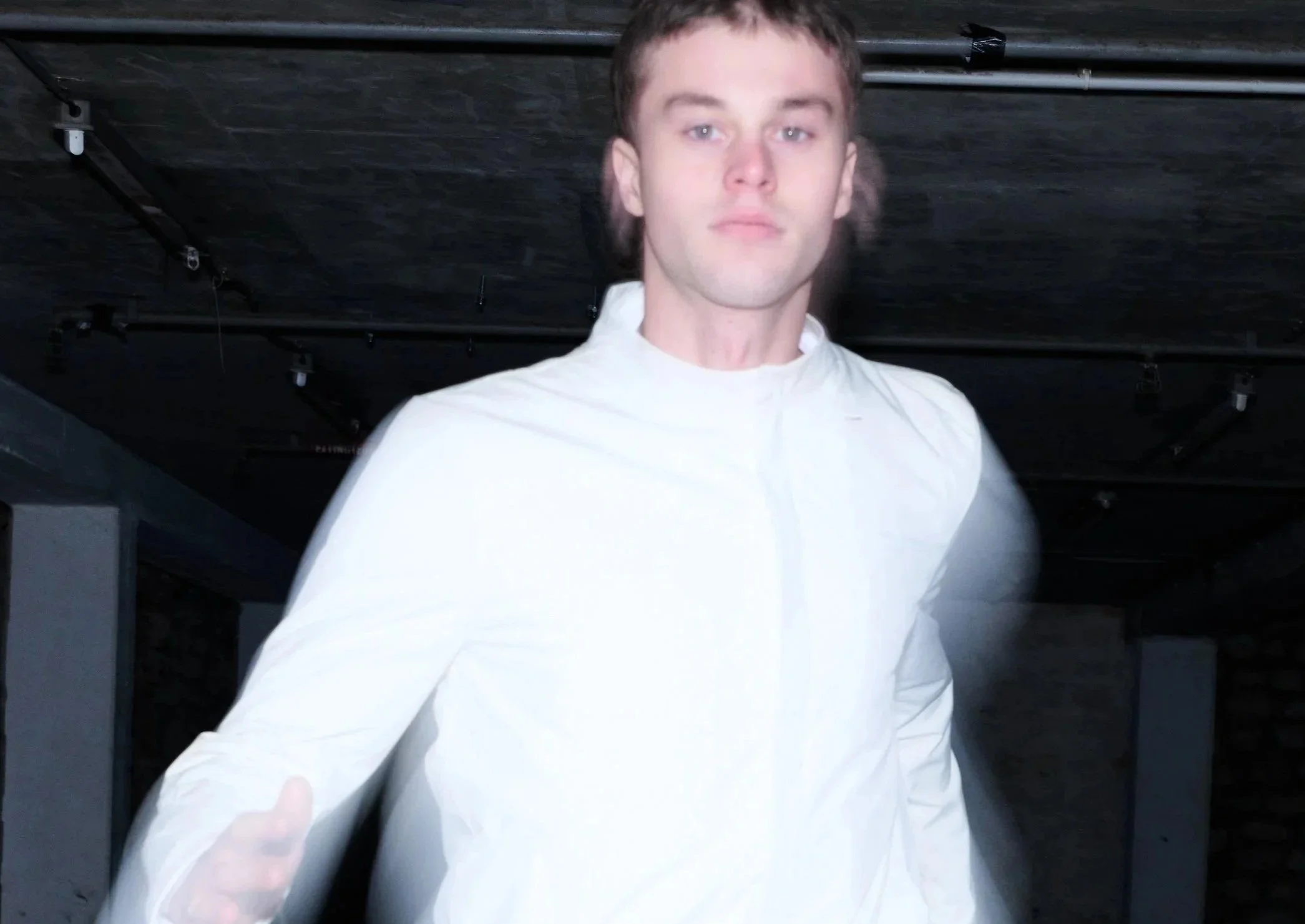
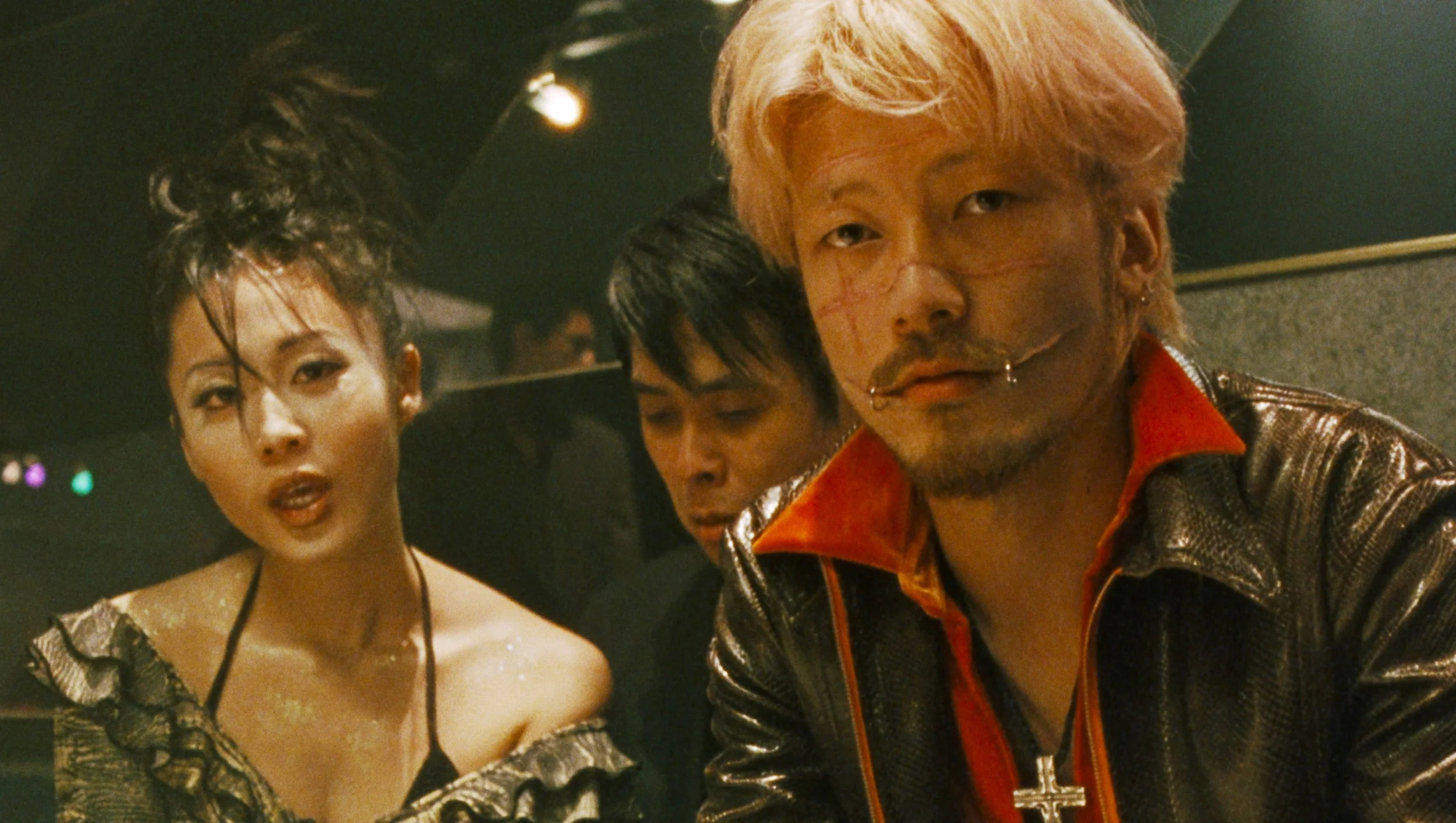
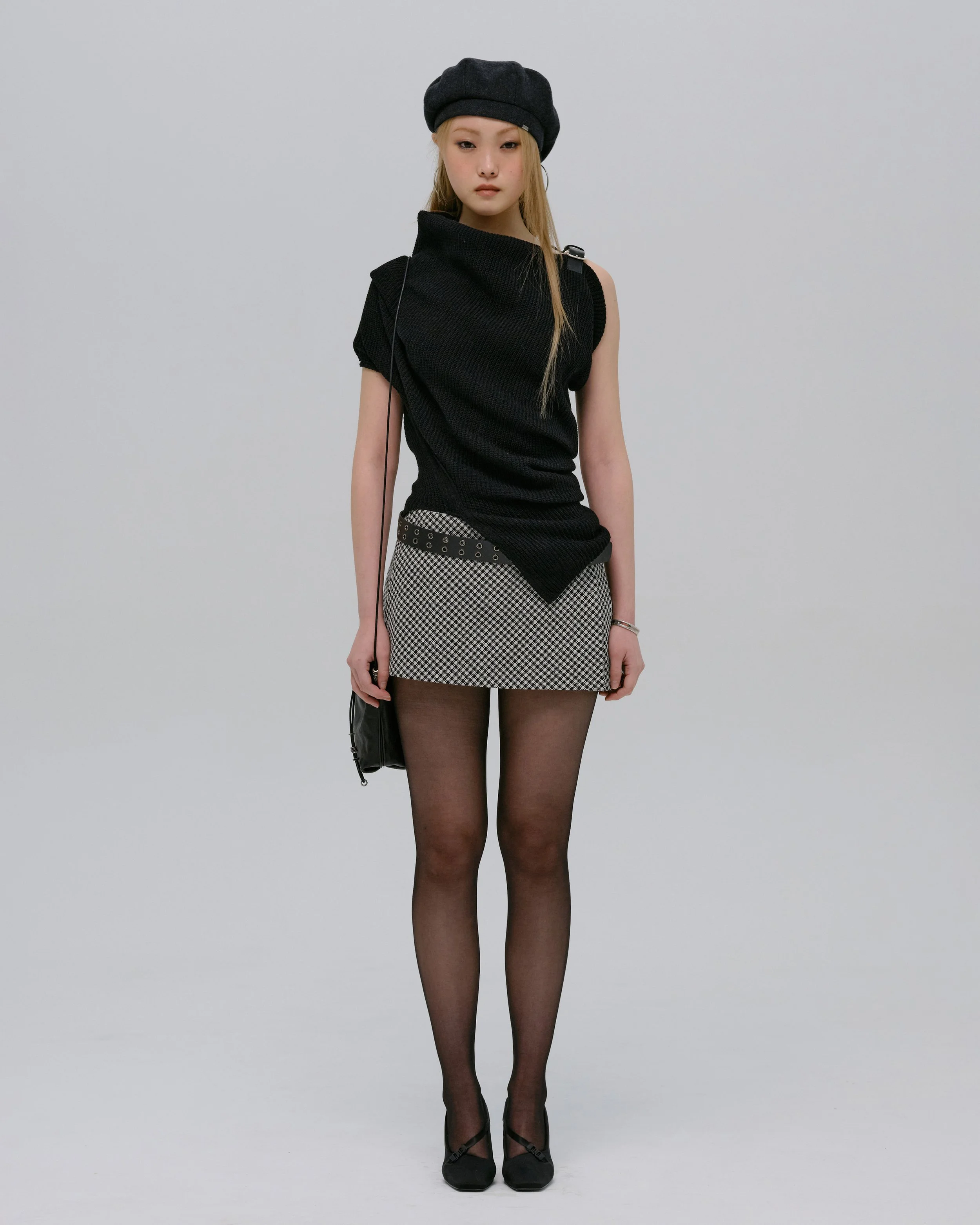
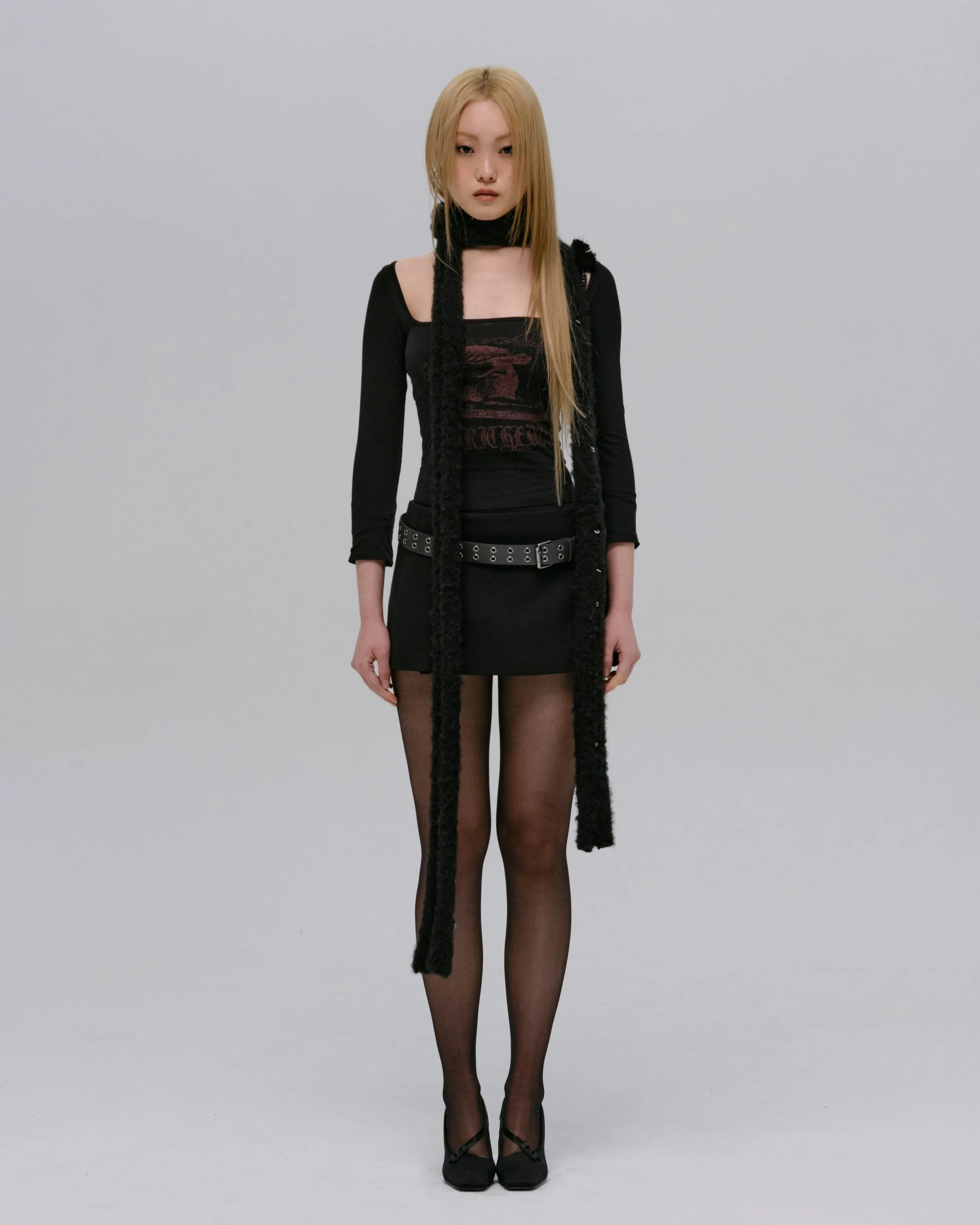
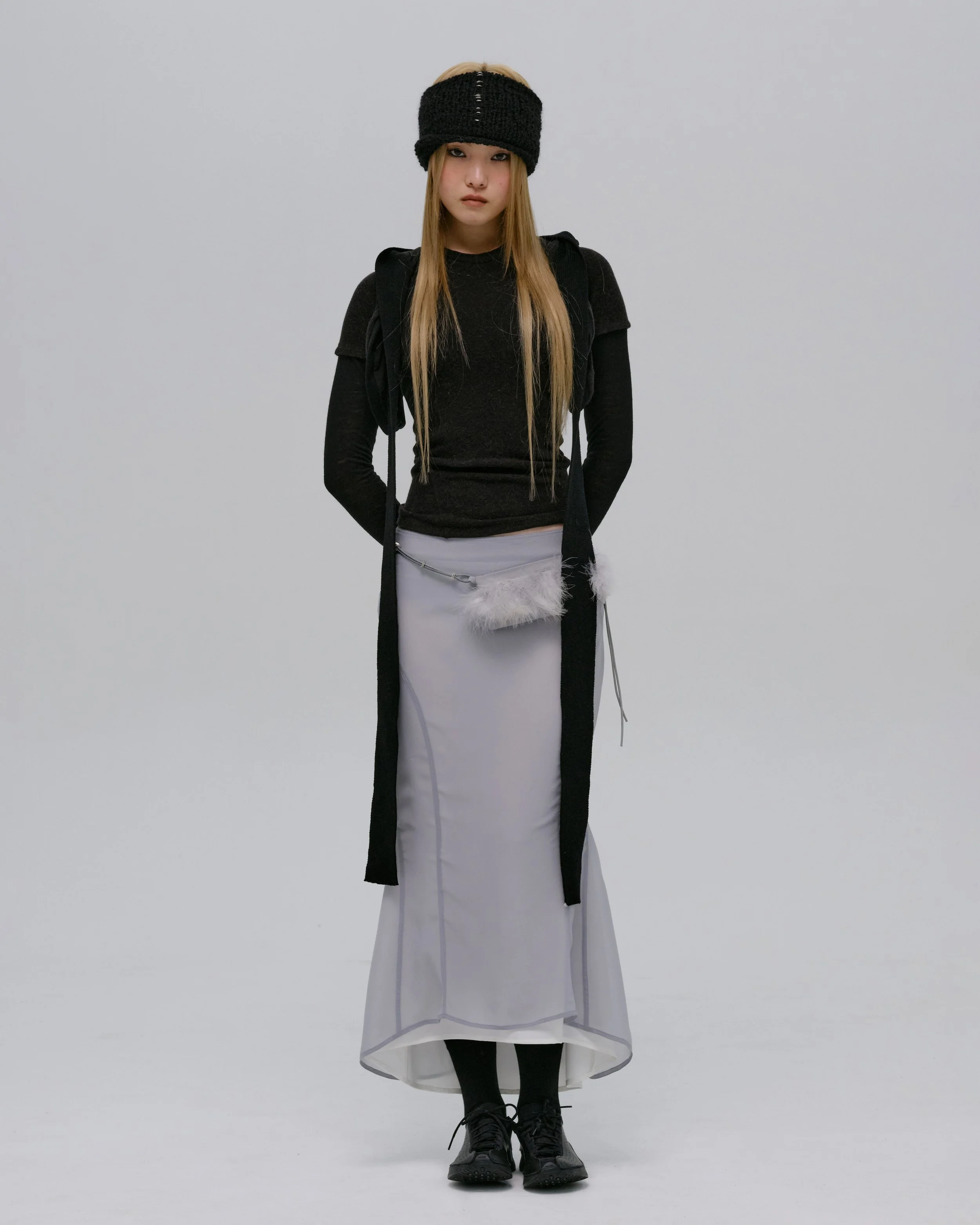
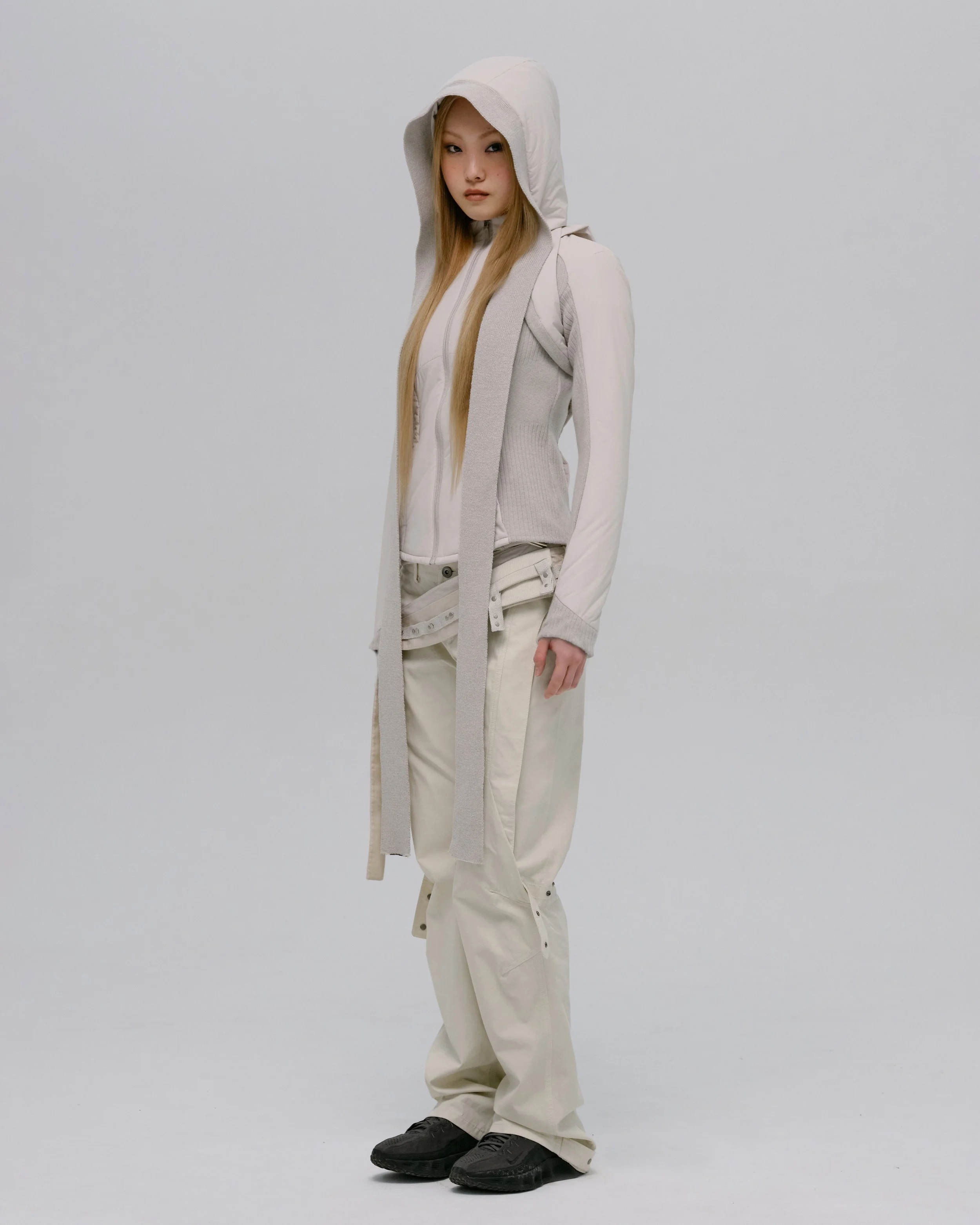
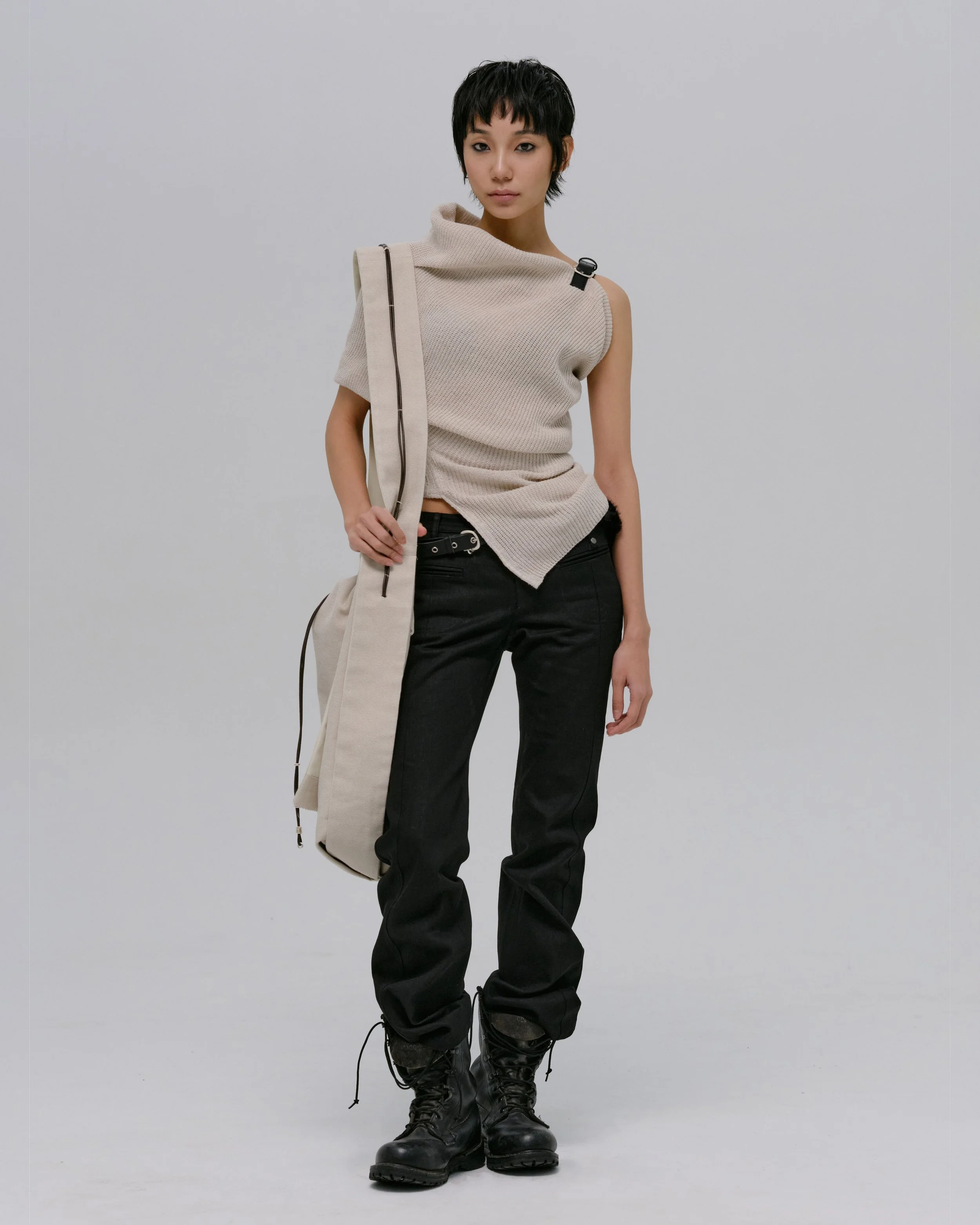
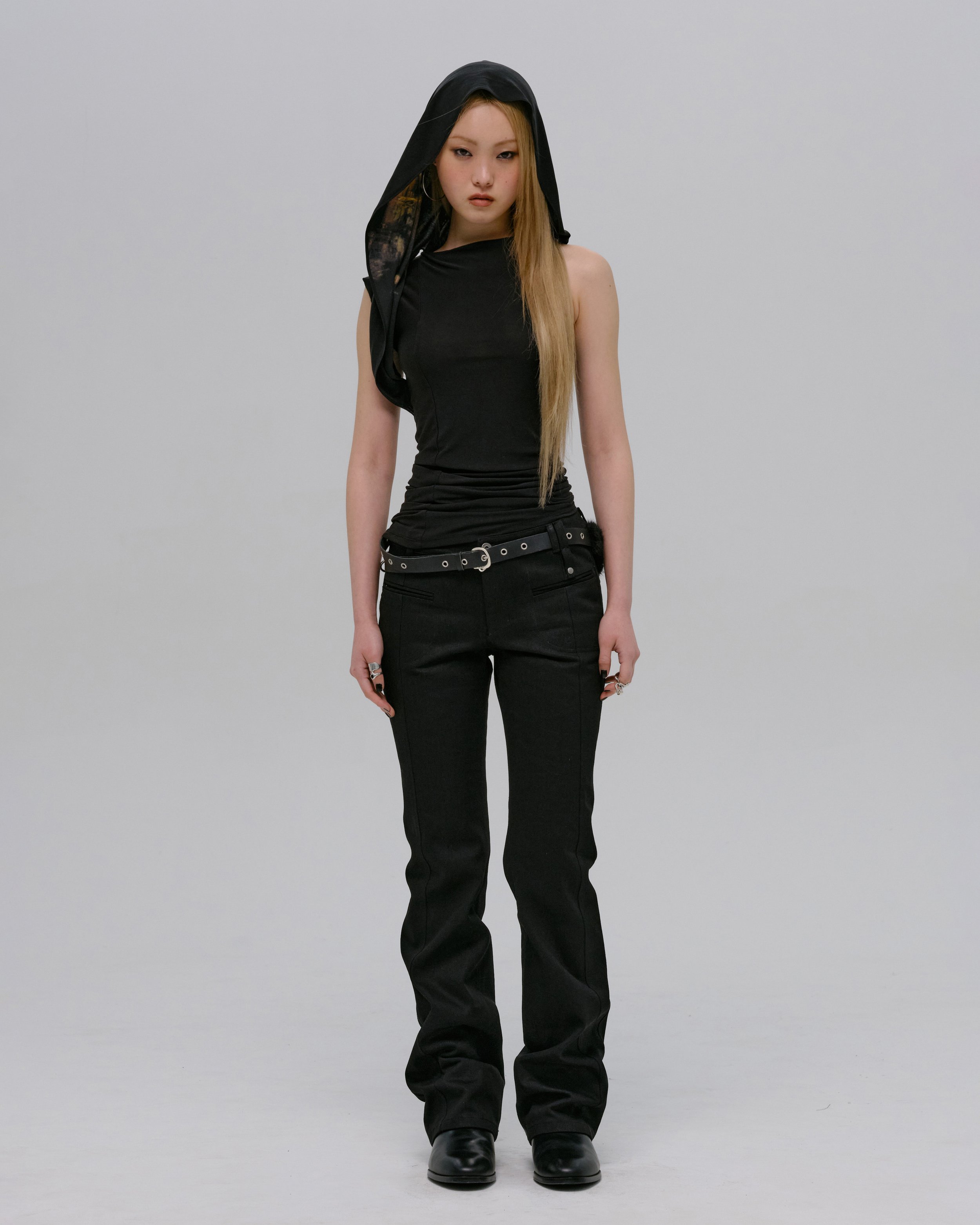
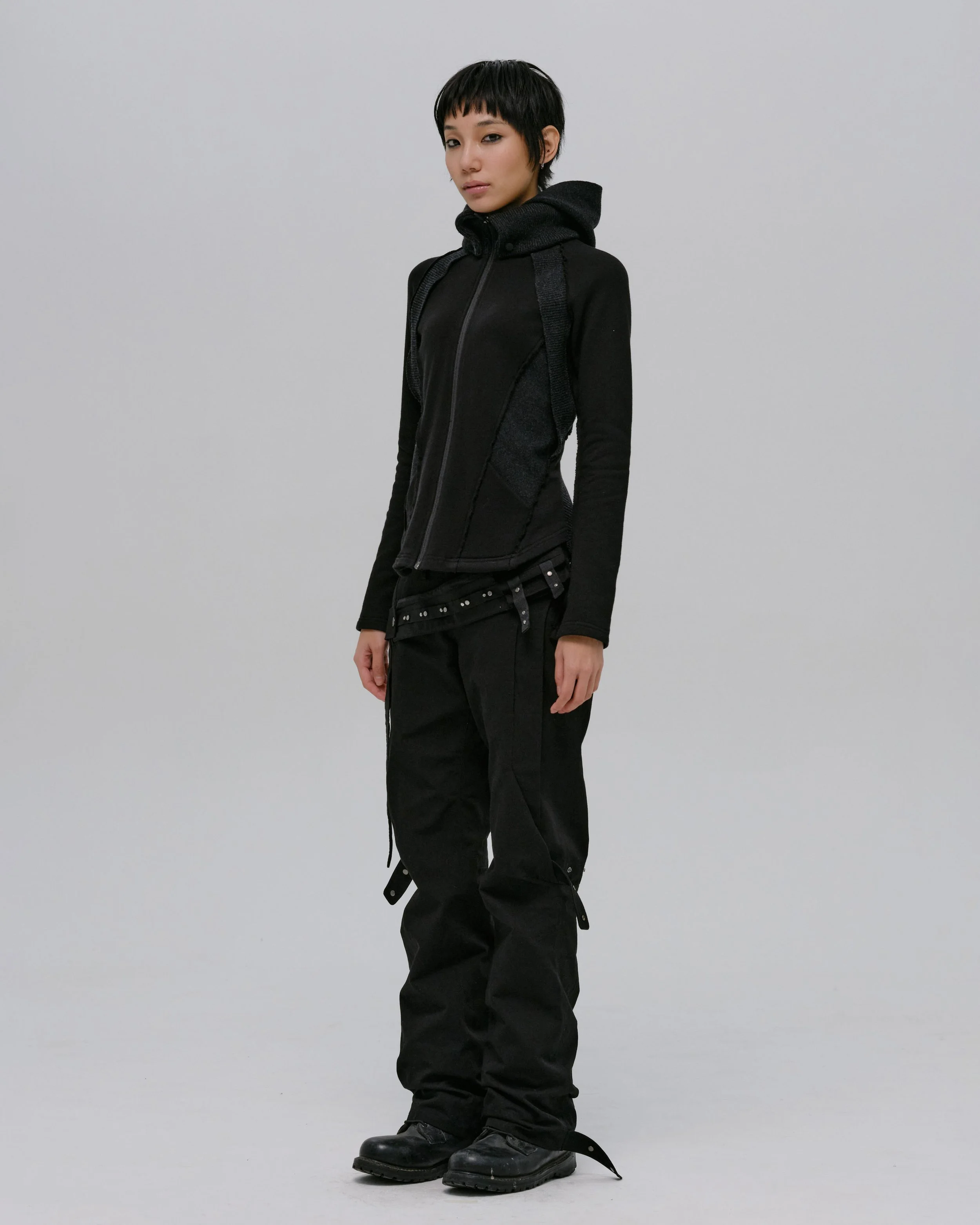
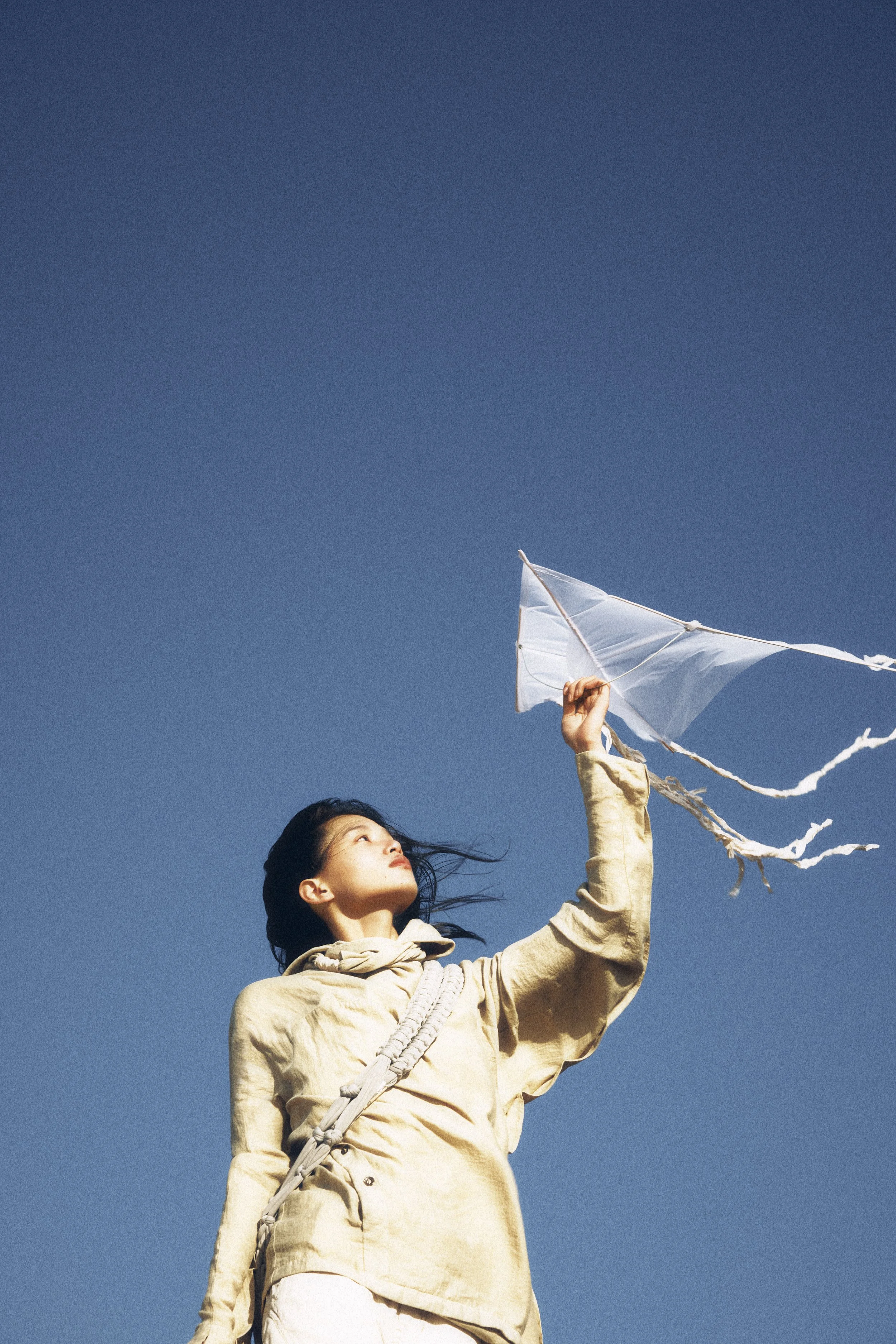
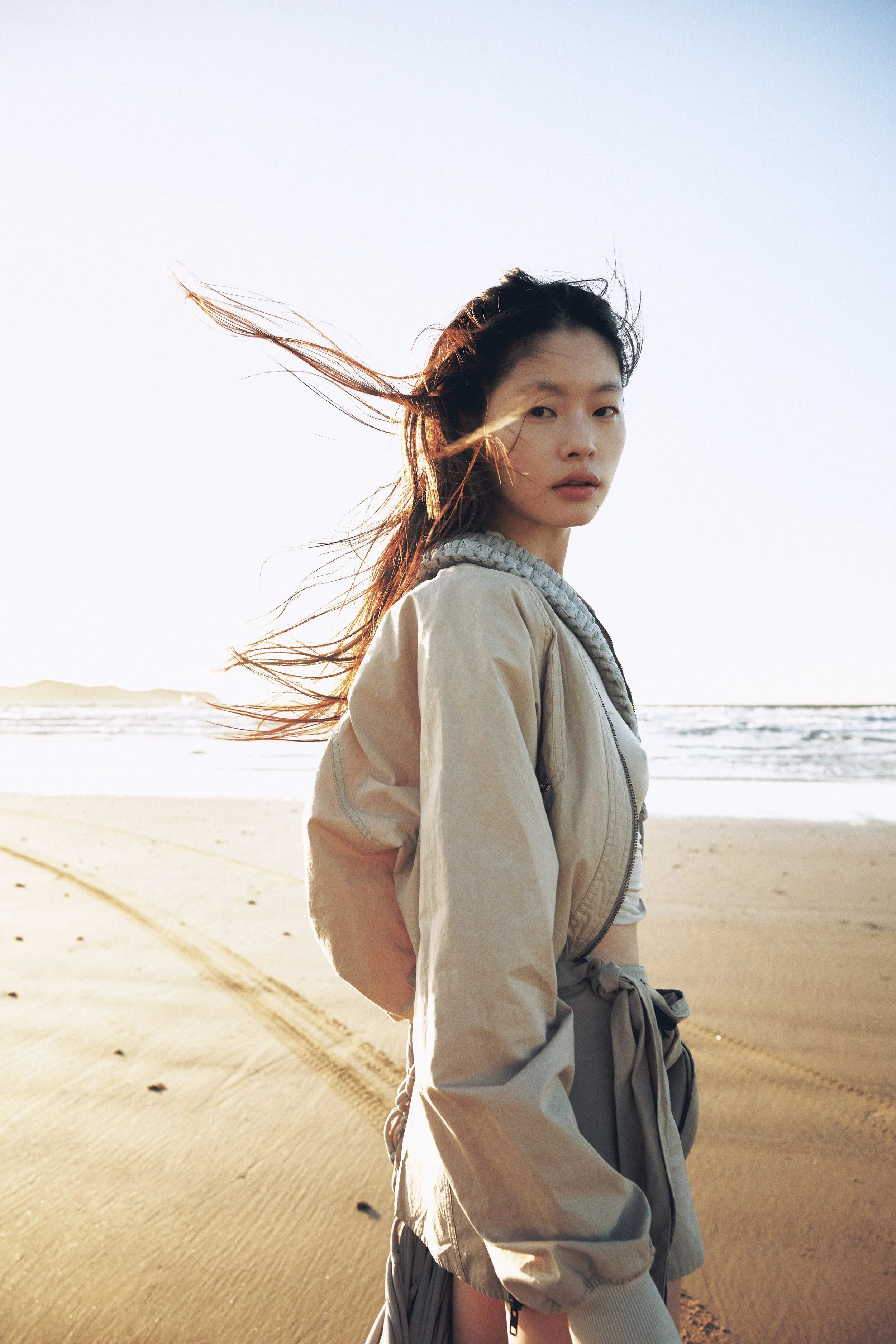
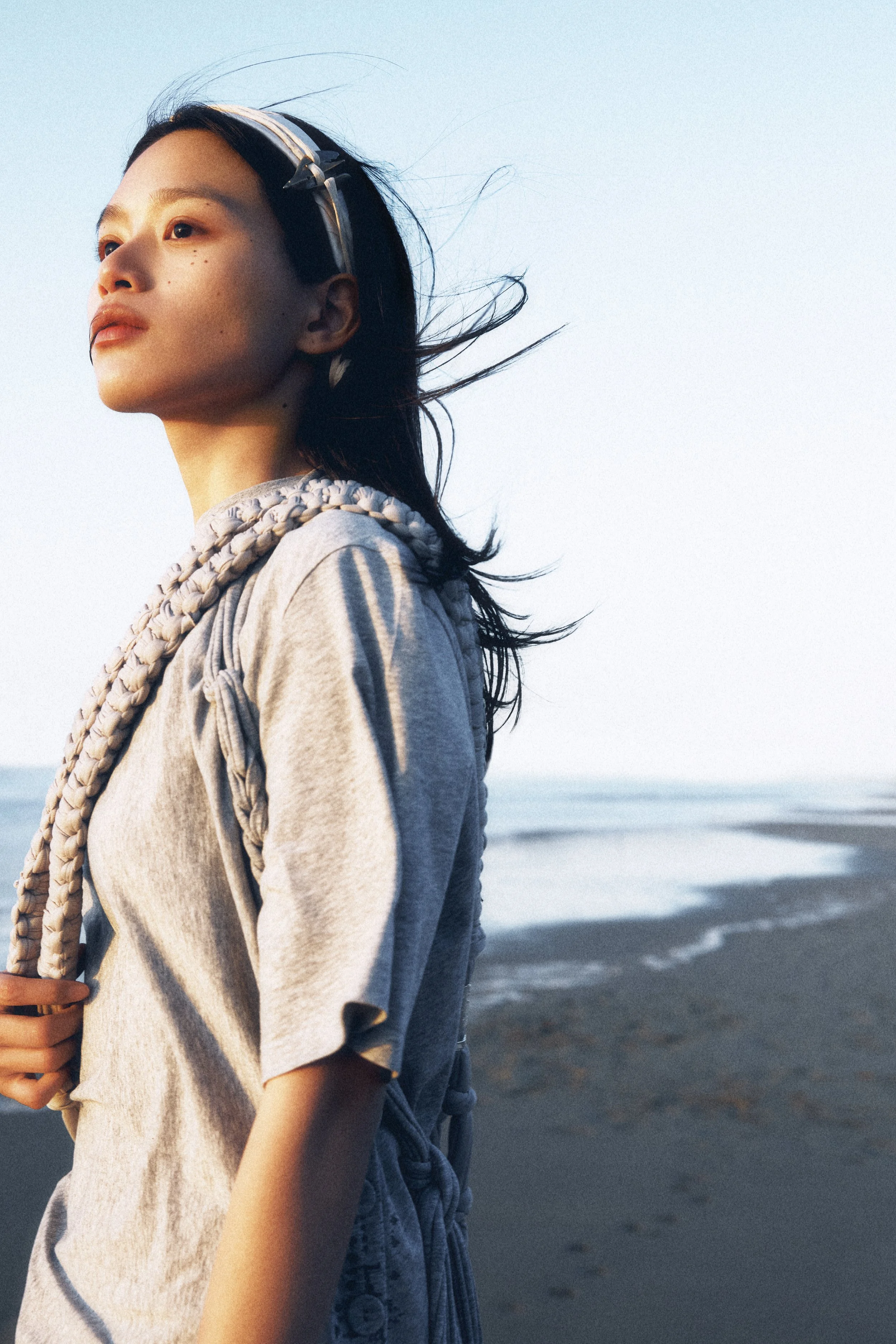
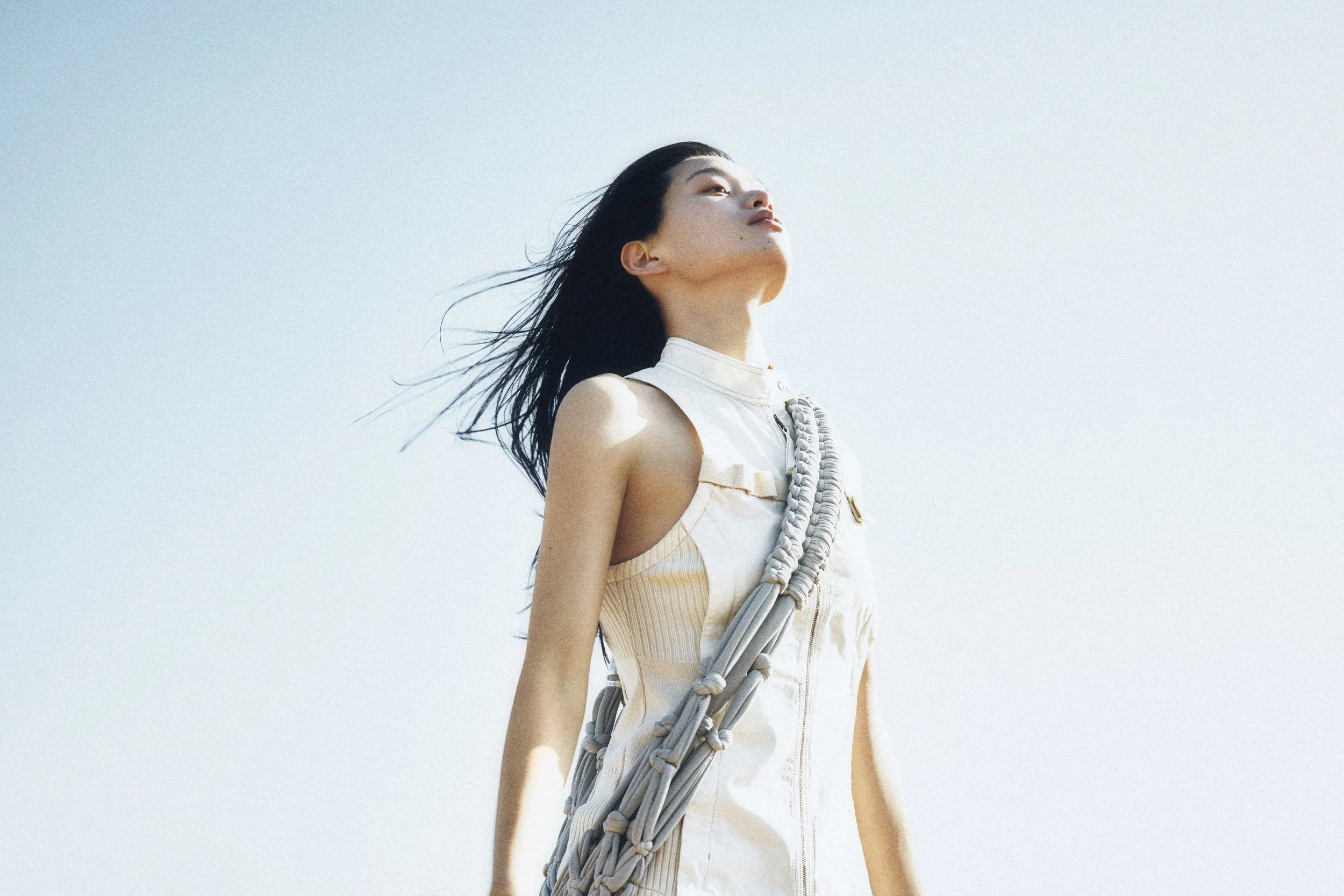
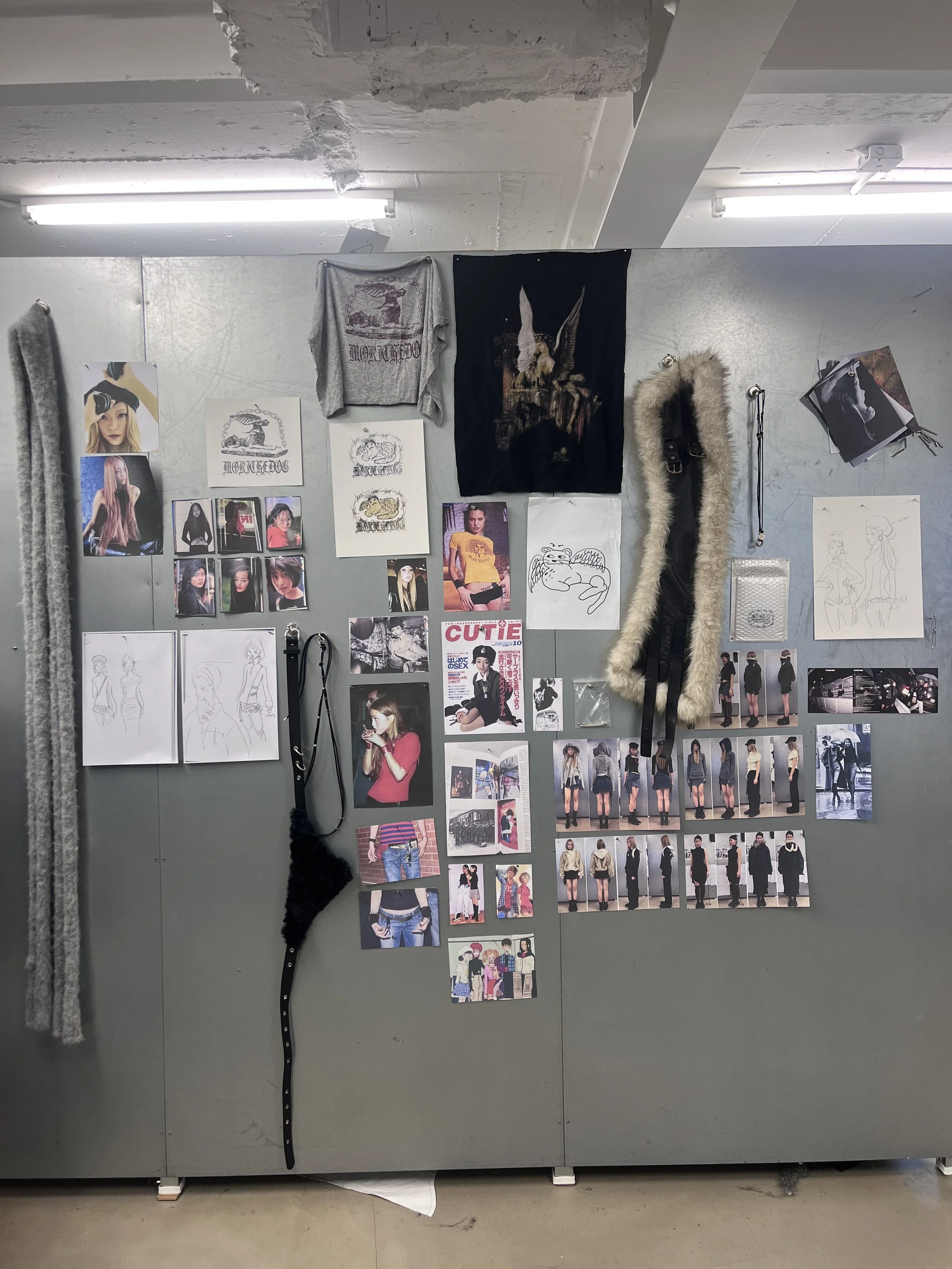
FW26 turns toward the cultural memory carried by Hyein and the five designers in her atelier. Looking back at the figures they admired before fashion became a profession, the team began tracing how those early encounters with music, manga and style had remained embedded in their tastes decades later. Faye Wong, Avril Lavigne and other figures from late-90s and 2000s pop culture became points of departure for the collection, united by the individuality that made them magnetic. The collection brings those memories into 2026, allowing formative images from adolescence to return in altered form.
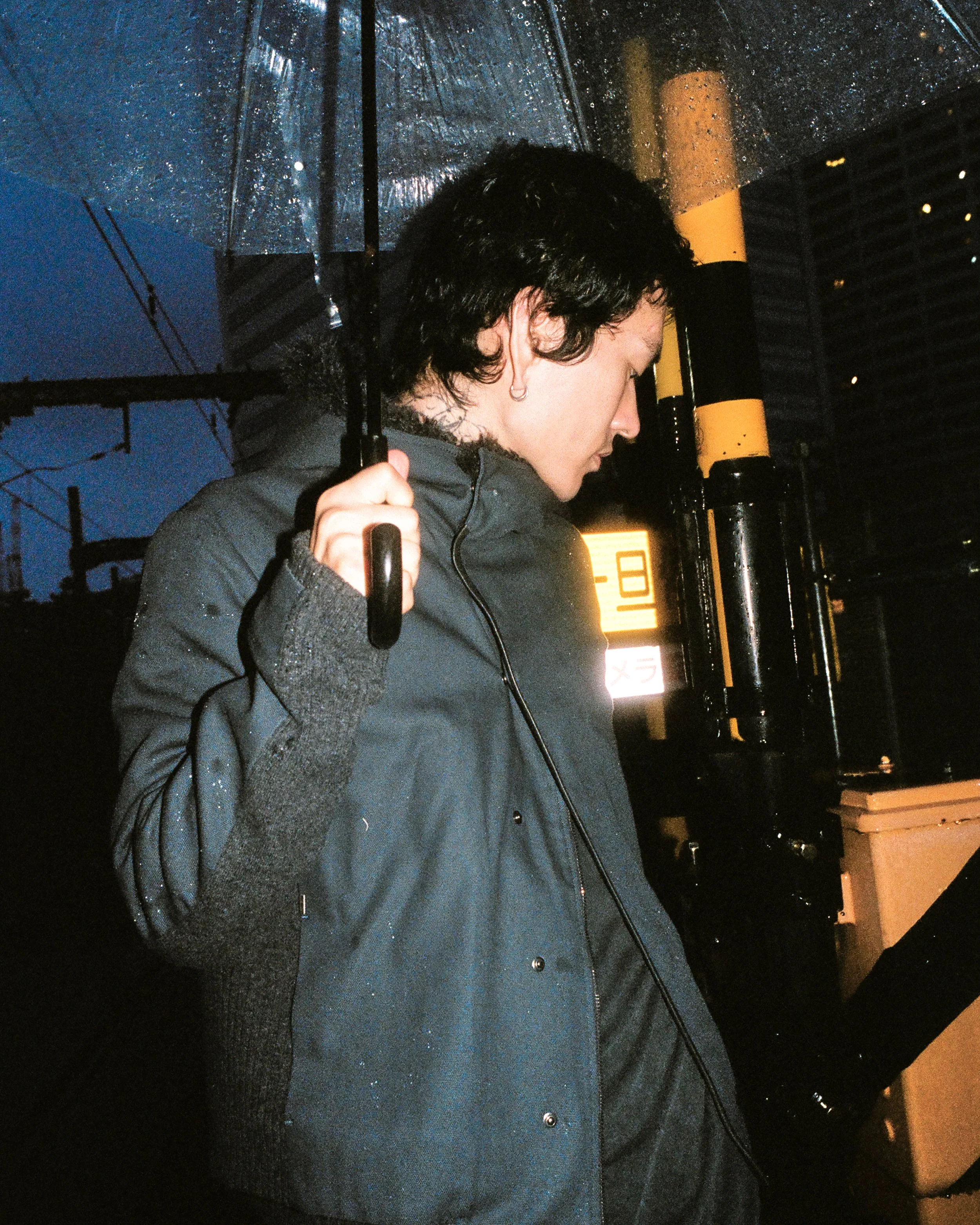
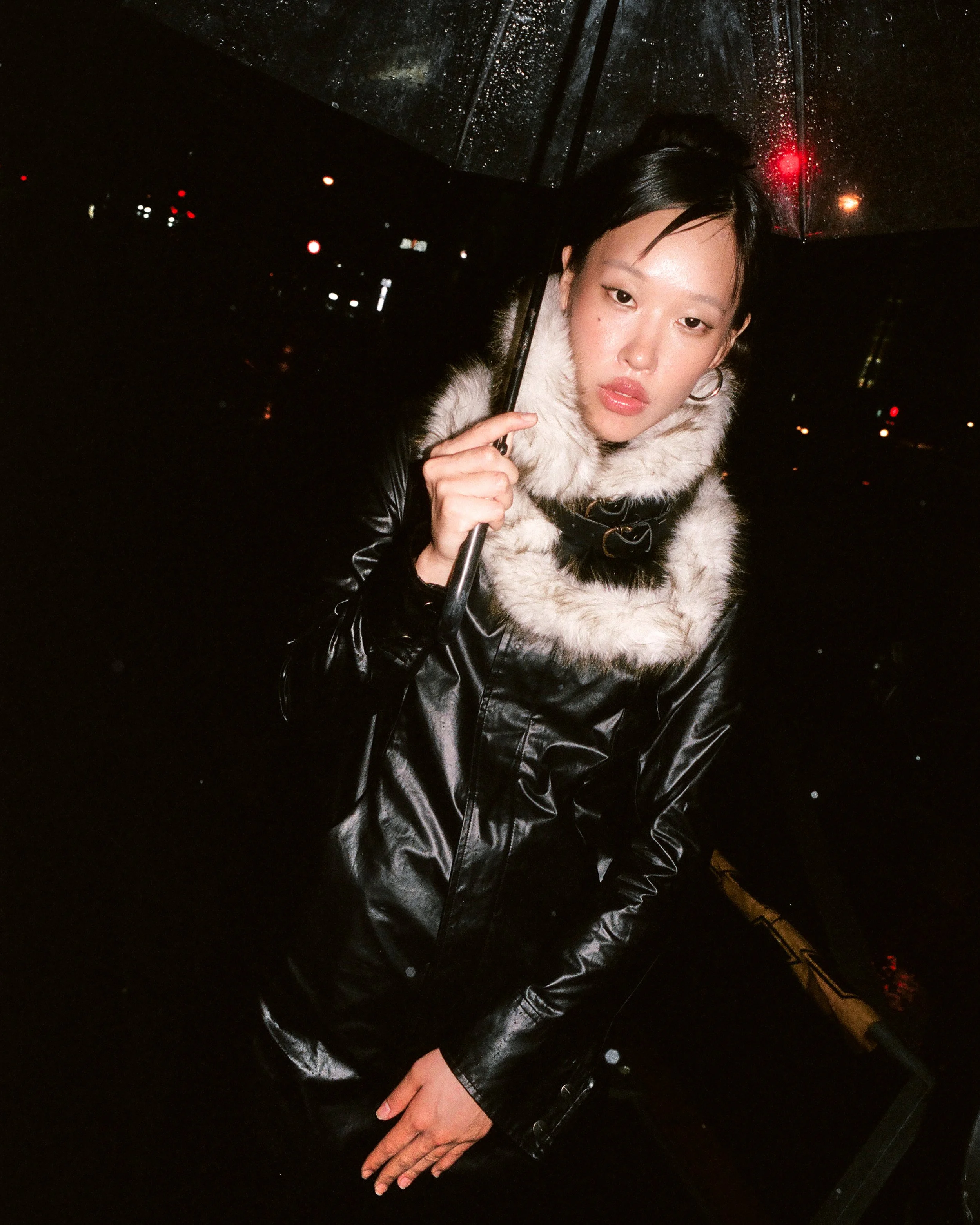
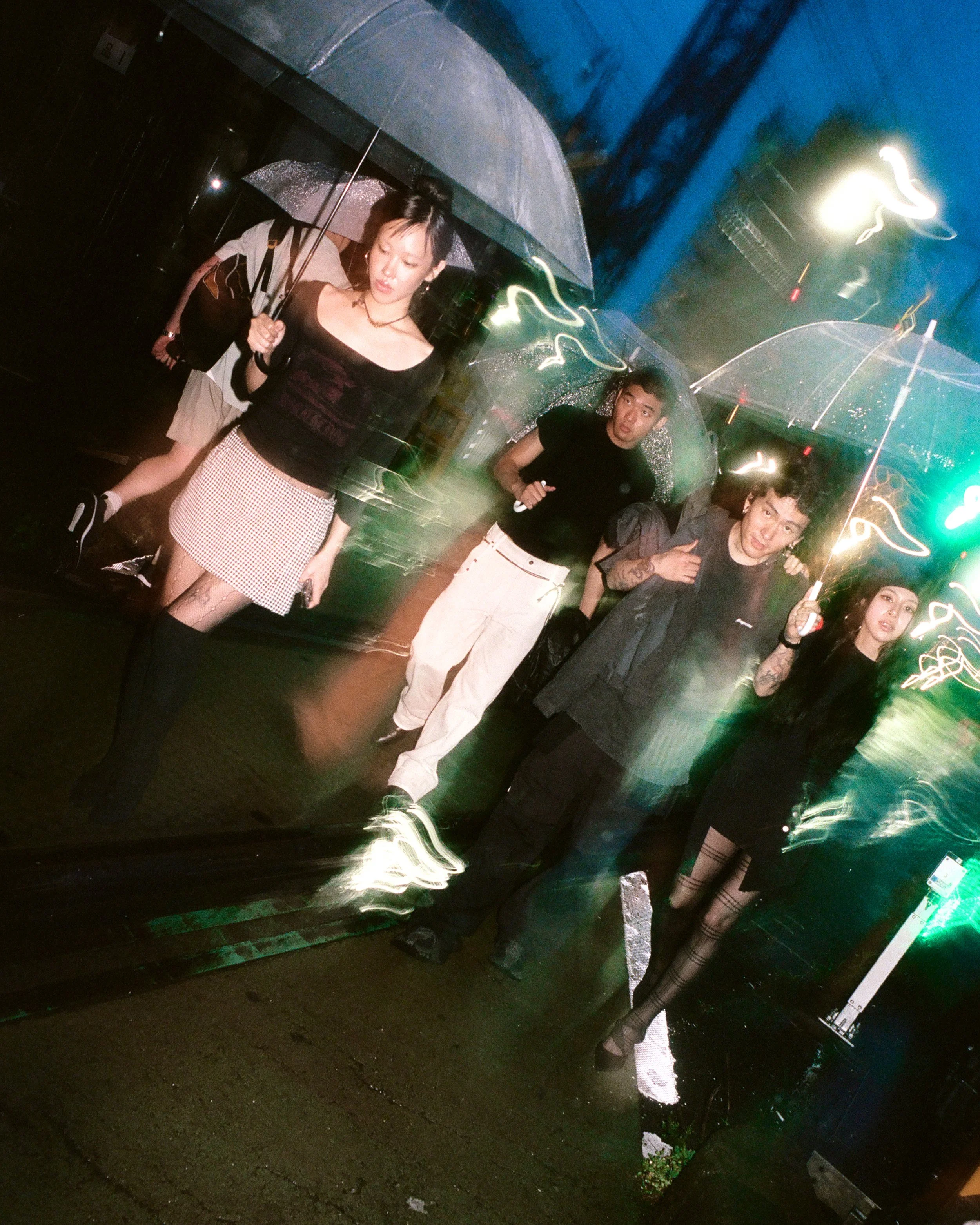
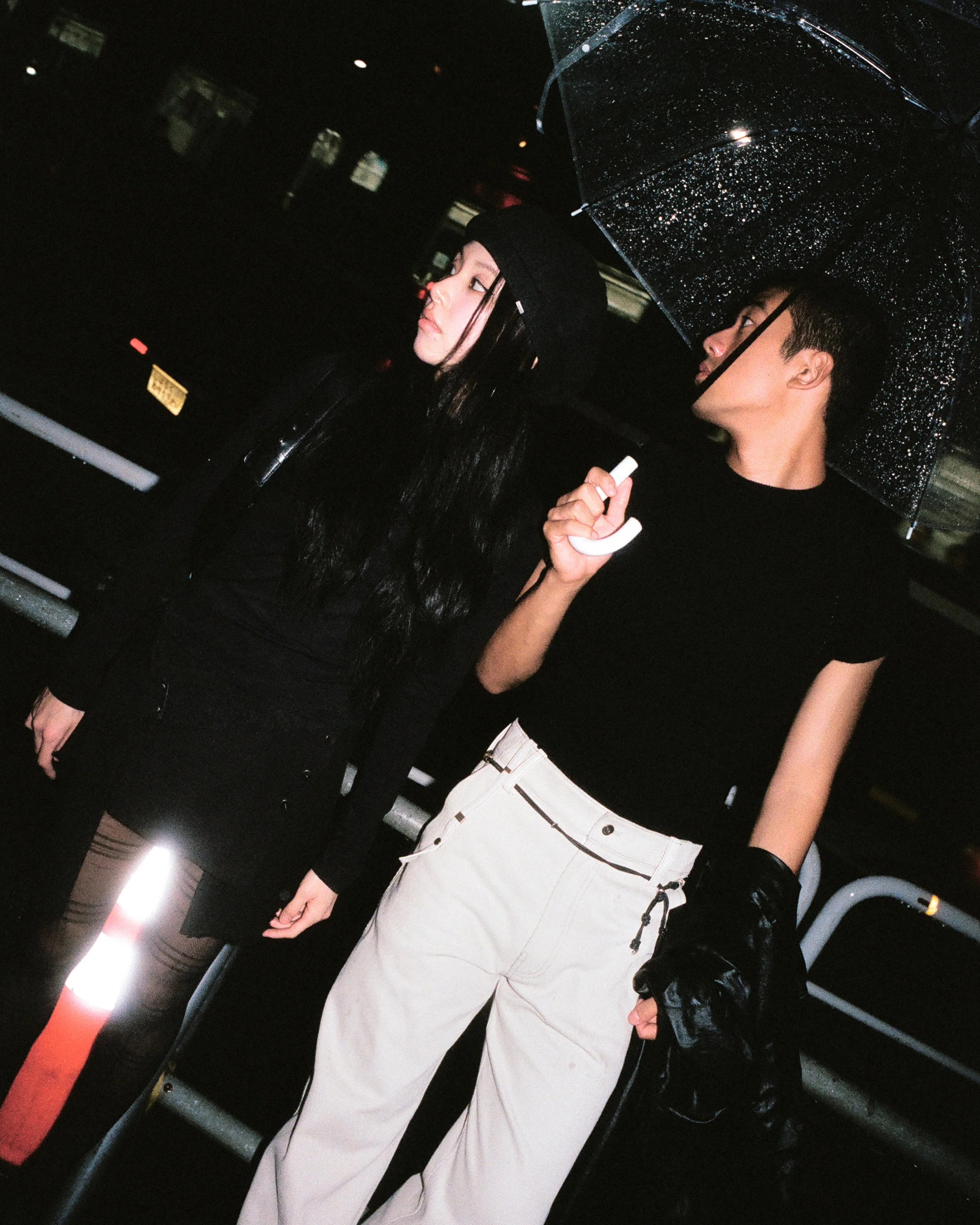
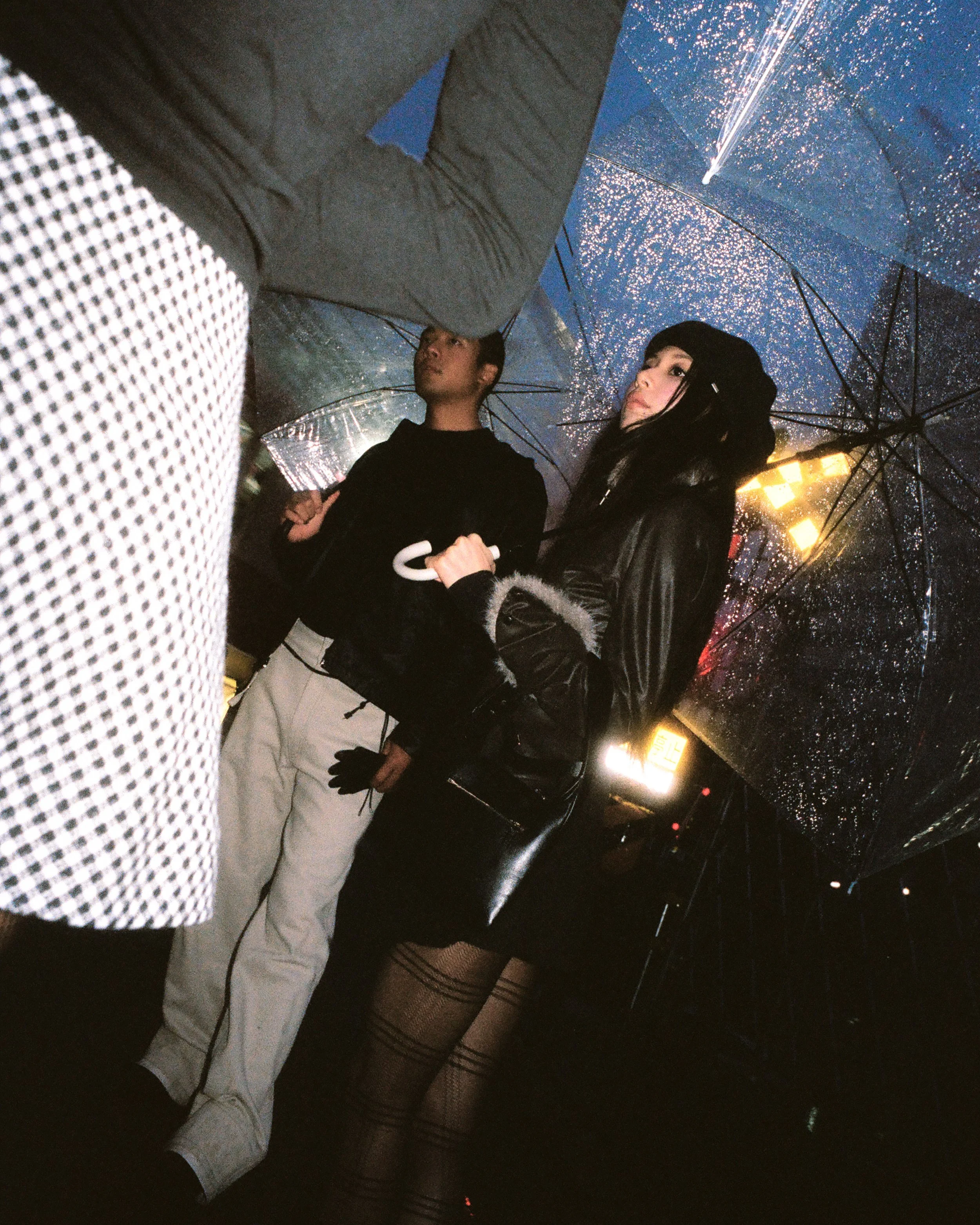
Photographed in Japan by Taito Itateyama across three days, the lookbook unfolds inside the spaces where Taito and his friends already spend their time. Hyein missed the expressions that disappear once too many people are watching: laughter that arrives unprompted, gestures made between friends and the ease that only appears when the camera briefly recedes. Watching those relationships unfold, she felt the clothes finally come alive.
You studied at the Royal Academy of Fine Arts Antwerp, which has a very defined legacy and visual code. What stayed with you from your time there, and how did you build your own perspective alongside it?
It’s a notoriously demanding school, but I think it teaches you to see the whole picture, not just how to make clothes. More than anything, it helped me find my own way of expressing ideas.
I also learned a lot from watching the other students. Everyone came from very different backgrounds, and I was always interested in why someone might approach the same assignment in a completely different way.
I think creative work comes from everything a person has absorbed over time, culture, images, stories, all filtered through their own way of seeing and thinking. Even if we are all looking at the same things, that filter is different for everyone, and I think that’s what gives the work its own character.
I was always obsessed with stories, novels and films, so I often built collections around a character or narrative. I wasn’t very good at speaking during presentations, so once I drew the entire story on a long scroll of paper and unrolled it in front of the teachers. That was when they finally understood what I was trying to say. Looking back, that was probably part of finding my own language too.
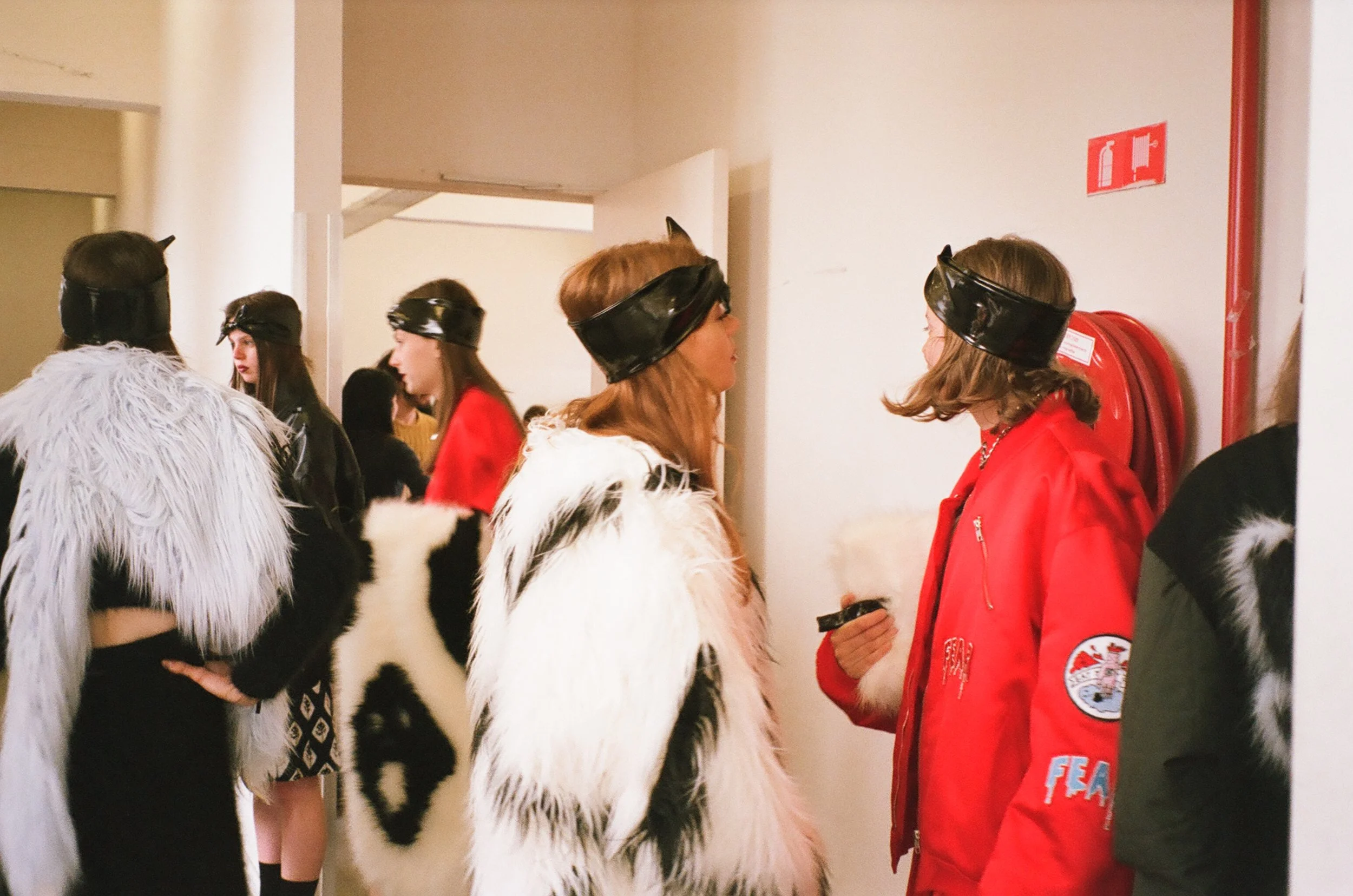
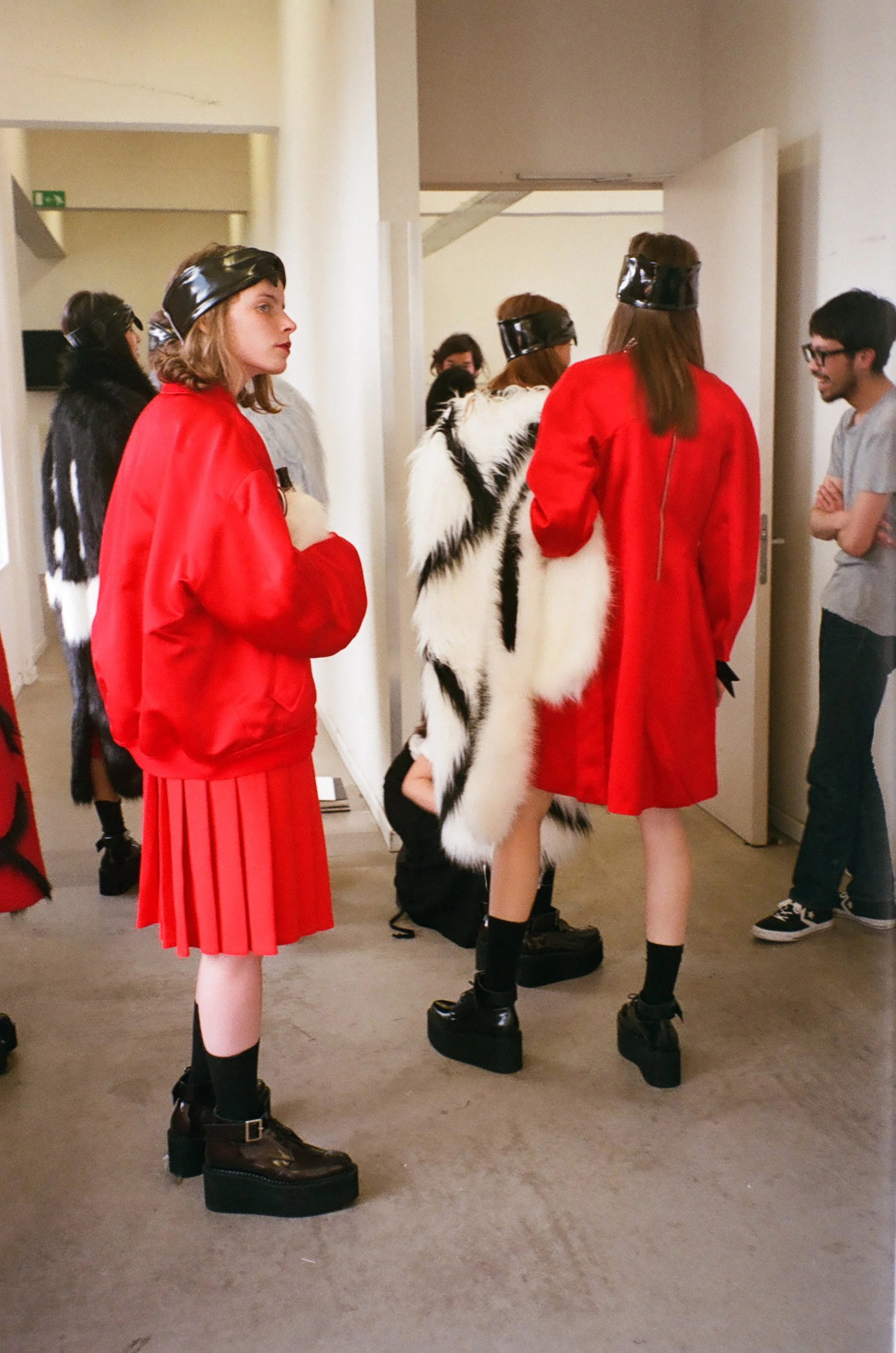
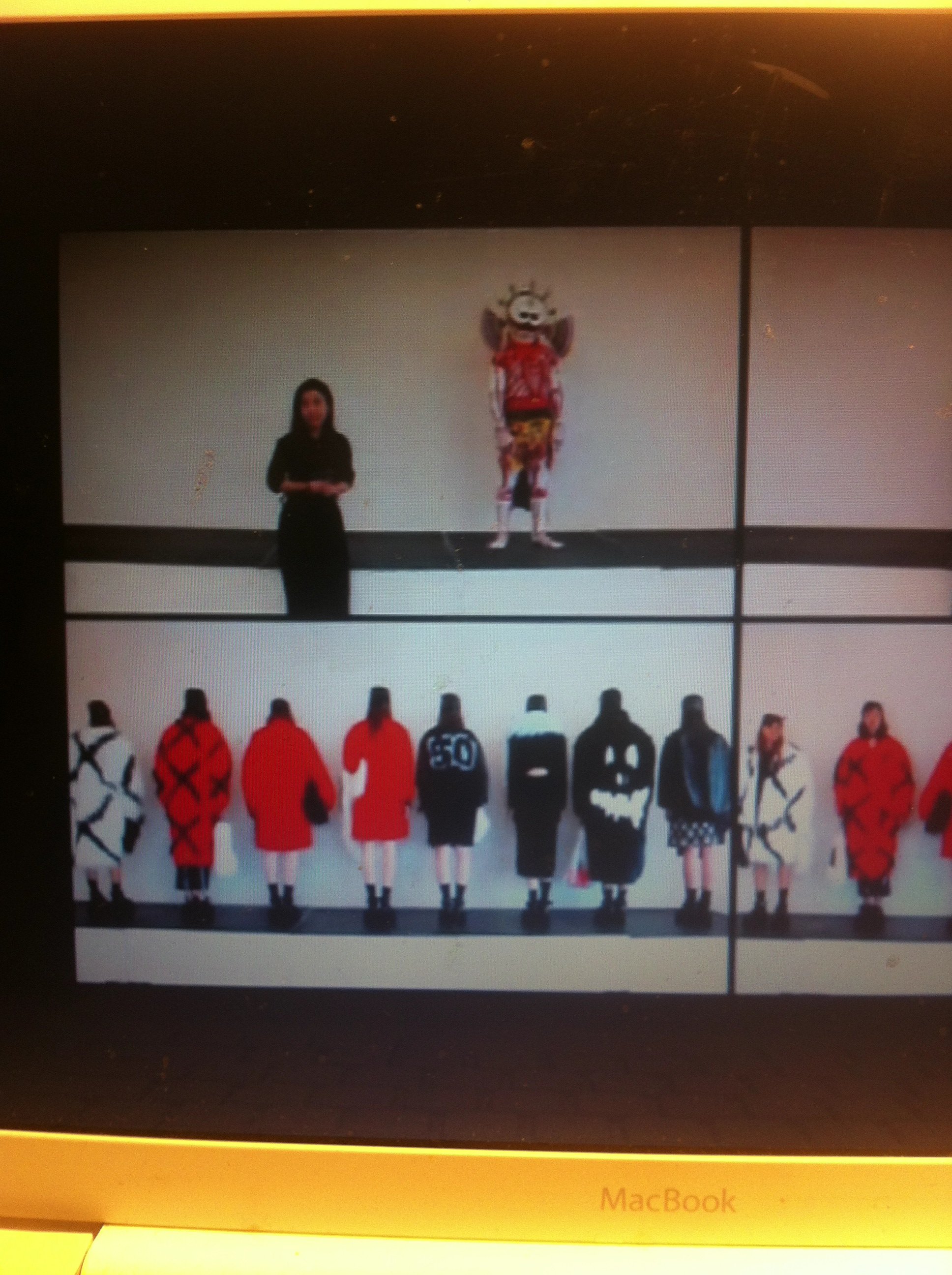
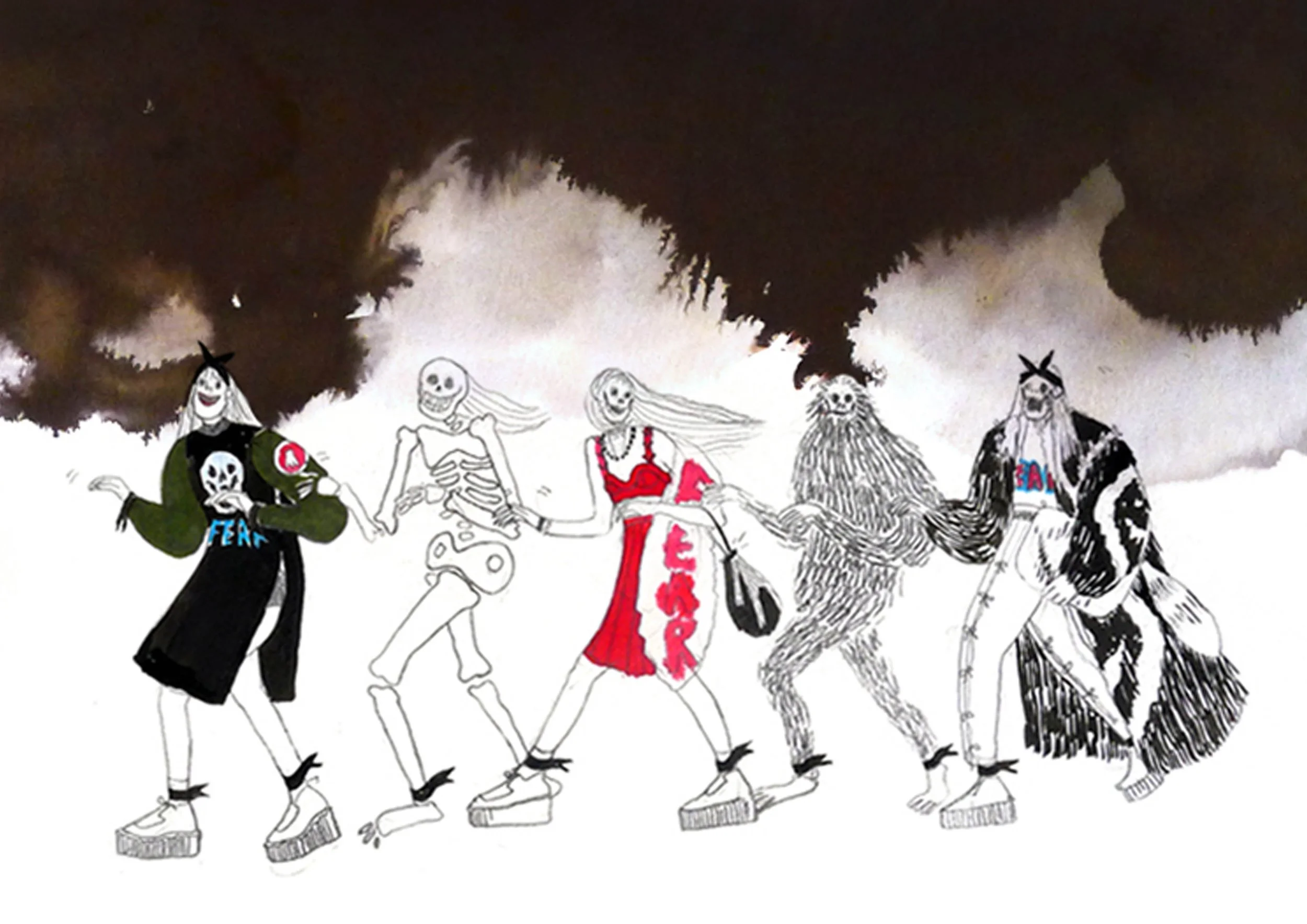
You spent years between Antwerp and Seoul before fully relocating. You were also part of an earlier wave of designers shaping Seoul’s creative direction. Looking back across your collections, what do you think has changed most about the way you approach design today?
I started the brand with work I had made as a student, so in the beginning I was naturally drawn to clothes with a strong visual impact. They had enough energy to catch your eye even on a small screen like Instagram, and maybe because of that, they reached a lot of musicians and artists.
But some of those clothes had already done their job after being worn once or twice. I know fashion can look dated after a year, and that is part of what I do. Still, it sometimes made me sad to think that a piece might be worn only once or twice and then never picked up again.
With time and experience, I became more interested in everyday clothes. I still want them to have character and a clear statement, but I also want them to stay with the person wearing them for a long time. I started thinking more about the time a garment spends with someone.
Seoul probably had some influence on that too. After moving back, I found a close group of creative friends who constantly influence one another. In the beginning, it was hard to imagine who would actually wear my clothes, so I often started with fictional characters from novels or films. Now I think much more about real people wearing the clothes while they work, run, dance, sing or simply live in them.
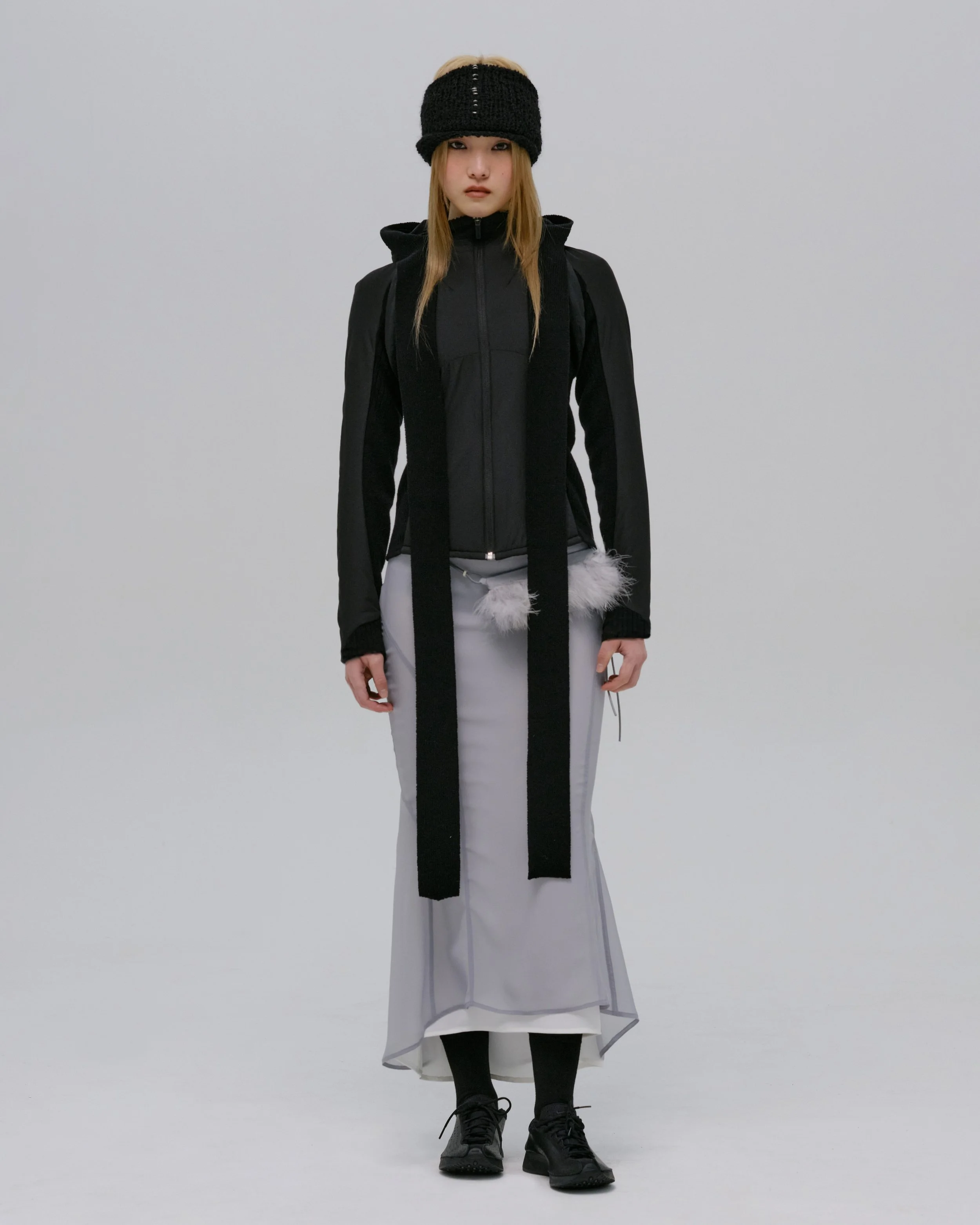
How has having a permanent space changed the way you think about presenting your work and engaging with people directly?
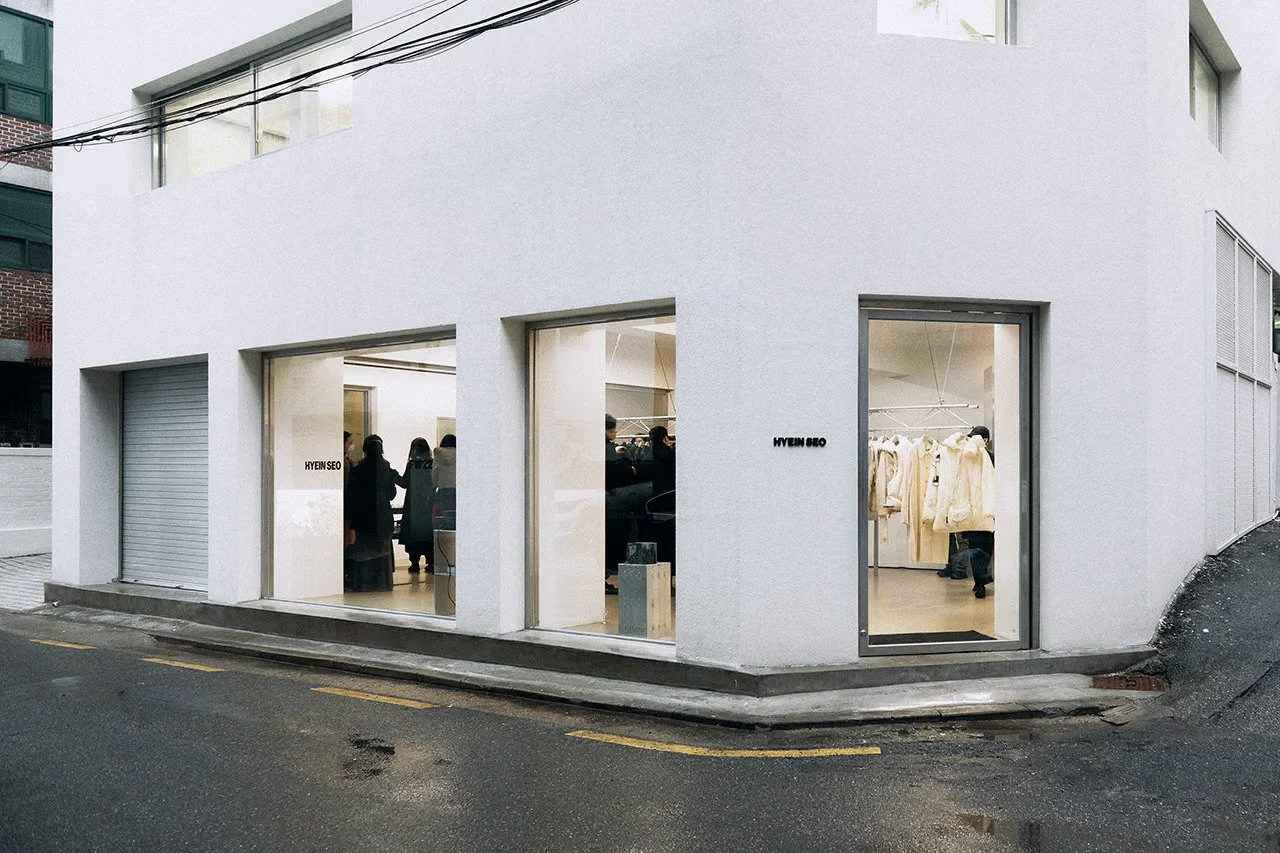
We have a small building with the store on the first floor and the atelier above it. There were financial reasons for choosing that setup, but at first I didn’t really like having the two spaces so close together. I thought it might be distracting.
The way a designer’s working process is presented in the media can look quite beautiful, but the reality isn’t always like that. During deadlines, we barely sleep or eat properly and usually look exhausted. At first, I wondered what was good about showing that side of things.
Now I’m used to it, and I think the advantages are much greater. I can see how customers react when I pass through the store, and we can communicate very closely with the store team. We also hear sales feedback quickly and can reflect it in the work.
Having a space, even a small one, where we can show the entire collection has also become a new kind of pleasure for me. Now, when I start a collection, I also think about the space, the music, and the overall atmosphere. It has led me to collaborate more with people from other fields.
I’m only talking about the good parts, but it has definitely created more work too.
HYEIN SEO moved from what was often described as “street couture” into something more wearable and craft-focused. Was that shift driven by your own perspective changing, or by a reaction to the broader fashion system?
I don’t think there was a moment when I consciously decided to change direction. If I had kept repeating the same style from ten years ago, I’m not sure the brand would still exist today. Graphics or slogans can feel fresh at first, but when they are repeated in similar ways, people eventually get tired of them.
I have always liked handmade details and craft. In the past, I think I expressed them in a more direct and visually strong way. Now I’m more interested in how they can appear through materials, construction, and smaller details.
Times change, people change, and I change too. I don’t think the shift came from reacting to the fashion system. It feels more like the result of following what interests me at that moment and trying not to repeat the same thing. Whenever someone defines HYEIN SEO as one particular style, I usually feel like moving a little further away from it.
FW26 draws from the musicians, characters, and pop culture figures you admired growing up. Looking back now, what do you think those early influences gave you creatively that you still carry into your work today?
At the beginning of the collection, I was chatting with the five designers I work with and asked each of them who the first woman or style icon they really admired was. There is a bit of an age gap between us, so the answers came from different generations. What surprised me was how clearly those choices were still reflected in the way they dress, design and even in the attitudes they value.
There was Chara, Faye Wong, Avril Lavigne and Devon Aoki. One person chose a character from a Japanese manga from that period. They were all strong, self-assured characters. At least in our atelier, I don’t think anyone grew up admiring the good girl or the elegant, quiet type.
Japanese fashion and culture from the 2000s also had a major influence on our team. I spent my teenage years looking at magazines like FRUiTS and TUNE. At the time, it felt like every girl was reading Ai Yazawa’s manga. A lot of people probably became designers because of her work. I still remember seeing Namie Amuro on MTV for the first time. She felt completely new to me, and I thought she was incredibly cool.
The people you admire when you are young stay with you more deeply than you realize. They affect how you dress, what you find cool, and the kind of attitude you are drawn to. This collection became a way of looking back at how those influences stayed in our memories, and how they have changed and taken on a new form in 2026.
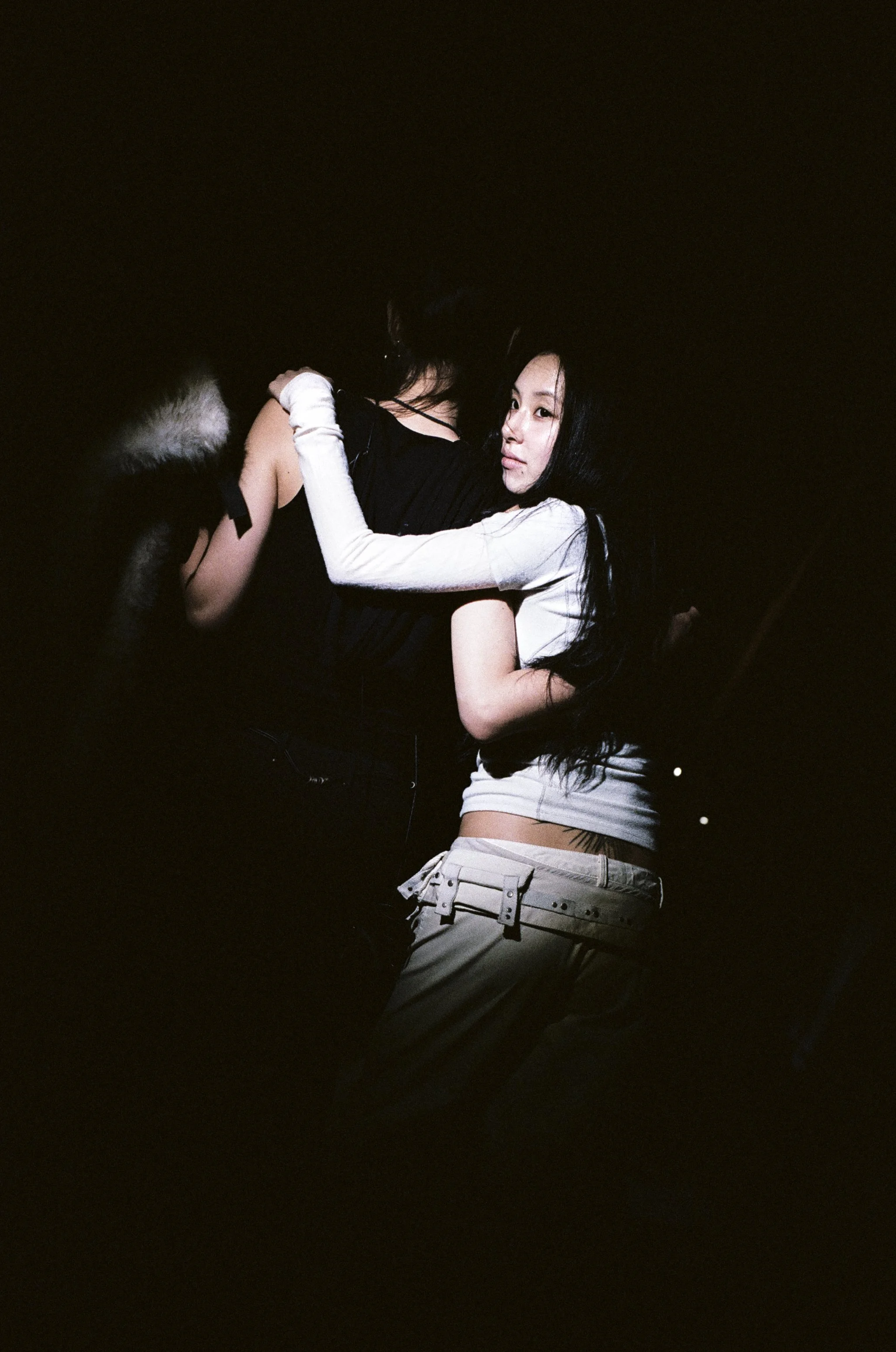
It was also my first time shooting with a K-pop musician, and I asked Chaeyoung for a similar reason. I had always felt that she had a real interest in underground culture, with a punk and rebellious side to her. She said yes right away, which I really appreciated.
The FW26 lookbook was photographed in everyday spaces with friends instead of a conventional production setting. Why was that approach important to the collection, and what did it allow you to capture that a traditional fashion shoot couldn’t?
As the brand grew, and the photographers I worked with grew too, the scale of our shoots became bigger. I liked that we could create bold images that would have been impossible with a smaller production. But when there are many people watching, the models naturally become a little more self-conscious. Even when they are friends, it can be difficult to show a real expression.
Fashion shoots also come with limits of time and budget. At some point, I started missing the kind of photographs that come from real moments. I wanted the laughter, gestures and emotions that appear while people are talking or playing, instead of expressions made specifically for the camera.
I have known Taito for a few years. I had always liked the rough and wild quality of his photographs, and I really wanted to work with him for this collection.
I went to Japan with musician friends from Korea, and Hidaka and Mayuri joined us there. Taito already had a close relationship with the people in the photographs. Because of that, they were comfortable showing sides of themselves that only come out around people they trust.
We spent two nights and three days shooting around Taito’s neighborhood, almost as if we were simply hanging out. Watching their conversations, the way they looked at each other, and the way they laughed in the wind, I felt the clothes finally came alive on them.
What do you hope people feel when they wear HYEIN SEO, and what kind of confidence or perspective do you hope the clothes give them?
There is an image I always keep in mind when I make clothes and images: someone grounded, looking far ahead. I think I have always been drawn to women who face what is coming with a sense of strength.
I think a lot about posture when I design. I like the idea that wearing the clothes might make someone feel a little more composed and a little stronger, maybe even as though they can get through whatever comes their way.
About the Author:
Abeer Salah is a Seoul-based editor, writer, and cultural curator exploring emerging scenes, underground culture, and internet-born subcultures. She is the founder of the collective P.T.S.D.